
REVIEW · BARCELONA TAPAS TOURS
Sangria Cultural Workshop with Tapas
Sangria night turns into a tasty lesson. In a small-group class in Barcelona, you’ll learn the story and craft two sangrias with local fruit and eco wine, plus you’ll snack on classic tapas during the session. One heads-up: this is an alcohol-included workshop, so keep your pace easy.
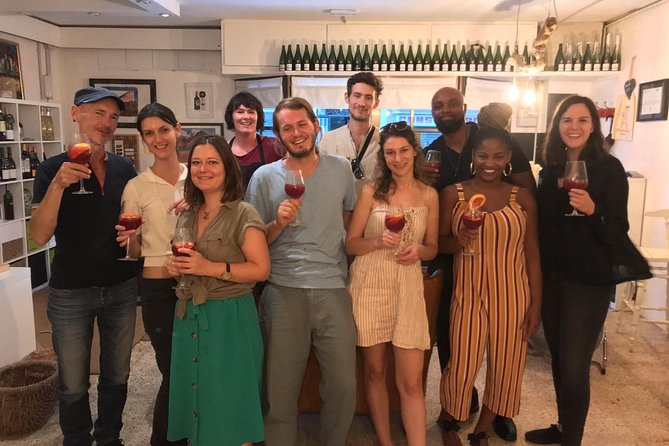
Kiki Rebel Tours runs it in an interactive, laid-back style with Kiki as the host, guiding you through how sangria developed from early roots toward 400 BC to more modern versions people enjoy today. I like that it’s not just talk, you’re actively making and adjusting the drinks as you go.
You’ll meet at Savour Academy in Sants-Montjuïc, the group is capped at 12, and the setting stays small enough for real help when you’re mixing and tasting. If you want a fun Barcelona night with practical take-home recipes, this one is built for you.
Key highlights to look for
- Two sangrias, two jugs, made in the class so you can repeat the method at home
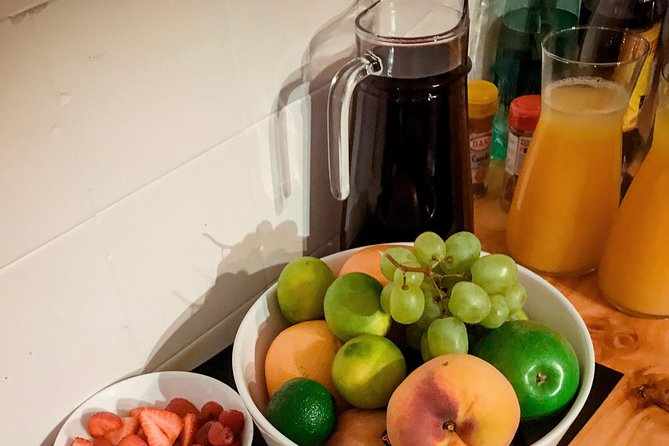
- All ingredients provided, including local fruit and eco wine
- Traditional tapas included while you mix and taste
- Small group of up to 12, so you get attention instead of being rushed
- English-led workshop with an instructor who keeps the tone fun and easy
Why this Barcelona sangria class feels personal
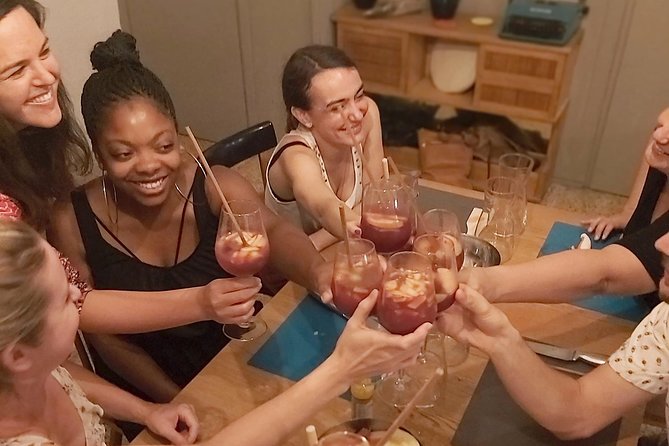
A sangria workshop can go two ways. Either you sit and watch, or you actually make the thing. This one is built for the second option. You get a hands-on class in Barcelona where the main point is to leave confident making sangria yourself, not just with a full glass.
I especially like the small-group size, which means you are not stuck waiting your turn with a single ladle and a distracted instructor. With the class capped at 12 people, it’s easier to ask questions, get help with measurements, and troubleshoot flavor as you pour.
The other thing I’d underline for you is the two-sangria setup. You are not making just one batch and calling it done. You work through an original-style approach tied to very old roots, then you move forward toward a modern style. That gives you a better sense of how sangria changes over time and why it tastes the way it does.
The one practical consideration: because the workshop includes alcoholic beverages, plan to drink slowly and bring a light mindset. If you are planning late-night plans after, you’ll want to pace yourself since this is a tasting and a making session, not a quick demo.
The 7:30 pm session at Savour Academy (what the evening really looks like)
The workshop starts at 7:30 pm, runs about 2 hours 15 minutes, and ends back at the same meeting point. You’ll meet at Savour Academy, Carrer del Farell, 12, bajos, Sants-Montjuïc, 08014 Barcelona.
That location detail matters more than you might think. Sants-Montjuïc is a practical base for evenings because it’s connected to the rest of the city by public transportation. You don’t need a long taxi chain or a complicated walk after dinner. Just show up, get settled, and start focusing on the class.
Once you’re there, the workshop flows in a simple pattern:
- First, you get the context for what you’re making, including how sangria developed over time.
- Then you move into hands-on prep and mixing with the ingredients already laid out for you.
- Throughout, you snack on traditional tapas, so you’re not tasting on an empty stomach.
- By the end, you’ve made your two jugs, and yes, you get to drink the results.
It’s a very doable format, especially if you’re in Barcelona for a short stay and you want something social but not exhausting. Two hours plus is long enough to learn and finish something you can bring home in your head, but short enough to still feel like you’re out exploring the city later.
Also, it’s English-led, so you can ask questions without worrying about getting lost in translation.
More Barcelona tours and experiences for the shortlist


Two sangrias in one class, from old roots to modern styles
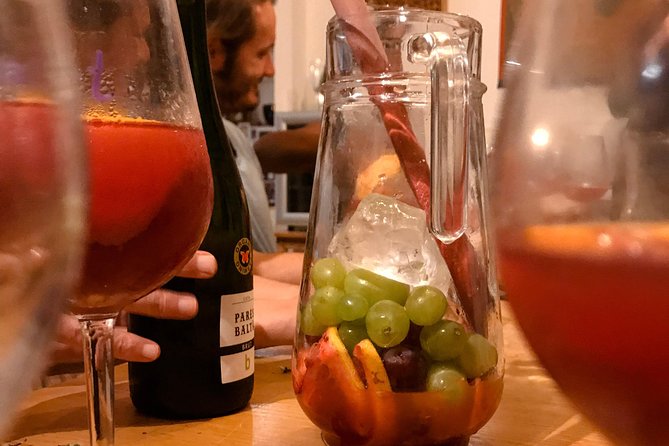
The core promise here is straightforward: you learn to make two perfect jugs of fresh sangria, and you do it during the workshop.
You start with an approach tied to sangria’s earliest roots, described as going back toward 400 BC. That might sound like a history lesson you’d normally skip on a vacation, but it actually helps you understand the flavor logic. When you learn why people made the drink the way they did, you stop treating sangria like a random sweet punch. You start seeing it as a method: fruit, wine, and the balance of acidity and sweetness.
Then you progress to a more modern version. In practice, that means you are not just repeating the same steps. You adjust ingredients and flavor style so the end result tastes like a distinct “version,” not just a second refill.
One detail worth your attention is the ingredient philosophy: the class uses local, fresh fruit and eco wine. When fruit is fresh and locally sourced, it tends to taste brighter and less like bagged sweetness. Eco wine signals that they are choosing a specific wine style for the workshop, which matters because sangria is only as good as the wine plus fruit combination.
You’ll also see how easy it is for small choices to change the final drink. That’s the real payoff for you. When you take the recipes home, you’ll know what to watch for, not just what to copy.
And yes, the drinks are part of the fun. Since you make two full jugs, the tasting feels like an actual reward, not a tiny sip at the end.
Tapas and snacking that make the workshop actually enjoyable
Food is not an afterthought here. You get traditional tapas during the class, timed to keep the whole experience comfortable and social.
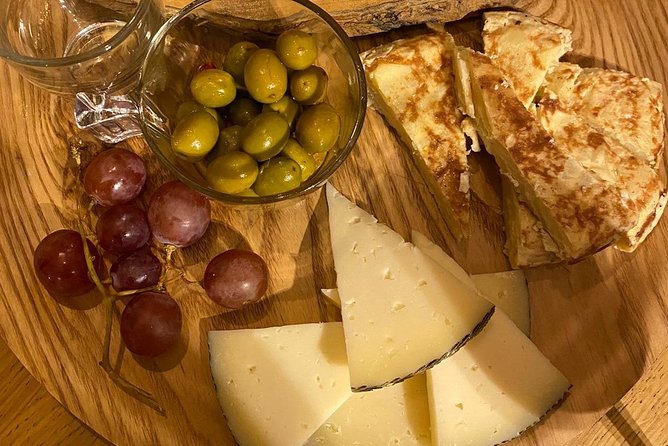
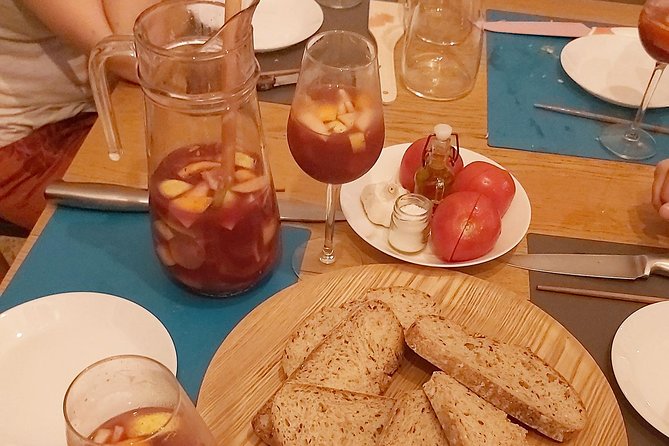
The sample menu includes classics like:
- olives
- pan con tomata
- Spanish tortilla
- patatas
Even without getting too specific about quantities, the key is that the tapas are the right type of comfort food for a drink-heavy class. Salty bites help balance fruit sweetness, and heavier items like tortilla and potato make it easier to focus on learning instead of thinking about getting full.
This is one of those “small” decisions that changes the whole evening. I’ve done drink tastings where the food is either missing or too minimal, and it turns into a slightly uncomfortable sugar-and-alcohol experience. Here, the snacks keep you steady, so the class feels like a dinner-adjacent activity.
If you’re the type who likes to try local foods but doesn’t want to spend an entire night doing restaurant planning, this format is a practical win.
Price and value: what $83.27 buys you in the real world
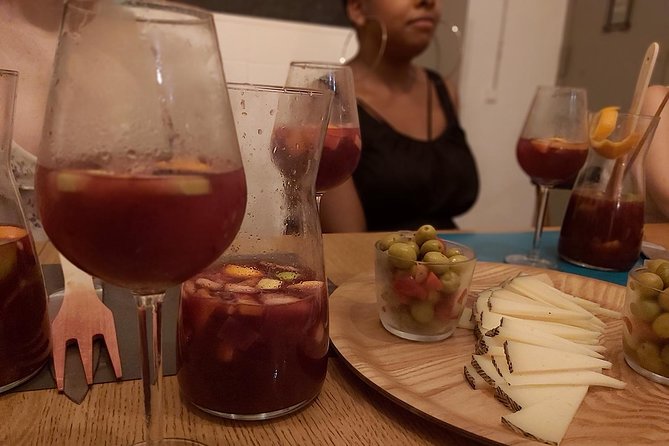
The price is $83.27 per person, and the value depends on what you compare it to.
If you compare it to buying sangria ingredients yourself, the class still holds up because it includes:
- everything you need to make sangria (so you are not tracking down fruit, measuring tools, and the right wine)
- alcoholic beverages, including local red wine
- traditional tapas to accompany the drinks
You are also paying for someone to guide the process. In a workshop, good instruction saves time and prevents wasted batches. If you’ve ever tried to make sangria at home and ended up with something that tastes too sharp, too sweet, or flat, you know why that matters.
The small-group size is part of the cost logic too. With a cap of 12 participants, you should expect more direct help and less “everyone watch the same demonstration” energy.
Bottom line: this price is fair for an evening activity in Barcelona when you factor in that you are getting two jugs of sangria plus tapas plus guidance in about 2 hours 15 minutes.
Who this sangria workshop suits best (and who might skip it)
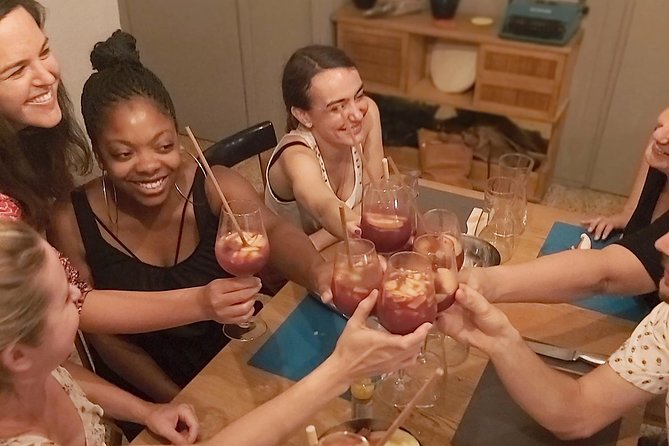
This is a strong pick if you want:
- a hands-on Barcelona evening activity (not a museum-style stop)
- a fun way to learn a local drink you can actually recreate
- time with an instructor in an intimate setting, where questions are easy
- a meal-plus-drinks format without needing restaurant reservations
It’s also a great fit for couples, friends, and parent-and-child outings. One of the nicest parts is that the pace is relaxed, but you still leave with something concrete. You’re not just entertained, you’re taught.
If you prefer zero alcohol, you might feel uncomfortable with an alcohol-included workshop. You could still enjoy the history and the food, but this is designed around tasting and drinking what you make.
If you hate the idea of standing at a counter and measuring ingredients, it might also feel less fun. This class is interactive, so it works best when you’re willing to get your hands a little involved.




Planning tips so your evening goes smoothly
Here’s how to make the experience easy for yourself:
- Arrive a few minutes early at Savour Academy so you’re not scrambling right at start time.
- Expect 7:30 pm energy. This is not a lunch workshop, so plan for an evening pace.
- Go a little hungry. With tapas included, you want enough room to enjoy the food and still stay alert.
- Bring curiosity about taste. The history portion is fun, but the real learning comes from how flavors change as you mix.
Also, it’s offered in English, and it’s a small class with a maximum of 12 people, which is a big deal if you don’t want a crowded group experience.
On the practical side, they use a mobile ticket, and confirmation is typically provided within 48 hours of booking, subject to availability. If you’re traveling around peak times, confirming early helps you keep your schedule calm. And if plans change, you can cancel for a full refund up to 24 hours before the start time.
Should you book the Sangria Cultural Workshop with Tapas?
I’d book it if you want a Barcelona activity that mixes hands-on learning, a fun social vibe, and real food. The small-group format makes it feel personal, and the fact that you make two jugs means you leave with more than a memory. You leave with a process you can repeat.
Skip it if you’re looking for a low-alcohol or strictly food-focused experience, or if you don’t want to participate in mixing and tasting. This is built around drink-making and sipping the results.
If you want one dependable way to spend an evening that feels local and practical, this one is hard to beat.
If you’re traveling as a group, note that private group bookings are available, which can be a nice option if you want the same format without squeezing into a standard schedule.
FAQ
How long is the Sangria Cultural Workshop with Tapas?
It lasts about 2 hours 15 minutes.
What time does the workshop start?
The session starts at 7:30 pm.
Where do I meet for the workshop?
The meeting point is Savour Academy, Carrer del Farell, 12, bajos, Sants-Montjuïc, 08014 Barcelona, Spain.
Is the workshop offered in English?
Yes, the workshop is offered in English.
How many people are in the group?
The workshop has a maximum of 12 participants.
What will I make and eat during the class?
You’ll make two different sangrias and enjoy traditional Spanish tapas during the workshop.
What’s included in the price?
The price includes alcoholic beverages (local red wine), everything you need to make sangria, and snacks of traditional tapas.
Can I cancel and get a refund?
Yes. Free cancellation is available, and you can cancel up to 24 hours in advance for a full refund.
More Workshops & Classes in Barcelona


More Tour Reviews in Barcelona


Not for you? Here's more nearby things to do in Barcelona we have reviewed








More Barcelona Tapas Tours worth opening.
 ★ 5.0Montserrat Half-Day Tour with Tapas and Gourmet WinesFrom $557,359 reviews
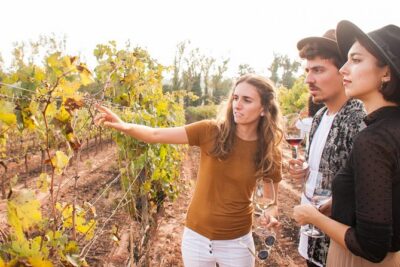 ★ 5.0Montserrat & Cogwheel Train, Gourmet Wine Tasting & Tapas/LunchFrom $816,290 reviews
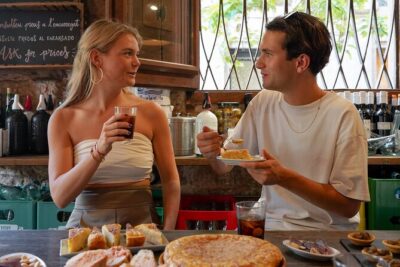 ★ 5.0Barcelona Tapas and Wine Experience Small-Group Walking TourFrom $835,804 reviews
 ★ 5.0Montserrat with Black Madonna & Medieval Winery with Tapas/LunchFrom $655,209 reviews
 ★ 4.8Montserrat and Winery Tour with Tapas or LunchFrom $614,695 reviews
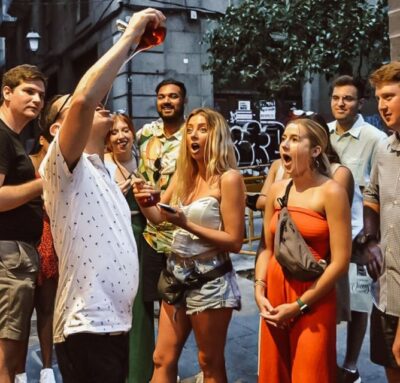 ★ 4.8Tapas Walking Tour with Food, Wine, and HistoryFrom $784,261 reviews
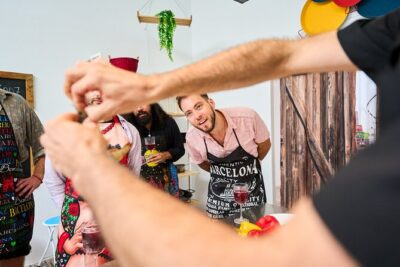 ★ 5.0Barcelona Paella Cooking Class with Market Visit, Tapas & SangriaFrom $1142,531 reviews
 ★ 4.5Barcelona Tapas Walking Tour: Food, Wine & HistoryFrom $661,928 reviews
Continue by place or experience