
REVIEW · BARCELONA TAPAS TOURS
Barcelona Paella Cooking Class with Market Visit, Tapas & Sangria
Paella starts at the market. This small-group Barcelona class takes you from the Boqueria stalls to a working kitchen for tapas, homemade sangria, and the paella you cook yourself, limited to 12 people. It is a practical way to learn Spanish food culture without just doing photo stops.
I especially like two things here. First, you get a chef-guided look at ingredients in the real flow of a market, including how to choose seafood for paella. Second, you do the cooking hands-on, then leave with the recipes so you can repeat it later. One consideration: the market visit is excluded on Sundays and public holidays because the Boqueria is closed, so the start of the experience changes.
Key Highlights You Should Know Before You Go
- Boqueria ingredient guidance so you know what to look for, especially for seafood paella
- Max 12 travelers for more time at the stove and less standing around
- Tapas tasting plus a sangria-making workshop (with non-alcoholic sangria available)
- Seafood, chicken, or vegetarian paella options to match your preferences
- A dessert lesson with instructions for classic Tarta de Santiago
- Recipe copy included so the class stays useful after your trip
Meeting at GAB Lab in Ciutat Vella and Getting in the Right Mood
The experience starts at Gastronomic Arts Barcelona (GAB LAB), Carrer de Lancaster 10, Bajo 1a, in Ciutat Vella. From there, you get organized quickly and move as a group, which matters because the rest of the afternoon runs like a food mission: market first, then the kitchen work.
I like that the program is designed to fit real Barcelona time. It lasts about 3 hours, with meals and drinks built into the schedule, so you are not hunting for lunch after you cook. Also, this is offered in English, which makes the cooking instruction feel clear and not like a guessing game.
You will also want comfortable shoes. The market stop involves walking and standing, and later you are cooking, chopping, and tasting. If you have mobility limits, you can still plan around the short walking and focus on the hands-on parts.
You can also read our reviews of more shopping tours in Barcelona
Boqueria First: Why the Market Stop Changes Everything
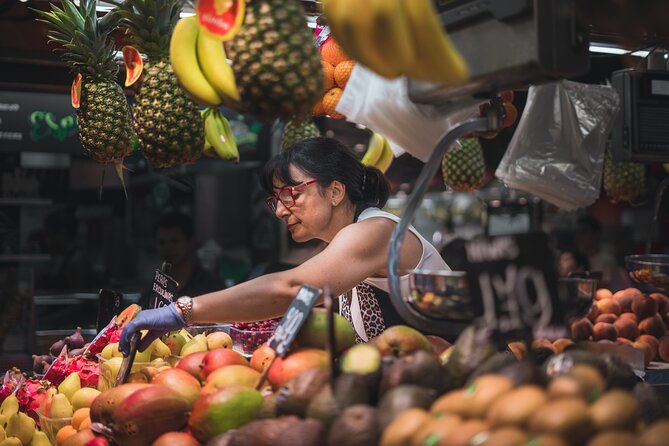
The best part of this class is that paella starts with picking ingredients, not just cooking a dish. At Mercat de la Boqueria, your chef guide takes you through the market in a way that helps you understand what makes ingredients taste right for Spanish cooking.
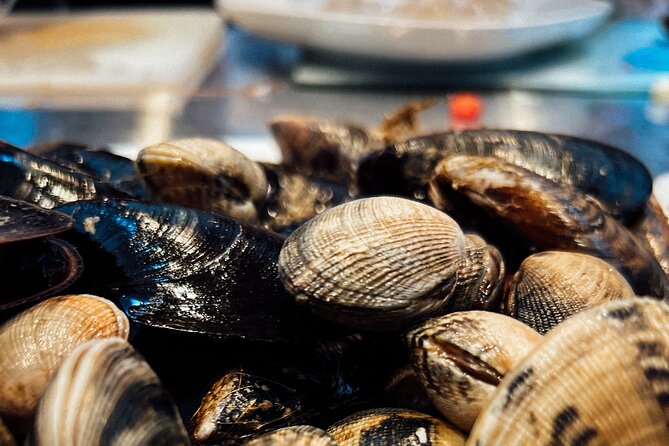
You learn how locals think about freshness and quality. That includes seafood selection, which is a big deal for paella. One small tip goes a long way here: when you know what to look for in the market, you can shop smarter on your own later.
This also makes the kitchen portion easier to follow. When you see what you bought and why, the cooking steps make more sense, even if you have never made paella before.
One practical catch: the Boqueria market visit is not included on Sundays and public holidays, since the market is closed. If you are traveling on one of those days, expect the rest of the experience to continue, but the ingredient shopping piece will be different.
La Rambla Transition: A Useful Walk Between Food Stops
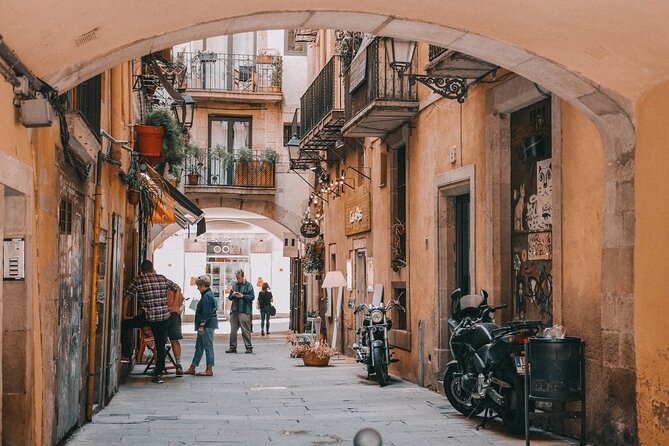
After the market, you return toward the city center area, and you will pass by La Rambla as you move between stops. It is not just sightseeing time, it is the bridge between two modes of eating.
The market is all about sensory overload: sights, smells, and quick decisions. The walk gives your group a moment to reset and settle in before you get into tapas tasting and the kitchen studio work.
Timing matters here. You go from ingredient shopping to eating and then to cooking, so the pacing is designed to keep you fed but not stuffed. That means you end up with the energy to actually participate in the paella cooking, instead of watching from the sidelines.
Tapas and Sangria Workshop: Lunch That Feels Like a Barcelona Table
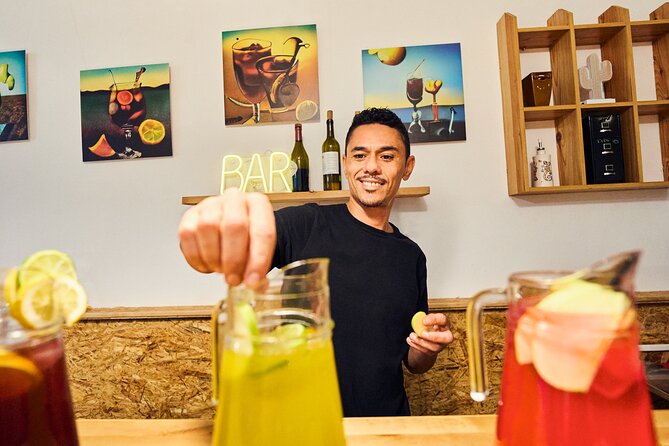
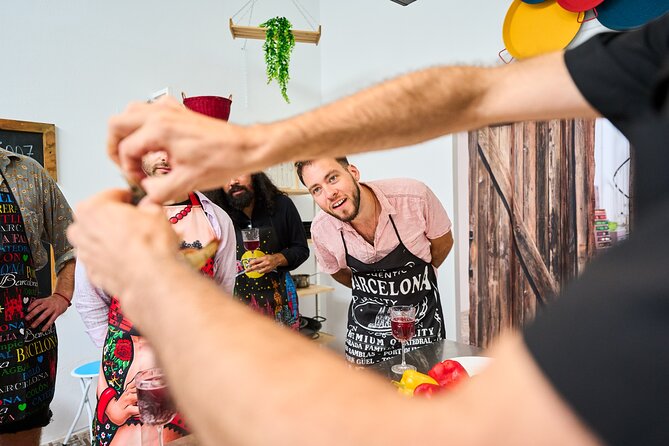
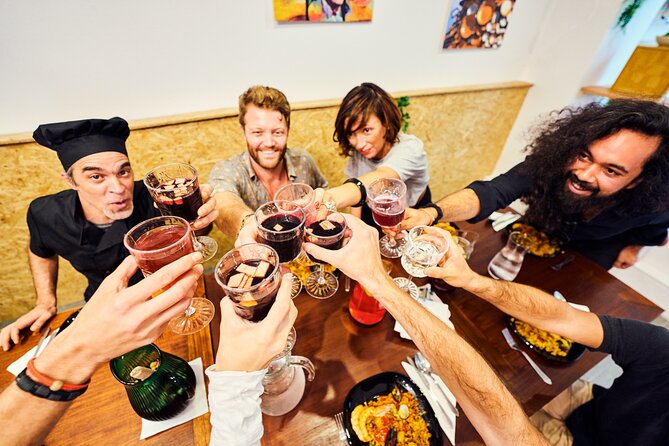
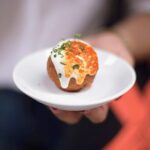
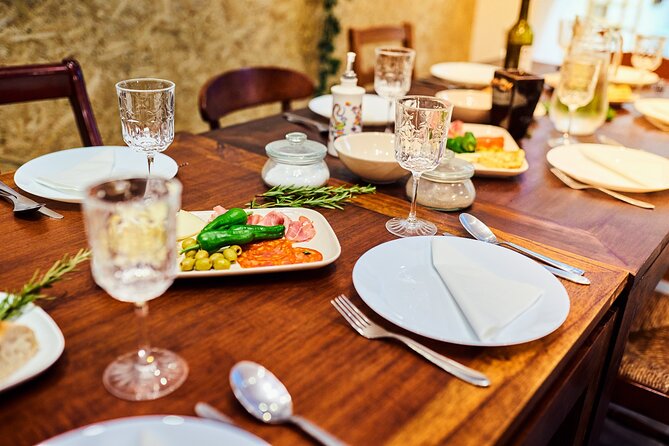
Back in the kitchen area, you start with a tapastasting and a sangria-making workshop. You get a selection of classic Spanish tapas, which may include items like cured meats, cheeses, pimientos de padrón, pan con tomate, and olives. The exact lineup can vary, but the goal stays the same: you learn what a typical Spanish spread looks and tastes like.
Then comes the sangria. This is not just a pour-and-go moment. You participate in making traditional sangria to go alongside the meal. If alcohol is not for you, a non-alcoholic version is available, and bottled water and juice are included as well.
I love that this part is built into the class. It teaches you how to relax into Spanish dining, not just how to cook one iconic dish. And if you are traveling with friends or family, this is usually where people start to loosen up and talk, because you are working together and tasting together.
In this setting, the kitchen feels social without feeling chaotic. With a maximum of 12 travelers, the guide can keep an eye on what everyone is doing, and you get pulled back into the action when you need help.
Hands-On Paella Cooking: Seafood, Chicken, or Vegetarian
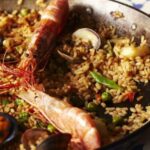
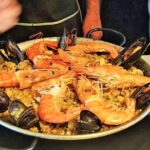
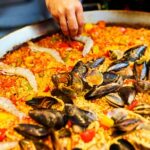
Now for the main event: paella. You learn the traditional method with one-on-one guidance and support from your local chef. The class format is hands-on, meaning you are not just watching someone else do the hard work.
Paella style options matter here. You can make seafood paella, or choose a chicken version, or go vegetarian-friendly. If you have preferences, the operator collects food allergies and preferences at the start of the class, so the kitchen setup can adjust.
This is where the market visit pays off. If you start by understanding how seafood should be selected, then cooking with those ingredients becomes more than recipe following. You get the logic behind choices, like why certain seafood pieces work better for flavor and texture.
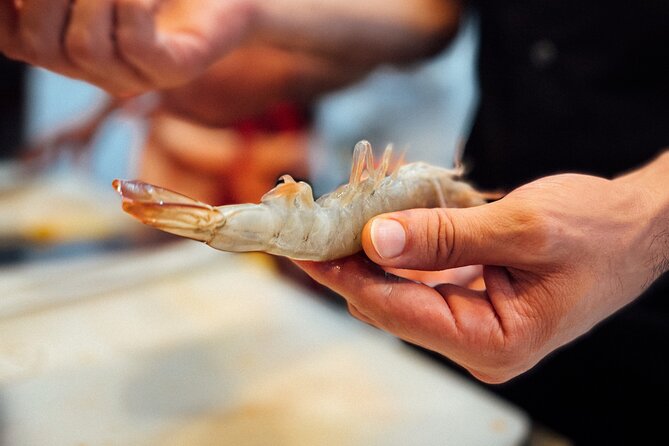
Also, do not ignore the practical learning moments. Several guests noted getting instruction on things like cleaning seafood or figuring out which seafood is best for paella. Even if you do not end up cooking seafood at home often, you walk away with a clear skill set and a better eye for ingredients.
The kitchen part is also where you get to control the experience. You get to chop, mix, and cook, then you all sit down to enjoy the meal you made. That full loop, from ingredient selection to finished paella on the table, is why this class gets such strong recommendations.
More Barcelona tours and experiences for the shortlist
Tarta de Santiago: The Dessert You Can Actually Repeat
After paella, the class finishes with a dessert lesson: Tarta de Santiago, a classic almond cake from Galicia. You get both the treat and the instruction, which is a smart move for anyone who worries that cooking classes end with a vague memory of how things tasted.
Almond cake is a good choice because it translates well to home kitchens. It is also a nice contrast to the savory lunch and a reminder that Spanish food is not only about tapas and seafood.
If you are traveling with kids, this dessert is often the easiest sell because it feels like a finished, familiar sweet. If you are traveling solo, it still works because the sweetness gives you a clean finish before heading back into the city.
And yes, dessert is served as part of the class, not as a separate add-on. It makes the 3-hour experience feel complete, not chopped into random pieces.
What You Leave With: Recipes, Skills, and Market Smarts
This class is not just about what you eat during the session. You also leave with a copy of the recipe so you can recreate the dishes later. That matters because paella and sangria are the kinds of foods people try to cook at home and then abandon when results are disappointing.
Having clear recipes gives you a starting point, but the bigger value is the cooking skills you learn in the kitchen. You will come away with a better sense of ingredient quality, how to think about seafood choices, and how the overall flow of the meal works.
You also get practical “buying for taste” insight. After seeing how ingredients look in the market, you will shop differently back home, even if you cannot find the same exact items. You start asking better questions, like what freshness means for seafood, not just what it costs.
And with tapas included, plus drinks, the meal becomes a mini course in Spanish eating. You learn what to order or cook next time, not just how to complete one recipe.
Price and Time: Is $114.88 Good Value?
At $114.88 per person for about 3 hours, this is not a cheap activity. But it is also not a bare-bones “watch and eat” event.
Here is where the value shows up:
- You pay for a chef-led Boqueria market experience (when open) plus a kitchen class.
- You get a hands-on paella cook session with ingredient support.
- You get tapas tasting, sangria-making, and a full dessert.
- Recipes are included, which extends the value beyond your vacation day.
Add in the small group size, maximum 12, and you get a clearer picture. More people would usually mean more waiting, more standing, and less time at the stove. Here, the format supports real participation.
So if your goal is to learn something you will use, not just fill a stomach, this price can make sense. If you only want a quick snack and a short walk, you might feel this is more structured than you need.
Who This Paella Class Is Best For
This experience fits best if you want a food day that feels authentic and practical. It is great for:
- Couples who want a shared activity and a meal they made together
- Families, because the class is interactive and you can choose seafood, chicken, or vegetarian
- Solo travelers who want a small group vibe and a natural way to meet people while cooking
It is also a strong pick if you care about allergies or dietary needs. Food allergies and preferences are collected at the start, and you can choose chicken or vegetarian paella options. That takes some stress off planning, because you know the class is set up to handle different requirements.
If you hate cooking or you want a more passive sightseeing experience, consider that this is built around hands-on work. You will be chopping, cooking, and participating, not just taking photos.
Book It or Skip It: My Practical Recommendation
If you want the best possible “Barcelona food” day, I would book this. It connects three key experiences in one sweep: market ingredients at the Boqueria, Spanish tapas and sangria energy in the kitchen, and a paella lesson that you can repeat later. The small-group limit is a big plus, because it keeps the class fun and allows real instruction.
The main reason to skip or adjust is your travel calendar. If you are visiting on a Sunday or public holiday, you will lose the market visit because the Boqueria is closed. You still get the cooking and meal parts, but the start of the experience will feel different.
If you like structured lessons, you want to eat what you cook, and you want recipe take-home value, this is a strong choice.
FAQ
How long is the Barcelona Paella Cooking Class experience?
It lasts about 3 hours.
What is the price per person?
The price is $114.88 per person.
How big is the group?
The class is limited to a maximum of 12 travelers.
Is the tour offered in English?
Yes, it is offered in English.
What paella options are available?
You can choose seafood paella, chicken paella, or a vegetarian-friendly option.
Are there non-alcoholic drink options?
Yes. Non-alcoholic sangria is available, and bottled water, juice, and other beverages are included.
What happens if I book on a Sunday or public holiday?
The Boqueria market visit is excluded on Sundays and public holidays because the market is closed.
Can I cancel for a full refund?
Yes. You can cancel up to 24 hours in advance for a full refund. If you cancel less than 24 hours before the start time, you do not receive a refund.
More Markets in Barcelona
More Shopping Tours in Barcelona

More Tour Reviews in Barcelona



Not for you? Here's more nearby things to do in Barcelona we have reviewed





More Barcelona Tapas Tours worth opening.
 ★ 5.0Montserrat Half-Day Tour with Tapas and Gourmet WinesFrom $557,359 reviews
 ★ 5.0Montserrat & Cogwheel Train, Gourmet Wine Tasting & Tapas/LunchFrom $816,290 reviews
 ★ 5.0Barcelona Tapas and Wine Experience Small-Group Walking TourFrom $835,804 reviews
 ★ 5.0Montserrat with Black Madonna & Medieval Winery with Tapas/LunchFrom $655,209 reviews
 ★ 4.8Montserrat and Winery Tour with Tapas or LunchFrom $614,695 reviews
 ★ 4.8Tapas Walking Tour with Food, Wine, and HistoryFrom $784,261 reviews
 ★ 4.5Barcelona Tapas Walking Tour: Food, Wine & HistoryFrom $661,928 reviews
 ★ 4.8From Barcelona: Montserrat Half-Day Wine and Tapas TripFrom $1051,918 reviews
Continue by place or experience