
REVIEW · BARCELONA CITY TOURS
Barcelona: Artisan Ceramic Cup or Vase Making Workshop
Clay turns into something you own in 2.5 hours. At street-front Taller Gingell in Poble Sec, you work with Eric and Wendy in a small group (max 8), so you get real studio coaching instead of being herded along.
I love how much hands-on instruction you get before you shape a single lump of clay. They explain the materials, tools, and the key ceramic techniques first, then you jump in and build a cup or planter with your own textures and decorations.
One thing to plan for: your finished piece is not ready right away. After the workshop, it needs kiln firings and glazing, so you’ll either wait a few weeks to pick it up or arrange shipping (shipping costs extra).
Key Points You’ll Care About
- Small group teaching with Eric and Wendy, limited to 8 participants for hands-on guidance
- Pick cup or planter, then personalize with texture and decorations
- Real ceramic workflow, including glazing and kiln firings after your workshop time
- Two take-home paths, wait for pickup or mail it, or leave and pick up a finished piece to take with you
- No experience needed, and the pace is beginner-friendly without feeling watered down
- Studio basics included, aprons, clay, tools, and a WiFi touch for sharing your process
Taller Gingell In Poble Sec: A Real Workshop, Not A Show
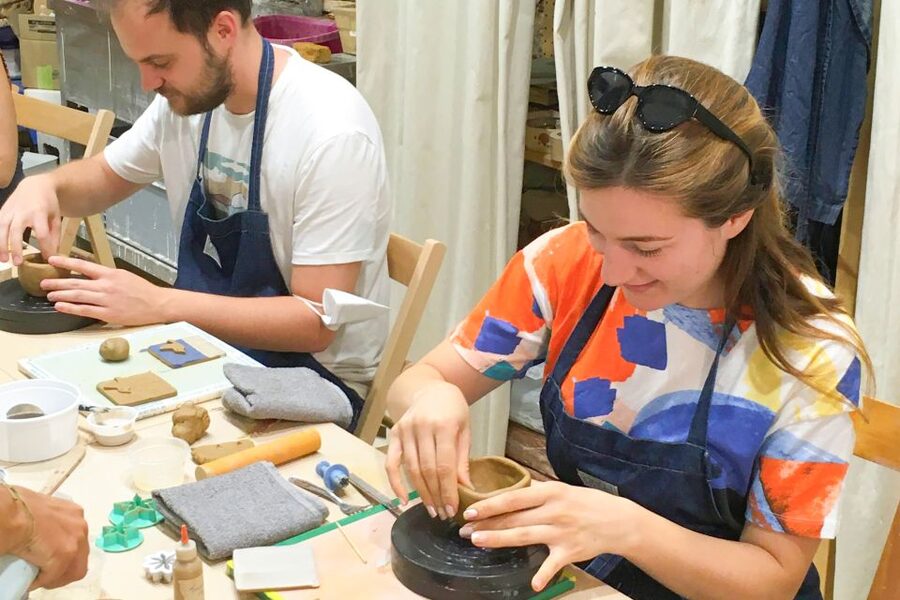
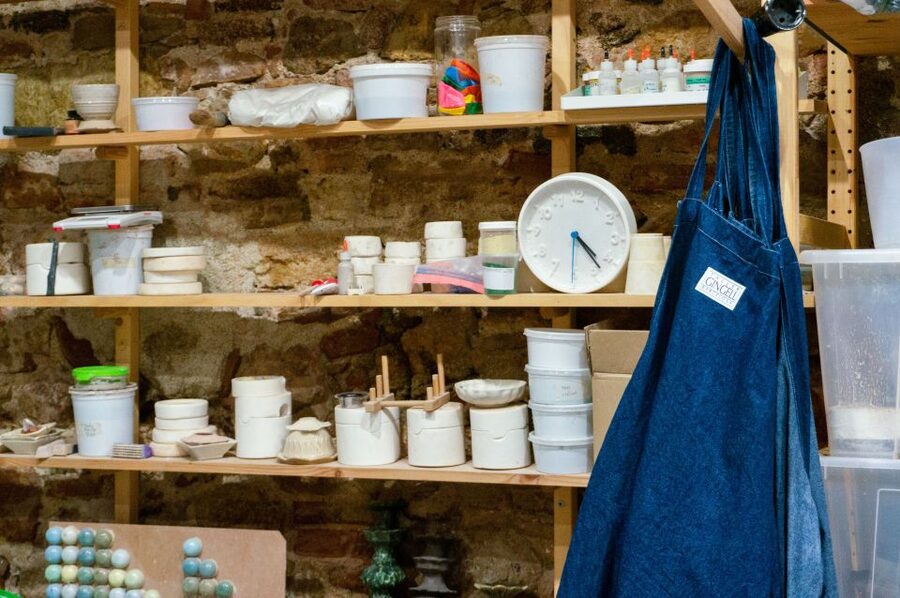
This is the kind of place where you feel the craft in the room. Taller Gingell sits at Salvà 71-69 in Poble Sec, a street-front workshop space. The building has been a workshop space for a long time, previously used as a bakery and a fishmonger for generations, and you can sense that working-shop history the moment you walk in.
The vibe is practical and friendly, and that matters. In a class like this, you do better when the people teaching you make the mess feel normal and the process feel doable. In the studio, Eric and Wendy keep things warm and welcoming, while also staying focused on technique. People also point out the pace and the time you get to prepare your piece, which is a big deal when you’re learning from scratch.
You should know the workshop is not a children’s activity. It is not suitable for kids under 12, so it tends to stay calm and adult-focused.
More Barcelona tours and experiences for the shortlist



What You’ll Make: Cup Or Planter, And Why That Choice Helps
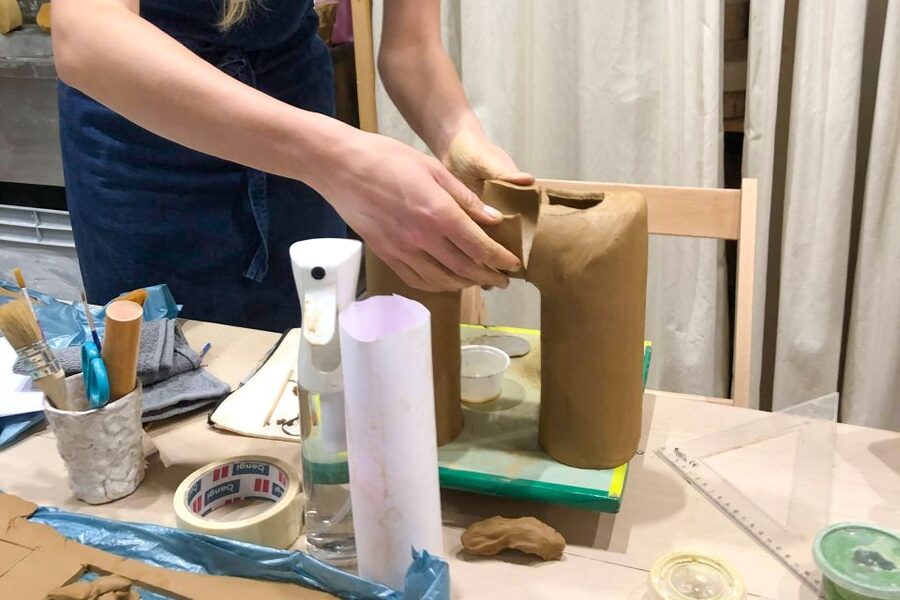
You start the workshop building either a ceramic cup or a planter (the description specifically mentions a cup and a planter, and the hands-on goal is a small vessel you can bring or ship home). That choice sounds simple, but it changes the whole feel of the class.
A planter is forgiving. Texture and shape can be more expressive, and you can make something that looks good even if your first clay moves are a little wobbly. A cup is more demanding in a fun way. You want the opening to look neat, the walls to feel even, and the form to sit right.
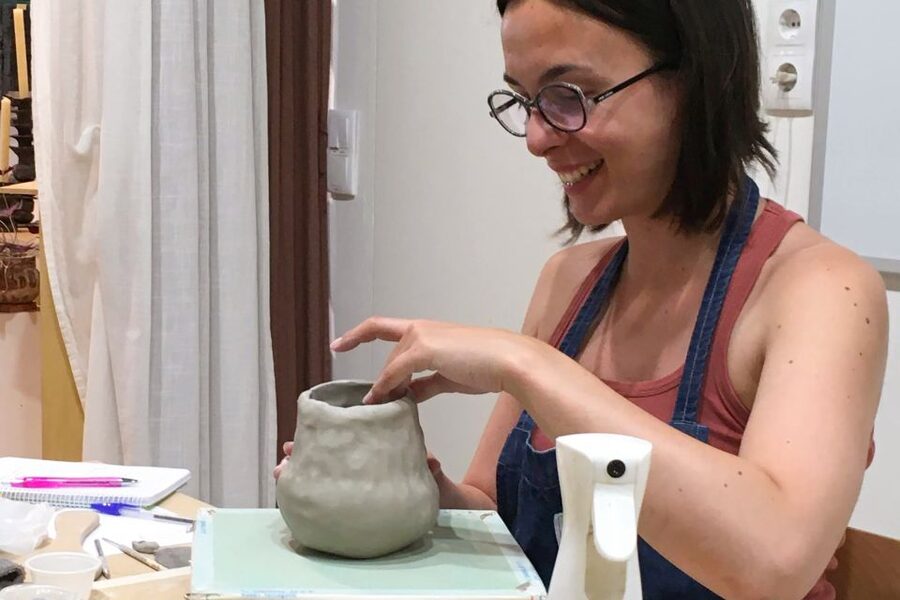
Either way, you are not just copying a sample. You personalize. You learn to add texture and decorations after your sculpting stage, which is where your piece starts looking like it came from you and not from a template.
The other practical benefit is take-home options. Since your piece gets fired and glazed after your workshop, you are not stuck with a fragile greenware item you have to carry around all day.
The 2.5-Hour Flow: From Technique Talk To Clay In Your Hands
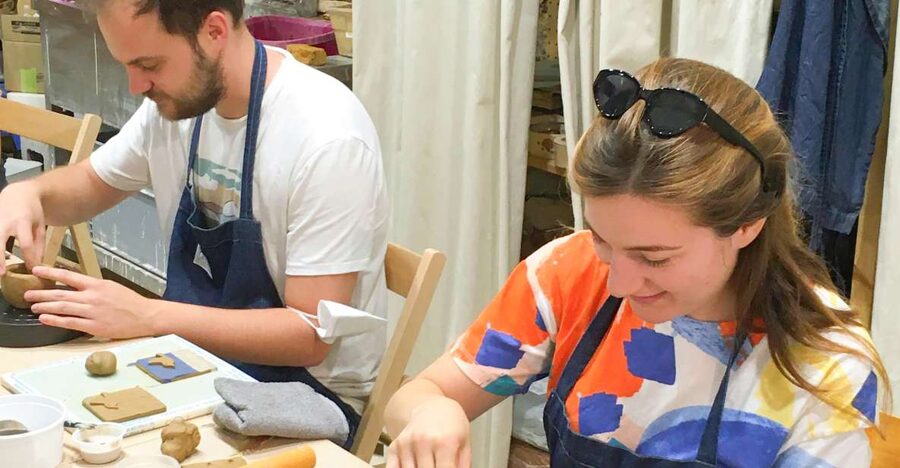
You don’t start by scrambling for tools. You start with instruction.
The workshop begins with an explanation of important ceramics techniques before you touch the clay. That order is smart for beginners. You get the basic idea of how ceramic building works, what to watch for, and how the materials behave. Then you put on the apron and get working.
Here’s the overall rhythm you can expect based on the way the class is described and how it’s run in practice:
First, you learn the materials and tools. They explain what you are using and how you will use it during the workshop. Then comes the core hand-building part: shaping your cup or planter by hand.
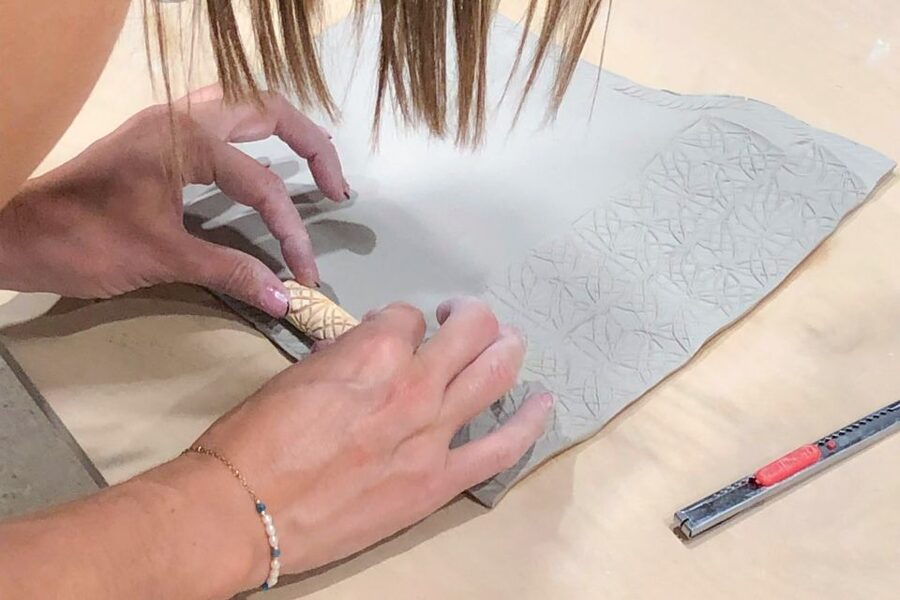
Next, you add texture and decorations. This is where the class becomes fun in a hands-on, not-super-precious way. You are sculpting by hand, then building on top of that with surface work.
By the end, you walk out with the knowledge that your piece still has a future. After the workshop, the studio handles the kiln firings and glazing steps that make the ceramic durable and ready to use.
There are no prior experience requirements, and that comes through in the way the teaching is described: you are guided from the start, and feedback is constructive, not intimidating. People also mention a steady mix of humor and patience, including polite but honest coaching if your first attempts need adjustment.
Hand-Building Basics: The Techniques That Make Your Piece Look Intentional
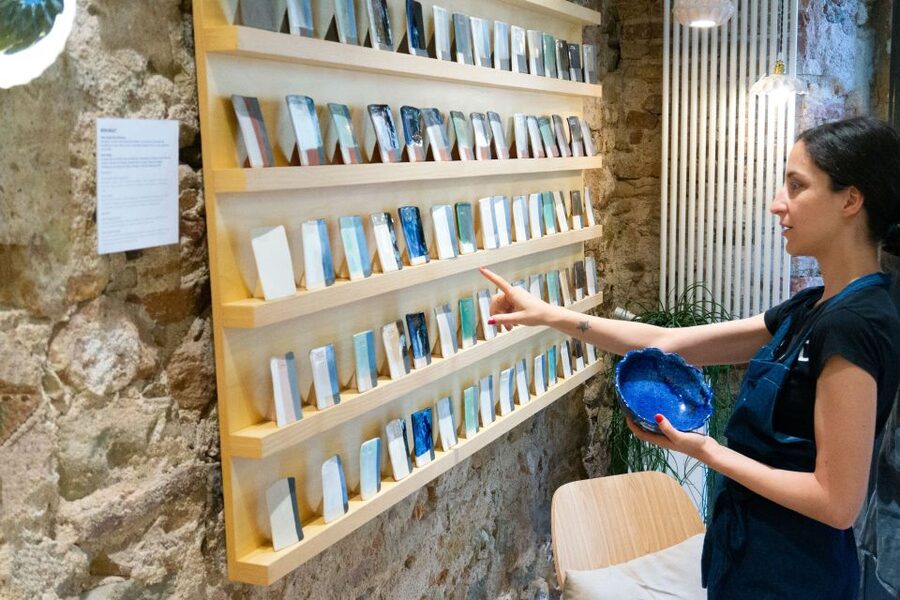
The standout part for me is the teaching approach: technique first, then clay. That’s what turns this from a craft activity into an actual workshop.
They cover the ceramics materials and tools you will use. You also learn the key techniques ceramicists rely on when sculpting by hand. Even if you’ve never made anything before, you leave understanding what you did and why your piece will (eventually) work.
In a small class, you get the chance to practice what you are learning. That matters because ceramics is one of those crafts where tiny choices create visible differences. Wall thickness, shape alignment, and surface texture all show up later, after firing.
One thing you’ll likely notice as you work: they don’t just want you to finish. They want your form to be something you would be proud to show at home. That’s why people mention feedback that is both supportive and a little critical in the best way, meaning they help you correct course without shaming your attempt.
Also, since the class is limited to 8 participants, you are more likely to get your questions answered while they still matter to your piece.
Texture, Decorations, and Glazing: How the Studio Makes It Look Finished
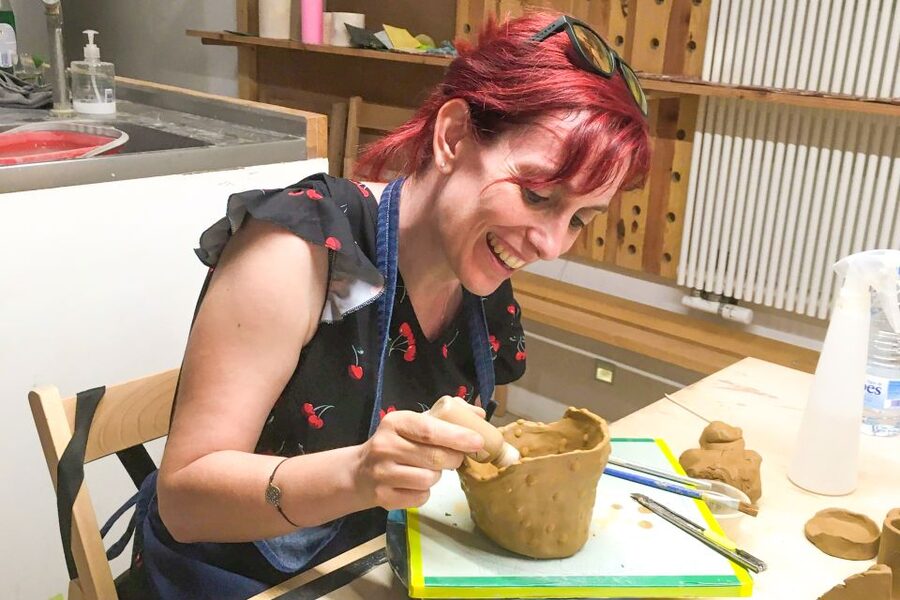
The class covers texture and decorations as part of your sculpting and finishing process. After you finish sculpting, you add texture and decorations. That’s the phase where your cup or planter stops looking like generic clay and starts looking like artwork.
Glazing is included in the experience. The listing includes glazing and kiln firings, and that matches what people describe afterward: firing and glazing happen on the studio timeline after your hand-building session.
Why this matters for you: ceramics is not only about the hour you spend shaping. The final look is controlled by the studio’s firing and glazing. If you’re hoping for a “real piece” result, that’s exactly what’s included here.
It also means you do not have to worry about the most technical parts. You show up, you learn the craft basics, and the studio handles the chemistry and high-heat steps.






When You Can Take It Home: Pickup Later, Mail It, Or Choose A Finished Piece
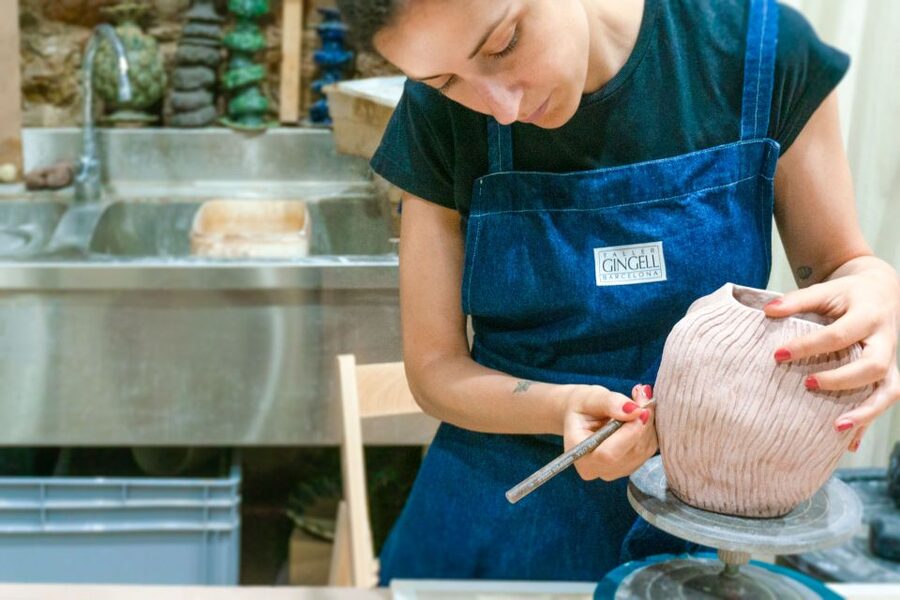
This is one of the practical reasons the workshop is worth your time. You get options that match your travel reality.
After kiln firings and glazing, you can choose one of two take-home paths:
- Wait a few weeks until your planter or cup is ready for pickup, then retrieve it later.
- If you are leaving Barcelona or you cannot wait, you can leave your piece and pick up a finished one by Taller Gingell to take with you.
There’s also the shipping option if you want your item mailed to you. Shipping is not included in the price, but people mention it as a convenient option for international delivery.
One person notes that it takes around two weeks for mugs to be fired and glazed. The main takeaway is this: plan for a delay. If you want a souvenir for day one, pick the take-home finished piece option. If you can wait, the workshop version is often the most rewarding because it’s literally your handiwork.
Group Size, Language Support, And The Eric And Wendy Factor
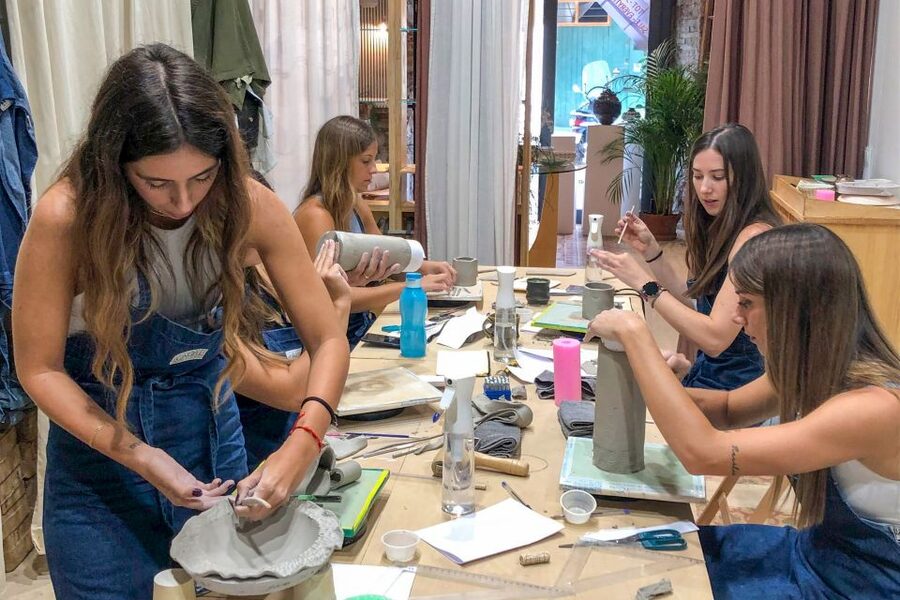
This class is limited to 8 participants. That small size changes everything.
You get more direct attention. You get more chances to correct mistakes early. You also get a calmer atmosphere, which makes learning way easier when your hands are covered in clay and your brain is still figuring it out.
The instructors are Eric and Wendy, and English and Spanish are supported. That bilingual comfort is a plus if you’re traveling solo or with friends who speak different languages. It’s also helpful if you want to ask questions without worrying you missed a key step.
People consistently describe the hosts as friendly and the teaching as clear. They also mention enough time to prepare your vase or piece, which reinforces that the workshop is not rushed.
If you’re the type of traveler who likes activities that feel hands-on but not stressful, this is a good fit.
Price And Value: What $51 Really Buys In Barcelona
At $51 per person for 2.5 hours, this is not a bargain workshop where you get a token craft and leave feeling underwhelmed. The value comes from what is included:
- Aprons
- Clay
- Ceramic modeling tools
- Kiln firings
- Glazing
You are paying for instruction and materials, but you are also paying for the studio steps that require space, equipment, and scheduling. Kiln firings and glazing are the big cost drivers in ceramics.
Shipping is the main extra expense if you want it delivered, and that’s normal since logistics vary by destination.
For Barcelona, where many activities cost more for less time at the activity, this price feels reasonable, especially if you care about bringing home something that is truly made by you.
Who This Workshop Fits Best (And Who Might Want Another Option)
I think this works best if you want:
- A calm, hands-on activity that focuses on doing
- A beginner-friendly way to learn ceramic technique, not just make something
- A unique souvenir that looks like art, not like a mass-produced trinket
You’ll also enjoy it if you like small classes and want direct feedback.
You might not love it if:
- You need a finished item immediately the same day
- You only want a short taster and are not comfortable waiting for firing and glazing
- You’re traveling with kids under 12, since the workshop is not suitable for them
Wheelchair accessibility is noted, which is a positive point for anyone planning mobility needs.
A Practical Tip: How To Get The Best Result
Ceramics rewards patience. Even though the workshop is only 2.5 hours, your piece goes through stages after you leave. So do two things during the session:
First, ask for technique feedback early. If you want your cup or planter to look right later, small corrections early matter.
Second, lean into texture and decoration. That’s where your personality shows up quickly. And because glazing and firing happen afterward, the studio’s process helps your surface ideas become something that looks finished.
Also, wear clothes you don’t mind getting messy. You’ll have an apron, but clay has a way of finding the tiniest gaps.
Should You Book Taller Gingell’s Ceramic Cup Or Vase Workshop?
Yes, if you want a hands-on craft workshop with real instruction and a studio-managed finish. The strong points are the small group size, the clear guidance from Eric and Wendy, and the fact that kiln firings and glazing are included. That combination is what makes the experience feel worth your time and money.
Book it if you’re willing to plan for a delayed take-home, since your piece is fired and glazed after the workshop. If you can’t wait, choose the option that lets you pick up a finished item to take with you.
If you want a simple souvenir for the same day, you may feel the waiting part more. But if you enjoy learning, shaping, and creating something personal, this workshop is exactly the kind of Barcelona experience that sticks, even after the clay is long gone.
FAQ
How long is the ceramic workshop?
The workshop lasts 2.5 hours.
What can I make in the workshop?
You can create a ceramic planter or a cup, then personalize it with texture and decorations.
Do I need prior experience with ceramics?
No. The workshop is designed for beginners with no prior experience required.
When will my ceramic be ready to take home?
After the workshop, your piece needs kiln firings and glazing. You can pick it up after it is ready a few weeks later, or arrange for shipping. One note from an experience says it takes around two weeks for firing and glazing on mugs.
Is shipping included in the price?
No. Shipping is not included, if you want it.
What languages are used during the workshop?
Instruction is available in English and Spanish.
Where is the meeting point?
The workshop meets at Taller Gingell, Salvà 71-69 in the Poble Sec neighborhood downtown Barcelona.
More Workshops & Classes in Barcelona



More Tour Reviews in Barcelona
Not for you? Here's more nearby things to do in Barcelona we have reviewed











More Barcelona City Tours worth opening.
 ★ 4.4Park Güell Admission TicketFrom $2576,534 reviews
 ★ 4.7Casa Batlló Entry with Self-Audioguide TourFrom $3425,359 reviews
 ★ 4.424 or 48-Hour Hop-On Hop-Off Bus TourFrom $3920,872 reviews
 ★ 4.7Park Guell Guided Tour with Skip The Line EntryFrom $3117,563 reviews
 ★ 5.0Barcelona in 1 Day: Sagrada Familia, Park Guell,Old Town & PickupFrom $12013,541 reviews
 ★ 4.3Barcelona Aquarium: Entry TicketFrom $3113,335 reviews
 ★ 4.8Sagrada Familia Skip-the-Line Entry Ticket & TourFrom $6712,789 reviews
 ★ 4.4FC Barcelona Museum “Barça Immersive Tour” TicketFrom $3510,944 reviews
Continue by place or experience