
REVIEW · WORKSHOPS
Master Moroccan Tajine Hands On Workshop
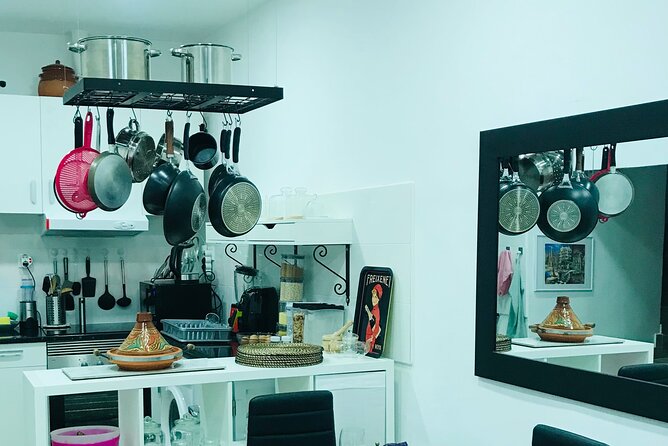
Tajine takes time, and so does the fun. This hands-on Moroccan cooking workshop in Barcelona takes you from Mercat de la Boqueria to Hana’s modern kitchen in the Raval area, where you’ll shop for ingredients and learn the steps behind a classic tajine meal. You get practical guidance, an all-in meal, and the satisfaction of cooking the whole thing yourself.
I love two things most: first, the focus on real technique, not just watching. You’ll build the tajine, then work through sides like couscous and harira soup. Second, the format is small, with a maximum of 4 travelers, so Hana can give you direct attention as you cook.
One consideration: it is not a budget food experience, and it depends on you being able to get yourself to the meeting point on the Rambla. Also, since the tajine cooks slowly (about 3 hours on the slow setting), you’ll be in “kitchen mode” for the full session.
Key highlights you will actually care about
- La Boqueria shopping, with a practical ingredient plan before you cook
- Hands-on tajine building that starts the slow-cook process
- A full Moroccan menu, not a token taste, with couscous, soup, breads, and desserts
- Small group size (max 4) for more time with the host and the tools
- Printed recipes included, so you can recreate the meal at home
- Vegan option available, and other restrictions can be accommodated with notice
From La Boqueria to Raval, a very doable food route
This workshop works because the day has two clear phases. You start at Rambla de Sant Josep in Ciutat Vella, at 11:00 am, and you return there when the experience ends. The big idea is simple: buy ingredients while you’re still fresh on the market streets, then cook in a kitchen setup that actually makes sense for Moroccan food.
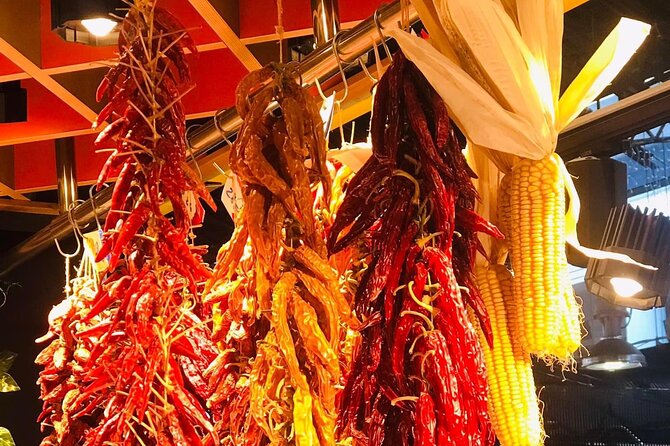
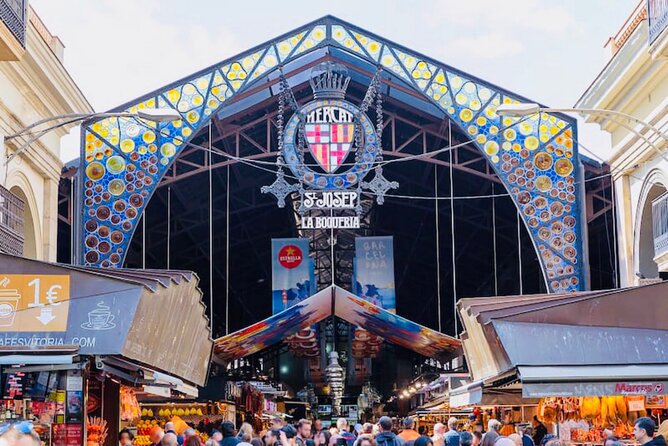
La Boqueria is famous for a reason. You’ll get to sample the rhythm of the stalls and learn what kinds of ingredients matter for a tajine meal, including spices and key produce. Then, instead of trying to cram cooking into a loud, cramped tourist corner, you head to Hana’s modern workshop kitchen in the colorful, multicultural Raval neighborhood in Old Town.
If you travel on a holiday when La Boqueria is closed, the plan adjusts. You’ll still go shopping, just at local shops instead, so you’re not stuck staring at closed doors and wondering what happens next. You also carry a mobile ticket, and the host keeps the session running in English.
More Barcelona tours and experiences for the shortlist


The tajine process, from building to slow-cooking time
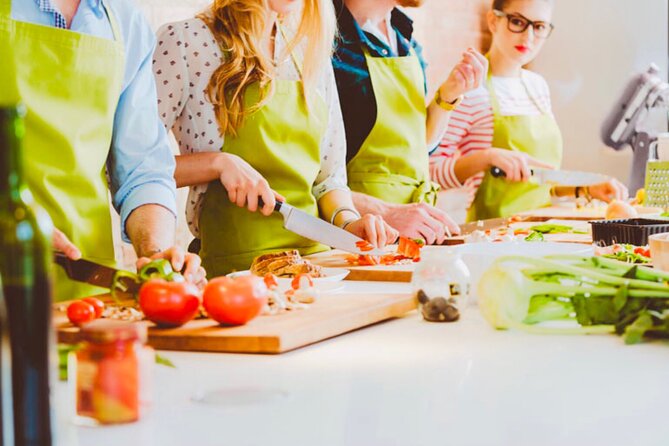
The tajine is the star, and the experience teaches you why tajines take patience. The session begins with building your tajine because it takes about 3 hours to cook on a slow setting. That means you do not just add ingredients and walk away. You set it up, then you work on the rest of the menu while the tajine cooks low and slow.
You’ll learn to think in layers, which is a big shift if you usually cook quick weeknight meals. Moroccan tajine flavors rely on mixing sweetness and savory, and you’ll see that in the menu options, like chicken with yams, peppers, dates, and apricots. You’ll also have a choice of chicken or lamb depending on the session, and that choice affects the vibe of the final plate.
One practical benefit of starting the tajine early: you can focus on the other components without rushing. While your tajine works its magic, you’ll prepare caramelized onions, couscous, and harira soup. When it’s finally time to eat, everything is timed to come together.
Couscous, harira soup, and the parts you can recreate later
This is not just about the tajine pot. The workshop is built around a full Moroccan spread, and you’ll actively participate in multiple dishes.
Steamed couscous with spices
You’ll make steamed couscous using a couscousier, which is the traditional setup for cooking couscous in stages. The lesson here is about texture and timing. Even if you’ve cooked couscous before, you’ll likely notice how the process changes when you use the real equipment and the classic method.
Harira soup
Harira is one of those dishes that feels like comfort food, but with Moroccan personality. You’ll make the soup during the workshop, so you learn how the flavors work together as they simmer. It’s also a great “bridge” dish in a class because you can taste your progress while other parts cook.





Caramelized onions with raisins
Caramelized onions sound simple until you actually cook them. This course has you working with a long-simmer style that turns sharp onion flavor into something sweet and deep. The menu includes caramelized onions with raisins, which helps explain why Moroccan meals often balance sweet fruit with savory main dishes.
Starter breads and hummus
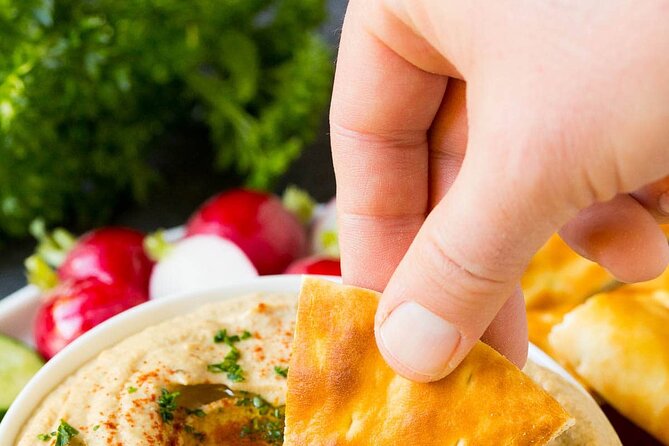
You’ll also make a Moroccan harsha bread, a fried semolina bread. And there’s hummus in the starter lineup. These dishes matter because they show you how Moroccan meals get their character from everyday ingredients. They’re not complicated in theory, but the technique changes everything.
Dessert and Moroccan tea, finishing like you were hosted
By the time your tajine is ready, you sit down to enjoy the meal you helped make. This part matters more than it sounds. Cooking lessons that rush the eating time leave you too tired to appreciate the flavors and the work behind them.
Dessert comes with a two-part finish. You’ll make mahalabia, a milk pudding served with nuts, berries, and honey. Then you’ll have Moroccan tea with pastries. The tea is included, along with lunch and coffee and/or tea, so you’re not paying extra to try the full experience.
One small but real advantage here is the whole meal is connected. Sweet, spiced, and savory notes land in a way that feels planned, not random. If you like to understand food as a system, not just a recipe, this part clicks.
What’s included, and what you should plan for
The workshop includes lunch, coffee and/or tea, all food and beverages, and cooking equipment. Printed recipes with instructions for each dish are included too, which is a big deal for value because it turns the class into a take-home reference.
What is not included is private transportation. So you should plan to reach the meeting point yourself. The good news: the meeting area is near public transportation, and the host notes service animals are allowed.
Also, the workshop can accommodate vegan options, and vegetarian or gluten free needs can be met with proper notice. If you have food allergies, you should mention them in advance because the class explicitly asks you to note dietary needs.
Price and value: is $195.27 worth it?
At $195.27 per person for about 3 hours and 15 minutes, this is a mid-to-higher priced food experience. The key question is what you’re really buying.
You’re not paying for a short demo. You’re paying for a full hands-on cooking session that includes:
- market shopping for ingredients
- a slow-cooked tajine process that takes real time
- multiple dishes, including soup, couscous, breads, and dessert
- lunch plus drinks
- cooking equipment and ingredients
- printed recipes you can use again
You’re also paying for the human factor. This is capped at a maximum group size of 4, so the host can guide you closely. In practice, that means less standing around, more actual hands-on work with tools and techniques, and less time waiting for someone to notice you need a spice.
If you’re traveling with someone who loves food and wants something more than a restaurant meal, the value usually feels solid. If you only want a quick taste, you’ll probably feel the price more.
Timing and how the slow tajine shapes the whole experience
The schedule is built around the tajine’s slow cook time. That explains why the class is longer than many short tastings. You’ll start at 11:00 am, build the tajine first, then shift into cooking the sides and starters while it cooks.
This timing also shapes your expectations. You should not plan to run off immediately afterward to another activity that requires peak energy. You’ll be standing, chopping, and learning. The upside is that by the end, you get to sit down and enjoy a full meal rather than nibbling as you go.
There are also schedule notes for specific dates, with no tours on April 17, 18, 19, 20, and 21. If you’re traveling in that window, double-check available dates before you get excited.
Who should book this workshop, and who might skip it
This experience fits best if you want a deeper Moroccan meal than you’d get at a standard restaurant. It’s also a good match if you like learning technique, not just tasting outcomes. The menu hits classic dishes that many people order when they find them, but it teaches you how they come together.
It also works well for small groups. With only up to 4 people, you get more attention and a more personal kitchen atmosphere. One review detail stands out here: Hana’s home setup can accommodate a group of four, and the cooking becomes more focused on methods and tools rather than turning into a “watch and wait” session.
You might skip if:
- you want a low-cost activity
- you dislike spending hours in a kitchen without sightseeing breaks
- you don’t eat most of the menu, since lunch is built into the experience
Should you book this Moroccan Tajine workshop?
Yes, if you want a practical, hands-on Moroccan cooking session that starts with ingredient shopping and ends with a full meal you made yourself. The slow-cook tajine is the heart of it, and the side dishes and desserts help you understand the meal as a complete system, not a single recipe.
If you’re on the fence, here’s the quick test. Ask yourself: do I enjoy cooking, do I like learning through doing, and would I use the recipes again at home? If the answer is yes, this is a strong bet.
FAQ
What is the duration of the Moroccan tajine hands-on workshop?
It’s approximately 3 hours and 15 minutes.
Where does the workshop start, and when does it end?
It starts at Rambla de Sant Josep, Ciutat Vella, 08001 Barcelona, Spain at 11:00 am and ends back at the meeting point.
Is the workshop offered in English?
Yes, it is offered in English.
What is included in the price?
The price includes lunch, coffee and/or tea, all food and beverages, and cooking equipment.
Is there a vegan option?
Yes. Vegan options are available, and vegan, vegetarian, and gluten free other restrictions can be accommodated. Food allergies should be noted.
How many people are in a group?
The maximum group size is 4 travelers.
What happens if La Boqueria is closed?
If it is a holiday and La Boqueria is closed, you will visit several local shops to purchase ingredients.
Is transportation included?
Private transportation is not included.
Is there free cancellation?
Yes. Free cancellation is available up to 24 hours in advance for a full refund.
FAQ
Are there dates when the tour does not run?
There are no tours on April 17, 18, 19, 20, and 21.
More Workshops & Classes in Barcelona

More Tour Reviews in Barcelona



Not for you? Here's more nearby things to do in Barcelona we have reviewed








More Workshops worth opening.
 ★ 5.0Barcelona Paella Cooking Class with Market Visit, Tapas & SangriaFrom $1142,531 reviews
 ★ 4.7Cocktail Master Class by Mixologist with TapasFrom $48959 reviews
 ★ 4.9Paella Cooking Class with Market Visit and MoreFrom $95711 reviews
 ★ 5.0Paella Cooking Class with Professional Chef: Four Course DinnerFrom $211561 reviews
 ★ 5.0Barcelona Tango Lesson, where passion meets funFrom $33407 reviews
 ★ 4.9Half-Day Spanish Cooking Class & Boqueria Market TourFrom $117383 reviews
 ★ 5.0Ceramic Tiles Small Group Workshop in BarcelonaFrom $24336 reviews
 ★ 5.0Premium Paella Cooking Class & 10 Spanish TapasFrom $145312 reviews
Continue by place or experience