
REVIEW · BARCELONA CITY TOURS
La Boqueria Market and Paella Cooking Class in Barcelona
Food lessons start at La Boqueria. You’ll get market-to-kitchen Barcelona flavor, with a chef-guided stroll that turns sellers, spices, and Catalan food traditions into real context, then a hands-on cooking session where everyone gets involved. Two things I like a lot are the chance to taste 10 tapas with wine before you cook, and the fact that you cook the whole menu, not just watch. One thing to plan for: the kitchen is in a walk-up apartment, so there are multiple flights of stairs, which can be rough if you have mobility limits.
This is built for a small group (max 12, with a feel closer to 11), set in the historic center, and designed so you actually leave understanding how Spanish flavors come together. You’ll meet at Pl. Reial, walk along the classic Las Ramblas area, then head into La Boqueria and back to cook, eat, and compare notes with the people in your group. If you want a “food night out” that also feels educational, this hits that sweet spot.
Key things that make this experience work

- La Boqueria with a chef story angle, including seller anecdotes plus Catalan gastronomy background
- Everyone cooks, including paella (typically for every 2 to 3 people) and other dishes
- 10 tapas tasting with wine, built like a guided lesson in Spanish flavors
- Historic apartment setting, described as an 18th-century Catalan aristocracy home, renovated for class use
- Menu flexibility, including vegetarian, vegan, and gluten-free adaptations
- A dinner-style finish at an Imperial table, so you eat what you made like it matters
From Pl. Reial to Las Ramblas: the start that sets the mood
The experience begins at Pl. Reial, right in Ciutat Vella, the older core of Barcelona. That meeting spot is handy because it puts you near the action without needing a complicated commute, and it also makes the first part feel like the city is pulling you into the meal.
Right after you gather, you head toward the Las Ramblas area. This is not the main course of the day, but it matters. A short walk like this helps you get your bearings fast, and it also keeps the pace from jumping straight into a crowded market shock. Think of it as warming up your senses and getting everyone together before you split into the smaller rhythm you’ll use inside the market.
Practical tip: wear shoes you can stand in. Even before you reach La Boqueria, Barcelona’s center tends to be a mix of sidewalk flow and bottlenecks, and your group will move in a compact cluster for the best experience.
You can also read our reviews of more shopping tours in Barcelona
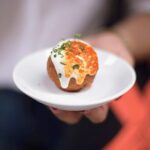
Mercat de la Boqueria: more than a tourist stop
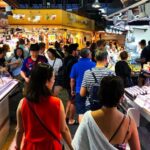
La Boqueria Market is famous for a reason. The seafood, the color, the aromas, the sheer amount of choice, it all hits you at once. What makes this stop special is how it’s framed. Instead of being a quick walk-and-point, it’s guided with a chef perspective, including explanations tied to the history of Catalan gastronomy and what you’re seeing from the sellers’ point of view.
You’ll also get tastings as part of the overall food flow, and that tasting rhythm helps you connect what you’re smelling and noticing with what ends up on your plate later. A big plus here is that you’re not just learning words. You’re learning what choices taste like, how certain ingredients behave in Spanish cooking, and why market quality matters for dishes like paella.
One real consideration: La Boqueria can feel crowded. If your group gets compressed, it can be a little harder to see everything at once. My advice is simple, move with your chef guide’s pace, keep your eye on the group center, and save any extra market browsing for after the official part.
The 18th-century apartment kitchen: why the setting matters
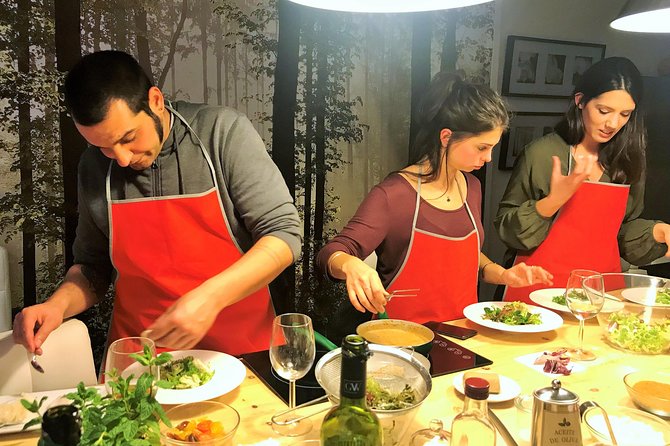
After the market, you head to the cooking location, described as an 18th-century apartment associated with a Catalan aristocracy family, renovated while keeping its character. That setting is more than décor. It changes the whole feel from casual show to proper workshop.
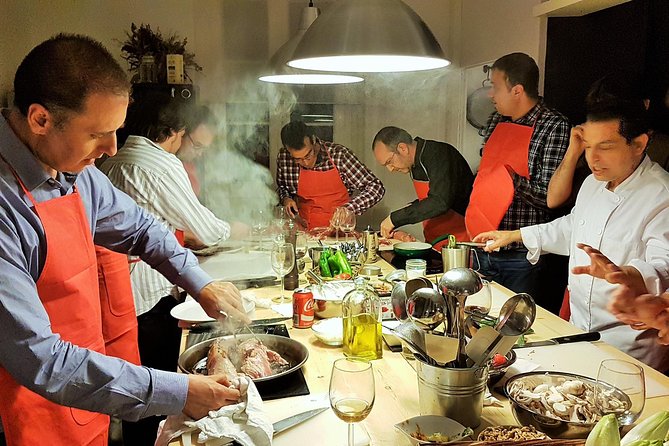
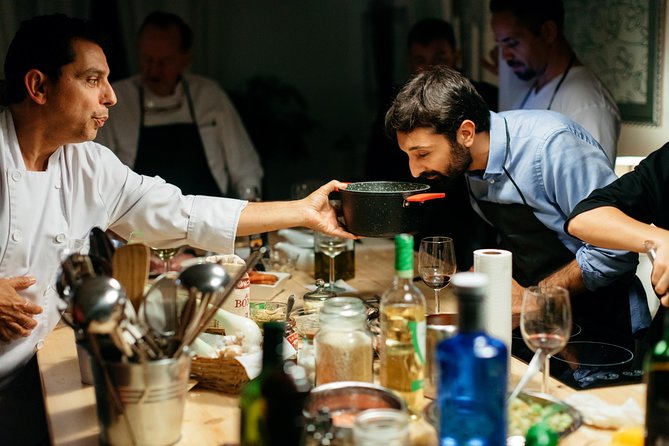
The kitchen experience is set up so that each participant is involved. This is key. Cooking classes often turn into “watch the chef, clap at the end.” Here, the process is structured so you participate, with the chef and an assistant guiding hands-on steps. That’s why people consistently talk about the class as practical, not just entertaining.
There’s also an important physical detail: there are three flights of stairs to reach the apartment. If stairs are an issue for you, plan accordingly. Go at your own pace during the climb, and consider telling your guide right away if you need a slower route or extra time.
When food is ready, it’s served at an Imperial table format. That means you eat together in a more dinner-party style, not in separate corners. It makes the meal feel like the point of the workshop, not a side effect.
Tapas with wine: the best warm-up before you cook
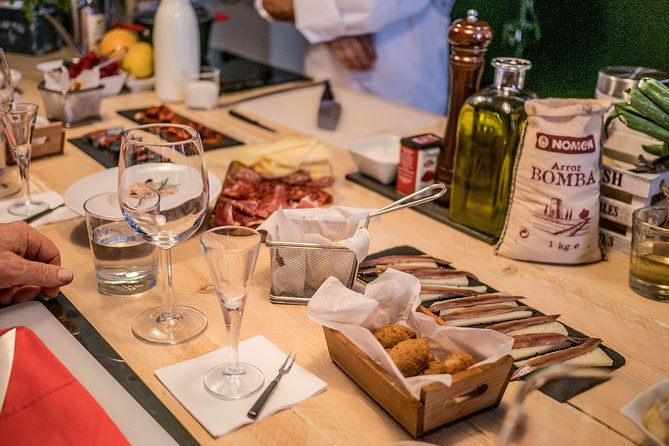
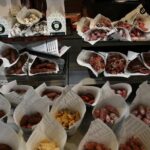
Before the main cooking begins, you’ll have a 10-tapas tasting paired with local wines, along with explanations that connect the tapas to Spanish gastronomy. This part is valuable because tapas are how Spain teaches flavor in small, repeatable lessons. You taste a range of textures and sauces, then you see how those building blocks show up again in classic dishes.
The menu examples include:
- Brava potatoes with sauces
- Assorted iberian sausages
- Andalusian fish
- Prawns to garlic
- Traditional croquettes
- Manchego cheese
- Cantabrian anchovies
- Mussels with sauce
- Octopus a feira
- And yes, another round of Catalan cream with berries appears in the tasting flow as well
The wine pairing is not random. It’s explained as part of the learning. Even if you don’t consider yourself a wine person, this helps you notice what wine is doing, like balancing salt, lifting spice, or cooling richness.
Age note: there’s a minimum drinking age of 18. If you’re traveling with family and some people are under 18, confirm how the wine tasting is handled for minors, since the program is described with that age requirement.
Cooking the full menu: paella, omelette, and crema catalana
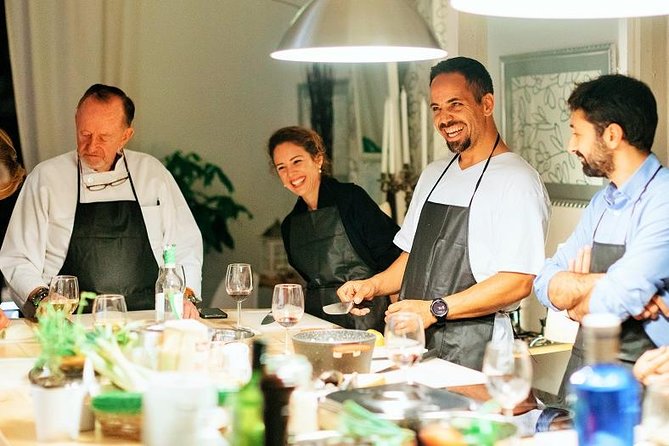
The cooking workshop is structured around a full menu, not a single dish. Everyone cooks the dishes on the menu, guided by the chef and his assistant. As an example, paella is cooked for every 2 to 3 people, which is a smart size. You get hands-on responsibility without needing to crowd around one giant pan as a group of twelve.
More Barcelona tours and experiences for the shortlist
Seafood paella or vegetarian paella
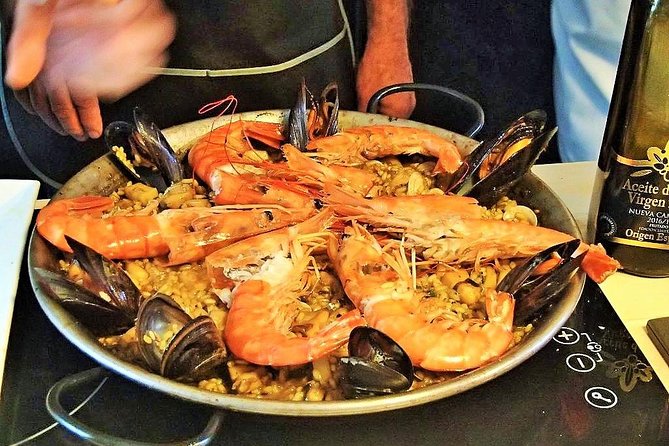
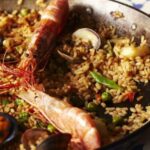
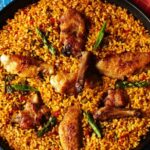
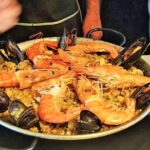
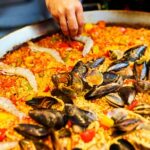
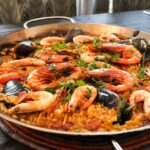
Your main dish is a paella that’s either seafood or vegetarian, depending on the option and your dietary needs. Either way, the focus stays on classic method and ingredient logic. Paella can seem mysterious until you’re standing there with the pan and being guided through the steps. The class approach makes paella feel repeatable, not like something locked behind restaurant walls.
If you’re vegetarian, you’ll still get the full meal context. One of the reasons people love this class is that it doesn’t treat dietary needs as an afterthought.
Spanish omelette
The Spanish omelette is the second main cooking component. This is a dish that often gets misunderstood at home. The class format helps you learn what matters most, like how eggs set, how you handle temperature and timing, and how you think about texture.
Catalan cream for dessert
For dessert, you’ll make crema catalana with berries. Even if you’ve had crema before, cooking it yourself changes your understanding. You see what makes it set, why it’s finished the way it is, and how sweetness and acidity from berries can play together.
How the pairing of market learning and cooking pays off
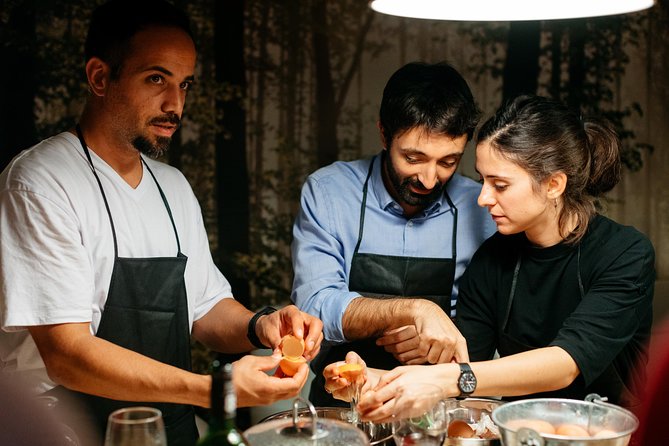
The genius of a market plus cooking format is that it links choices to outcomes. You see ingredients in a market setting, then you handle them later in the kitchen. That makes the lessons stick because you’re connecting smells, cuts, and quality to the final dish.
It also helps you understand Catalan and Spanish food in a more practical way. Market stories about sellers and traditions aren’t just trivia. They explain why certain ingredients are treated differently in regional cooking. And because you taste tapas with wine first, your brain is already calibrated for flavor contrasts by the time you start cooking.
If you like the idea of leaving with more than a full stomach, this structure delivers. You can taste and cook your way into understanding why Spanish meals use so many small, punchy components instead of just one heavy centerpiece.
Who this class suits best (and who should think twice)
This is a strong fit for:
- Food lovers who want a hands-on meal, not just a guided tour
- First-timers in Barcelona who want a focused, central experience that explains local eating culture
- Families traveling together, since the class is interactive and can keep younger teens engaged with active cooking steps
- Anyone who wants a social evening with a small group, with time to talk and compare ideas after cooking
You might want to think twice if:
- You have difficulty with stairs. The location involves multiple flights up
- You’re expecting a flexible schedule with lots of free time in the market. The program is timed, and the official market walk is part of the structure
- You want written recipes handed over automatically. Some participants reported missing recipe delivery after the fact, so it’s smart to ask your host how recipe access works for your group
Price and value: what you’re paying for
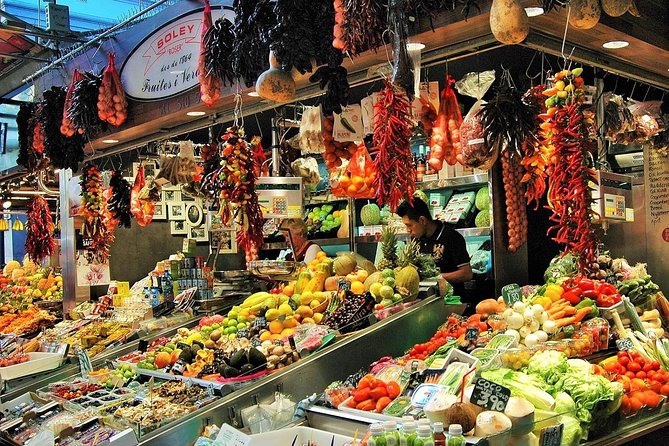
At $145.18 per person for about 4 hours, you’re paying for a bundle: market time, tastings, wine pairing, guided cooking, and the full sit-down meal with drinks and coffee. For Barcelona, that can represent good value if you compare it to doing these pieces separately.
The real value driver is participation. You don’t just get fed. You cook the menu, then you eat what you made, in a historic setting. Add in the zero-kilometer approach mentioned in the class description, plus the small group size (max 12), and the price starts making more sense. Smaller groups are often the difference between useful guidance and feeling lost in a crowd.
If you’re trying to book a memorable food experience without turning your night into a patchwork of reservations, this is one of the cleaner ways to do it.
Small practical tips to make your night smoother
- Bring comfy shoes for standing and the walk through a crowded market
- Plan for stairs once you’re headed to the apartment kitchen
- If you have dietary needs, send them in when booking so the menu can be adapted (vegetarian, vegan, and gluten-free are supported)
- Ask how recipe sharing works for your group, just so you leave with what you expect
- If you drink wine, pace yourself. The day includes a tasting before you cook, so you’ll want to stay comfortable in the kitchen
Should you book this class?
I’d book it if you want a small-group, chef-led Barcelona food experience that goes beyond eating. The combo of La Boqueria market context plus actually cooking seafood or vegetarian paella, Spanish omelette, and crema catalana is a strong payoff. The historic apartment setting makes it feel special, and the Imperial table meal style turns the class into a real dinner.
I’d skip or choose an alternative if stairs are a problem for you, or if you want maximum free time roaming the market on your own. But for most people who like food, cooking, and a guided cultural slice of Barcelona in a few focused hours, this one is an easy yes.
FAQ
How long is the La Boqueria and paella cooking class?
It runs for about 4 hours.
What is the price per person?
The price is $145.18 per person.
What’s included in the experience?
You get a La Boqueria market visit with the chef or assistant, a tasting of 10 tapas with wine and explanations, and a cooking class where you prepare a full menu. Drinks and coffees are served with the meal.
Can the menu be adapted for dietary needs?
Yes. The menu can be adapted for vegetarian, vegan, gluten-free, and other dietary requirements if you advise them at booking.
Where do we meet, and do I need hotel pickup?
You meet at Pl. Reial, 3, Ciutat Vella, 08002 Barcelona, Spain. Hotel pickup and drop-off are not included, and the meeting area is near public transportation.
Is there an age limit for the wine tasting?
Yes. The minimum drinking age is 18 years.
More Markets in Barcelona
More Shopping Tours in Barcelona
More Tour Reviews in Barcelona
Not for you? Here's more nearby things to do in Barcelona we have reviewed





More Barcelona City Tours worth opening.
 ★ 4.4Park Güell Admission TicketFrom $2576,534 reviews
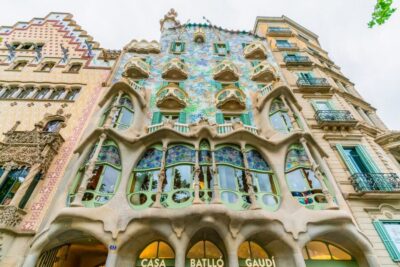 ★ 4.7Casa Batlló Entry with Self-Audioguide TourFrom $3425,359 reviews
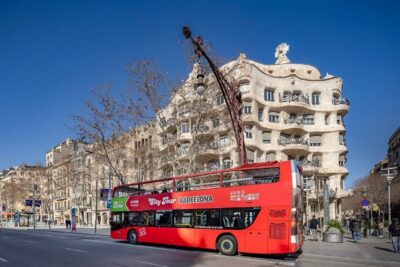 ★ 4.424 or 48-Hour Hop-On Hop-Off Bus TourFrom $3920,872 reviews
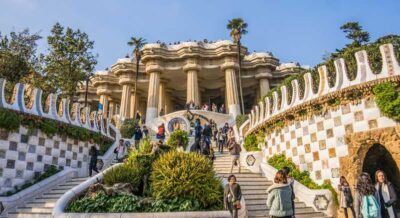 ★ 4.7Park Guell Guided Tour with Skip The Line EntryFrom $3117,563 reviews
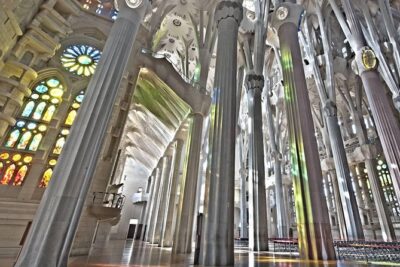 ★ 5.0Barcelona in 1 Day: Sagrada Familia, Park Guell,Old Town & PickupFrom $12013,541 reviews
 ★ 4.3Barcelona Aquarium: Entry TicketFrom $3113,335 reviews
 ★ 4.8Sagrada Familia Skip-the-Line Entry Ticket & TourFrom $6712,789 reviews
 ★ 4.4FC Barcelona Museum “Barça Immersive Tour” TicketFrom $3510,944 reviews
Continue by place or experience