REVIEW · BARCELONA
Via Ferrata Experience
Climbing over wire and water is surreal. This Barcelona via ferrata turns Catalonia’s mountains into an obstacle course style climb, with all safety gear supplied so you can focus on the moves and the views. You’re also set up with a guide and a clear plan that keeps the day moving, start to finish.
I love that it’s beginner-friendly without feeling watered down. The route is designed to be manageable for people at different experience levels, and you get the kind of coaching that helps you trust the system quickly. The small-group feel matters too, since this is a private tour with just your group, so you’re not waiting your turn for attention.
One consideration: it’s an 8 hour activity and lunch isn’t included, so you’ll want to plan your timing and energy. Also, it runs with good weather in mind, since via ferrata days can’t ignore wind and conditions.
Key Highlights You’ll Actually Feel on the Climb
- Private guide attention so questions and pacing stay in your lane, not a crowd’s
- Beginner-capable circuit that still includes classic via ferrata thrills like bridge sections and overhang moves
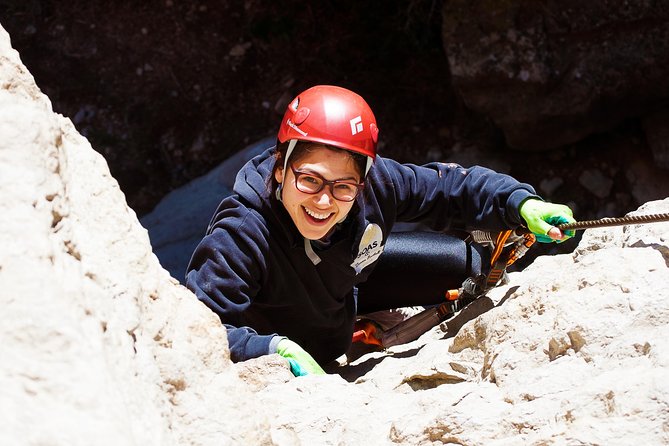
- All safety gear provided including harness, helmet, and gloves, plus the via ferrata kit
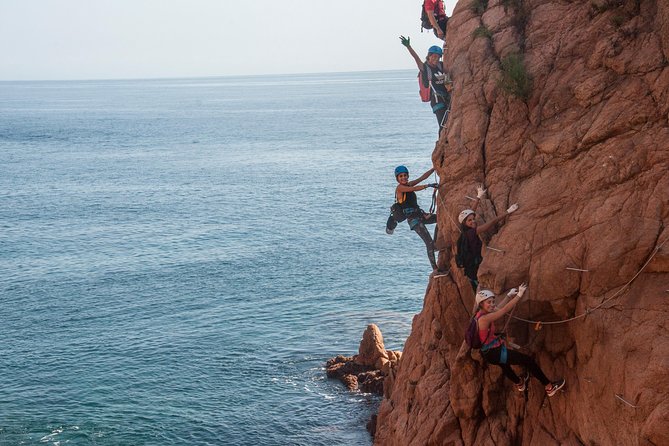
- Wire bridges and big-horizon moments, from bridge sections to dramatic lookouts
- Free photos to help you remember the day without scrambling for your own camera timing
- End-of-day terrace stop with a well-earned beer, before heading back
What a Barcelona Via Ferrata Day Really Feels Like
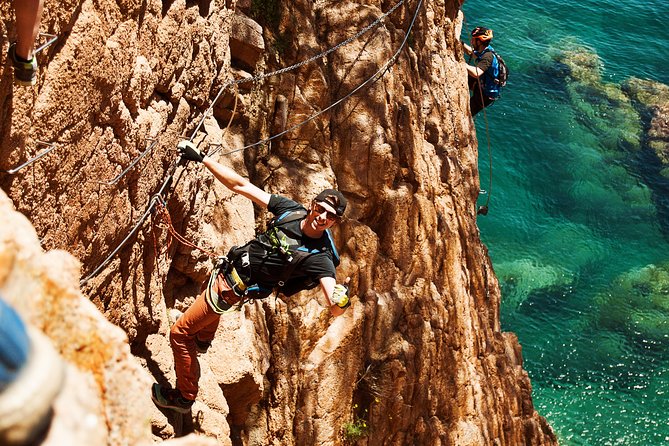
A via ferrata is not just hiking with views. It’s closer to a purpose-built obstacle course fixed to a mountain face, with metal steps, cables, and sections that force you to move with both hands and feet.
In this experience, you’ll climb rock cliffs, move through wire bridges, and work your way over rock features that can include shimmy-style segments and places that feel exposed. The description leans into how varied the physical challenges are, from gripping and edging to pulling over overhangs. That variety is one reason people love doing this in Catalonia rather than waiting for a multi-day climbing trip.
You also get a sense of how the day is framed: the guides help you treat each part like a puzzle. You don’t need to “be a climber” before you arrive, because the equipment system is part of what makes it doable. The goal is confidence and control, not just speed.
You can also read our reviews of more tours and experiences in Barcelona.
The 9am Meet Point and the Drive That Sets the Tone
You start in Barcelona at 9:00 am at Calle de Judea, C. de Judea, Horta-Guinardó, 08035 Barcelona, Spain. From there, you’ll head to the venue by private transportation, which matters more than it sounds. It saves your energy for the climb and keeps the morning from turning into a puzzle of tickets and directions.
When you reach the venue, your guide briefs you on the gear and what to expect. That initial talk is the difference between feeling like you’re “learning safety” and feeling like you know exactly how the day will flow. You’ll get instructions on how to use the harness and system before you commit to the first steps on the route.
The day is set up to keep momentum. After the climb, you return around 7:00 pm, and the activity ends back at the meeting point. That predictability is useful if you want to avoid a late-night scramble in Barcelona after an active day.
Safety Gear You Get to Rely On (Harness, Helmet, Gloves)
This experience supplies the core via ferrata kit: harness, helmet, via ferrata equipment, and gloves. That’s a big value point for two reasons.
First, you don’t have to rent gear or worry about whether you’re bringing the right items. Second, fit matters, and the experience provides the gear so you’re using what the guide expects for the route. Even if you’re new, that takes stress off your plate.
The route can include bridge-style sections and exposed movement, which is exactly why the system matters. With a harness, helmet, and gloves in place, you can focus on body positioning and steady movement. And because it’s private, your guide can watch your technique from the start and adjust your approach as you go.
A note on fitness: the experience calls for moderate physical fitness. That doesn’t mean you need to be athletic in a gym sense, but you should be comfortable with a full day of active movement and climbing-style scrambling.
The Route: Bridges, Overhangs, and Those Freeze-Frame Views
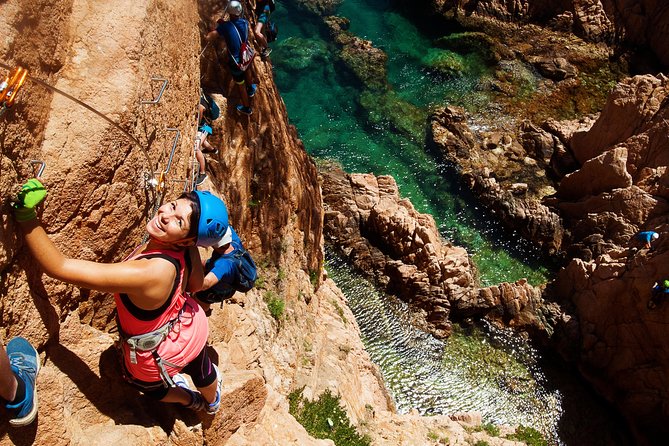
What makes via ferrata special is how quickly you go from “standing on the ground” to “moving on the mountain wall.” In this adventure, you’ll work through the kind of segments people remember: climbing over rock, then shifting into wire bridge travel and sections that require your balance and confidence.
The description includes nepalese and tibetan bridge wording, which is the classic via ferrata vibe: you’re attached to the system and moving across a suspended bridge with wide-open views. That combination is part adrenaline, part problem-solving, because you can feel the movement under your feet while you stay anchored.
You’ll also encounter rock sections that call for technique. Pulling over overhangs and edging along cliff faces is different from walking a trail. It’s more like you’re learning a movement language, using the cable and steps correctly so you don’t fight the route.
One of the best pieces of feedback tied to this tour is how guides pick a spot with incredible views and make the day feel unforgettable. One guide name you may hear is Sam, mentioned as friendly and great. That matters because good coaching keeps you calm when a section feels intimidating, and calm is what lets you enjoy it.
And yes, the visuals are part of the payoff. The experience description references Mediterranean water near the cliffs and also the Pyrenees context, so you can expect those “wow” horizons rather than just rock and cables all day.
Private Transportation, Group Discounts, and the Value of What’s Included
Let’s talk about money, in a way that helps you decide.
The price is $82.84 per person for an 8 hour day. That can sound simple until you look at what’s included. You’re getting guide time, private transportation, all safety gear, and photography, which means you’re paying for more than a ticket to a route. You’re paying for logistics and equipment that support a first-time experience.
A key value factor is how many things this tour covers upfront. Instead of coordinating gear, transportation, and photo plans yourself, you roll into a guided day where the equipment is handled and the safety briefing happens early. The photos are also a tangible bonus. It’s not the kind of activity where you can stop to think about camera settings, so getting photos as part of the package helps you keep memories without turning your hands into an amateur videographer.
You may also see group discounts offered, and the tour uses mobile tickets, which usually makes check-in easier on travel days. It’s also offered in English, which helps if you want clear instruction and not just safety gestures and guessing.
Possible drawback on value: lunch isn’t included. If you’re already budgeting for food, factor that into your total day cost. Also, because it’s an 8-hour activity, you’re buying a full chunk of your day, not a quick half-day adrenaline hit.


What the Day Looks Like, From Briefing to Terrace Beer
Here’s the flow in plain terms.
You meet at 9:00 am in Horta-Guinardó, then ride to the venue with your guide. The guide briefing sets you up on how to use the equipment and what you’ll do through the circuit. That is when your mental checklist clicks, because you understand how you’ll clip in, move, and progress.
Then you climb. The experience is described as an obstacle course on a mountain, with scrambling, gripping, and bridge segments that demand controlled movement. A big reason people rate it highly is that it feels fun and learnable, not just scary. The guide’s job is to help you keep steady technique so you can enjoy the segment instead of stressing through it.
After the via ferrata, you finish with a well-earned beer on a local terrace before heading back to Barcelona. That end-of-day touch is more than a detail. It’s a good way to decompress, compare photos, and let your legs realize it’s over.
You return around 7:00 pm, and the tour ends back at the meeting point. That schedule makes it easier to plan a dinner after, without worrying you’ll be stuck commuting late.
Photos, Memories, and Why You’ll Thank Yourself Later
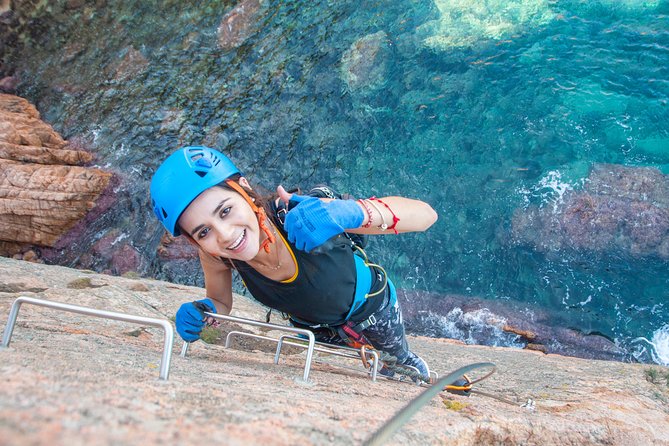
This tour includes photography and free photos to remember your experience. For via ferrata, that’s not a small add-on. If you’re concentrating on foot placement, cable handling, and balance, you’re not also holding a camera and capturing the moment.
Having photos included means you get proof of your progress and your best “I can’t believe I did that” shots. It also helps you focus on the experience itself during the climb. You’re less likely to rush or take unnecessary risks just to get a photo angle.
There’s also something psychological about being guided during the climb and then seeing results. It turns the day from “a blur of metal and rock” into a sequence you can relive. If you’re traveling with friends or family, shared photos tend to do more than souvenirs ever will, because they show the actual effort.
Who This Via Ferrata in Barcelona Is Best For
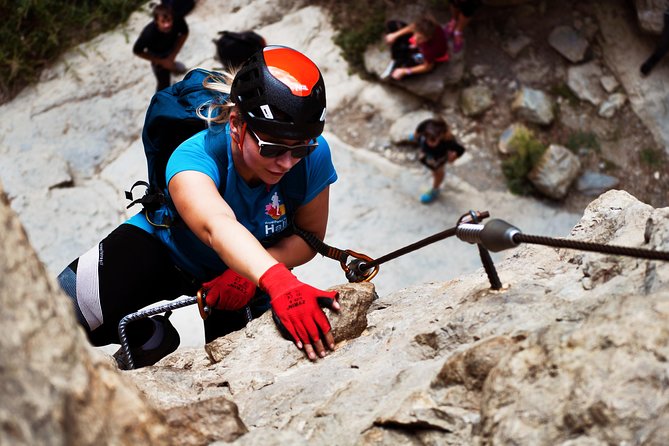
This is a great fit if you want an authentic mountain adventure without needing advanced climbing background. The experience is described as suitable for climbers of all levels, including beginners, and the route is described as adequate for first-timers.
It’s also a good choice if you like structure. Your guide briefs you, provides gear, and keeps you moving through the circuit. If you get nervous when you try something technical on your own, the guidance is the safety net that lets you participate confidently.
You might especially like it if you’re traveling in a small group and want a private tour. The guide keeps full attention on your group, which is ideal for questions, pacing, and adjusting technique. It’s also a solid option for people who want to see Catalonia’s mountains from a different angle than just viewpoints.
Keep your expectations realistic. This is physical. It’s not a stroll. You should be ready for climbing-style movement and an 8-hour commitment, and you should plan for no lunch during that time.
A Quick, Practical Checklist Before You Go
Based on what the experience provides and what it doesn’t, here’s what to keep in mind.
The tour supplies the climbing essentials: harness, helmet, via ferrata equipment, and gloves. So you can travel light on gear.
But you should prepare your day around the active schedule. Since lunch isn’t included, plan food before or after. Also, because it requires good weather, make sure your schedule can flex a bit if you get offered a different date due to conditions.
Finally, come with a mindset that says you’re here to learn. Via ferrata is safe when done correctly, but it still rewards patience. If you treat each segment as a step-by-step task, the day becomes more fun and less stressful.
Should You Book This Barcelona Via Ferrata Experience?
I think this is an easy yes for the right kind of traveler.
Book it if you want a beginner-friendly via ferrata, strong coaching, and a day that ends with a relaxed terrace moment back in Barcelona life. The value is helped by what’s included: gear, private transportation, guide support, and photos for a reasonable per-person price.
Pass or reconsider if you know you struggle with long active days, or if you’re sensitive to weather dependencies. Also, if you need guaranteed meal coverage in the middle of the day, plan for it since lunch isn’t included.
If you’re looking for one memorable “I tried the real thing” mountain experience near Barcelona, this setup hits the sweet spot: structured, supportive, and built to get you onto the route with confidence.