
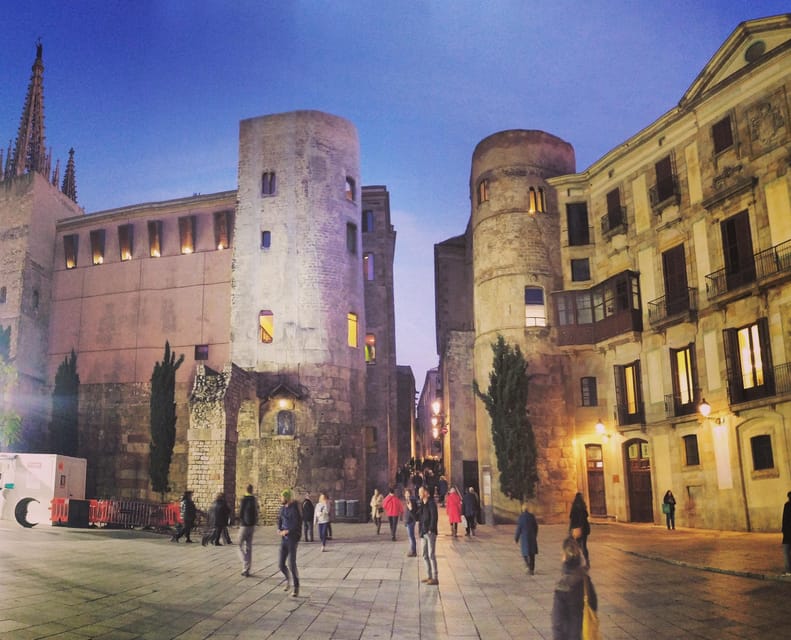
REVIEW · BARCELONA CITY TOURS
The Timeless Beauty of Barcelona’s Gothic and Born Quarters
Barcelona’s old streets do not whisper. This 2-hour walk strings together the Gothic Quarter and El Born with a local guide who trades timelines for stories, from Roman echoes to Catalan heroes.
I especially like two things. First, you get clear, relevant context at each stop, not random facts, and the guide takes the time to make sure you’re following along in English. Second, the pace feels made for photos and noticing details, like where legends lived right next to today’s tapas bars and medieval stonework.
One drawback to plan around: timing can vary. I saw a note where the tour felt closer to 1.5 hours than the stated 2 hours, so if you have a tight schedule, build in a buffer.
Key moments on this Gothic and El Born walk
- Luca BCN in English, one person leading, with a bookish storytelling style that connects landmarks to characters
- Roman Barcino in miniature at the Temple of Augustus stop
- Ancient Jewish Quarter focus, including the oldest synagogue in Europe as part of the story
- Heroes and resistance work through places like Placa Sant Felip Neri, tied to Catalan figures and civil war memory
- Cathedral del Mar finish, ending at Basílica de Santa Maria del Mar, linked to how the city honors ordinary people
A 2-Hour Walk Through Barcelona’s Layers of Time
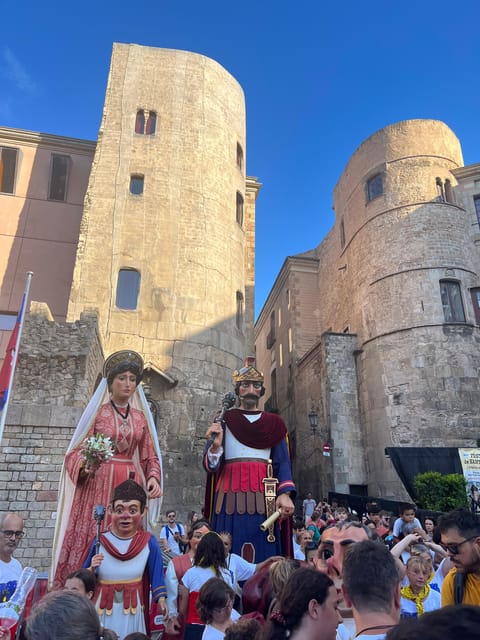
This tour is built around contrast, and that is why it works. In a short window, you move from medieval street grids into Roman-era traces, then over to El Born’s lived-in vibe. The guide does not just point, he explains how people used to move through the city, work, pray, and resist, and what that means for what you see today.
At $14 per person for 2 hours, the value is strong. You are paying for guided interpretation, not for entrance tickets or a bus ride. If you like getting your bearings fast and turning a pile of monuments into a coherent story, you will likely feel satisfied by the end.
Just remember it is a walking tour with moderate walking and narrow streets. That is part of the charm, and it also rules out wheelchair users and people with mobility impairments.
You can also read our reviews of more tours and experiences in Barcelona.
Meeting in the Right Place: Pl. de Sant Jaume and Starbucks
You start at Pl. de Sant Jaume, 3, and the meeting instruction is simple: meet the guide in front of Starbucks. Getting this right matters, because the Gothic Quarter is a maze, and you do not want to waste time hunting for your group.
If you are the kind of person who likes to arrive early, do it. You will walk a lot more comfortably when you do not start out stressed. Also, bring your camera out early, because the tour begins in one of Barcelona’s most central squares, a great place to orient yourself before the alleyways tighten up.
Luca BCN’s One-Man-Band Style: Stories First, Details Close Behind
This tour is run as a one-man show by Luca BCN. That usually means fewer handoffs, less waiting around, and a stronger sense of continuity from stop to stop. The guide describes his experience across Italy, London, Berlin, and Barcelona, and you can feel that in the way he frames Barcelona alongside wider European history.
Two things matter for your comfort here. One, the guide runs the walk in English, so you can relax and listen without working hard at translation. Two, the approach is story-driven. You will hear about city heroes and legends, including Santa Eulalia, San Jordi, Wilfred the Hairy, and el Caganer.
One thing to keep in mind based on customer feedback: the delivery can be loud and assertive. If you prefer a whisper-quiet tour, this might not be your cup of tea.
Gothic Quarter Section: From Narrow Streets to Big Meaning
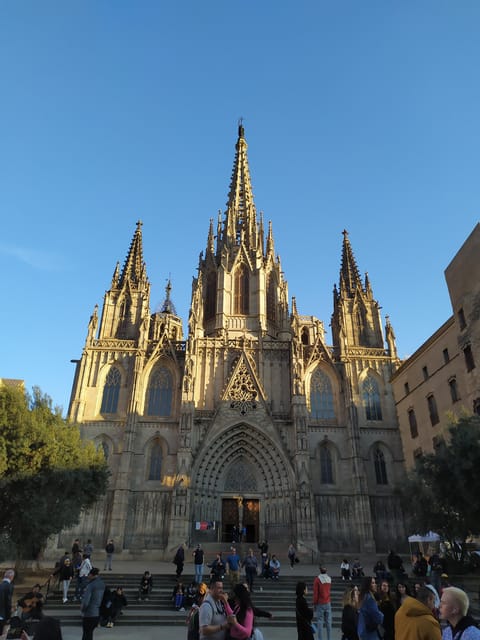
The Gothic Quarter is the kind of place where you can look at stone for hours and still miss the plot. This walk helps you read that stone by showing how the neighborhood evolved and how different communities left layers behind.
You start with a guided intro to the Gothic Quarter, then move into specific landmarks that anchor the story. The guide’s biggest job is to turn what could feel like a list of sights into a connected narrative about power, faith, and ordinary people.
And yes, this is where tapas bars and medieval architecture sit side by side. That mix is a huge part of why the area feels real and not staged.
Ancient Synagogue Stop: The Story of an Old Community
One of the most distinctive moments is the Ancient Synagogue stop. The tour frames it as part of the lost medieval Jewish Quarter and explicitly highlights the idea of the oldest synagogue in Europe.
Even if you do not know the history going in, you should leave understanding why this site matters in Barcelona’s religious timeline. It is not just about the building. It is about survival, memory, and how a city holds onto multiple pasts at once.
Practical note: this part of the walk rewards you for slowing down. Look up, notice the setting, and listen for how the guide connects the place to wider Catalan and European themes.


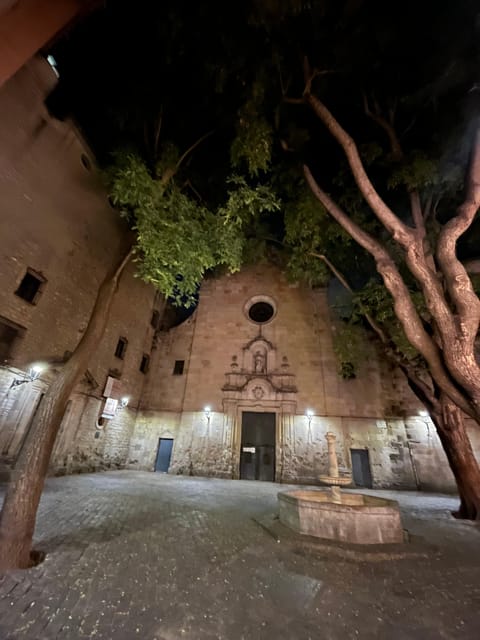
Placa Sant Felip Neri: Heroes, Legends, and Franco-Era Resistance
Next comes Placa Sant Felip Neri. Here, the tour adds political weight without turning into a lecture. You learn about Barcelona’s heroic resistance against Franco’s uprising during the civil war, which changes the way you look at the square.
This is also where the guide brings in cultural heroes and stories. Figures like Santa Eulalia and Wilfred the Hairy are not floating names. The guide ties them to the streets and symbols you see around you.
If you want history that sticks, this is the style that does it: you connect a place to people, and suddenly the stone stops feeling frozen.
Bishop’s Bridge: Small Detail, Good Payoff
Bishop’s Bridge is one of those stops that can be overlooked if you are rushing. On this tour, it gets a quick guided moment (and that matters). The guide uses short explanations to help you understand what you are looking at, and why this kind of structure fits the Gothic Quarter’s layout.
This is a good example of how the tour uses micro-stops to keep your attention. It gives your brain mini rest breaks while still feeding context.
Roman Barcelona Comes to Life at the Temple of Augustus
Then you hit the Temple of Augustus stop, and this is where the tour makes time feel physical. The guide connects the site to ancient Barcelona, including the Roman city of Barcino.
For many visitors, Barcelona feels purely medieval and modern. This stop counters that. You see how the city’s identity did not start in the Middle Ages, it layered over earlier power.
The Temple of Augustus stop is brief, but it is powerful because it changes your mental map. After this, you tend to look at the rest of the walk differently, noticing where earlier urban logic might have influenced later construction and street patterns.
Barcelona Cathedral Stop: Where Architecture Meets Shared Faith
At Barcelona Cathedral, the tour zooms in on why cathedrals become meeting points across centuries. The guide frames the space as a place locals used to gather, not just tourists to photograph.
You also get another chance to connect Barcelona’s religious and cultural identity to the stories you heard earlier. The tour’s logic is consistent: place equals people plus memory.
A practical tip: expect tight corners and crowds. Keep an eye on your belongings. Busy central streets can attract pickpockets, and nothing ruins a great walk faster than dealing with lost items.
Palau Reial Major and El Ribera Connection: Power and Daily Life
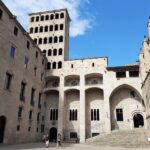
Palau Reial Major is a short stop (but useful). You get a quick, guided orientation that helps you understand the role of royal space in the medieval city.
Then the tour moves into Barri de La Ribera. This is where the walk’s tone shifts slightly from sacred sites to more lived-in urban rhythms. The Ribera area is known for its blend of tradition and today’s social life, and the guide uses that contrast to help you feel how the city works as a system.
If you like photos with context, this stretch is a strong one. You can capture the architecture, then listen to the guide explain what made these areas important before they became postcard-worthy.
Cathedrals for the People: Cathedral del Mar and Basílica de Santa Maria del Mar
The tour includes St. Mary of the Sea Cathedral, which is also tied to Cathedral del Mar in how it is discussed. The big idea the guide shares is that it became a spiritual people’s temple since the XIV century.
That detail matters. Some churches are built mainly for elite display. Here, the tour emphasizes the sense that ordinary people had a stake in the building’s meaning, which lines up with how you might feel when you stand in the space.
Then the walk finishes at Basílica de Santa Maria del Mar. The tour structure essentially leads you into that ending with gradual escalation of meaning, from Roman traces, to medieval faith, to civic and cultural memory.
If you want a satisfying ending point, this is a good one. You end at a major landmark right as the story reaches its clearest theme: Barcelona remembering who built its identity and why.
El Born District: Artisan Streets and Where the City Eats
After the cathedral area, you get into El Born. This is the bohemian-feeling section of the route, with charming little artisan shops and places for bars and restaurants.
The value here is not just the sights. It is the guide’s perspective on Catalan culture and what locals care about. You learn the city’s passions and their peculiarities in a way that makes today’s vibe easier to interpret.
El Born is also a good place to pause, because the energy in the streets makes you want to linger. Just keep your group momentum in mind, so you do not feel rushed.
Price and Timing: Is $14 Really Good Value?
At $14 per person for a 2-hour walking tour, the math is simple: you are paying for a local guide plus guided access to multiple high-impact areas, including the Gothic Quarter and El Born.
The best part is that you are not spending extra time on logistics. No hotel pickup or drop-off means you go directly into the neighborhood you came to see. Food and drinks are not included, which also helps you decide on your own pace once the tour ends.
The only caution I would give is pacing variability. A prior booking noted the tour ran shorter than expected. So do not schedule a critical reservation right after the tour. Give yourself a little breathing room to shop, use the bathroom, or grab a drink without panic.
What to Bring for Narrow Streets and Better Photos
The practical checklist is straightforward, and it matters in these neighborhoods.
Bring:
- Comfortable shoes
- Camera
- Sunscreen
- Water
Also plan for weather. The tour advice is to prepare for any conditions, with sunscreen and water for hot days, and a jacket or umbrella if it turns cooler or rainy.
Finally, keep your belongings close. The streets can get busy, and that means pickpockets can also get busy.
Who Should Book This Tour (and Who Should Skip It)
This tour fits best if you want a deeper, more grounded sense of Barcelona’s past and you care about how legends and real events shape modern streets. It is ideal for people who enjoy history that connects to culture, and for anyone who likes the Catalan angle, including heroes like San Jordi and Santa Eulalia.
It also suits photographers. You will cover plazas, cathedrals, and stone streets that look good at multiple angles, and the guide’s stop-by-stop framing helps you know what is worth photographing.
Skip it if:
- You cannot do moderate walking
- You use a wheelchair or have mobility impairments
The route depends on narrow historic streets, and the tour is not set up for that kind of movement.
Should You Book This Gothic and Born Walking Tour?
I would book it if you want an efficient, story-rich way to understand Barcelona’s layered identity, especially Roman traces, medieval faith, and Catalan legends. At $14 with a live English guide who focuses on clear explanations, it is strong value, and the finish at Basílica de Santa Maria del Mar gives you a meaningful end point.
If you dislike energetic guides, or you are very time-sensitive, build in slack and treat this as a flexible 2-hour experience rather than a rigid clockwork sprint. If that sounds fine, you will likely walk away feeling like you can finally read the city instead of just looking at it.
More Tour Reviews in Barcelona
Not for you? Here's more nearby things to do in Barcelona we have reviewed








More Barcelona City Tours worth opening.
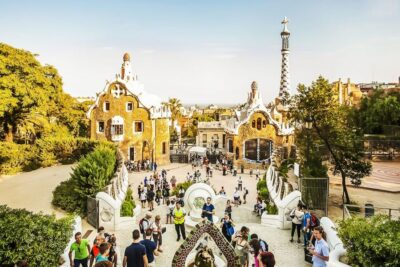 ★ 4.4Park Güell Admission TicketFrom $2576,534 reviews
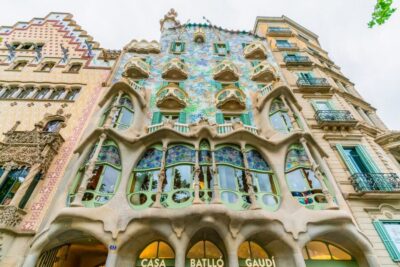 ★ 4.7Casa Batlló Entry with Self-Audioguide TourFrom $3425,359 reviews
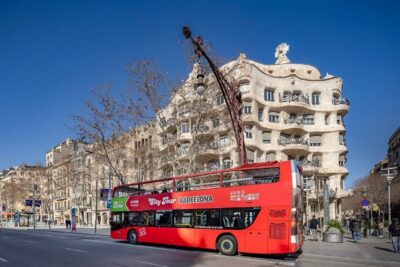 ★ 4.424 or 48-Hour Hop-On Hop-Off Bus TourFrom $3920,872 reviews
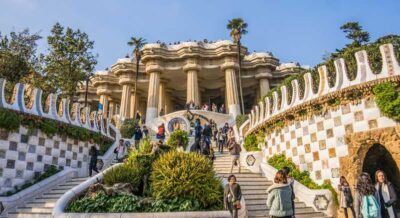 ★ 4.7Park Guell Guided Tour with Skip The Line EntryFrom $3117,563 reviews
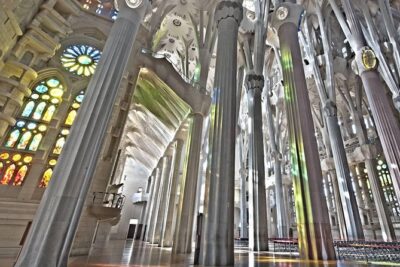 ★ 5.0Barcelona in 1 Day: Sagrada Familia, Park Guell,Old Town & PickupFrom $12013,541 reviews
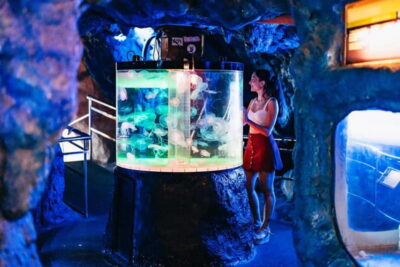 ★ 4.3Barcelona Aquarium: Entry TicketFrom $3113,335 reviews
 ★ 4.8Sagrada Familia Skip-the-Line Entry Ticket & TourFrom $6712,789 reviews
 ★ 4.4FC Barcelona Museum “Barça Immersive Tour” TicketFrom $3510,944 reviews