

REVIEW · BARCELONA GAUDI TOURS
Gaudí & Catalan Modernism Private Walking Tour
Gaudí work in the open air, no ticket stress. This private walking tour strings together Barcelona’s Modernist thinking and your best chances for photos, especially outside the Sagrada Família.
I love how easy it is to ask questions on the move, and how the guide connects buildings to the city around them. One drawback to note: this is an exterior-focused tour, so if you want to go inside major sights, you’ll need to plan extra tickets on your own.
Key takeaways before you book
- Private guide, real Q and A: You can steer the conversation toward what you care about.
- Sagrada Família photo time: You’ll get a focused exterior approach rather than a rushed walk-by.
- Modernism through the streets: The route teaches the why, not just the wow.
- Mansana de la Discordia comparison: Three famous façades let you spot differences fast.
- Pace checks matter: Guides like Alessandro and Henrieta are known for keeping the walk comfortable and engaging.
Private Gaudí exteriors with Catalan Modernism context
Barcelona makes it hard to do architecture “casually.” One turn and you’re face to face with ideas that look like they belong in a dream. This tour helps you turn that wow into something you can actually explain afterward.
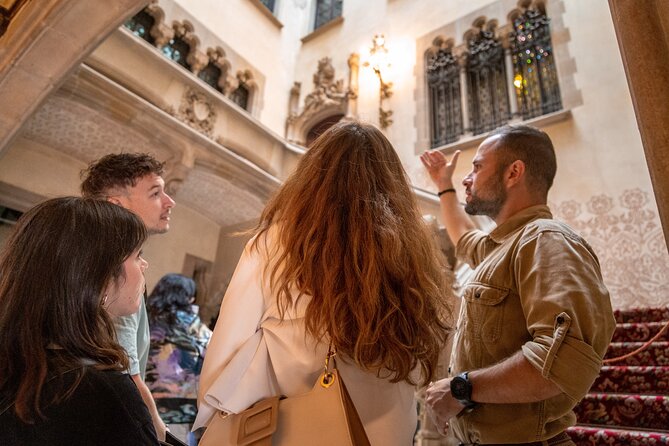
The big win is that it’s private. That means the guide can adjust the pace, stop when you spot a detail you want to photograph, and answer follow-ups without having to wait for a group schedule. If you’re the kind of traveler who wants to know how and why something was designed, this format fits.
Another strong point is the direction of the route. It’s not only about Gaudí’s name. You also get a Modernist starting point and a sense of how the Eixample plan shaped what came next. That matters, because you start noticing patterns in the city, not just individual buildings.
The one caution is the scope. The stops are built around exterior views, so you’re not buying attraction tickets as part of the experience. If you specifically want interior visits, you’ll need to pair this with separate entries based on your interests and time.
You can also read our reviews of more walking tours in Barcelona



Meet at Passeig de Gràcia, then get your bearings fast
The tour starts at Pg. de Gràcia, 2 in the Eixample area. That’s a smart place to begin because Eixample is where Barcelona’s grid and boulevard logic set the stage for Modernist architecture. Even before the first stop, the guide is setting you up to read the streets like a map.
After roughly three hours total, the tour ends at the entrance of the Sagrada Família, Carrer de Mallorca, 401. You’re finishing close to the big centerpiece, so it’s easier to keep exploring afterward, whether that means grabbing a snack nearby or lining up a separate ticketed visit if you decide you want more.
The walk is part of the deal. The schedule includes six key sights, with short on-site windows at each one. That structure works well if you like compact stops with lots of looking and photo time, rather than long museum-style durations.
Plaça de Catalunya: Eixample’s plan, explained in street terms
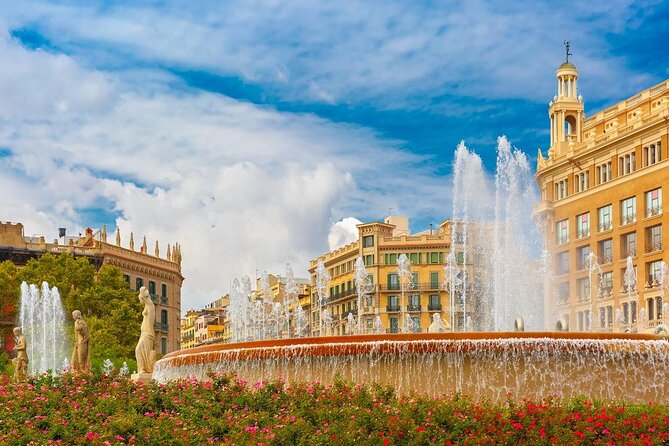
The first stop is Plaça de Catalunya, the main square. It’s not just a starting point. It’s also your quickest link to how Eixample was laid out.
In about 15 minutes, you’ll get the urban history behind the district’s design. The guide frames it so the city plan isn’t abstract. Instead of thinking of buildings as random splashes of style, you start seeing how layout and ambition shaped what architects could do.
Why this stop is worth it
- It helps you understand why you’re seeing so much architecture in such a concentrated zone.
- It gives you mental hooks for later stops, especially when façades start to look like competing canvases.
Potential drawback
- If you’re already an Eixample expert, this portion may feel like fast orientation rather than a deep history lesson. It’s short on purpose, so it’s meant to get you ready for the real design highlights ahead.
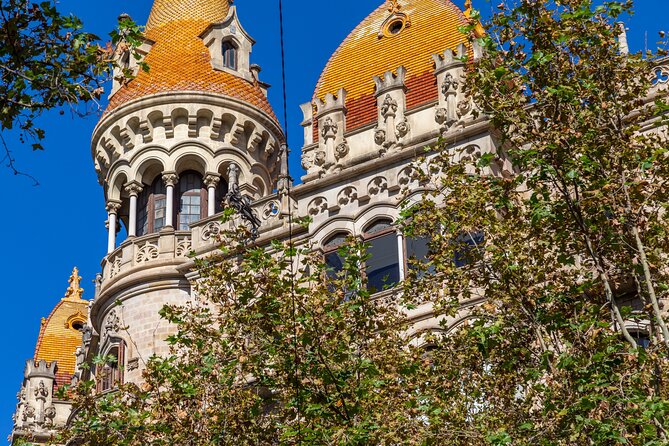
Casas Pascual i Pons: a Modernism primer from the façade up
Next is Casas Pascual i Pons, built between 1890 and 1891. Again, your time here is about 15 minutes. That short window is enough for an introduction, not a full deep dive.
The key is that the guide uses this façade to introduce the Modernist movement. You’re not only looking at details. You’re learning how to interpret them. That’s useful because Modernism can look like pure style from far away, but up close it has choices: how forms are shaped, how ornament supports the idea, and how the building signals its place in a new era.
What I like about this approach
You’re getting a foundation before the tour hits the heavy hitters. By the time you reach the famous block later, you can spot influences faster instead of relying on names alone.
La Mansana de la Discordia: the comparison block for Gaudí fans
Then comes one of the most fun segments of the whole walk: the Mansana de la Discordia. This stop lasts about 40 minutes, which is a generous chunk compared to the earlier windows.
Here you’ll uncover the façades of Casa Batlló, Casa Amatller, and Casa Lleó i Morera. Even if you only know Gaudí, this is where you learn to look for differences in design language. The guide explains the creative visions in the same breath, so you can see how Gaudí’s ideas interacted with contemporaries instead of thinking of him as an isolated genius.
Why this is a top-rated part of the route
- You get a built-in comparison, which makes your photos more meaningful later.
- The guide’s explanations help you notice artistic influences across the city, not just at one famous address.
Photo and viewing tip
When you’re moving between façades, keep looking for repeating themes, then spot the contrasts. The tour structure helps with that, because the buildings appear in sequence, so you can train your eye to compare quickly.
Possible trade-off
This area rewards focused looking. If you’re more interested in getting long sits for people-watching than detailed observation, you might feel a bit rushed. The guide can adjust with questions, but the block still moves you along.
You can also read our reviews of more private tours in Barcelona


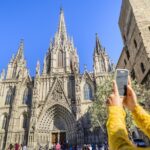

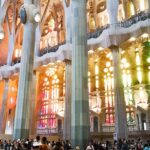
Casa Batlló exterior: what to notice before you ever buy tickets
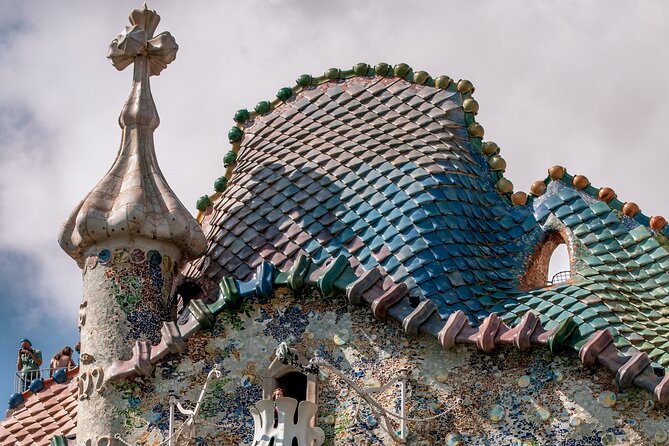
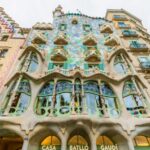
Casa Batlló is a dedicated stop, around 15 minutes. You’ll explore it as a UNESCO masterpiece in the exterior-only format, with the guide pointing out what makes it Gaudí’s kind of visual storytelling.
Even if you later decide to enter, the exterior tour helps you come inside with better context. You’ll understand what you were seeing on the façade, and you’ll know what details to hunt for once you’re inside a ticketed area.
How the guide makes this more than a photo stop
This isn’t just, look there, snap this. The guide uses your time to highlight how style and symbolism work together. That makes it easier for you to return to the building and recognize the choices, even after you’ve moved on.
One thing to consider
Because it’s exterior, you won’t get the full interior experience in this stop. But if your schedule is tight and you want to cover major Gaudí exteriors efficiently, this format is practical.
La Pedrera (Casa Mila): spotting secrets in a stone façade
La Pedrera, Casa Mila, gets about 30 minutes. That longer window helps, because Gaudí’s design language in stone rewards careful looking.
You’ll walk by the stone façade and get a guided explanation of the secrets of this architectural masterpiece. The best part of having a guide here is that you learn what to look for. Without that, it’s easy to focus only on the biggest shapes. With it, you start noticing smaller design decisions and how they contribute to the overall effect.
Why I think this stop is great value
A 30-minute exterior briefing is a sweet spot. You still keep momentum across the route, but you’re not forced into a quick look that never turns into real understanding.
If you’re picky about details
Good. This stop is for you. Expect to slow down a little, take photos, and ask questions if you want the design logic explained.
Sagrada Família from the outside: a focused photo plan
The final stop is the Basilica de la Sagrada Família. You’ll spend about 30 minutes approaching it with a complete exterior tour.
This is the “crowning jewel” segment, and it’s handled intentionally. Instead of treating the Sagrada Família as a distant landmark, the guide brings you closer with instructions for how to view it. That’s where you get a great opportunity for photos, because you’re not just standing there hoping for the right angle.
Why this works well for most people
- You get structure to your looking, so your camera photos end up telling a story.
- You finish with context, so the exterior doesn’t feel like a pile of shapes. It feels like a designed system.
What this stop does not include
You’re seeing the basilica from the outside. No attraction tickets are required for this tour. If you want interior access, you’ll need to add that separately.
Price and value: is $203.25 per person a smart spend?
At $203.25 per person for a private, 3-hour walk, this isn’t a budget option. But it can be a strong value depending on how you travel.
Here’s what you’re paying for, based on what’s included:
- A private expert guide
- A route that covers major Modernist and Gaudí exteriors
- Local recommendations
- No attraction tickets required since you’re visiting exteriors
If you’re traveling as a small group, private architecture tours often cost less per person than you’d expect once you factor in the guide time and the fact that you’re not paying separate admission fees for the included stops.
Another value angle is efficiency. Instead of you trying to build your own route across multiple neighborhoods and guessing what to notice, the guide gives you a ready-made path that teaches you how to interpret what you see.
When it may not be the best value
If you already know Gaudí deeply and you don’t care about having explanations, you might prefer self-guided walking with a good guidebook. But if you want the city context and Q and A, the private format can justify the price.
Also, this tour is typically booked about 41 days in advance on average, so it’s a good idea to plan ahead rather than assuming it will be available last minute.
The guide experience: what to expect from Alessandro and Henrieta style
The experience is designed around interaction. The tour description emphasizes that you can ask questions as much as you want, and the pace is meant to work for real people, not just a stopwatch.
From the guide feedback that matches the style of this tour, names like Alessandro and Henrieta come up with a consistent theme: clear facts tied to stories, plus architecture that gets discussed in the wider world. Alessandro is described as adding history and politics alongside architecture. Henrieta is described as being attentive to pace and doing thoughtful discussions that move beyond surface facts.
That’s a useful promise for you. It means the tour is not only about naming buildings. It’s about understanding how designs connect to the era, the city, and the people shaping Barcelona’s look.
Practical tips for your walking plan (and your camera)
Here’s how to get the most out of a 3-hour route built on façades.
- Wear comfortable shoes you can walk in for a few hours. The route has multiple stops, and even when stop times look short, you’re moving between them.
- Bring a camera you can use quickly. Some stops are short, so you’ll want to shoot, then reframe with the guide’s directions.
- Think in details. When the guide points something out, give yourself five extra seconds to find it on your own. That’s where the learning clicks.
- If you have questions, ask early. Private tours work best when you set the tone in the first hour.
Also, the tour is offered in English and is near public transportation. If you like to start your day with a plan and then wander freely after, this fits well.
Should you book this Gaudí exteriors private tour?
Book it if:
- You want a private architecture and urban history experience without dealing with attraction tickets for the included stops.
- You’re excited by Modernism and want help spotting artistic influences across the city.
- You like guided explanations, then free time afterward to keep exploring.
Skip it or add extra plans if:
- You mainly want indoor access. This tour is exterior-only, so you’ll still need ticketed entries for interiors.
- You dislike walking. The route is manageable for most travelers, but it is still a walking tour with multiple viewpoints.
My take: if you’re in Barcelona for a short stay or you want one high-quality, focused route to anchor your understanding of Gaudí and Modernism, this is a solid bet. You’ll leave with a clearer visual map of the city, plus better photos than you’d get from a random stroll.
More Walking Tours in Barcelona


More Tours in Barcelona



More Tour Reviews in Barcelona

Not for you? Here's more nearby things to do in Barcelona we have reviewed





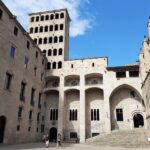

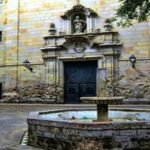


More Barcelona Gaudi Tours worth opening.
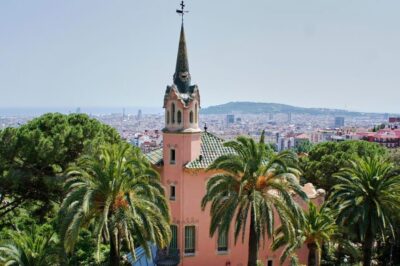 ★ 4.5Park Güell and Gaudí House Museum Entry TicketFrom $336,326 reviews
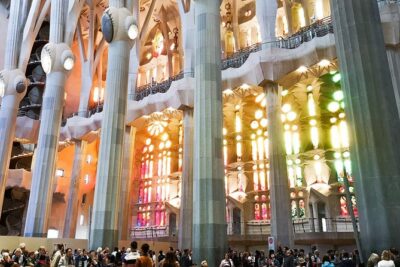 ★ 4.5Sagrada Familia & Gaudi Tour Private or Small Group with TicketsFrom $901,188 reviews
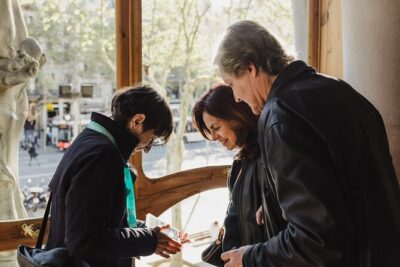 ★ 5.0Complete Gaudi Tour: Casa Batllo, Park Guell & Sagrada FamiliaFrom $1621,152 reviews
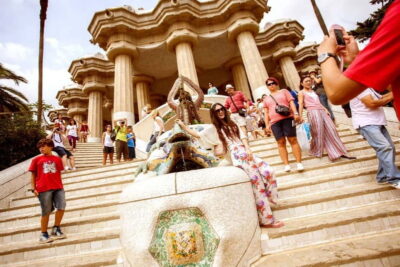 ★ 4.1Park Güell: Guided Tour with Optional Gaudí Experience EntryFrom $35832 reviews
 ★ 5.0Barcelona e-Bike Tour: Gaudí & Old Town Small GroupFrom $38769 reviews
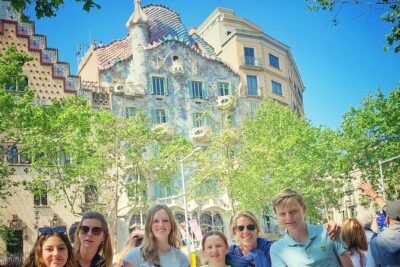 ★ 5.0Ramblas, Old Town, Gothic and Gaudi Architecture Walking TourFrom $35723 reviews
 ★ 4.5Gaudi´s Casa Vicens Skip the Line Ticket with AudioguideFrom $26685 reviews
 ★ 4.8Discover Gaudí, Sagrada Familia, and Park GüellFrom $158651 reviews
Continue by place or experience