
REVIEW · BARCELONA CITY TOURS
Barcelona: The Spanish Civil War Historical Walking Tour
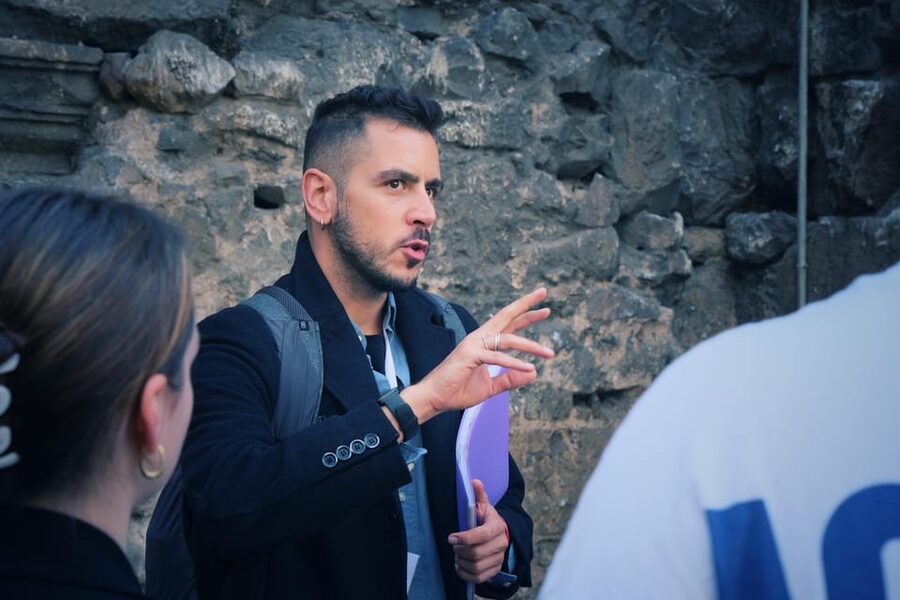
Barcelona has Civil War ghosts on its walls. I like how this 2.5-hour walk, guided by people like Javier and Chrisa, turns street corners into a clear story about the Spanish Civil War and the years that followed under Franco. I also love how it sorts the factions into a usable framework and keeps Homage to Catalonia close to what you’re seeing, not just what you’re reading. One thing to factor in is the tone, it’s politics, war, and dictatorship, and it involves lots of standing.
You start near Plaça de Catalunya, then move into Barcelona’s old-town web of streets and pauses, finishing in the middle of the Gothic Quarter by Barcelona city hall. The tour runs rain or shine and typically uses a wireless system if you opt in (there’s a small extra cost), so you’ll be able to hear the guide even in busy spots.
Key highlights worth planning around
- Real street-level history, where you learn to read buildings and neighborhoods for clues.
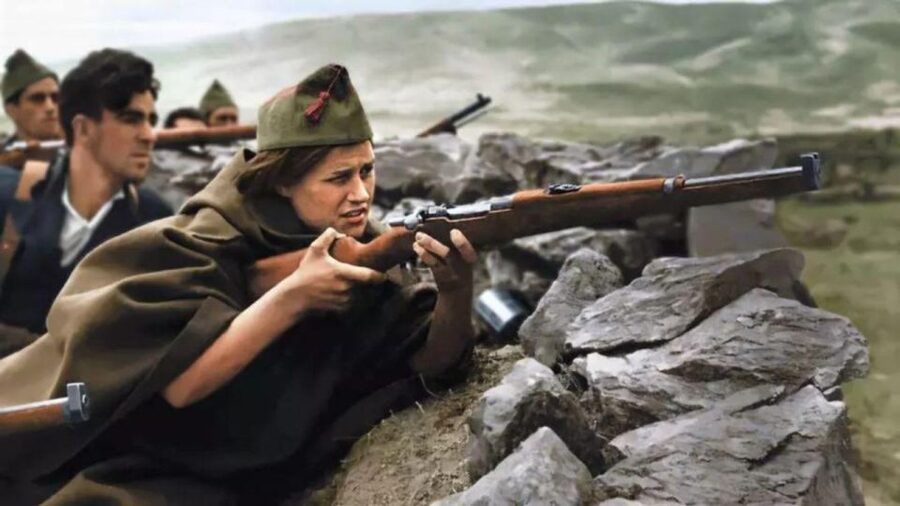
- Fascists, Loyalists, Anarchists, explained in plain language so the conflict stops feeling random.
- Orwell’s Barcelona connections, tied directly to places in the old city and the feeling of that time.
- A guide’s visuals, pictures that help you keep names, dates, and events from blurring together.
- After the war impact, including how Spain remembers this period now.
From Plaça de Catalunya to the Gothic Quarter: how the route teaches history
This tour is built like a guided walk through layers. You begin at Plaça de Catalunya, on the sidewalk in front of Foot Locker, and your guide will be holding a white umbrella. That starting point matters because it sets you up for the contrast: modern Barcelona in one direction, and the older streets that carried heavy political conflict in another.
You’ll finish about 2.5 hours later in the Gothic Quarter, near Barcelona city hall. That’s a fitting end zone because it’s the kind of area where you can look around and sense how many “normal” streets once sat close to extraordinary events: ideological organizing, violent repression, wartime fear, and later, decades of dictatorship. Since the tour focuses on what’s visible in the city rather than on formal museum rooms, the pacing feels like learning by noticing.
It also helps that the structure is not constant walking. More than one guide style in this program favors a slow stroll plus frequent stops. You’ll stand in certain spots while the guide explains what you’re seeing and why it matters. That’s good for understanding. It’s also why I’d plan for comfortable shoes and expect your legs to get some work.
One more practical note: because it runs rain or shine, you should bring a light rain layer. Cold days can mean extra waiting before you get going, so bundle up if you’re visiting in winter.
You can also read our reviews of more walking tours in Barcelona



The Civil War factions: turning a messy political fight into a clear map
The Spanish Civil War is not a single story with one villain and one hero. It’s multiple camps, shifting priorities, competing visions for Spain, and a lot of ideology that felt urgent in the moment. This tour’s biggest strength is how it gives you a framework you can carry with you afterward.
You’ll hear the main factions laid out in a way that feels organized instead of overwhelming. The tour specifically calls out Fascists, Loyalists, and Anarchists, and the goal is to help you understand what each group believed was the future of Spain. That matters because Barcelona was not a neutral stage. The city’s neighborhoods and political culture were central to the struggle.
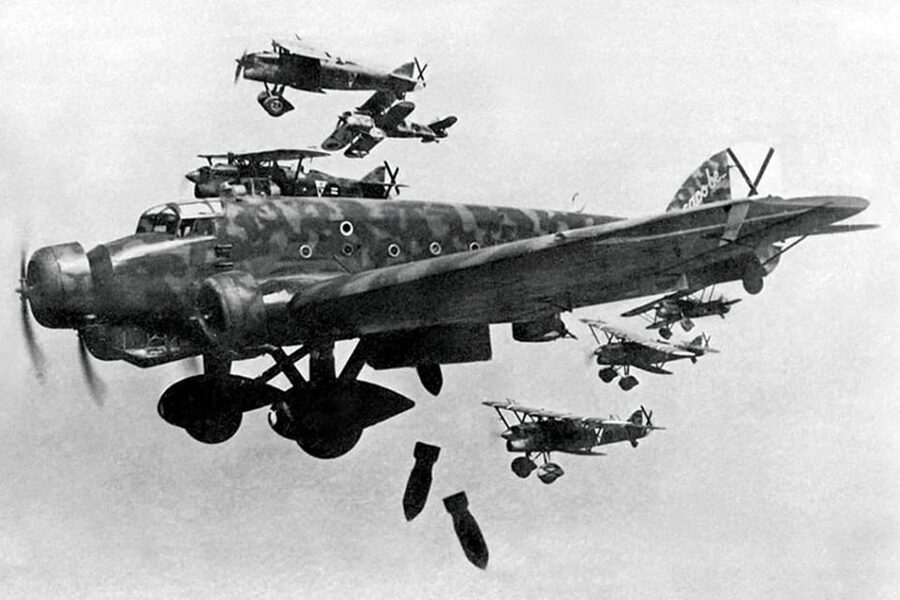
The guide also connects this conflict to the international dimension. You’ll get the roles of Hitler and Mussolini, plus how the International Brigades fit into the fight. There’s also time to talk about how the Western Allies responded, and the Catholic Church’s position during that era. Even if those names sound familiar, the value here is the sequencing: what came first, what pushed people into action, and why the war escalated into something that reshaped Spain for decades.
And yes, it’s complex. That’s not a flaw, it’s the subject. The tour approach is what makes it workable: clear storytelling, plus supporting images so you can connect concepts to real-world scenes you’re standing near.
Orwell’s Barcelona, Homage to Catalonia, and why places matter
George Orwell’s Homage to Catalonia is one of those books that can feel like it belongs to another world, especially if you read it before seeing the city. This tour does something smarter. It links Orwell’s references to what you can actually look at today, so the old descriptions become physical.
You’re not just hearing that Orwell wrote about Barcelona. You’re being walked through the city as if you’re tracing his viewpoint: streets and neighborhoods that help explain the atmosphere and tensions of that moment. That’s the key benefit. You’re building a mental map that connects narrative to geography.
This approach is also part of why the tour avoids the usual tourist pattern. Barcelona has stunning historic attractions, but this experience aims to go beyond the polished facade and into the less comfortable layer: the war-era reality that sat underneath everyday life. Since the tour notes there are virtually no official museums or memorials dedicated to this slice of history, street-level context becomes the memory bank.
The most useful way to prepare is not to memorize facts. It’s to show up with curiosity and a willingness to connect. If you can keep asking questions as you go, the Orwell tie-in becomes more than a literary reference. It turns into an entry point for understanding how people experienced the war in ordinary spaces.
The war’s pressure points: women, organizing, and everyday political life
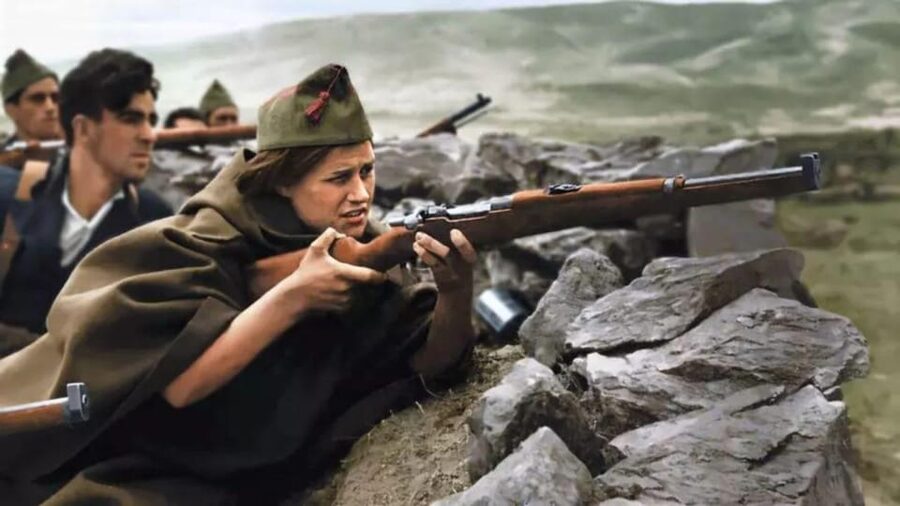
One theme that stands out from the way guides teach this subject is the focus on how politics shaped daily life, not just battles and leaders. You’ll get discussion that goes beyond standard summaries and touches the social dynamics inside Spain during the conflict.
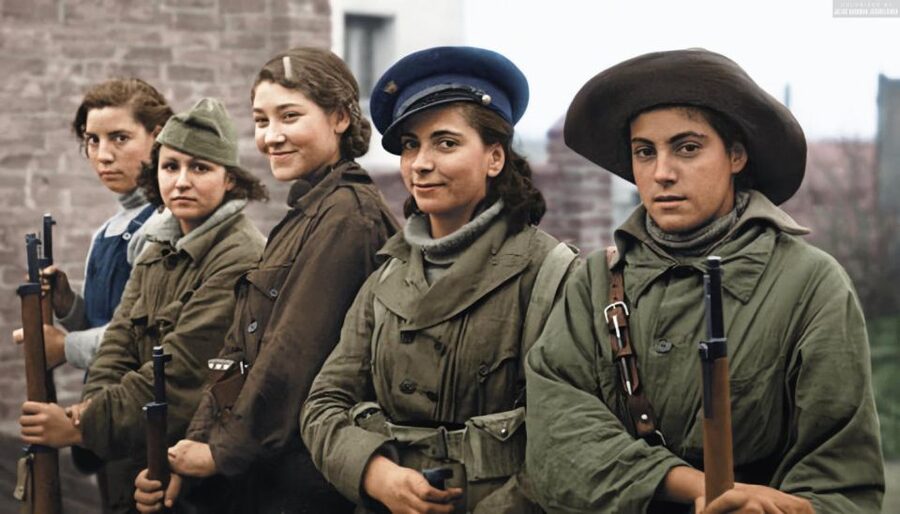
For example, the tour includes the role of women and the political currents of the Second Republic and Civil War years, including references to mujeres libres. That’s valuable because it pushes you to see ideological struggle as more than uniforms and slogans. It’s also about who had agency, who organized, and what people believed could be rebuilt after violence.
You can feel the effect of that approach in the way the guide handles the factions. When the story includes women’s political efforts and the tensions around them, the conflict starts to look less like a chess game and more like a society trying to survive its own contradictions.
This isn’t a light tour, and the subjects are intentionally serious. Still, the best moments are when the guide helps you make sense of motivations. When you understand why groups behaved the way they did, the city’s scars make more sense too. You stop treating those scars as random tragedy and start seeing them as outcomes of choices made under pressure.
Hitler, Mussolini, International Brigades, and the uneven response of the world
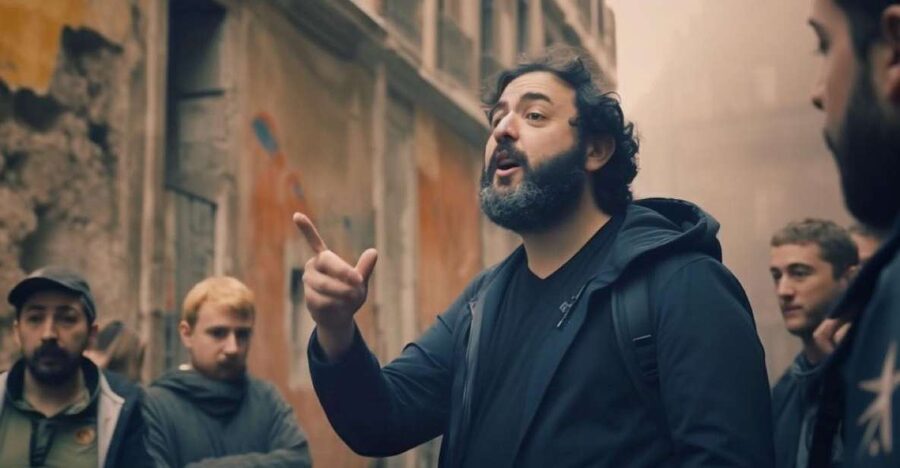
The Spanish Civil War often gets described as a national tragedy, and it is. But it also became a testing ground for larger forces in Europe. This is where the tour expands your view without losing its street-level focus.
You’ll hear about Hitler and Mussolini and what their involvement meant in the broader context of fascism taking power across the continent. You’ll also learn about the International Brigades, the volunteers who brought an international political energy to a local conflict.
Then comes the question many people sense but do not know how to answer: what about the rest of Europe? The tour addresses the Western Allies response and places it in the logic of the time. It also brings in the Catholic Church’s role, which helps explain how moral authority and political authority overlapped in ways that shaped events.
Even if you only remember one thing, aim for this: the war’s outcome was not sealed only by military strength inside Spain. It was also shaped by external interests, external reluctance, and external ideology. When you connect that to what you see around you in the old city streets, the whole story becomes more grounded.
You can also read our reviews of more historical tours in Barcelona




Franco’s dictatorship legacy and how Spain handles memory today
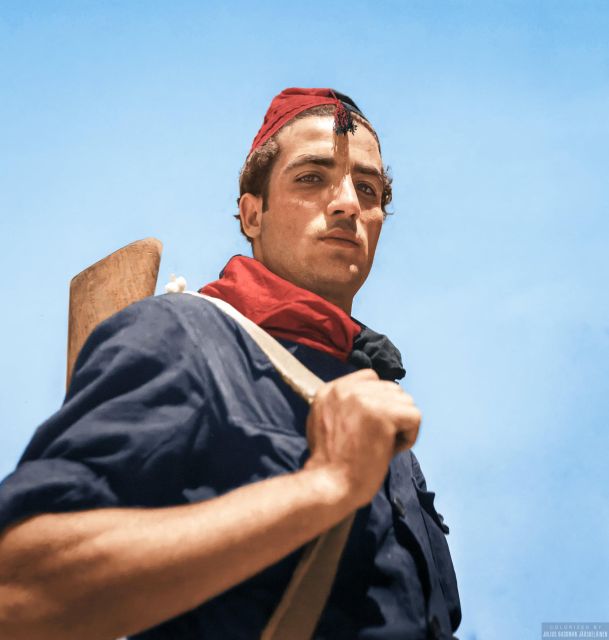
The Civil War doesn’t end when the fighting stops. This tour is upfront about that. You’ll walk through the lead-up, the outbreak, the war’s course, and then the long tail: the 36-year dictatorship that followed.
That long dictatorship is where many visitors feel the “so what?” question. The tour’s job is to connect the dots between a political takeover and a long period of social control. You’ll get explanations of how the dictatorship changed Spain and how that period affected the country well beyond the years of open conflict.
There’s also discussion of the church and ideology after the war, plus how Spain deals with this past period now. That part matters because historical memory is not passive. It shapes identity, politics, and what people feel allowed to say in public.
A useful bonus is the way the tour links past to present without turning into a lecture. One of the strongest vibes from the guides is a reminder that understanding history is not nostalgia. It’s protection against repeating patterns you recognize in your own era.
If you’re the type who likes clear cause-and-effect, you’ll probably appreciate how guides keep returning to the same thread: who benefited, who lost power, and what lasted long after the battlefield moved on.
How the 2.5 hours feel in real life, and what to pack
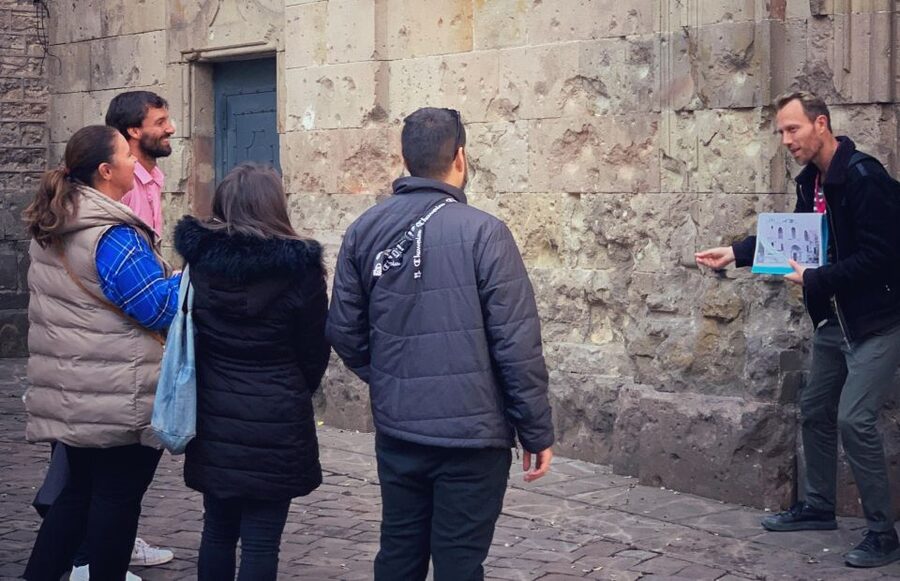
Even when tours are marketed as “walking tours,” the experience can vary a lot. This one is usually more of a stroll with pauses than constant movement. You’ll hear the guide for long stretches while standing at chosen spots, then move along a short distance to the next stop.
That’s why comfortable shoes matter. You’re not trudging for miles, but you are standing. On cold mornings, you’ll also want a warm layer and a rain plan since it runs rain or shine. One small practical detail that some guides emphasize: if you’re visiting in January or similar months, it can get cold while you’re waiting before the tour starts.
Hearing quality is also part of the comfort. The tour may use wireless tour guiding systems, depending on the guide. There’s an extra cost of 1€ per person, charged at the beginning and payable by card or cash. If the group is noisy, having that option can make the entire tour feel smoother.
Finally, English is the listed language, and there’s an optional audio guide in English as well. If you’re not a Spanish speaker, this is one of those experiences where you can stay fully engaged without needing translations.
Price and value at $46: what you’re really buying
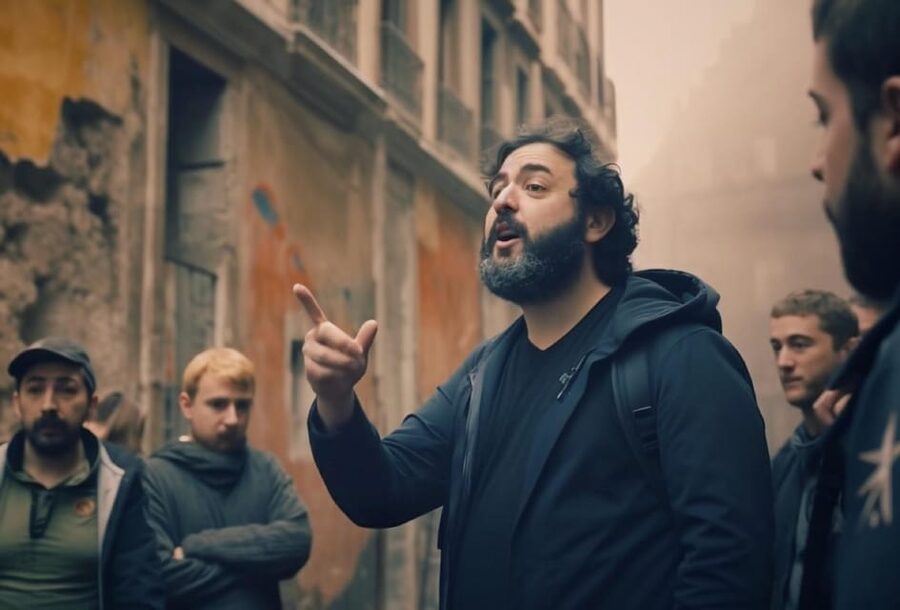
At $46 per person for about 2.5 hours, you’re not paying for a sightseeing checklist. You’re paying for interpretation. The tour includes a professional guide, and the way the guides teach is heavily based on explanation and visuals, including pictures to support the storytelling.
That matters because so much of this subject is hard to learn on your own in Barcelona. The tour is designed around the idea that there aren’t many official museum-style stops for this topic. So instead, you’re paying for guided context that helps you read the city itself.
You should also factor in the optional 1€ wireless fee, but think of it as a small upgrade rather than a hidden cost. It’s there to keep the guide clear, especially in busy street areas.
For value, I’d look at your own interests. If you want more “architecture with backstory,” or you like when a guide sorts confusing topics into a clear timeline, this price starts to make sense fast. If you mainly want casual, light history, you may find the content heavy.
Should you book the Barcelona Spanish Civil War Historical Walking Tour?
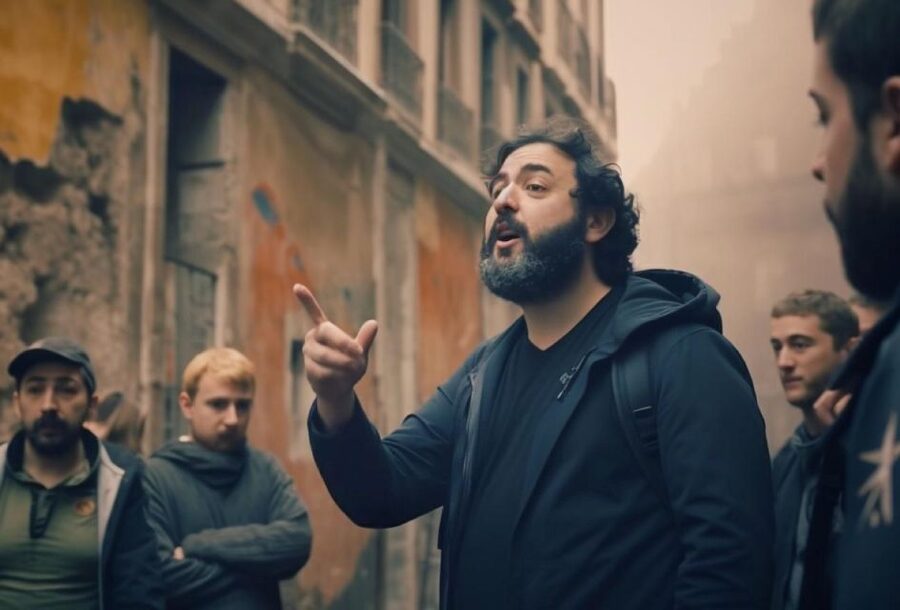
Book it if you want Barcelona history that goes past the postcard layer and into the political and social engine behind the city. It’s especially a good fit if you like explanations that organize complexity: factions, international involvement, the church’s role, and the long shadow of dictatorship. The fact that you end in the Gothic Quarter by Barcelona city hall helps make the experience feel complete.
Skip it or choose wisely if you’re traveling with kids who aren’t ready for war and dictatorship topics, or if you hate standing for long stretches. And if you want a pure museum style experience, this tour is street-first by design, so you should be comfortable learning by noticing.
If you decide to go, wear good shoes, bring a rain layer, and come with a curious mind. This is one of those tours where the payoff is not just facts, it’s understanding how a city can carry a trauma and still keep moving. That perspective follows you long after you leave the Gothic Quarter.
FAQ
How long is the Spanish Civil War Historical Walking Tour?
The tour lasts about 2.5 hours.
How much does it cost?
The price is $46 per person.
Where is the meeting point?
You meet on the sidewalk in front of Foot Locker on Plaça de Catalunya. Your guide will be there with a white umbrella.
Where does the tour end?
It finishes after about 2.5 hours in the middle of the Gothic Quarter, near Barcelona city hall.
What language is the tour offered in?
The live tour guide is in English, and there is an optional audio guide in English.
Is the tour wheelchair accessible?
Yes, it is wheelchair accessible.
Will the tour run in rain?
Yes. The tour takes place rain or shine.
Is there an extra cost for wireless tour guiding?
Wireless tour guiding systems may be used depending on the guide, and there is an extra cost of 1€ per person charged at the beginning. You can pay by card or cash.
What topics will the guide cover?
The tour covers the Spanish Civil War and the dictatorship that followed, including the competing factions and ideology, the role of Hitler and Mussolini, the International Brigades, the Western Allies response, the role of the Catholic Church, and how Spain deals with this history now.
Is it suitable for children?
It is not advised for children due to the subjects of politics, war, and dictatorship, but children are allowed to join.
What is the cancellation policy?
You can cancel up to 24 hours in advance for a full refund.
More Walking Tours in Barcelona
More Tours in Barcelona



More Tour Reviews in Barcelona

Not for you? Here's more nearby things to do in Barcelona we have reviewed







More Barcelona City Tours worth opening.
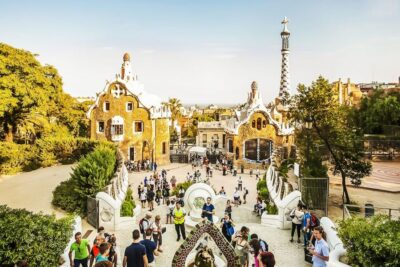 ★ 4.4Park Güell Admission TicketFrom $2576,534 reviews
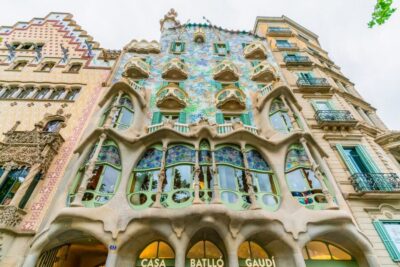 ★ 4.7Casa Batlló Entry with Self-Audioguide TourFrom $3425,359 reviews
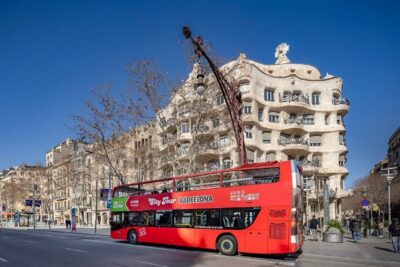 ★ 4.424 or 48-Hour Hop-On Hop-Off Bus TourFrom $3920,872 reviews
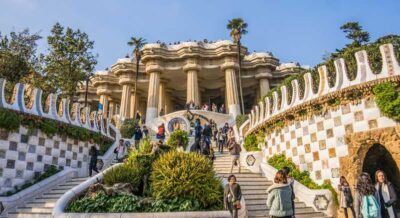 ★ 4.7Park Guell Guided Tour with Skip The Line EntryFrom $3117,563 reviews
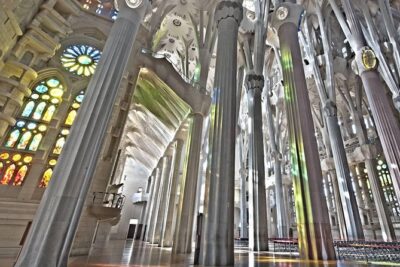 ★ 5.0Barcelona in 1 Day: Sagrada Familia, Park Guell,Old Town & PickupFrom $12013,541 reviews
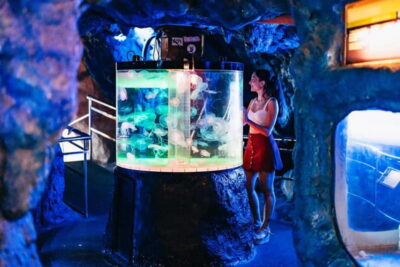 ★ 4.3Barcelona Aquarium: Entry TicketFrom $3113,335 reviews
 ★ 4.8Sagrada Familia Skip-the-Line Entry Ticket & TourFrom $6712,789 reviews
 ★ 4.4FC Barcelona Museum “Barça Immersive Tour” TicketFrom $3510,944 reviews
Continue by place or experience