
REVIEW · BARCELONA CITY TOURS
Barcelona: “The Secret of Cerdà” Treasure Hunt Walking Tour
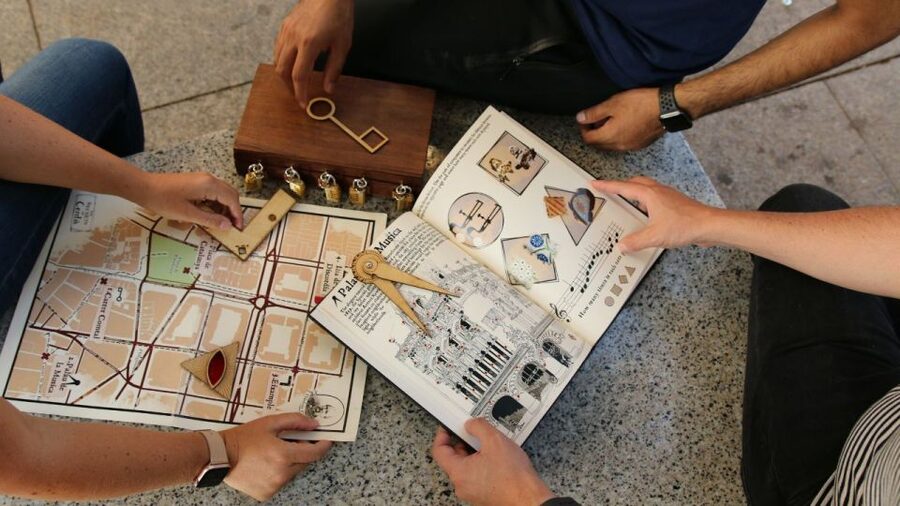
A map game through Barcelona beats boredom. This self-guided treasure hunt turns central sights into clue stations tied to the life of Cerdà, with you solving challenges as you go. It is part city stroll, part outdoor escape-room style puzzle, with a story layer that keeps it moving.
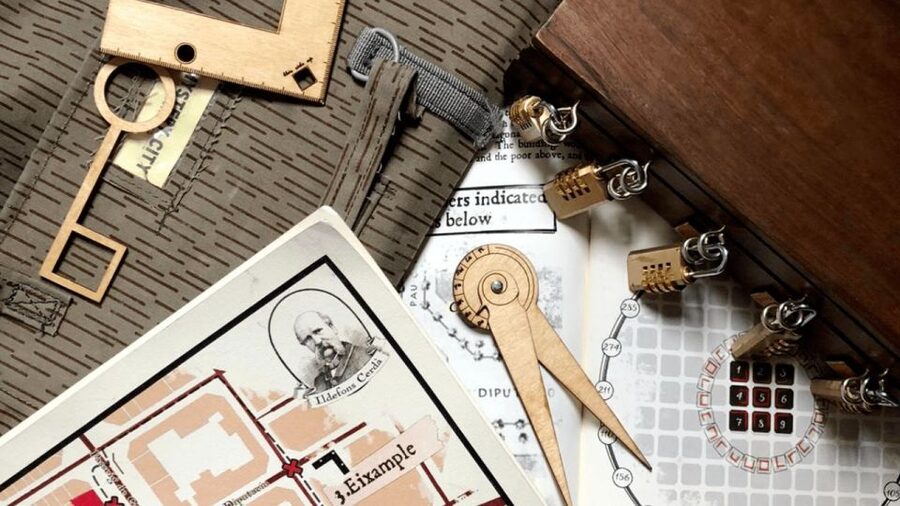
I like that it is hands-on: you carry a backpack with a treasure map, a book of challenges, and tools, then work through locks at each stop. I also like that you get a built-in reason to see multiple big areas in one flow, including the Gothic Quarter, Eixample, and Plaça de Catalunya.
One thing to consider: this is puzzle-focused and you will walk between several central points, so it is not ideal if you are playing solo or if you want a purely relaxed sightseeing day.
Key points to know before you go
- A self-guided route with a real mission: follow the treasure map to five must-see sites and complete lock challenges along the way
- Outdoor escape-room vibe: you solve tasks to get codes and open locks, then return for the final payoff
- Time buffer is your friend: the game is about two hours, but the plan encourages photos, shopping, and slow moments
- Families can do it well: designed for adults, suitable for kids 7+ when parents are actively involved
- Small-group feel without mixing: private bookings mean your group plays together and others do separate missions
The core experience, from clue map to treasure box
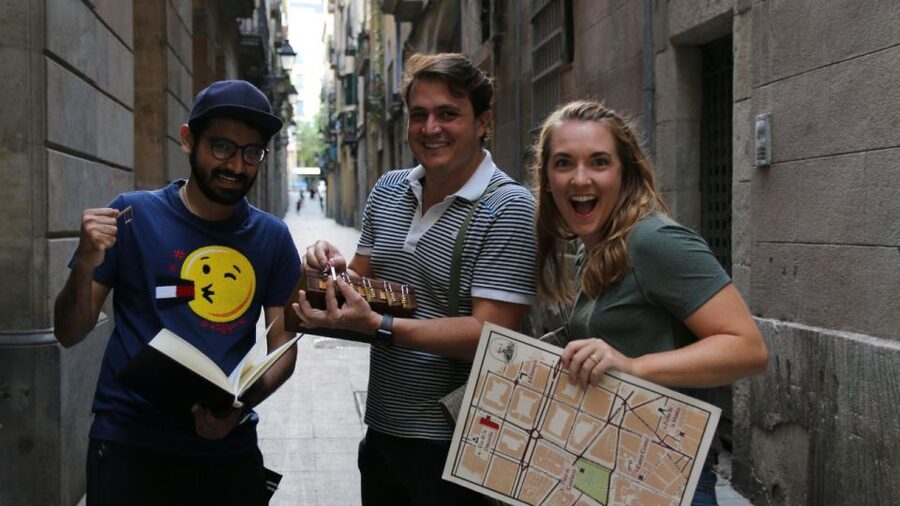
This tour is built around one simple idea: you do not just look at Barcelona, you interact with it. You start with a backpack of “magical tools” and a map, then head out city center style. At each main stop, you listen to a Barcelona-history story and solve a challenge tied to that location.
The fun part is the structure. A lot of walking tours tell you where to go and what to see. This one gives you a goal, then forces you to pay attention. You are looking for secret details, working through puzzles, and dealing with locks as you collect the information you need.
I also like that the tour is flexible in pace. The game is described as taking about two hours, but the approach is to take your time, stop for a bite, and grab photos. That matters in Barcelona, where the best moments often happen between the major landmarks.
You can also read our reviews of more walking tours in Barcelona



Starting point near Plaça Urquinaona, and how pickup works
You pick up your gear at a shop near Plaça Urquinaona, and the starting address is Carrer de Trafalgar, 17. Plan to arrive a bit early so you can get the backpack and understand what the map and challenge book are asking you to do.
This first moment sets the tone. If you start stressed, you will feel it later when the puzzles get trickier. If you start calm, you get into that groove where the city becomes part of the game board.
The tour says it is wheelchair accessible, so the route is planned with that in mind. Still, it is a walking hunt, so comfortable shoes are a must.
Stop 1: Illa de la Discòrdia as your first puzzle checkpoint
The route begins with Illa de la Discòrdia, where you spend about 20 minutes. In practice, this first site matters more than you might expect. It is where you test-drive the rules of the hunt.
You will use the treasure map to guide your steps, then work through a challenge connected to what you are seeing around you. Each location includes a story from Barcelona history, plus a lock-related task that feeds into the final mystery.
A good strategy here is to not overthink the first challenge. Many people get stuck when they try to brute-force the puzzle. Instead, follow what the challenge book tells you to look for, then use the clues you collect to move forward.
Stop 2: Gothic Quarter, where the clues reward slow attention
Next is the Gothic Quarter, another about 20 minutes. This is the point where the walking hunt starts to feel more like exploring than ticking off sights.
The route pushes you to notice secret details and look for less obvious connections, not just take quick photos. That is exactly the kind of place where a puzzle works well. Narrower streets and older-looking corners make it easier to feel like you are hunting for something.
One small caution: in this area, it is easy to lose time if your group stops for snacks or photos too often. Since this is a timed game framework, it helps to keep an eye on your progress toward the lock challenges, then take breaks once you finish each site.
Stop 3: Eixample District, puzzles meet orderly city planning
Then you move into the Eixample District for another 20-minute sightseeing and clue stop. Eixample is the opposite vibe from the Gothic Quarter, and that contrast is useful for the tour.
Here, the map and challenges help you keep moving in a city grid style environment. That can make the puzzle part feel clearer, because you are not just wandering, you are following a route with an end goal. If your group likes structure, this is where you get it.
You will still be doing the same core activities: learning a story tied to Barcelona’s history, then solving a challenge that helps you deal with the locks in your treasure box.



Stop 4: Plaça de Catalunya, a practical reset between missions
The next stop is Plaça de Catalunya, again about 20 minutes. This part of the day is valuable because it gives you a natural regroup spot.
You are encouraged to take your time along the way, and a major square is where it is easiest to pause without feeling like you are blocking others. If you want a quick drink, a snack, or a quick photo, this is the moment to do it before the next lock challenge asks for focus again.
If you have a mixed group, this stop is also a good compromise. Some people love puzzles. Some people just want time in the open air. Plaça de Catalunya gives both without derailing the mission.
Stop 5: Palace of Catalan Music, the story layer adds weight
After that, the route includes the Palace of Catalan Music for another 20 minutes. By now, you should understand how the game flows: there is a story, a task, and a lock-related step.
This stop is where the tour’s “history” piece starts to feel more meaningful. The format forces you to slow down and pay attention, which helps the story land instead of bouncing off while you rush to the next photo.
It is also a nice moment to check whether your team has a clear plan for splitting tasks. If you treat it like a relay, with one person reading the challenge and another person scanning for what the clues suggest, you will have an easier time than if everyone tries to decode everything alone.
Stop 6: The final Barcelona stretch and getting back to the start
The itinerary lists an additional stop simply labeled Barcelona, then brings you back to the starting point to claim your prize. The idea is that you complete the sequence of lock challenges and solve the mystery by opening all the locks in your treasure box.
This final stretch is where groups either click or get frustrated. If you keep your team moving and you track what you already solved at earlier sites, the end feels like payoff. If you ignore the lock steps early on, the final stage can feel like you are scrambling.
One helpful clue from past participants is that the hunt can take a bit more time than the headline duration. You may need more than two hours if your group is actively enjoying the stroll, taking photos, or using the support tools when the challenge feels tricky.
Puzzles, QR support, and what makes it feel like a real game
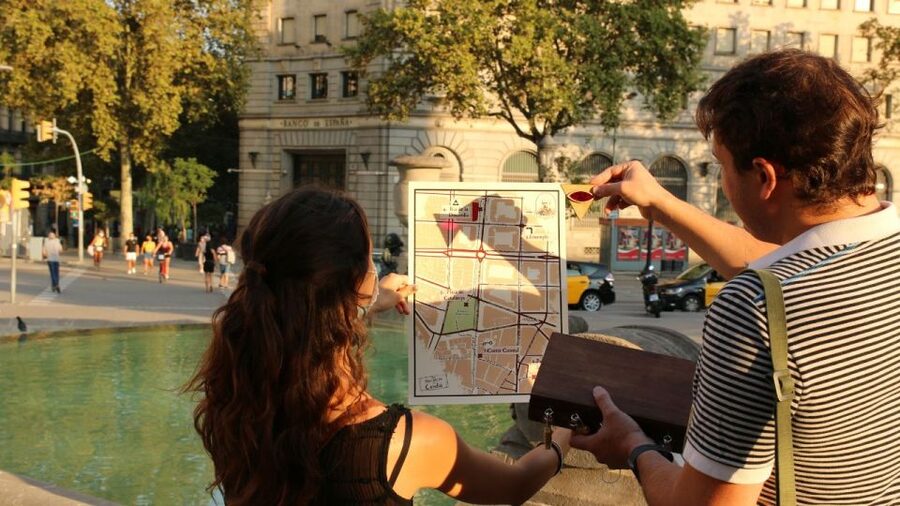
What makes this hunt work is the “game inside the city” design. You get a book of challenges, a map, and tools, and each location contributes a piece of progress. You are not just collecting information, you are making decisions based on what you find.
I especially appreciate that there is QR code support for tricky parts. That is huge if your team hits a snag. Instead of spiraling, you can use the QR option as a backstop and keep the momentum going.
Also, the puzzle difficulty is described as challenging enough that it feels satisfying, but not so hard that the whole group gives up. One feedback point I like is that the puzzles were “challenging enough” and the distance was “challenging enough” too, which suggests it is a real walking activity, not a tiny indoor game with a short stroll.
Value at $26: what you actually get for your money
The price is $26 per person for a 2.5 hour experience, and you carry the full game kit with you: backpack, map, treasure box, book of challenges, and magical tools. You are paying for the physical props and the structured mission through central sights.
Here is the practical math. For this amount, you are not just getting a guided explanation. You are getting an activity that occupies time with tasks, plus the payoff of solving the mystery and claiming a prize. If you like hands-on activities, it can feel like good value compared with standard sightseeing add-ons.
It also helps that bookings are private. You play with your own group, and if other people are booking the same time, they play separately. That matters because you avoid the classic problem where a shared group format becomes distracting.
Who this is best for, and who should skip it
This is designed for adults, but it works for kids 7+ when they play with parents. The key is that it is not described as a toddler-friendly activity. If your kids can follow instructions, handle simple puzzle logic, and enjoy walking, they will likely be into it.
I would also strongly consider this for small groups who enjoy puzzles or “look closer” activities. If you like escape-room style challenges, you will probably have fun here. If your idea of Barcelona is long meals, slow photos, and zero rules, this might feel too goal-oriented.
And again, I do not recommend playing solo. The tour is not framed as a solo game, and the puzzle style tends to go better with at least two to four people sharing roles.
Practical tips so you do not get stuck or behind
Here are the simple things that make the hunt smoother, based on how the experience is designed:
- Plan for a little extra time. The game is about two hours, but the pace can stretch if you pause for photos, shopping, or help with tricky challenges.
- Bring your phone, even if you are not the QR person. The hunt has QR support, and it helps to have a charged device.
- Keep a team workflow. One person reads, one person looks, one person checks progress toward the locks.
- Wear comfortable shoes. You are walking between multiple central areas, including major squares and district streets.
- If you are traveling as a family, set expectations early. Kids do better when the team roles are clear from the start.
On languages, the activity is available in English, Spanish, Catalan, and French. If your group has mixed language comfort, confirm your language choice during booking so you all get the instructions in the same way.
FAQ
FAQ
How long is the Barcelona Secret of Cerdà treasure hunt?
The experience is scheduled for about 2.5 hours. The game itself takes around 2 hours, with extra time encouraged for exploring, shopping, and photos.
Where does the tour start?
The starting location is Carrer de Trafalgar, 17. Pickup is at a shop near Plaça Urquinaona.
How much does it cost?
It costs $26 per person.
Is this a guided tour or self-guided?
It is described as a self-guided treasure hunt walking tour. You follow the treasure map and complete the challenges on your route.
How many stops are on the route?
The treasure map leads you to five top sites in Barcelona city center.
What do I get when I pick up the backpack?
You receive a backpack with a treasure map, a treasure box, a book of challenges, and magical tools.
What do you do at each location?
At each location you get a story about Barcelona’s history and solve a challenge that helps you with a lock on the treasure box.
Is it suitable for children?
It is designed for adults, but it is suitable for children 7+ when they play with their parents. It is not suitable for children under 6.
Is it a private experience?
Yes. All bookings are private, and you play with your own group. If other people are booked at the same time, they play separately.
What language options are available?
The host or greeter is available in English, Spanish, Catalan, and French.
Should you book this Barcelona treasure hunt?
Book it if you want something active that mixes central sights with problem-solving. It is a solid pick for groups who like puzzles, families with kids 7+ who will actually work together, and anyone who prefers an activity with built-in momentum instead of a passive walk.
Skip it if you want a purely relaxed day with no structure, or if you are set on going completely solo. Also plan extra time, because the game can run a bit longer than the headline window, especially when you stop for photos or need help with tricky parts.
More Walking Tours in Barcelona



More Tours in Barcelona


More Tour Reviews in Barcelona
Not for you? Here's more nearby things to do in Barcelona we have reviewed








More Barcelona City Tours worth opening.
 ★ 4.4Park Güell Admission TicketFrom $2576,534 reviews
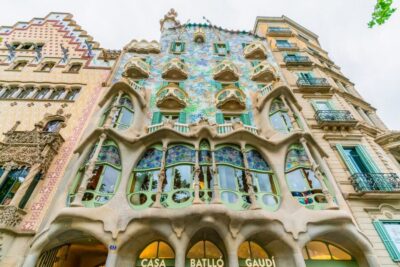 ★ 4.7Casa Batlló Entry with Self-Audioguide TourFrom $3425,359 reviews
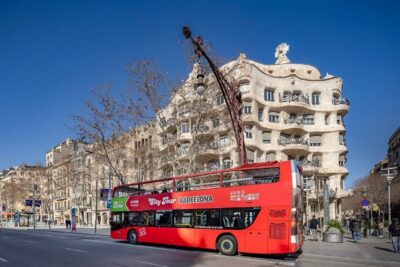 ★ 4.424 or 48-Hour Hop-On Hop-Off Bus TourFrom $3920,872 reviews
 ★ 4.7Park Guell Guided Tour with Skip The Line EntryFrom $3117,563 reviews
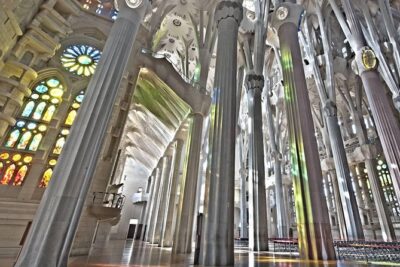 ★ 5.0Barcelona in 1 Day: Sagrada Familia, Park Guell,Old Town & PickupFrom $12013,541 reviews
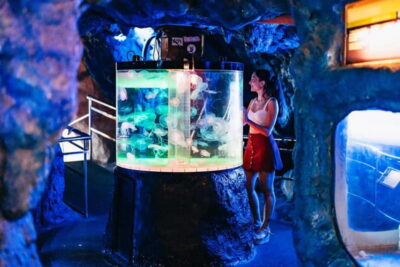 ★ 4.3Barcelona Aquarium: Entry TicketFrom $3113,335 reviews
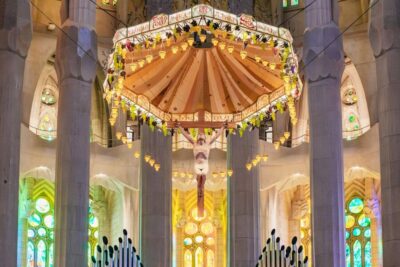 ★ 4.8Sagrada Familia Skip-the-Line Entry Ticket & TourFrom $6712,789 reviews
 ★ 4.4FC Barcelona Museum “Barça Immersive Tour” TicketFrom $3510,944 reviews
Continue by place or experience