
REVIEW · BARCELONA CITY TOURS
Barcelona: Sant Pau Recinte Modernista Entry Ticket
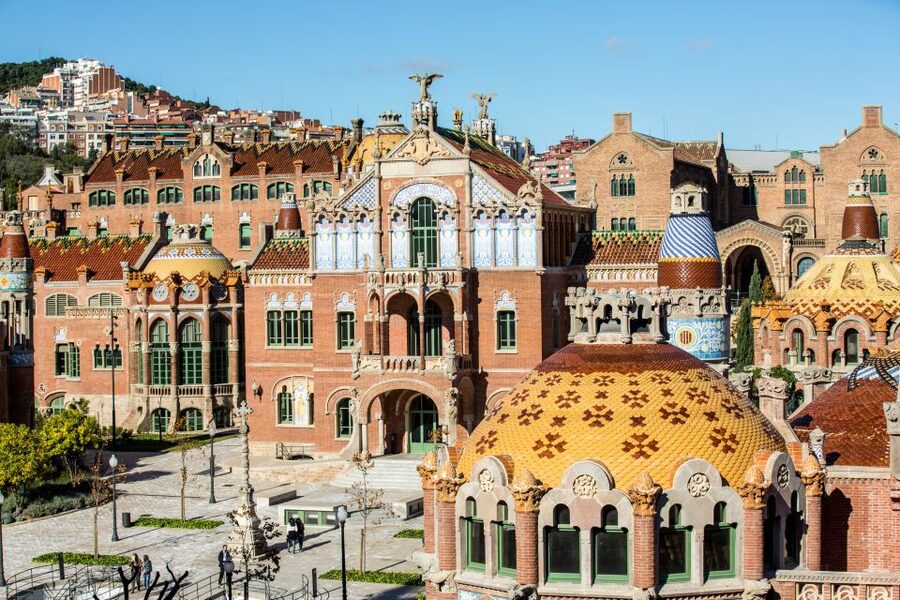
This is Barcelona’s hospital turned masterpiece. Sant Pau Recinte Modernista lets you walk through a garden-city hospital from the early 1900s, where the art is as planned as the medicine. It is one of the most unusual ways to experience Art Nouveau in the city, because you move through real courtyards, real passageways, and real architectural details.
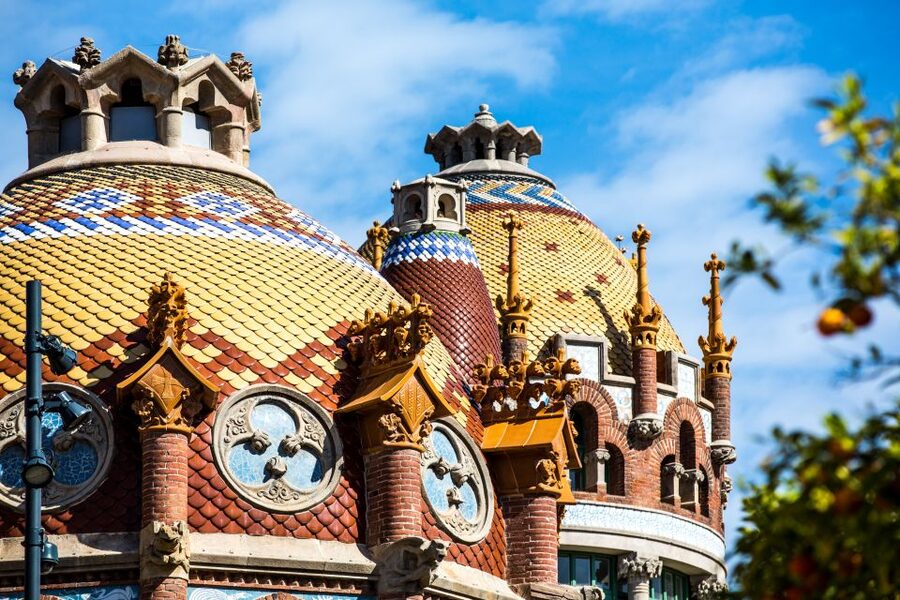
I love the garden-city layout. The pavilions feel separated on purpose, like the designers were thinking about fresh air, light, and recovery. I also love the eye-candy details, from sculpture work to stained glass and mosaics that you can keep spotting as you slow down.
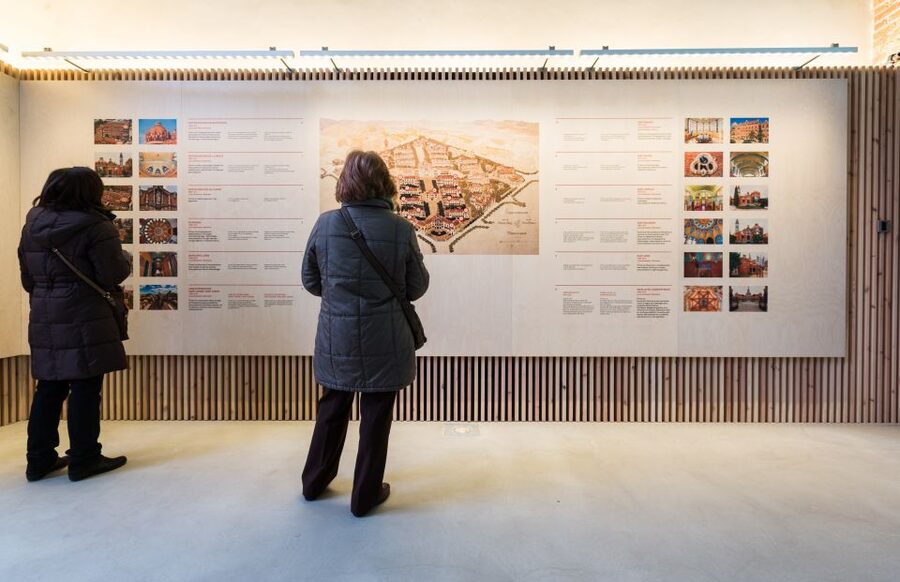
One possible drawback: this ticket is for entry only, not a guided tour. You can still enjoy it without a guide, but you will want to read the on-site story panels and consider an audio option so the place does not feel like you are just wandering.
Key things to know before you go
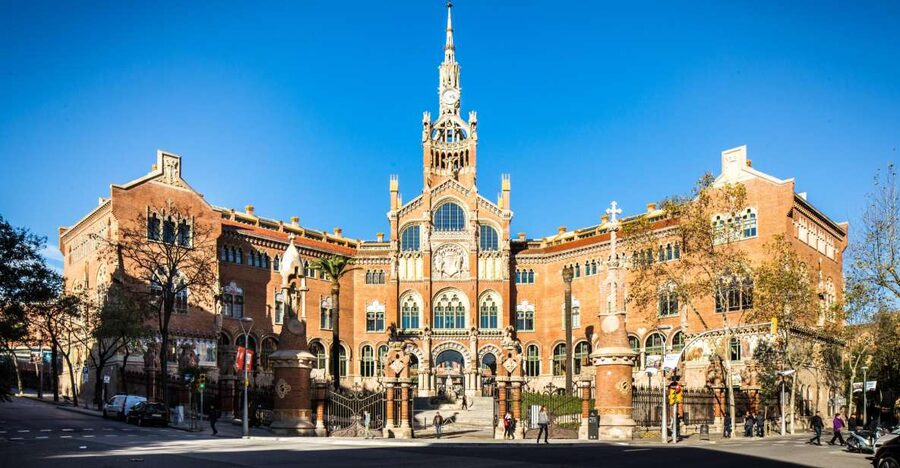
- World’s largest Art Nouveau complex: You are visiting a major Modernista work, not a side stop.
- Built as a garden-city hospital (1905 to 1930): The layout has a medical logic, not just design flair.
- Connected pavilions and underground passageways: The complex was planned for movement behind the scenes.
- Sculptures, stained glass, and mosaics everywhere: The details reward slow walking and looking up.
- A calm change of pace from central Barcelona: The gardens and open courtyards break the usual city energy.
- Easy to fit into a sightseeing day: It is close enough to pairing with other top sights without rushing.
Sant Pau Recinte Modernista in plain terms
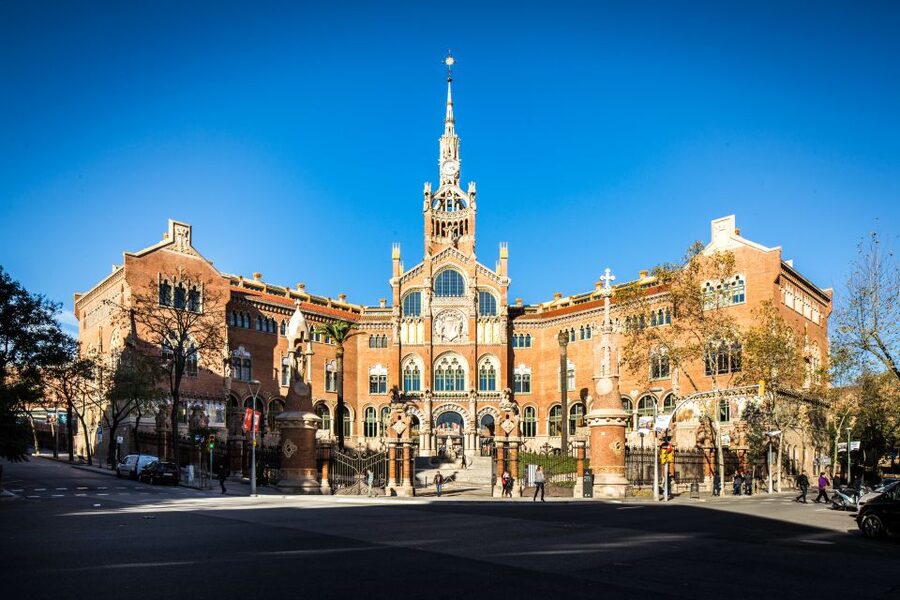
Think of Sant Pau as a whole neighborhood designed around care. Instead of one big building, you get multiple ornate hospital pavilions spread across gardens, with connections that help the institution function as one system.
The complex was designed by Lluís Domènech i Montaner and built from 1905 to 1930. It began as a garden city meant to nurse the sick, then operated as a public hospital for about a century. Today it has been refurbished, and the site also works as a knowledge campus with international organizations using parts of the complex.
That mix matters. You are not only looking at architecture, you are stepping into a place with purpose, a place that keeps being repurposed.
More Barcelona tours and experiences for the shortlist

What a 1.5 hour visit really looks like
The ticket experience is designed around a visit of about 1.5 hours. For a site this detailed, that is a good amount of time if you have a strategy: pick your priorities, then slow down for a few key areas.
I recommend you budget time for three things:
- Courtyard and pavilion viewpoints, so you understand how the plan works.
- The decorative programs, like mosaics and stained glass.
- Any special features that make the hospital concept click, including the passageways.
If you rush, it becomes “pretty buildings.” If you pace it, it becomes “I get why this was revolutionary.”
Also, this is an entry ticket, not a structured tour. That means you control the flow. It is great for people who like to wander on their own terms. It can be less great if you need a person explaining every room.
The Art Nouveau architecture you can actually follow
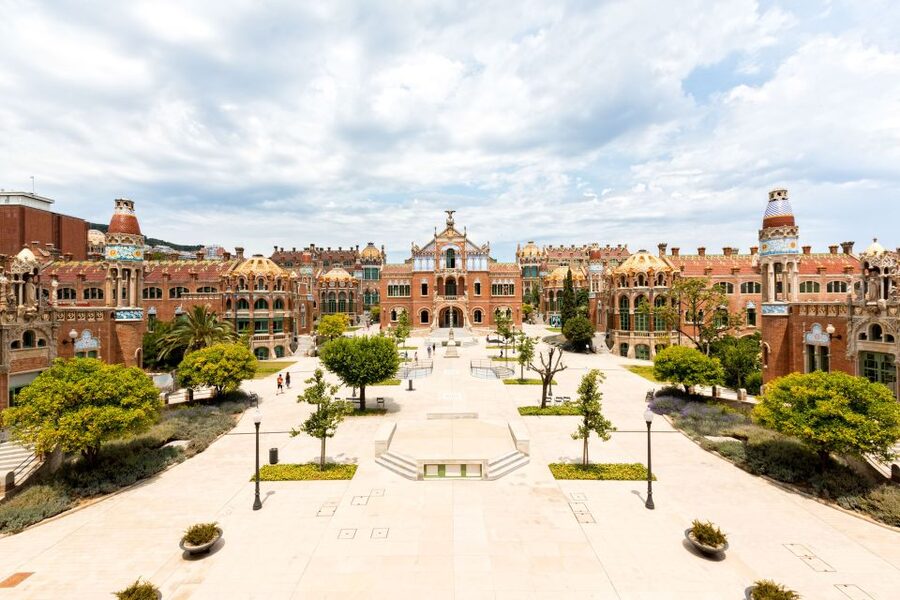
Sant Pau is often described as Gaudí-like or Gaudí-adjacent, but it stands on its own. What you will notice fast is the Modernista approach: bright materials, sculptural ornament, and a sense that every surface has been thought through.
As you move through the complex, look for how the pavilions relate to each other. The site’s design is not random. The hospital was built around the idea that separating functions and giving patients light and air could improve outcomes.
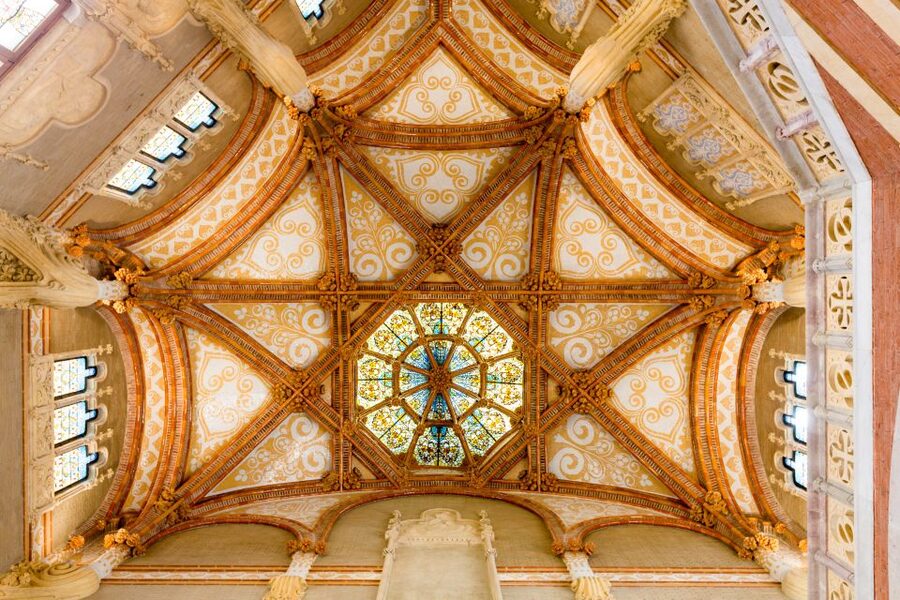
The decoration supports that idea. You are not just admiring pretty facades, you are seeing a design language made for healing spaces. And when you pause to look closely, you will see the work in the patterns, the shapes, and the symbolic touches in materials like stained glass and mosaics.
If you tend to skip architectural details, this is still worth it. The scale is big enough that the “wow” is hard to miss even when you are moving quickly.
Gardens and pavilions: the hospital city concept
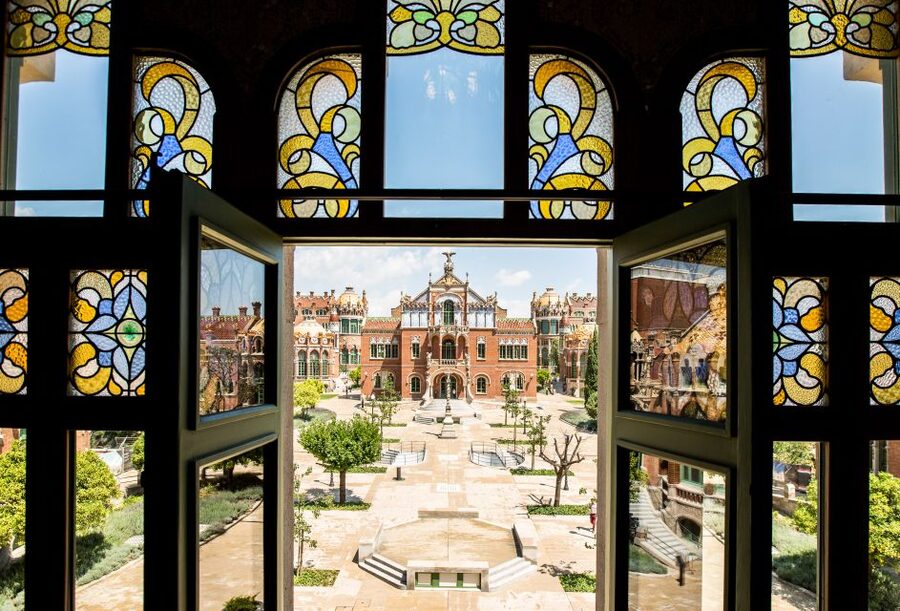
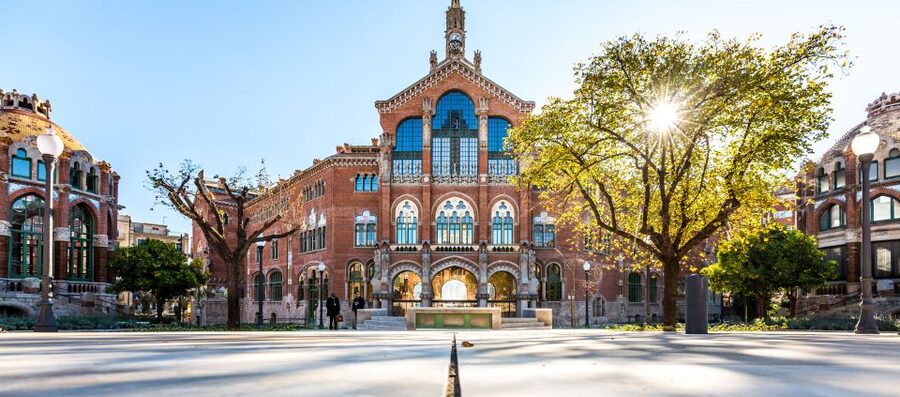
One of the biggest reasons Sant Pau feels different is the garden city approach. The pavilions sit within green space, and the site is designed for movement between open areas.
That matters because it changes how you feel. Barcelona can be hot, crowded, and loud. Sant Pau works like a pause button, with courtyards that let you rest your eyes and your feet.
It also helps you understand the original medical thinking. The late 19th-century problem was simple and urgent: the older Hospital de la Santa Creu in El Raval had become too small. The new project grew from advances in health and hygiene and a charitable mission tied to welfare and the latest healthcare ideas.
So when you see the layout today, you are not only seeing Art Nouveau. You are seeing a system meant to improve care through design.
Pro tip: take a few minutes to walk the edges around the front areas. A slower loop helps you catch mosaic work and the more subtle mural details that people miss when they do straight-line paths.
Underground passageways and the small details that change everything
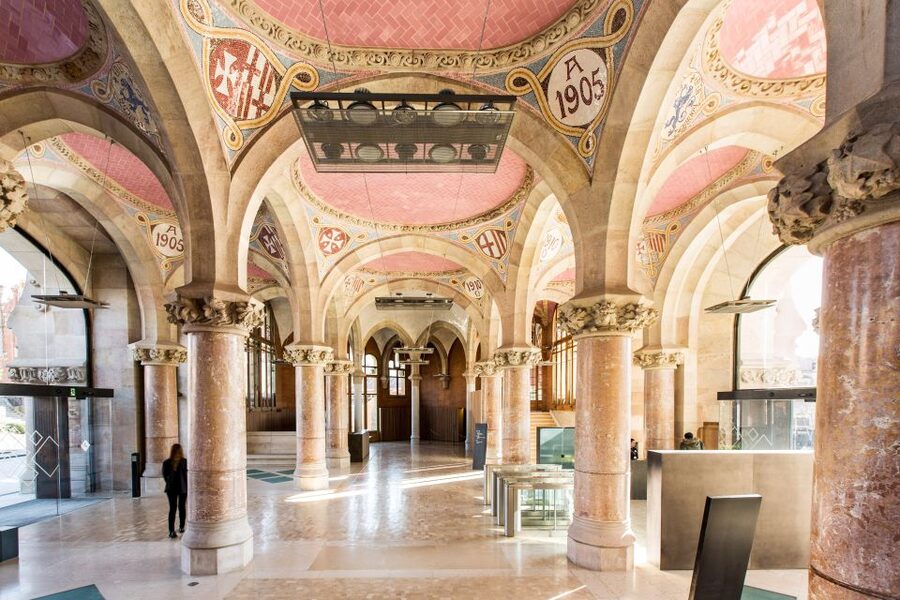
Sant Pau is not just a museum of beautiful buildings. It was built as a functioning hospital complex, and that shows in the way spaces connect.
One of the most fascinating parts is the presence of underground passageways linking the buildings. Even if you are not thinking about hospitals as a system, the existence of those connections helps you imagine how staff and patients moved and how the complex operated as one.
This is also where you will get more than the surface-level photo stops. Look for:
- sculptural work that frames paths and junctions
- stained glass that adds color and mood
- mosaic surfaces that reward you for looking up and around
I like how the complex gives you both big-picture design and intimate detail. You will likely find yourself slowing down more than you planned.
A small note on wayfinding: signage can feel like it needs a bit more clarity in parts of the route. If you are prone to wandering off track, keep an eye out for direction markers and stick to the main visitor flow.


Using Sant Pau as a smart part of your Barcelona day
Sant Pau is a strong add-on to a Barcelona itinerary because it hits a different theme. Instead of another church facade or a packed landmark, you get architecture tied to health, plus calm outdoor space.
In planning terms:
- If you love architecture, it pairs well with other Modernista stops.
- If you like history with a human angle, it pairs well with city history museums.
- If you want a break from the busiest areas, it can act as your cool-down slot.
Timing helps. If you can, go earlier in the day to avoid crowds. Even on normal sightseeing days, the complex can feel relaxed when you arrive with daylight and fewer people milling around.
You also get a practical bonus: a metro station is nearby, which makes it easy to connect onward. One extra convenience people appreciate is that the visit can work well even when you are not spending a full half day on site.
Price and value: is $21 a good deal?
At around $21 per person, the ticket price looks straightforward. The real question is value: do you get enough to justify it compared with other paid sights?
In my view, Sant Pau is good value because you are paying for:
- a major world-class complex, not just one building
- a spacious site with gardens and multiple pavilions
- meaningful details like stained glass, mosaics, and sculptures
- a design you can understand as a whole, thanks to the overall plan
You only truly feel the price is high if you rush and ignore the details. But when you slow down, it becomes one of the most satisfying architecture visits you can squeeze into a day.
Also, since this is entry only, you are not paying for a guide’s speaking time. That keeps the ticket cost simpler, while still letting you enjoy the place at your own speed.
Who should book this ticket, and who might want to think twice
I think Sant Pau works especially well for you if you:
- love architecture with a story you can walk through
- want a calm break from big-city crowds
- enjoy gardens and outdoor courtyards
- appreciate the idea of healthcare as part of culture and design
It may not be the best fit if you strongly prefer a fully guided, narrative walkthrough. Since a guided tour is not included, you will need to lean on on-site explanations and any audio option available to you.
If you are traveling with kids, it can work. Children 11 and under are permitted, and there is free admission for participants under 12 as long as a parent or guardian is present.
And if you are a health or science-minded traveler, this is one of those places where the subject matter is built into the architecture. The design connects medicine, hygiene ideas, and patient care in a way that feels more real than a lecture.
Know before you go: rules, access, and special cases
This ticket experience is straightforward, but it helps to know the basics.
Sant Pau allows wheelchair access, so mobility should be manageable for many visitors. Pets are not allowed. Smoking is not allowed, and alcohol and drugs are also not allowed.
Two special access notes matter:
- On the first Sunday of the month, visitors over 65 years old can enjoy free access.
- Children 11 and under can attend, and participants under 12 get free admission if accompanied by a parent or guardian.
If you are deciding what to pack, remember this is an active walking visit. Wear comfortable shoes. You will likely spend time looking up and moving between connected spaces, and you may want to have a plan for where to keep your stuff.
Getting there: the meeting point address you should use
The meeting point listed for this ticket is Calle Sant Antoni Maria Claret, 167, 08025 Barcelona. Put that into your map app before you head out, especially if Sat Nav tends to send you to a nearby but incorrect spot.
If you are using transit, take advantage of the fact that the site is close to a metro option. That makes it easier to keep the day flexible, especially if you are pairing it with other sights.
Should you book this Sant Pau ticket entry?
Book it if you want one of the most original Barcelona visits that mixes Art Nouveau design with a real, understandable concept behind it. For many people, this becomes a favorite because you are not just looking at decoration, you are walking through a functional “garden hospital city” that helps you see history in space.
Skip it only if you need a live guide to make museums click. With this entry ticket, you control the pace, so bring curiosity, plan to read what is on site, and consider an audio option if it is available when you visit.
If you can, choose a time when you will not be rushing. Sant Pau rewards the slow look, and that is where the value shows up.
FAQ
How much does the Sant Pau Recinte Modernista entry ticket cost?
The price is $21 per person.
How long should I plan to spend at Sant Pau?
The experience is designed around about 1.5 hours.
Is a guided tour included with this ticket?
No. This entry ticket includes the entrance fee, but it does not include a guided tour.
Where is the meeting point for the ticket?
The meeting point is Calle Sant Antoni Maria Claret, 167, 08025 Barcelona.
Are there rules about who can enter for free on certain days or ages?
Yes. On the first Sunday of the month, visitors over 65 years old can enjoy free access. Children 11 and under are permitted, and there is free admission for participants under 12 if a parent or guardian is present.
Is Sant Pau wheelchair accessible, and are pets allowed?
The experience is wheelchair accessible. Pets are not allowed.
More Tickets in Barcelona


More Tour Reviews in Barcelona
Not for you? Here's more nearby things to do in Barcelona we have reviewed








More Barcelona City Tours worth opening.
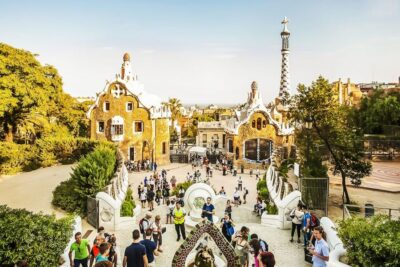 ★ 4.4Park Güell Admission TicketFrom $2576,534 reviews
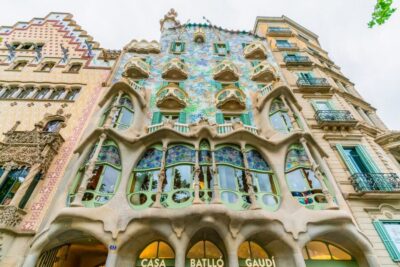 ★ 4.7Casa Batlló Entry with Self-Audioguide TourFrom $3425,359 reviews
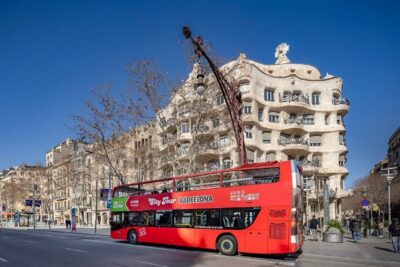 ★ 4.424 or 48-Hour Hop-On Hop-Off Bus TourFrom $3920,872 reviews
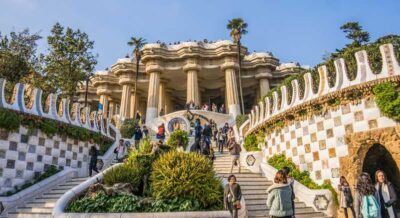 ★ 4.7Park Guell Guided Tour with Skip The Line EntryFrom $3117,563 reviews
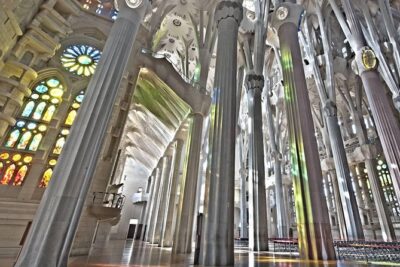 ★ 5.0Barcelona in 1 Day: Sagrada Familia, Park Guell,Old Town & PickupFrom $12013,541 reviews
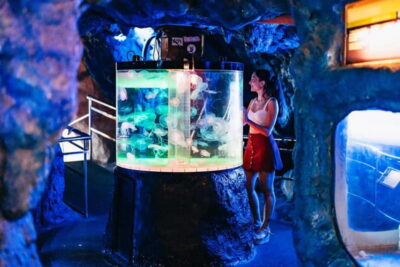 ★ 4.3Barcelona Aquarium: Entry TicketFrom $3113,335 reviews
 ★ 4.8Sagrada Familia Skip-the-Line Entry Ticket & TourFrom $6712,789 reviews
 ★ 4.4FC Barcelona Museum “Barça Immersive Tour” TicketFrom $3510,944 reviews