
REVIEW · BARCELONA CITY TOURS
Barcelona: Picasso Walking Tour with Picasso Museum Tickets
Picasso in Barcelona is personal, not distant. This tour is a smart way to pair a quick, street-level orientation with Picasso Museum entry, so you can spend your real energy looking closely at his early work. I especially liked that it’s small-group and includes skip-the-ticket-line access, which helps you get moving fast.
I also like how the visit is split: a short meet-up with an outside guide (if you pick that option), then you get time to roam the galleries on your own. The drawback to think about is that the guided portion does not run inside the museum, and the tour is not built for wheelchair users or people with mobility impairments.
Key Things That Make This Tour Worth Your Time
- Small group (limited to 8) keeps the start organized and the vibe less chaotic.
- Skip the ticket line helps you use your 2 hours well.
- Optional outside guide gives you context before you enter.
- Self-guided museum time means you can linger with the pieces that catch your eye.
- A clear focus on Picasso’s “eras” helps you connect style changes to his life.
- Museum shop stop makes it easy to grab Picasso-themed gifts without hunting later.
Starting at the Picasso Museum: Fast Entry, Clear Start
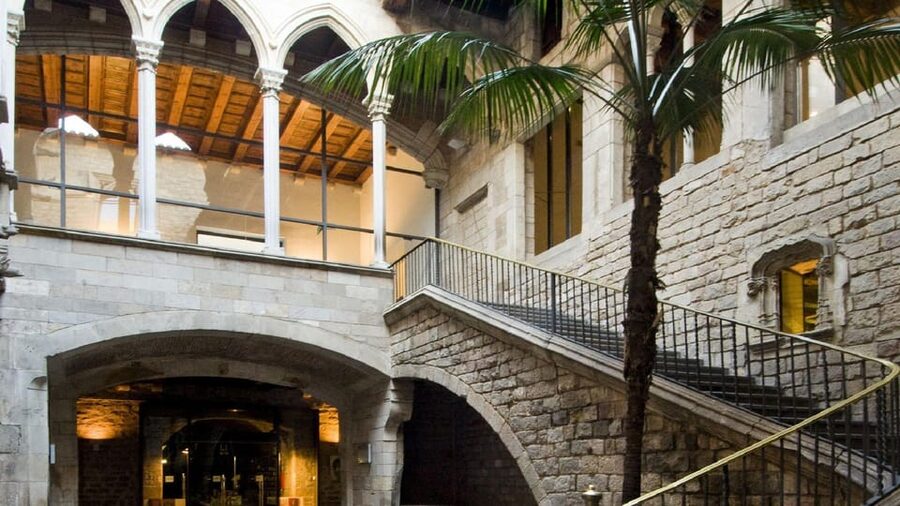
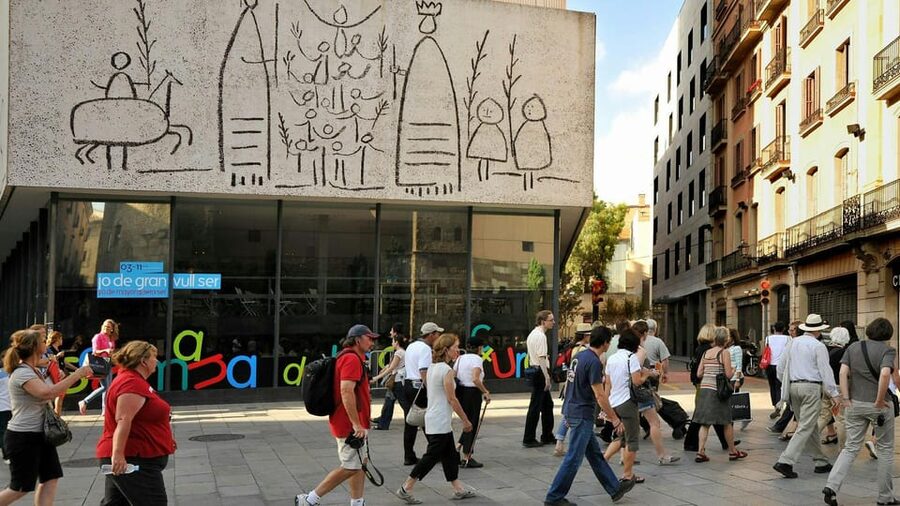
Meeting at the Picasso Museum in Barcelona is convenient because you’re not doing a long transfer or searching for a random corner. If you choose the guided option, you’ll start with a briefing by the outside guide that lasts about 30 minutes. That first chunk matters because Picasso’s work can feel confusing if you only jump in at Cubism mode and try to keep up on the fly.
Here’s what I’d aim for mentally: treat that briefing as a set of keys, not a full lecture. Then once you have your tickets, you’re in charge. The plan gives you about 90 minutes inside on your own, which is enough time to see the main galleries and still pause when something pulls you in.
The “small group, limited to 8” piece also matters more than it sounds. With a crowd, museum visits become a shuffle. With a smaller group, you can ask practical questions during the briefing and not feel rushed.
More Barcelona tours and experiences for the shortlist

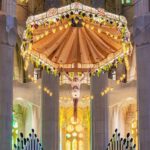
Outside Guide Briefing: The Orientation You Actually Use
If you select the guided option, the outside guide meets you with your tickets. You’ll then do a short meet-up and a walk that’s meant to help you understand the neighborhood and its connection to Picasso’s early world. The guide will not accompany you inside, but you’ll get a quick setup so your museum time has direction.
This is also where you can ask the kind of questions that improve your visit instantly, like how to spot transitions between periods, or what to pay attention to when the style shifts from painted scenes to geometric forms. The guide is listed as English and Spanish, which is helpful if you want real-time clarification rather than translating everything from an app.
If you choose Tickets Only, you skip the guidance altogether. That option can still work if you love museums independently, but it removes the helpful “how to read what you’re seeing” layer that makes the visit feel smoother.
Entering the Galleries: Early Works First, With Purpose
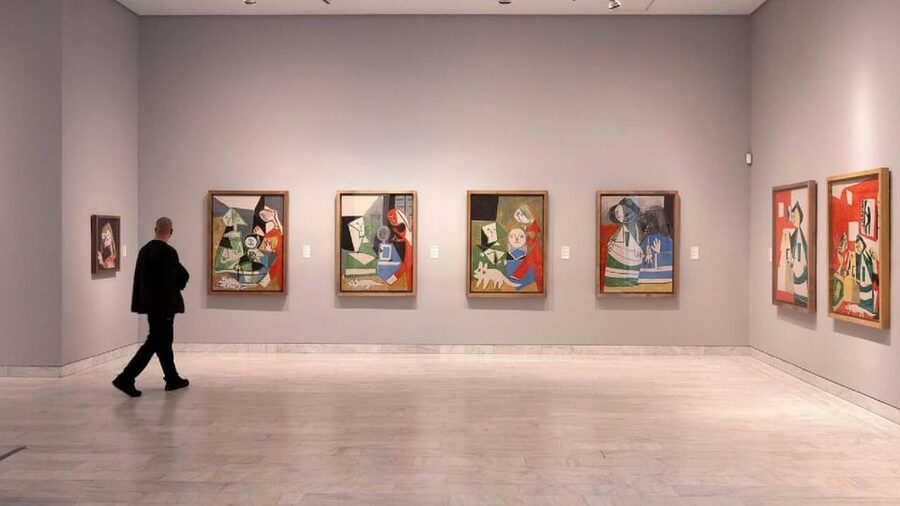
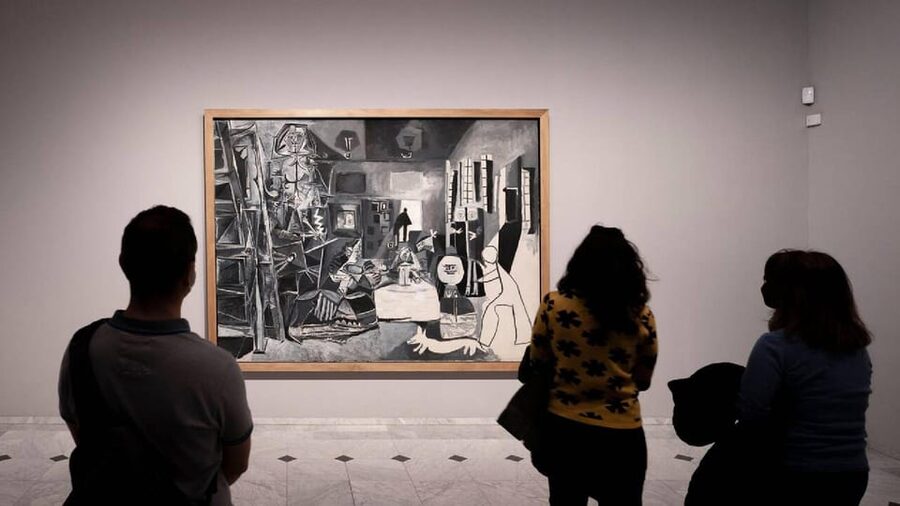
Once you’re inside, your self-guided pace really takes over. The museum visit starts you off with early paintings, sketches, and drawings, which is exactly where you’ll want to begin if your goal is to understand Picasso, not just admire him.
Why this works: early work shows you that his genius was not instant. You can see experiments, changes in technique, and a movement toward the style for which he’s famous. I like starting with this because it turns Picasso from a name on a poster into a person trying things, failing, and trying again.
You may also find that an audio guide (if available during your visit) helps you connect the pieces to what you’re seeing. The tour info hints that you might need one to understand the artworks better. Even if you don’t use it for every room, having it available is useful when labels feel too short for what you’re curious about.
Practical tip: wear comfortable shoes. You’re moving through multiple galleries, and you’ll want to be able to stop without thinking about your feet.
Blue Period: The Color and the Mood to Look For
Picasso’s Blue Period is where many people get their first emotional hook into his work. Expect “sad beauty,” with a strong presence of blue tones and themes that connect to being poor, hurt, or alone.
When you’re looking, don’t just scan for the color. Try to notice how the emotional tone shows up in bodies, expressions, and the overall stillness. Blue isn’t only a palette choice here. It’s the setting for the feeling of the work.
If you tend to get overwhelmed in big museums, this is a good place to slow down. Pick one or two pieces and really stare. The more you let the mood sit with you, the more you’ll understand why this period is so often singled out.
Rose Period: A Shift Toward Lighter Themes
Then the museum shifts into the Rose Period, and that change is part of the point of the visit. You’ll see brighter colors and themes tied to love and happiness, along with references to circus artists and harlequins.
This is one of the most useful sections for understanding Picasso’s style evolution. It shows that his artistic changes were not random. They track shifts in subject matter and tone. The tour info points out how circus performers and harlequins shape this collection, so it’s worth checking whether the faces, costumes, and movement-like poses are what feel different compared to the Blue Period.
If you’re the type who thinks “Picasso is only Cubism,” the Rose Period section is a wake-up call in a good way. It helps you see him as a storyteller who could switch emotional gears.
You can also read our reviews of more walking tours in Barcelona






Cubism Exhibition: How to See the Shapes Without Getting Lost
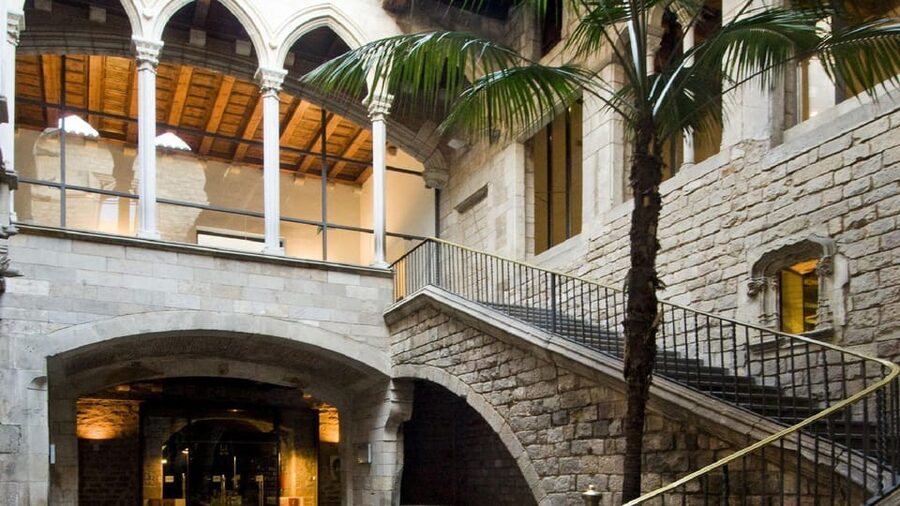
Next comes the Cubism section, described as Picasso’s groundbreaking work with geometric shapes and broken-up forms seen from different points of view. Cubism can be intimidating if you expect it to work like a landscape painting.
Instead, treat it like a puzzle with rules. Ask yourself: what object is being referenced here, even if it’s fractured? Where do the lines suggest depth? Are you seeing multiple angles stacked in one space?
This is also where your visit becomes interactive in your head. You don’t need to “get it” right away. In fact, if you spend a few minutes rereading a single piece, your brain usually starts mapping the geometry.
If an audio guide is available, you might use it for one Cubism work to learn the context of what you’re seeing. But the best skill here is patience. Cubism rewards slow looking.
Sculptures and Ceramics: Picasso in Three Dimensions
One of the most practical reasons to choose a tour like this is that it doesn’t stop at paintings. You’ll also see sculptures and ceramics, which add a whole new layer to Picasso’s creativity.
Three-dimensional work changes how you read the artist. Instead of asking how Picasso paints light, you start asking how he shapes volume. The tour info emphasizes “three-dimensional parts” and creative materials, so you can expect a section that feels more physical and experimental than the flat gallery rooms.
If you love hands-on creativity, this might be the most fun part. Ceramics and sculptures can feel surprising because they show Picasso working with form, texture, and structure in ways that painting only hints at.
Picasso’s Workshop: The Studio Feel Without the Guesswork
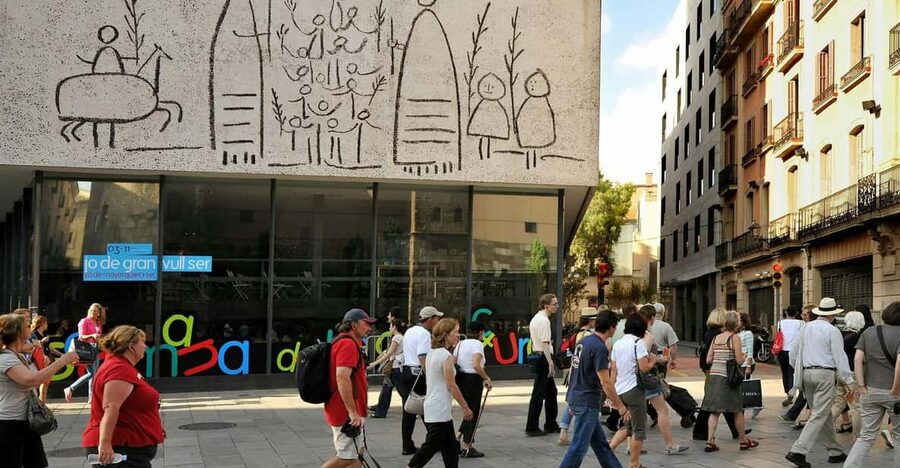
The visit includes a look at Picasso’s workshop, described as a glimpse into the creative space where he produced well-known works. This section gives you an insight into his imaginative process and how he transformed ideas into finished art.
Even if you don’t know a lot of art history, this kind of studio stop helps you understand the human side of creativity. It’s one thing to see results on walls. It’s another to imagine the workflow that leads there.
I find workshop-style exhibits especially helpful when Cubism makes you feel too focused on theory. Suddenly, you remember there’s a person behind the innovation, moving pieces around, testing ideas, and changing direction.
Museum Shop: A Simple Last Stop for Picasso-Themed Gifts
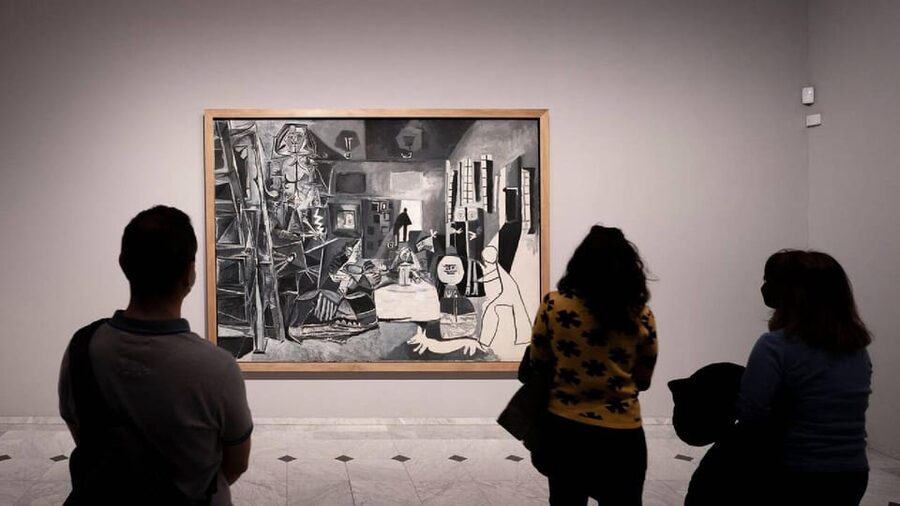
Before leaving, the experience wraps with time at the museum shop for Picasso-themed items and unique gifts. This is a low-stress way to shop because you don’t have to wander around later hoping to find something that feels authentic to the place.
If you’re traveling with family or you want a practical souvenir that doesn’t require a suitcase full of magnets, this is a good moment to browse. I suggest doing this after you’ve fully looked at the museum, so the shop doesn’t distract you from the actual art.
Price and Value: Is $37 a Good Deal for Two Hours?
At about $37 per person for roughly 2 hours, this is positioned as an entry-ticket bundle with an optional outside guide and a small group size. The value is strongest if you like two things: (1) getting in cleanly with skip-the-ticket-line, and (2) using a brief orientation to help you understand the periods.
If you’re comparing options, consider what you’re paying for:
- Entry tickets are included.
- The guided option includes an outside guide who meets you and briefs you, but does not guide inside the museum.
- The “Tickets Only” option removes guidance, so the value depends more on how comfortable you are self-navigating.
Be aware that the overall rating sits at 3.5 based on 93 reviews, and there are negative reports tied to closures and confusion around what the ticket-only option includes. I can’t predict your experience, but it’s smart to double-check the option you selected and to verify the museum schedule close to your visit.
If you want a smooth start and minimal waiting, this price can feel fair. If you’re strictly chasing the lowest cost and you’re very independent, it may be worth comparing ticket-only entry options available to you.
Timing That Fits Real Barcelona Days
This is a compact visit. About half your time is outside the galleries at the start (with the guided option), then you’re inside for most of the time on your own. That structure helps if you’ve got limited museum hours or you want to keep the rest of your day flexible.
Also, the meeting point is already at the museum, so you’re not adding transit time. For a city with constant walking, this matters. Your time goes into art, not logistics.
The tour also requires comfortable clothes and comfortable shoes, and it is not set up for people traveling with luggage or large bags. Plan to travel light and keep your day moving.
Who This Tour Fits Best
This experience is a strong match if you:
- love Picasso and want to see early works and major shifts like Blue, Rose, and Cubism in one trip
- want some guidance to orient you, but you prefer exploring at your own pace inside
- enjoy small groups and dislike long waits
It’s less ideal if you:
- need wheelchair access or mobility-friendly routes, since it is marked as not suitable for wheelchair users
- want a fully guided museum tour inside the galleries, because the guide stops after tickets
If you’re traveling with someone who wants structured context and you want freedom to linger, the split format can actually work nicely.
Should You Book This Picasso Tour With Museum Tickets?
Book it if you want a practical way to see a lot of Picasso in a short window, with skip-the-ticket-line and an optional outside guide briefing that helps you read the museum better. It’s especially worth it if you tend to enjoy museums independently but still want a little setup to reduce confusion.
Don’t book it (or think twice) if you specifically want a guide inside the galleries, or if you’re concerned about matching the exact option you choose to what you want from the experience. Also, if you’re very sensitive to last-minute changes and museum closures, you should verify the museum is open on your visit date before you commit your day.
FAQ
What is the duration of this Picasso tour?
The experience runs for about 2 hours.
Where do I meet for the tour?
You meet at the Picasso Museum in Barcelona.
Does the tour include museum entry tickets?
Yes, entry tickets are included.
Do I get a guided tour inside the museum?
Not with this format. Even when the guided option is selected, the outside guide helps with tickets and briefing, then you explore inside on your own.
If I choose Tickets Only, what changes?
If you select the Tickets Only option, you will not receive guidance and you will complete the tour on your own.
What languages is the guide available in?
The live tour guide is available in English and Spanish.
Is this tour self-guided inside the museum?
Yes. After you get your tickets, you enjoy the museum galleries on your own.
More Tickets in Barcelona


More Tours in Barcelona




More Tour Reviews in Barcelona
Not for you? Here's more nearby things to do in Barcelona we have reviewed











More Barcelona City Tours worth opening.
 ★ 4.4Park Güell Admission TicketFrom $2576,534 reviews
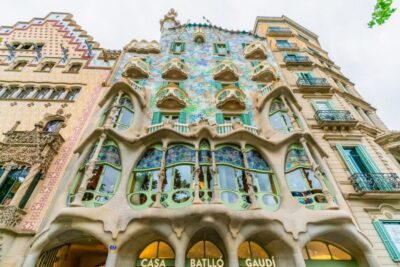 ★ 4.7Casa Batlló Entry with Self-Audioguide TourFrom $3425,359 reviews
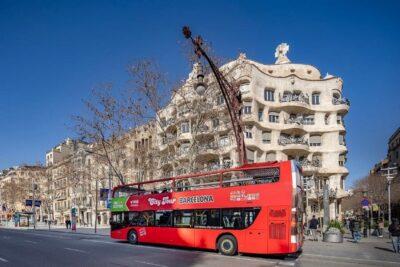 ★ 4.424 or 48-Hour Hop-On Hop-Off Bus TourFrom $3920,872 reviews
 ★ 4.7Park Guell Guided Tour with Skip The Line EntryFrom $3117,563 reviews
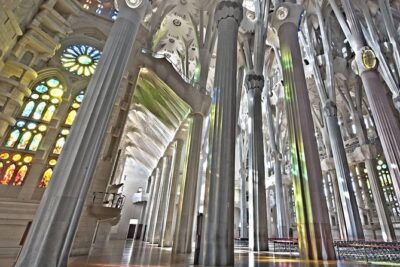 ★ 5.0Barcelona in 1 Day: Sagrada Familia, Park Guell,Old Town & PickupFrom $12013,541 reviews
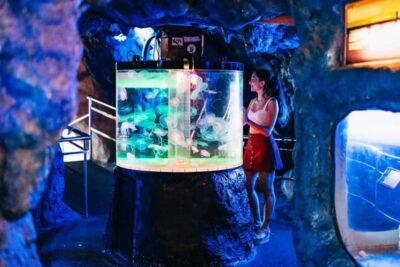 ★ 4.3Barcelona Aquarium: Entry TicketFrom $3113,335 reviews
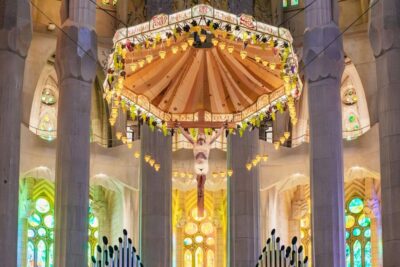 ★ 4.8Sagrada Familia Skip-the-Line Entry Ticket & TourFrom $6712,789 reviews
 ★ 4.4FC Barcelona Museum “Barça Immersive Tour” TicketFrom $3510,944 reviews
Continue by place or experience