
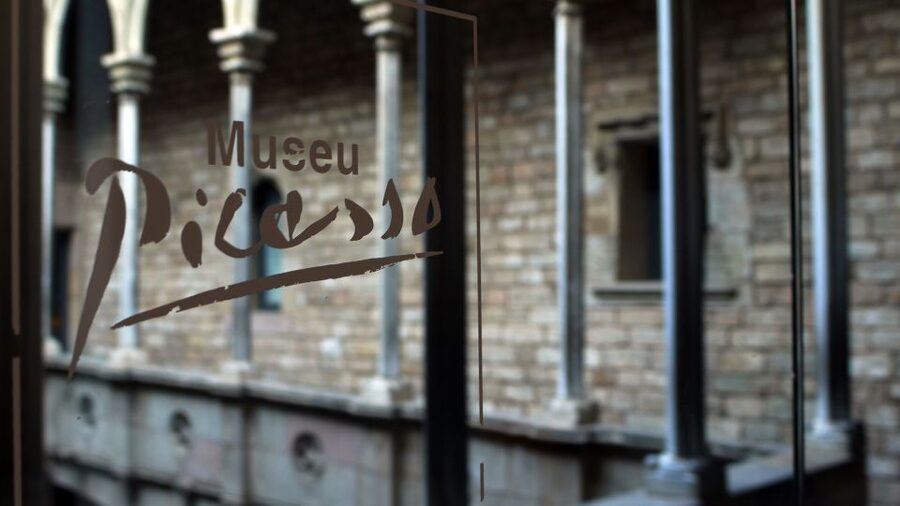
REVIEW · BARCELONA CITY TOURS
Barcelona: Picasso Museum Guided Tour
Picasso moves in fast leaps, not slow steps. This guided tour helps you understand how Pablo Picasso became Picasso, with skip-the-queues access and a clear story of his evolution inside the museum he inspired. I also like that you’re not just looking at highlights, you’re learning how the works connect to his life, including his years in Barcelona.
Two things stand out for me. First, you get inside the Picasso Museum, created during the artist’s lifetime, which makes the whole visit feel more immediate and grounded. Second, the guide walks you through the artist’s major periods, from his youth to his death, including the Barcelona chapter from 1895 to 1904. One consideration: the meeting point can vary depending on the option booked, so arrive early and plan for a bit of extra time to find it.
Key points at a glance
- Skip-the-queues entry so you spend more time in the galleries and less time waiting.
- Five medieval palaces (built between the 13th and 14th centuries) that add drama to the art.
- 3,500+ works and a focus on his full artistic evolution.
- Five signature periods covered with guidance: blue, pink, cubist, neoclassical, and surrealist.
- Small groups up to 20, plus a radio system to keep you connected to the guide’s explanations.
Picasso Museum in Five Medieval Palaces, With Skip-the-Line Entry
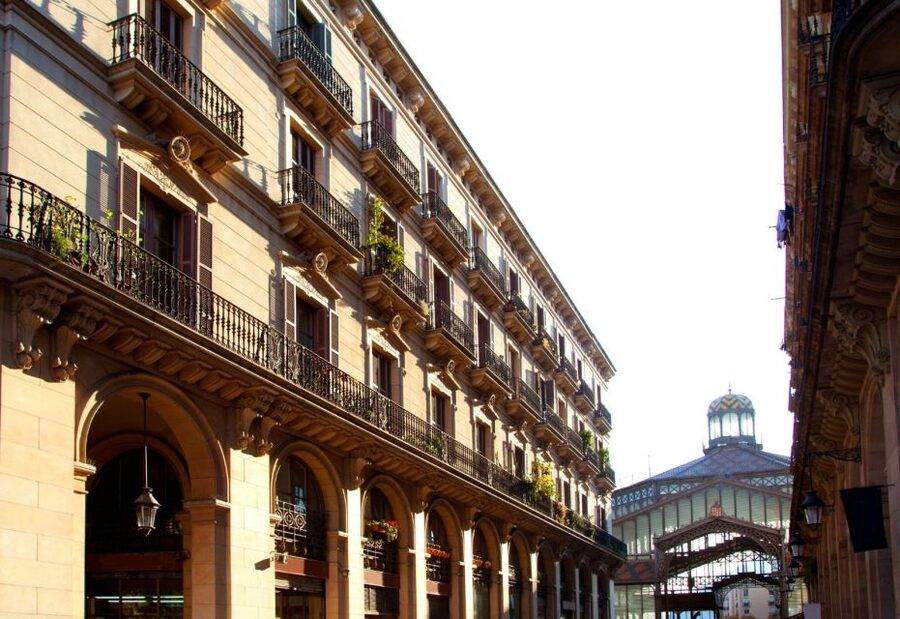
The best thing about this tour is simple: you walk into the Picasso Museum with skip-the-queues. The museum is popular, and that waiting time can eat the day. With the line handled for you, you can start absorbing Picasso right away.
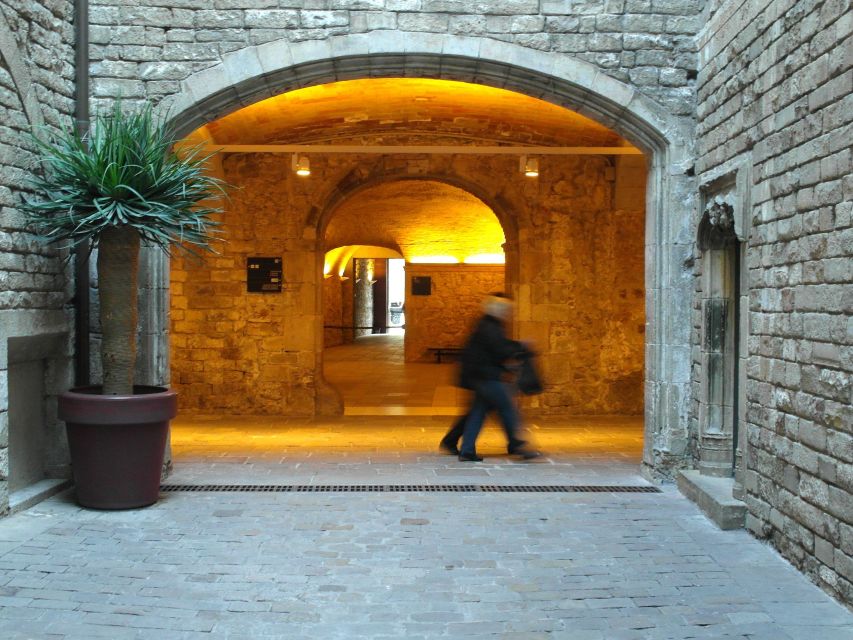
What makes this museum especially fun is the setting. It’s not one modern building. The museum grew over time from its original home, the Palau Aguilar, and today it spreads across five different palaces built between the 13th and 14th centuries. That means your Picasso experience happens in old rooms with their own atmosphere. It’s also a nice reminder that art does not exist in a vacuum, it lives inside real spaces.
For art lovers, the other big hook is the timing. This is the only museum created during Picasso’s lifetime, and it was made while he was still alive. That adds a subtle extra layer as you move through the collection, because you’re not only seeing what he made, you’re also seeing how his work was gathered and presented during his lifetime.
You can also read our reviews of more guided tours in Barcelona


Meet at Fossar de les Moreres, Then a Short Walk to Get Oriented
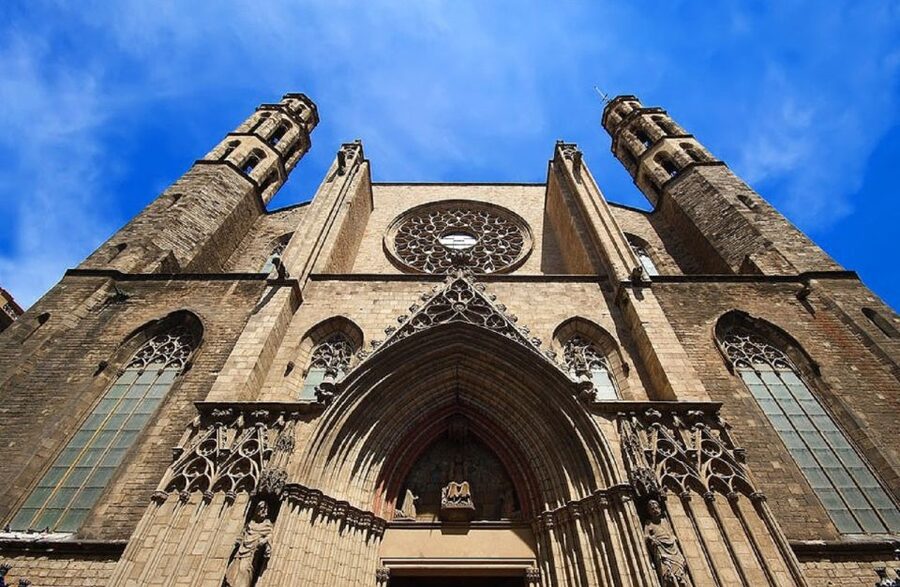
The meeting point is at Fossar de les Moreres. From there, you take a short walk to the Picasso Museum. Even though it’s brief, it matters. That walk helps you get your bearings in the historic core of Barcelona, and it sets you up to appreciate what you’re seeing once you’re inside.
If you’ve never been to this part of Barcelona, the easiest win is to treat the walk like orientation time. Comfortable shoes help because you’ll be moving, and the area around the museum is old city streets, not flat sidewalks. The good news is that this part stays short, so it doesn’t swallow your visit.
Do keep one small planning note in mind. The meeting point can vary depending on the option you book. So check your exact instructions before you show up, and aim to arrive a little early. It prevents that frantic late-minute shuffle that ruins the first moments of a tour.
The Guided Flow: From Picasso’s Youth to His Last Works
Once you’re inside, the guide’s job is to help you see Picasso as one artist, not a set of disconnected styles. The tour follows his evolution from his youth to his death, and it includes his Barcelona years between 1895 and 1904. That’s a key detail, because Barcelona isn’t just a backdrop for Picasso. It’s part of the story that shapes what he did and how he developed.
You also learn about what the museum holds and why it matters. The collection includes more than 3,500 works, and it’s described as the most complete in the world for Picasso’s works from his youth. That’s a big deal for your experience, because youth is where you see the seeds. You start to understand that Picasso’s later breakthroughs didn’t fall from the sky fully formed.
The guide organizes the story around five major periods: blue, pink, cubist, neoclassical, and surrealist. That matters because Picasso’s style changes can feel chaotic if you’re on your own. With a guide, you get a framework. You’re not just staring at famous images, you’re learning what changed, why it changed, and what you should pay attention to as you move between galleries.
Also, this tour includes a radio system. That is not a luxury detail. It helps you hear the guide clearly even when you’re standing at different angles in front of works. For a museum visit, good audio equals better understanding.
Blue, Pink, Cubism, Neoclassicism, Surrealism, and What to Look For
Picasso’s period shifts can feel like a magic trick. The tour helps you treat those shifts as a map. You’re guided through the five periods that cover his lifetime, so you begin to see the pattern in the change.
Here’s how I’d think about it while you’re listening.
In the blue and pink periods, you’re learning how mood and subject matter evolve. Instead of treating colors as trivia, focus on what emotion the works are carrying and how the subjects are chosen. It’s the kind of information that makes the museum feel more personal, not just historical.
Then comes the cubist phase. Cubism is often summarized as fractured forms, but a good explanation helps you notice the logic behind it. Watch how Picasso reorganizes space, and how he uses geometry to change what a painting does. A guided tour is helpful here because cubism can look like a puzzle unless you know what question you’re supposed to ask.
Next is the neoclassical period. That’s a helpful counterweight, because it shows Picasso could reach for order and classical references rather than only chasing radical experimentation. When you understand that Picasso wasn’t stuck in one mode, the whole collection feels more coherent.
Finally, the surrealist period rounds out the arc toward the imagination and the strange. Surrealism can be hard to interpret if you go in cold. With a guide, you get context that makes those works feel less like an intellectual test and more like a window into a mind exploring the rules of reality.
The biggest value here is not memorizing period names. It’s learning what to observe as you move room to room. Once you know what the guide is trying to show you, you stop passively looking and start actively seeing.
Small Groups, a Radio System, and a Pace You Can Follow
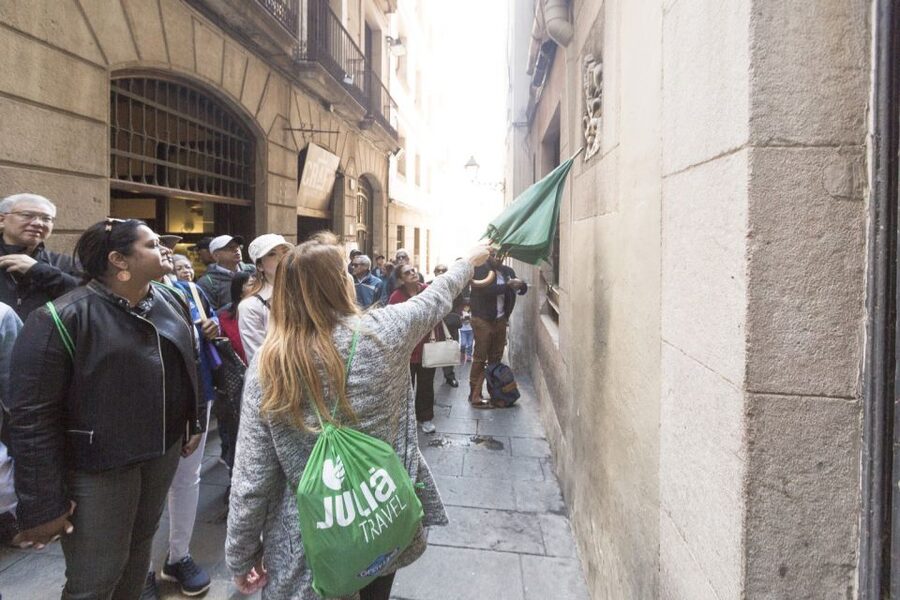
The tour is structured for comfort: a maximum of 20 travelers per guide. That size is big enough to keep it lively, but small enough that you’re not constantly squeezed or ignored. You also get the radio system, which keeps you connected to what the guide is saying. It’s especially useful in museums where you might naturally drift a half-step away to get a better view.
A practical takeaway: bring comfortable shoes. You’re walking from the meeting point, and inside, you’ll move between different parts of the museum across several buildings. The museum is spread across those palaces, so the layout adds gentle walking even if you stay in one zone for a while.
When guides are good, they do more than recite facts. They make connections. Some of the strongest feedback highlights guide styles that include helpful storytelling and human details. If you happen to get a guide known for that kind of pacing and friendliness, like Marta, Marina, Raul, or Isabelle, you’re likely to enjoy how the explanations land. Others, like Rod and Oliver Vilar Roça, are also noted for being clear and energetic. You can’t choose your guide from the data you provided, but it’s reassuring to see what tends to score highest: approachable delivery and strong knowledge.
You can also read our reviews of more museum experiences in Barcelona




After the Tour: Stay Longer and Build Your Own Picasso Route
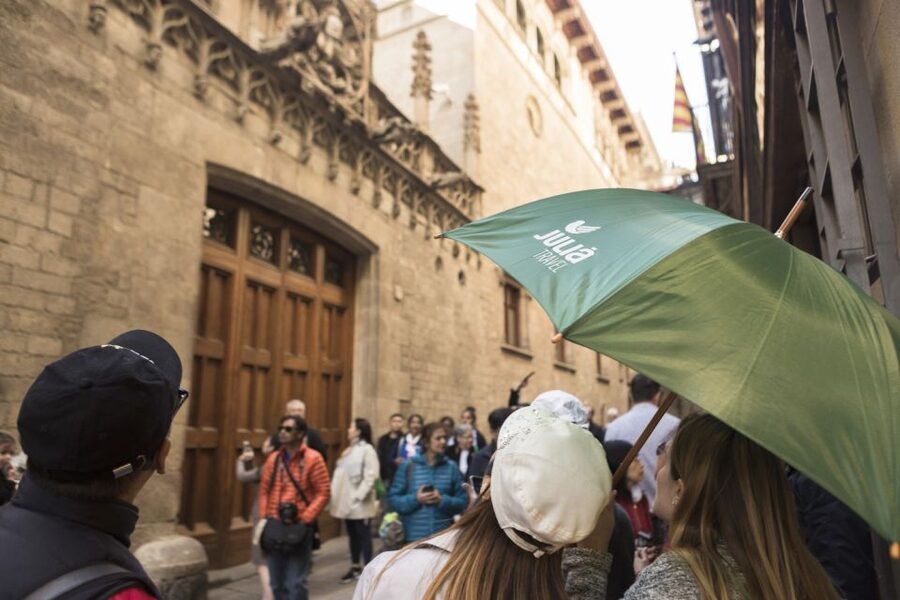
When the guided part ends, you’re not forced out. You can stay inside the museum for as long as you like. That’s a smart setup because it gives you two modes in one experience.
During the tour, you get the structure: Picasso’s evolution, the periods, and the stories behind key works. After the tour, you can switch to personal browsing. If you spot a painting that grabs you, you can return to it and look longer. If a particular period hooked you, you can spend extra time there.
I like this approach because it matches how people actually learn in museums. First you get the big picture. Then you go back for details that matter to you.
Price and Value for a Barcelona Picasso Museum Guided Tour
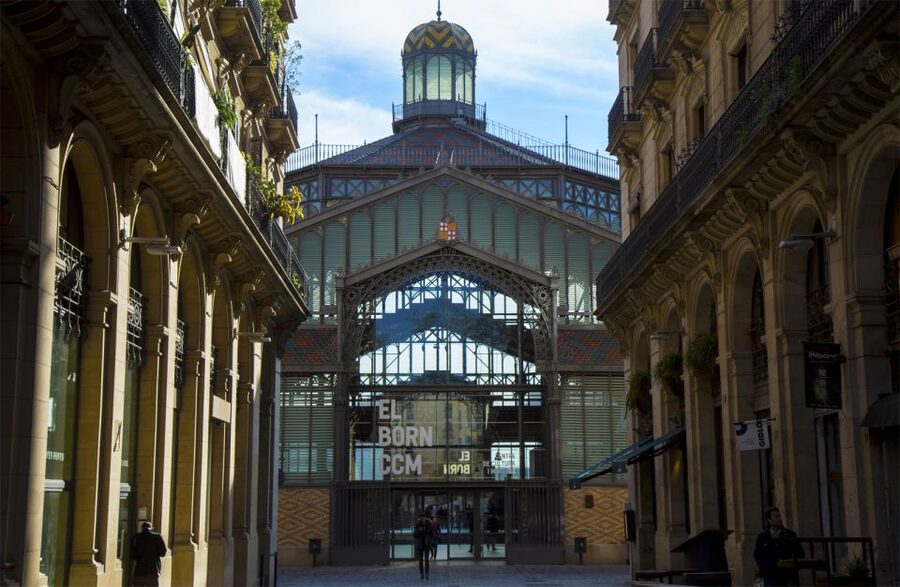
The cost is $42 per person for 1.5 to 2 hours. On paper, it’s not the cheapest way into a museum. But you’re paying for more than a ticket.
You get Picasso Museum admission, a live guide, and the radio system. Skip-the-queues also has real value. Time matters in Barcelona, and a museum visit can be slowed down by lines, especially at popular attractions. If you want the museum to be about art, not waiting, this format makes sense.
Where this price feels especially fair is when you care about understanding. If you’re the type who wants to recognize what you’re seeing and why it matters, the guide helps you get more from each room. Without guidance, you might enjoy the paintings but miss the connections that turn a visit into a story you remember.
Practical Tips Before You Go
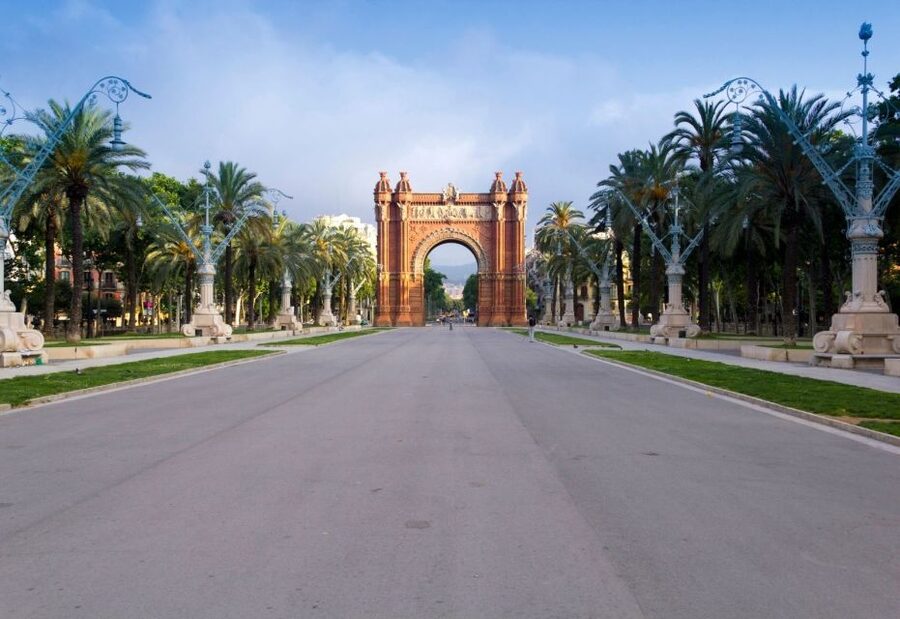
A few simple prep points can make this tour smoother.
Bring your passport or ID card. Wear comfortable shoes. The museum involves walking between rooms and palaces, plus you’ve got that short walk from Fossar de les Moreres.
Plan your expectations about the format. The tour is English and designed as a live guided experience. If you prefer silent museum time from the start, you might find it better to combine this with solo time after.
And one clear suitability note: it’s not recommended for children under 3 years old. That’s the only age restriction mentioned, so if you’re traveling with small kids, consider whether the length and the museum setting will work for them.
Who This Tour Fits Best (and Who Might Skip It)
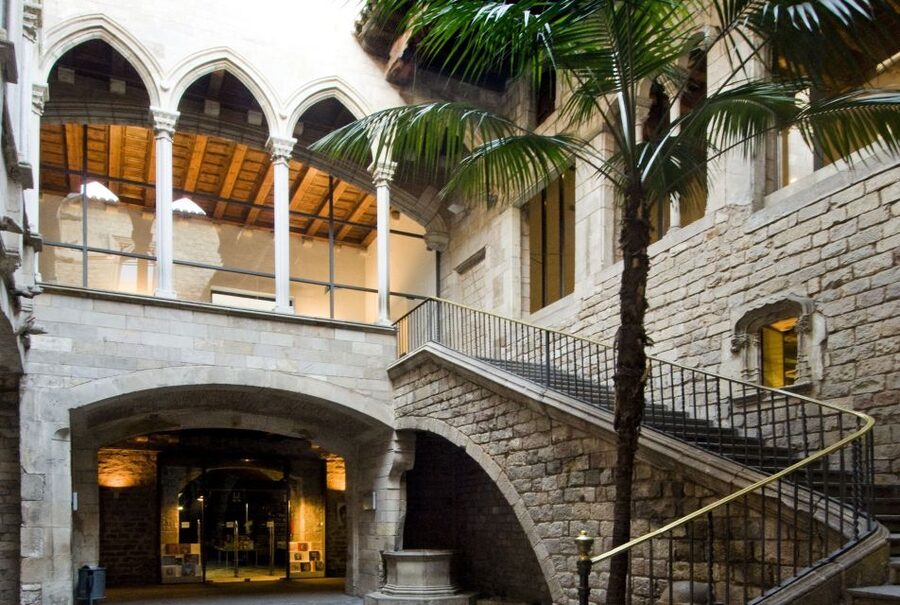
This is a great choice if you’re visiting Barcelona with one major art goal and you want it to land. You’ll likely enjoy it if you like guided context, enjoy learning how an artist changes over time, and want a structured walk through Picasso’s major periods.
It’s also a good pick for first-time visitors to the museum because it helps you navigate a complex collection. The museum spans multiple palaces, and Picasso’s output is huge. A guide helps you avoid wandering with no sense of what matters most.
If you’re the kind of person who needs absolute freedom, you might want to think twice. This is a guided experience, and while you can stay after, the first part is still teacher-led for 1.5 to 2 hours.
Should You Book This Picasso Museum Guided Tour?
If your goal is to understand Picasso, not just see famous works, I’d book it. The mix of skip-the-queues, a knowledgeable live guide, and the focus on his full evolution makes the time feel efficient. The museum setting in those 13th to 14th century palaces, plus the fact that it was created during his lifetime, gives you a visit with extra meaning.
Book it if you like the idea of being walked through the five periods: blue, pink, cubist, neoclassical, and surrealist, with an emphasis on his Barcelona years from 1895 to 1904. It’s also smart if you want to hear explanations clearly thanks to the radio system, and then keep exploring on your own when the tour ends.
If you’re hoping for total spontaneity from minute one, or you’re traveling with very young children under 3, you might prefer a different approach. But for most art-minded travelers, this is a strong way to get your bearings fast and see a lot without rushing.
FAQ
What is the duration of the Barcelona Picasso Museum guided tour?
The tour lasts about 1.5 to 2 hours.
Where is the meeting point?
The meeting point is at Fossar de les Moreres, though it may vary depending on the option booked.
Does the tour include skip-the-line or queue bypass?
Yes, the tour is designed to skip the queues so you can explore the museum more efficiently.
What language is the live guide speaking?
The live tour guide speaks English.
Is the radio system included?
Yes, the radio system is included.
What is included in the price?
The price includes Picasso Museum admission, a guide, and the radio system.
Is hotel pickup or drop-off included?
No, hotel pickup and drop-off are not included.
How many people are in a group?
The tour has a maximum of 20 travelers per guide.
Can I stay in the museum after the guided portion ends?
Yes, you can stay inside the museum for as long as you like after the tour.
Is this tour suitable for young children?
It is not recommended for children under 3 years old.
More Guided Tours in Barcelona


More Tours in Barcelona


More Tour Reviews in Barcelona

Not for you? Here's more nearby things to do in Barcelona we have reviewed









More Barcelona City Tours worth opening.
 ★ 4.4Park Güell Admission TicketFrom $2576,534 reviews
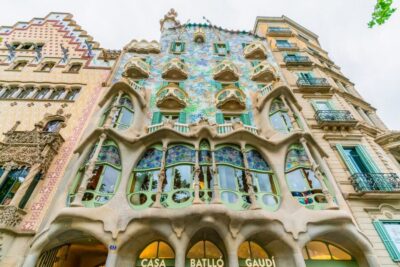 ★ 4.7Casa Batlló Entry with Self-Audioguide TourFrom $3425,359 reviews
 ★ 4.424 or 48-Hour Hop-On Hop-Off Bus TourFrom $3920,872 reviews
 ★ 4.7Park Guell Guided Tour with Skip The Line EntryFrom $3117,563 reviews
 ★ 5.0Barcelona in 1 Day: Sagrada Familia, Park Guell,Old Town & PickupFrom $12013,541 reviews
 ★ 4.3Barcelona Aquarium: Entry TicketFrom $3113,335 reviews
 ★ 4.8Sagrada Familia Skip-the-Line Entry Ticket & TourFrom $6712,789 reviews
 ★ 4.4FC Barcelona Museum “Barça Immersive Tour” TicketFrom $3510,944 reviews
Continue by place or experience