
REVIEW · BARCELONA CITY TOURS
Barcelona: PADI Scuba Diver Course Certification Training
One day, two worlds, three sessions. This PADI Scuba Diver training in Barcelona is built for first-timers who want structure, clear coaching, and a fast path to certification. I like that the instructor-led training is done in a small group of up to 6, which keeps feedback personal. I also like that the day is paced with a theory block followed by practice, so you are not guessing when you get in the water.
The main consideration is that the course runs like a serious class. You must arrive early, complete a medical questionnaire, and be cleared if you take certain medications or have certain conditions. Also, your underwater experience can depend on site conditions, so expect training to be the priority, not guaranteed spectacular visibility.
Key highlights to know before you go
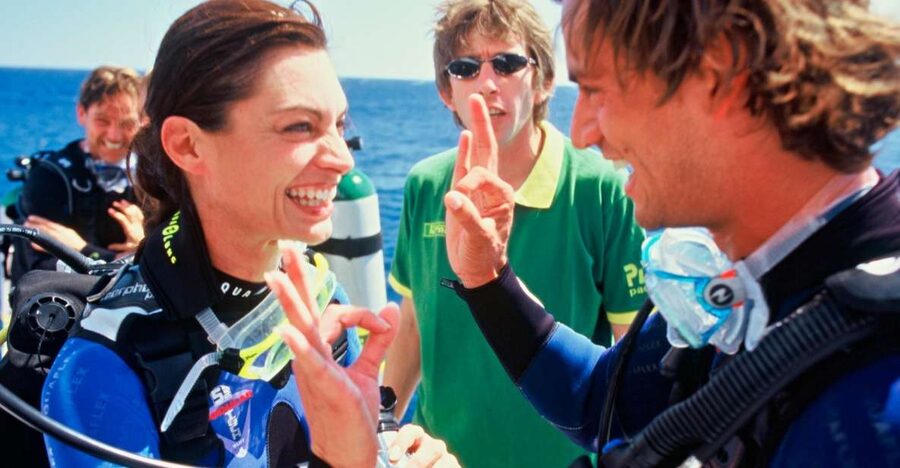
- 9:00 theory start with equipment use, safety, and underwater communication basics
- Three structured water sessions designed to cover what you need for the PADI Scuba Diver level
- Small group limit of 6, which helps instructors correct details before they become habits
- Patient, safety-first coaching, with instructors praised for calm teaching and clear explanations
- Equipment and PADI certification included in the $312 price, not just training time
- No food or drinks included, so you’ll want to plan your day around it
A one-day PADI Scuba Diver start in Barcelona
If you want a scuba credential without dragging it across a weekend, this one-day Barcelona course is built for you. You begin with classroom-style prep, then move into the water for the hands-on skills that turn theory into real control. It’s the kind of training format that helps you get your bearings fast and build confidence step by step.
Barcelona is a great backdrop for this because the city makes it easy to start your day with transit and still have time for normal sightseeing after. The course itself focuses on fundamentals. That means you will likely spend more time learning procedures and comfort than chasing novelty.
What stands out most from real experiences tied to this training is the teaching style. Instructors like Pau get called out for being patient, clear in English, and calm when someone needs extra explanation. Another instructor, Alex, is noted for staying flexible based on weather. That matters, because underwater training is where good instruction can turn nerves into steady breathing.
You can also read our reviews of more scuba diving tours in Barcelona

Your day plan: 9:00 theory, three water sessions, finish at 19:00
This is a full, single-day program, and the timing is straightforward. You start at 9:00am with a theory session. You’ll cover the basics you need to stay safe and organized underwater, including how the equipment works and how you will communicate underwater.
After the theory portion, you go to the water point and complete three different water practice sessions with your PADI certified instructor. The course is designed so you practice what you just learned. In practice, that usually means you get repeated chances to build the same core skills until they feel natural.
The day ends at 19:00. By that time, you’re already certified at the PADI Scuba Diver level. That is a big part of the value here, because you’re not paying for a training block without the credential attached.
One practical note, the schedule depends on the activity start time you book, but the course description consistently places theory at 9:00. Either way, build your day around a full commitment. This is not a drop-in “try it” session.
What you actually practice for certification, and why it’s worth it
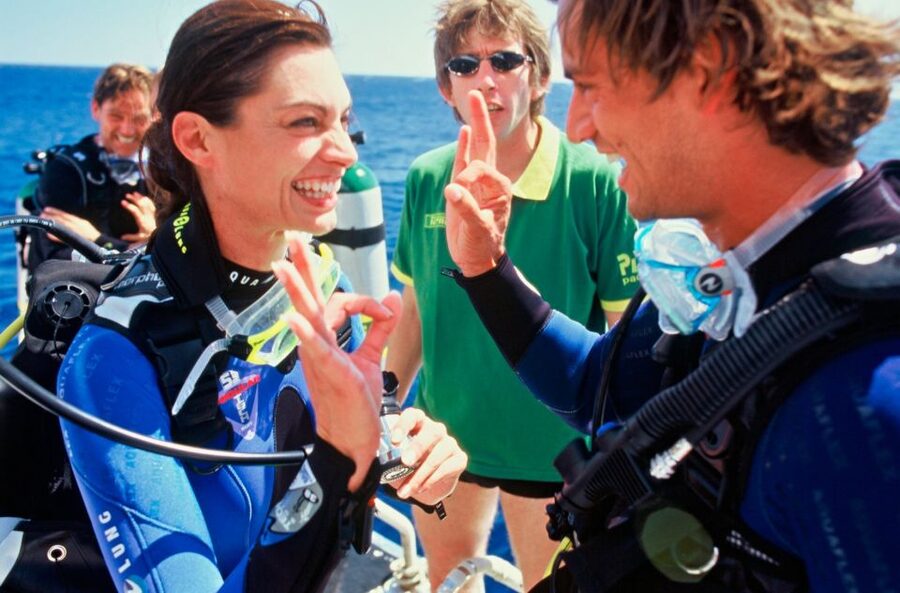
This course is not just about getting underwater. It’s about learning the skill system behind safe, comfortable scuba at the PADI Scuba Diver level. The theory covers equipment basics and underwater communication, which are two areas beginners often underestimate.
In a well-run class, equipment basics are where anxiety drops. When you understand what each piece does, you stop second-guessing yourself the moment you feel pressure, buoyancy, or gear motion. You also learn how signals work underwater, which reduces confusion in the moment.
Then the three water sessions take those concepts and turn them into muscle memory. You practice in a safe and controlled environment, so your instructor can correct small issues early, before they turn into bigger problems. This is also why the small group limit helps. With fewer students, instructors can check on each person without rushing.
If you want the upside, it’s this: after a course like this, you can dive and enjoy marine life elsewhere with the right setup and guidance. That part is stated clearly in the course goal. Even so, you should treat this as training first. Underwater time is where you build competence, not where you chase the best possible visibility.
A final reality check from the experiences tied to this training: underwater conditions can affect what you see. One experience mentioned poor water visibility and not much to see at that venue. That doesn’t mean the course is bad, it means you should choose it for the certification and instruction, not for guaranteed scenery.
Instructors, coaching style, and the small-group advantage
The course runs with a PADI certified instructor, and you’re not thrown into a large class with random partners. The group size is limited to 6 participants, which is a sweet spot for beginner learning.
When groups are small, instructors can do the unglamorous work well. That includes explaining slowly, checking understanding, and repeating key points without making anyone feel behind. This is exactly what you see reflected in the best feedback for instructors like Pau, praised for patient teaching and calm follow-ups when students needed it again.
It also helps that instructors operate in Spanish, English, and Italian. Language support matters in scuba training, because safety procedures and communication rules have zero margin for confusion. If you’re choosing based on comfort with instruction, this multilingual setup is a practical plus.
If weather changes plans, flexibility can be a lifesaver. Alex is specifically mentioned for adjusting the course according to weather needs. That kind of adaptability is not just convenient. It often keeps your learning smooth and avoids last-minute chaos.
Where you meet in Barcelona, and how to make arrival painless
You meet at iDive BCN offices, at Avinguda Diagonal 72. This is a location that’s easy to reach if you’re already moving around central Barcelona. For your best experience, treat arrival like part of the course.
You must arrive 15 minutes before the start time. Late arrival means you may not be allowed to join, and there are no refunds or rescheduling due to being late. That rule is blunt, but fair. Scuba training is timed for safety and equipment readiness.
Once you arrive, you’ll fill out a medical form. That’s not paperwork as a formality. It determines whether you can participate based on health questions and whether you need medical permission.
If your answers indicate you need permission, you won’t be allowed to carry out the activity. If the activity is denied due to a health issue, the money is not returned and you won’t automatically get another appointment. If you’re unsure about your situation, it’s worth checking medical guidance before you plan your schedule around this course.




Price and value: what $312 really covers
The price is $312 per person for a one-day program. For most first-timers, the smart way to judge value is to list what’s included and what’s not.
Included:
- Diving equipment
- PADI certification
Not included:
- Videos or photos
- Food or drinks
That “certification included” piece is a big deal. You’re paying for training tied to the credential, not just a skills intro. Equipment included also saves you from the common budget pitfall of renting gear separately.
The catch, you still need to manage your comfort and energy. Because food and drinks are not included, you’ll want a plan for lunch or snacks around the course day. Bring what you can to stay comfortable, especially if your schedule runs from early theory through the evening.
Also remember the course includes three water practice sessions. That is not a long program, so you should expect focused coaching and real participation. If you want slow, casual water time, this might feel intense. But if you want results in one day, that intensity is the point.
What to bring, what to wear, and what not to do
Packing is easy, but it matters. You should bring:
- Swimwear
- Towel
- Beachwear
That simple list tells you the course is set up for a full water-to-dry rhythm. Wear something you can move in, and bring a towel you’re okay using for training mess and wet gear.
Rules on your behavior are also part of the safety package:
- Alcohol and drugs are not allowed.
Beyond that, follow the course’s health guidance closely. You are expected to be in good health, and you must not be taking medications prescribed by a doctor. If you are on any prescription medication, this can become a deal-breaker for participation based on the medical questionnaire outcome.
If you want to keep the day smooth, plan your day so you’re not rushing to get ready, and arrive with enough buffer time to complete the medical form without stress.
Who this course fits best, and who should think twice
This is not for every body type or health profile, and the list is specific. It is not suitable for:
- Children under 12
- Pregnant women
- People with back problems
- People with mobility impairments
- People with heart problems
- Wheelchair users
- People with respiratory issues
- People with diabetes
- People with pre-existing medical conditions
- People with recent surgeries
- People over 70 years
That might sound strict, but it’s also a clear signal that the course is safety-first in a practical way. If you fall into any of these categories, your best move is to check with the provider or a medical professional before booking.
The course also asks you to wait 24 hours to fly after the course. That matters if you’re chaining Barcelona to another destination right after training. Build in at least a day of buffer so your travel plans don’t turn into last-minute stress.
If you meet the health criteria and want a fast credential, the small group and structured coaching style make it a strong fit. It’s especially good for people who learn best with calm instruction and hands-on practice in a controlled setting.
Underwater expectations: certification first, marine life second
The highlight is clear: you’re earning the PADI Scuba Diver credential with training in a safe environment, supported by equipment and instruction. That means your underwater time is designed around skill practice.
So set expectations accordingly. You might see marine life, but the training objective is your buoyancy, control, safety routines, and communication underwater. One experience mentioned poor water visibility and not much to see around the venue. That kind of condition can happen and it does not reflect the quality of coaching, it reflects what day you got.
If marine life viewing is your main goal, you can still enjoy it, but you should plan your schedule with the understanding that visibility can change and the venue may prioritize training needs.
Photos, videos, and how to document your day
This course includes equipment and certification, but it does not include videos or photos. So if you care about having a professional record of your underwater practice, plan for it outside this package.
If you’re the type who likes photos for memories and proof, you’ll probably want to handle documentation yourself. Just keep in mind that you should follow instructor rules about what you can do during training.
The bigger win here is not a photo package. The bigger win is leaving with a credential and real confidence in core scuba procedures.
Should you book this Barcelona PADI Scuba Diver course?
You should book if you want a one-day pathway to a recognized credential, and you value calm, patient coaching in a small group. The strongest signal is the way instructors are described: clear explanations, steady communication in English, and careful attention to making sure each person understands.
You should pause and ask more questions before booking if you have any health concerns, take prescribed medication, or you have tight travel plans without the 24-hour post-course flying buffer. Also pause if your main goal is impressive underwater scenery. This is training first, and underwater visibility and what you see can vary.
If you do fit the course profile, it’s a smart value. You pay $312 for equipment plus PADI certification, and you get a full day that ends with you already certified at the PADI Scuba Diver level.
FAQ
How long is the Barcelona PADI Scuba Diver course?
It runs for 1 day. The day starts at 9:00am with theory and finishes at 19:00pm.
How many water sessions do I need for certification?
The course earns your PADI Scuba Diver certification with 3 different water practice sessions.
What is included in the price?
The price includes diving equipment and your PADI certification.
What should I bring with me?
Bring swimwear, a towel, and beachwear.
Who is the course not suitable for?
It is not suitable for children under 12, pregnant women, people with back problems, mobility impairments, heart problems, wheelchair users, respiratory issues, diabetes, pre-existing medical conditions, recent surgeries, and people over 70.
When can I fly after completing the course?
You must wait 24 hours to fly after the course.
What languages will the instructor use?
The instructor can work in Spanish, English, and Italian.
More Scuba Diving Tours in Barcelona
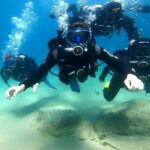
More Tour Reviews in Barcelona
Not for you? Here's more nearby things to do in Barcelona we have reviewed









More Barcelona City Tours worth opening.
 ★ 4.4Park Güell Admission TicketFrom $2576,534 reviews
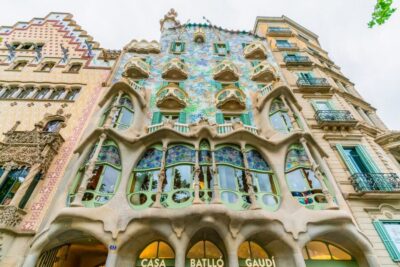 ★ 4.7Casa Batlló Entry with Self-Audioguide TourFrom $3425,359 reviews
 ★ 4.424 or 48-Hour Hop-On Hop-Off Bus TourFrom $3920,872 reviews
 ★ 4.7Park Guell Guided Tour with Skip The Line EntryFrom $3117,563 reviews
 ★ 5.0Barcelona in 1 Day: Sagrada Familia, Park Guell,Old Town & PickupFrom $12013,541 reviews
 ★ 4.3Barcelona Aquarium: Entry TicketFrom $3113,335 reviews
 ★ 4.8Sagrada Familia Skip-the-Line Entry Ticket & TourFrom $6712,789 reviews
 ★ 4.4FC Barcelona Museum “Barça Immersive Tour” TicketFrom $3510,944 reviews
Continue by place or experience