
REVIEW · BARCELONA CITY TOURS
Barcelona: Olympic and Sport Museum – Sports Experience
Sports fans, this museum feels like training. On Montjuïc hill, the Barcelona Olympic and Sport Museum mixes Olympic storytelling with hands-on sports simulators and memorabilia you can actually interact with. It is a great way to spend a focused day on the sport side of Barcelona, without needing to be an expert on Olympic history.
I especially like the race and technique stations. You can go head to head at sprint-style challenges inspired by Carl Lewis and Usain Bolt, then check out swimming technique training linked to athletes like Mark Spitz and Michael Phelps. I also really enjoy the museum’s broader approach, it covers Paralympic history and multiple sports, not just the Olympic winners.
One thing to consider, the museum can feel a bit smaller than you might hope. If you are expecting a huge, Barcelona specific deep catalog of the 1992 Olympics, you may find the most detailed parts are concentrated in certain areas.
Key things I’d plan around
- Run and compete against sprint legends through interactive challenges inspired by Carl Lewis and Usain Bolt
- Practice sport technique, not just watch it with stations for swimming, cycling, and even weightlifting style experiences
- More than Olympic sports with sections that touch football, Formula 1, skiing, cycling, canoeing, and tennis
- Idols and athlete memorabilia moments including trophies, milestones, and a Samaranch collection
- Paralympic section with specific sports like football for the blind and visually impaired, and wheelchair basketball
- Temporary exhibitions included with your entry such as the COPLEFC photography contest and the International Art on Paper award
Why the Olympic Museum on Montjuïc is an easy win
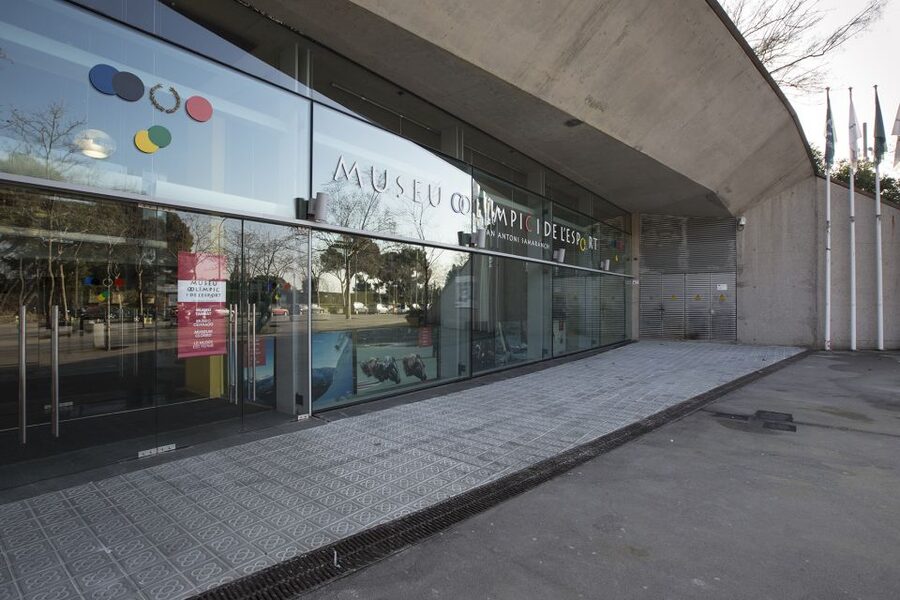
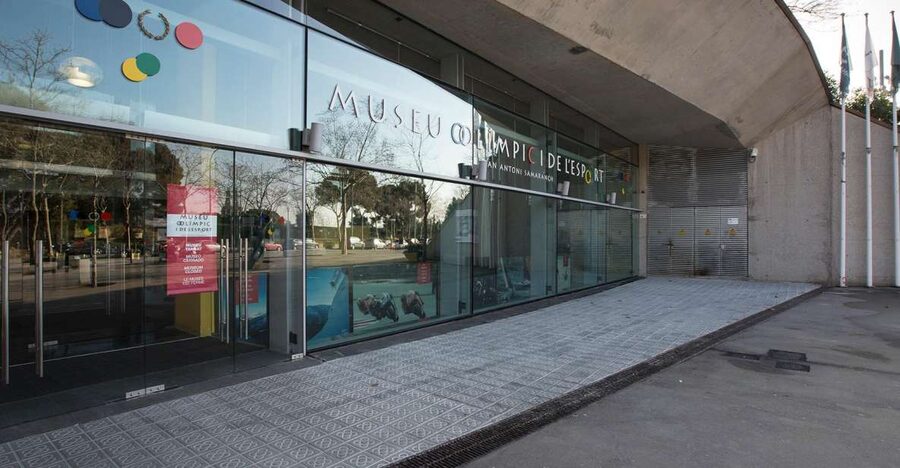
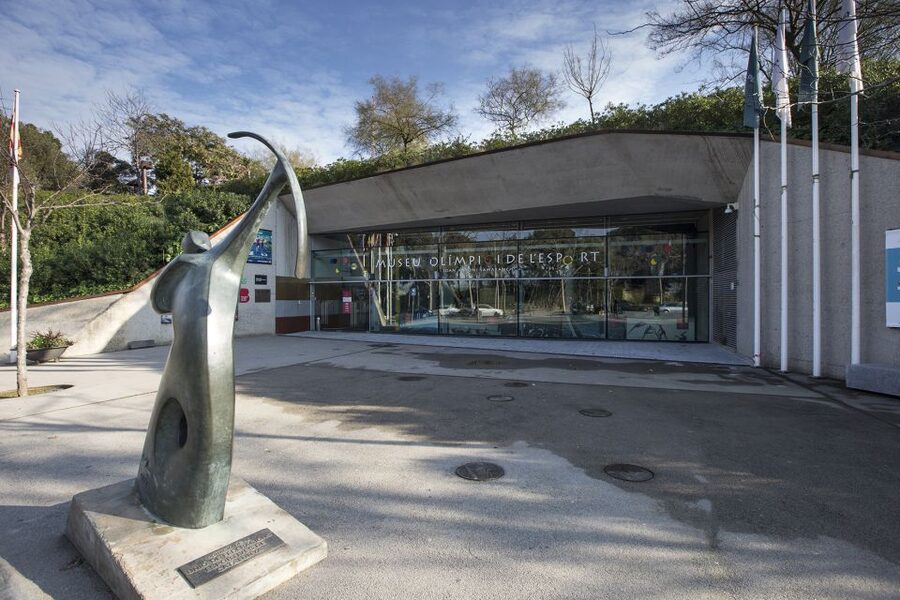
If your idea of fun in Barcelona includes sport gear, athlete stories, and hands-on challenges, the Olympic and Sport Museum is a smart one-day stop. It sits on Montjuïc hill, so you are already in a part of town tied to big events and major venues, even before you walk inside.
What makes this place work is that it is not only about watching videos or reading labels. The museum is built around interactive experiences, plus history you can connect to real sports moments. For many people, that hands-on angle is the difference between a quick glance and a full hour of paying attention.
I also like that the museum avoids a narrow tunnel vision. It brings in both Olympic and non-Olympic sports, which helps if you have kids, or if your sports tastes range from track to swimming to cycling. One visitor even called out the calm vibe inside, which can make the museum feel less like a rushed attraction and more like a relaxed play session with good context.
You can also read our reviews of more museum experiences in Barcelona



Entering and getting oriented inside the museum
Your visit starts with the ticketed museum entry, and from there the layout naturally nudges you through different sports zones. The museum includes practical basics like Wi-Fi and toilets, so you can stay focused on the fun part instead of planning a lot of detours.
When you walk in, my advice is to pick your first interactive station quickly. Some people want to start with history, but the hands-on parts are usually where the momentum is. Once you get going, it is easier to connect what you are doing with what you are learning afterward.
A small logistics note for your expectations: the experience is designed for families and multiple ages, so you will find both lighter, play-like sections and more information-heavy areas. If you like museums that balance entertainment and learning, you will probably enjoy that mix.
The interactive sports zones, from sprint challenges to weightlifting vibes
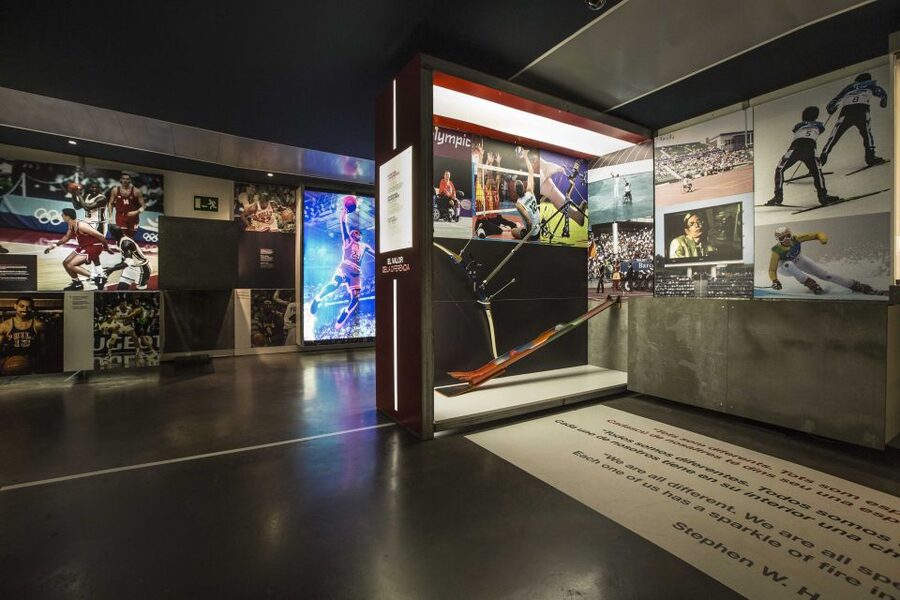
This museum is at its best when you treat it like a training circuit. The interactive elements are not just gimmicks, they are the reason you should come.
Here are the highlights I would put at the top of your plan:
Sprint and running challenges
There is an interactive setup where you can effectively run against sprint legends. The museum includes references to Carl Lewis and Usain Bolt, so even if you only know Bolt from TV highlights, you still get the idea quickly. The value here is that it makes sprinting feel tangible, you are not just looking at a photo of speed.
Swimming technique stations
If you are a swimmer or just a sports fan who loves form, you will likely enjoy the technique stations. The museum references Mark Spitz and Michael Phelps with swimming-focused experiences. Even when you are not doing real laps, the way the station is framed pushes you to think about technique rather than only outcomes.



Cycling skills and other sport simulators
You can also improve your cycling skills through interactive training experiences. The museum describes simulators that let you try different sport actions and styles, including a weightlifting taste that leans more “try it” than “workout it.”
This is where the museum earns its family reputation. Kids can play while adults get a clearer sense of why these sports matter. It is also a good rainy day option because you are inside for the whole action.
Olympic versus non-Olympic sports, and why that mix helps
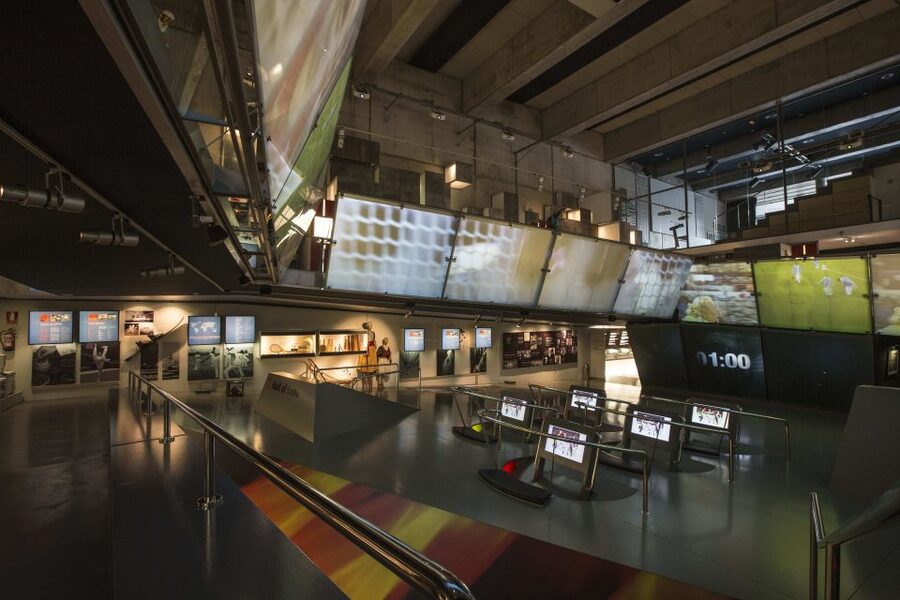
One of the smartest choices the museum makes is covering more than Olympic-only competition. You will see references and interactive experiences across Olympic and non-Olympic sports, including:
- football
- Formula 1
- skiing
- cycling
- canoeing
- tennis
Why this matters: it lets you connect the Olympics to the broader world of sports. If you only care about one sport, you can still build a complete visit. And if you have friends or family who are less obsessed with the Olympic Games, the non-Olympic sections keep them interested without feeling like they are in the wrong place.
Host cities timeline: from Barcelona 1992 to London 2012
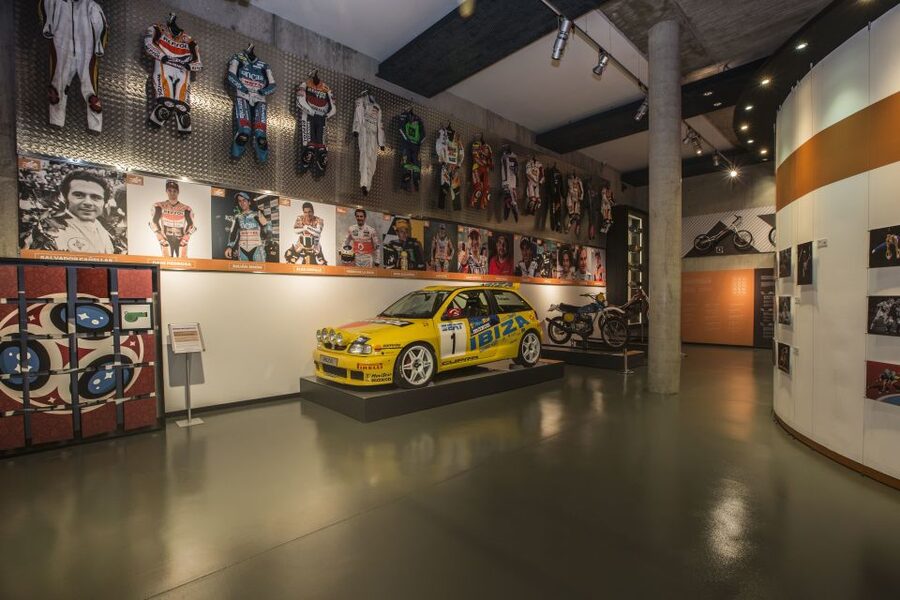
After you have played with the interactive parts, the museum shifts into Olympic context. There is a permanent exhibition that covers host cities across multiple Olympic Games, including Barcelona 1992 through London 2012.
This is a solid “big picture” section. It gives you a framework for understanding how the Olympics travel and how host cities shape the Games. If you are also planning to see other Montjuïc venues in the area, this timeline helps you connect the sport story to the geography of Barcelona.
A practical way to use this section: don’t try to read every label like a textbook. Instead, scan it for the Olympic years that match what you already remember, then let the rest fill in the gaps.
The Idols space: trophies, milestones, and a fun shoe comparison moment
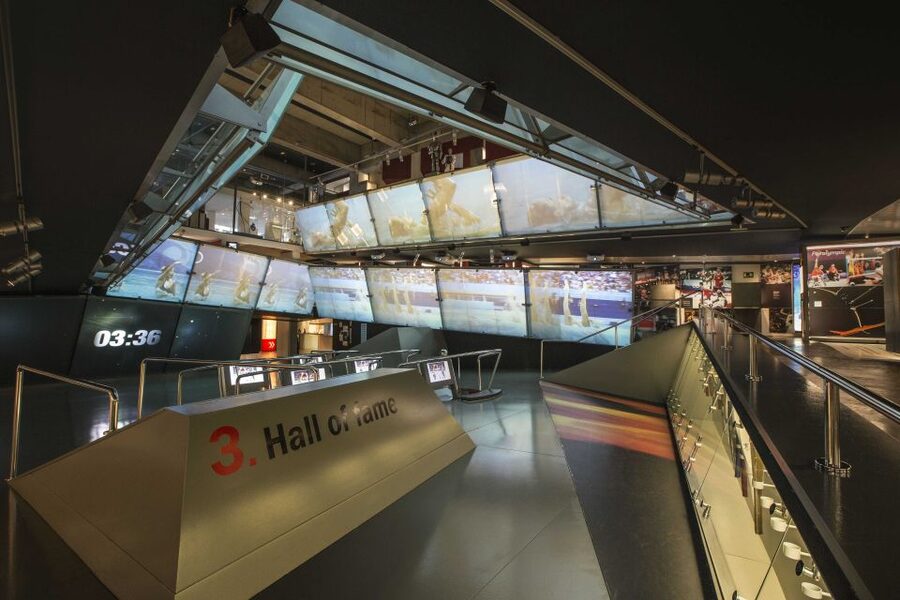
The Idols space is where the museum leans into athlete mythology and collectible energy. You can explore trophies and milestones, plus exhibits tied to major athlete moments.
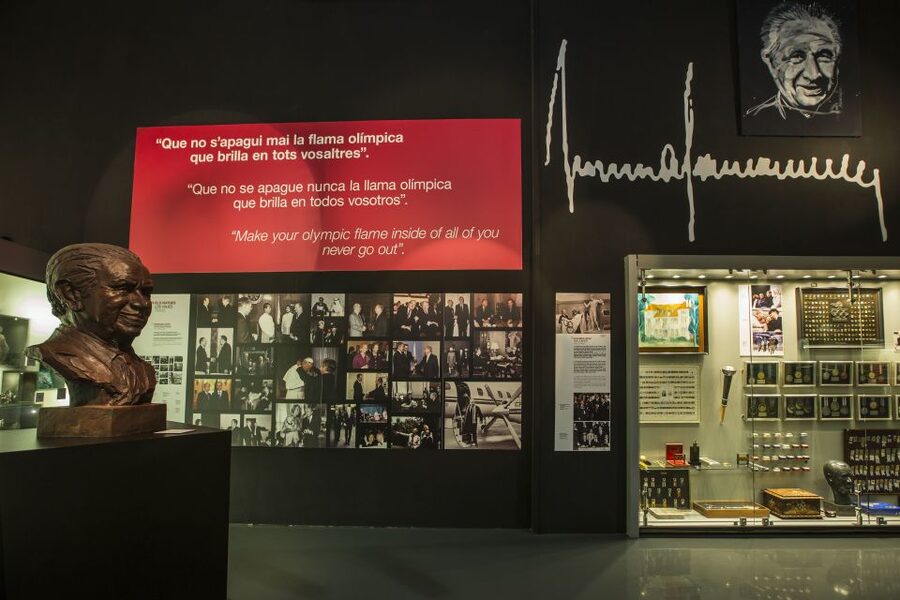
There is also a Samaranch collection mentioned in the museum. (If you have any curiosity about how Olympic leadership and politics shaped the modern Games, this is the kind of detail that turns a casual visit into something more satisfying.)
One of my favorite types of interactive details here is the idea of comparing your shoes with those of great athletes, with references that include Michael Jordan, Pau Gasol, and Roberto Dueñas. Even if you do not know every name, the playful comparison makes you pay attention in a way that a typical museum display cannot.
There is also a live sports match element described inside the Idols area. The key is simple: when you see that it is running, pause and watch. These kinds of “watch for a moment” setups help the museum feel current, not only historical.
Paralympic section: specific sports and a clear focus
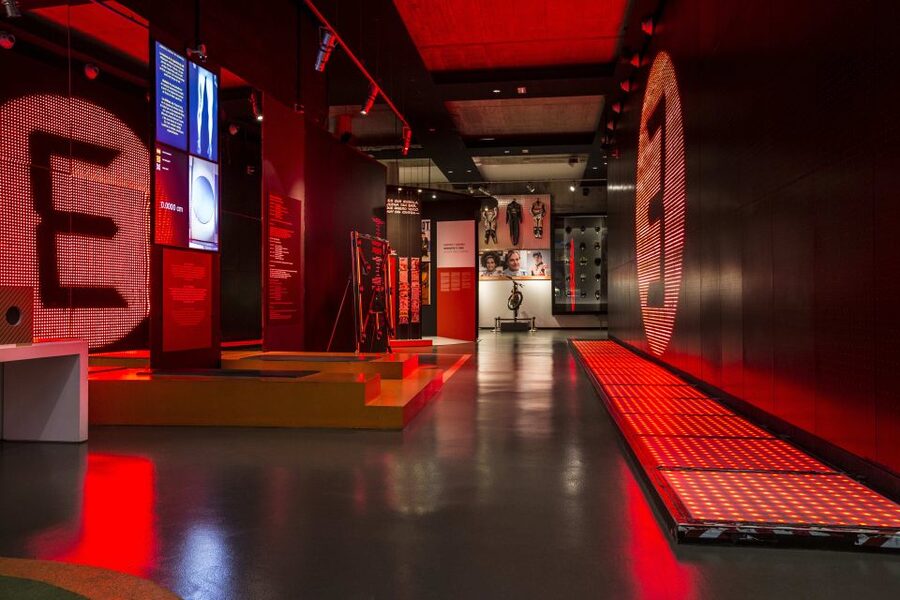
If the Olympics are your entry point, the Paralympic section is where the museum widens your understanding. The museum describes a dedicated area that covers Paralympic history, including football for the blind and visually impaired, and wheelchair basketball.
I like this approach because it is not vague. It names sports directly, which makes the section easier to follow. It also gives you something concrete to discuss with your group: you can point to specific Paralympic sports and talk about how competition looks in different forms.
If you want your day at the museum to feel meaningful, give this section time even if you think it will be “the educational part.” It is presented as part of the overall sports experience, not as an afterthought.
Temporary exhibitions included with your visit (check dates before you go)
Your ticket includes temporary exhibitions in addition to the permanent museum content. Right now, two shows are listed as included:
- Values and Emotions of the COPLEFC Photography Contest, running until January 25, 2026
- XI Barcelona Olympic Foundation International Art on Paper Award, running until November 09, 2025
These are not typical “sports only” exhibits. They connect sport to emotion and physical activity through photography, plus the art on paper award concept. For many visitors, that is exactly what keeps a sports museum from becoming repetitive. You get the athletic side, then you see how sport affects art, values, and expression.
If you are planning your Barcelona trip around museum days, check those end dates so you see at least one special exhibit during your window.
How long your one-day visit really takes
The activity is listed as valid for 1 day. In practice, you can use that flexibility depending on your pace.
If you move fast through the interactive stations, you might treat the visit like a focused hour or two. If you want to slow down, especially for the Olympic host city timeline, Idols space, and Paralympic section, plan for a longer sitting.
My rule of thumb for museums like this: give yourself time to do the interactions once, then revisit one station you liked most. That way you are not just running through everything, you are actually absorbing what each experience is trying to communicate.
Also, remember that the museum is wheelchair accessible, so the route and pacing can work well for different needs. If you are traveling with someone who prefers fewer transitions, sticking closer to one zone at a time will help.
Nearby photo moment: the stadium on Montjuïc
A nice bonus is what you can do just outside after you finish. One visitor noted that the stadium down the road was open, which made it possible to grab great photos and views.
I would not assume it will be open every day, but here is the practical move: after your museum visit, quickly check the stadium area if you are there already. If it is accessible, it turns your indoor sports day into an outdoors “Barcelona moment” without adding a separate plan.
Price and value: about $7 for a full sports day
At around $7 per person, this is strong value, especially in a city where attractions can quickly climb. You are paying for more than a room of exhibits. You get interactive experiences, Olympic context, Paralympic content, and included temporary exhibitions.
Value also comes from variety. You can cover sprinting, swimming technique stations, cycling skills, a weightlifting style simulator, and sport references beyond the Olympics in the same outing. If your group includes different ages or different sport interests, that variety tends to reduce “everyone is bored” risk.
My only caution on value is about your expectations. If you want a massive, deep archive focused only on Barcelona 1992 details, you may feel like the museum gives you a taste rather than a full course. But for most visitors, the combination of play, context, and athlete storytelling makes the price feel fair.
Who should book this, and who might not
I think this museum is a great fit for:
- families who want interactive activities that still include real learning
- sports fans who enjoy hands-on stations more than reading long wall texts
- visitors who want an easy one-day experience on Montjuïc tied to major athletic themes
- people curious about the Olympics and Paralympics in the same visit
You might want to reconsider if:
- you are specifically seeking an in-depth, Barcelona 1992-only museum experience
- your travel style is mostly architecture, neighborhoods, and outdoor sights, and you rarely enjoy hands-on exhibits
That said, even if you are not a lifelong sports fan, the interactive stations make it approachable. And if you care about athletic history, the host city timeline and Idols space give you enough context to connect the sport to the bigger Games story.
Should you book the Barcelona Olympic and Sport Museum?
Yes, if you want a low-cost, indoor day that mixes interaction with Olympic and Paralympic history. At about $7, the museum is easy to justify, and the hands-on elements are the kind of thing you can enjoy even with mixed ages in your group.
I would book it if you:
- like trying sport-themed challenges rather than only reading about sports
- want both Olympic and non-Olympic sports covered in one place
- care about seeing a dedicated Paralympic section
Skip or postpone it only if you are strictly searching for a deep Barcelona 1992-focused archive. Otherwise, plan for a fun, structured route through the interactive zones, then settle into the timelines and Idols space to round out the story.
FAQ
How long is the Olympic and Sport Museum experience?
The ticket is valid for 1 day, so you can plan your visit for a single museum outing on your schedule.
What does the ticket cost?
The price is listed at $7 per person.
What is included with the entrance ticket?
The ticket includes entrance to the museum, Wi-Fi, and toilets.
What kinds of sports experiences will I see or try?
The museum includes interactive experiences related to sprint-style running inspired by Carl Lewis and Usain Bolt, swimming technique references like Mark Spitz and Michael Phelps, cycling skills, and a weightlifting style simulator. It also covers both Olympic and non-Olympic sports such as football, Formula 1, skiing, cycling, canoeing, and tennis.
Does the museum include Paralympic sports?
Yes. There is a special Paralympic section that covers Paralympic history and mentions football for the blind and visually impaired, plus wheelchair basketball.
Is the museum wheelchair accessible, and can minors attend alone?
The museum is wheelchair accessible. Unaccompanied minors are not allowed.
More Museum Experiences in Barcelona



More Tour Reviews in Barcelona
Not for you? Here's more nearby things to do in Barcelona we have reviewed









More Barcelona City Tours worth opening.
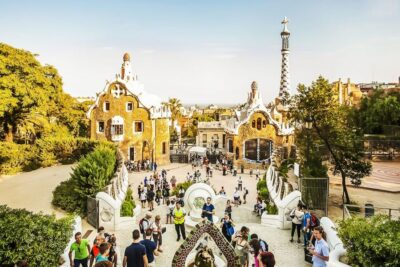 ★ 4.4Park Güell Admission TicketFrom $2576,534 reviews
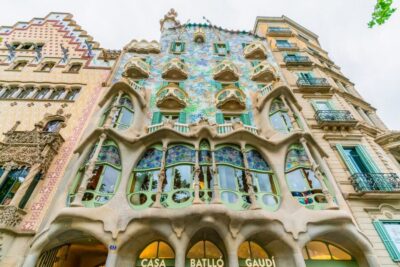 ★ 4.7Casa Batlló Entry with Self-Audioguide TourFrom $3425,359 reviews
 ★ 4.424 or 48-Hour Hop-On Hop-Off Bus TourFrom $3920,872 reviews
 ★ 4.7Park Guell Guided Tour with Skip The Line EntryFrom $3117,563 reviews
 ★ 5.0Barcelona in 1 Day: Sagrada Familia, Park Guell,Old Town & PickupFrom $12013,541 reviews
 ★ 4.3Barcelona Aquarium: Entry TicketFrom $3113,335 reviews
 ★ 4.8Sagrada Familia Skip-the-Line Entry Ticket & TourFrom $6712,789 reviews
 ★ 4.4FC Barcelona Museum “Barça Immersive Tour” TicketFrom $3510,944 reviews
Continue by place or experience