
REVIEW · BARCELONA CITY TOURS
Barcelona: Museum of Forbidden Art Entry Ticket
Censored art can feel like a secret, even in plain daylight. In Barcelona, the Museu de l’Art Prohibit turns that idea into a real, walk-in experience, with over 200 works tied to censorship and prohibition. What I like most is the free interactive digital guide (available in Catalan, Spanish, and English) and the chance to see famous names like Picasso, Warhol, Banksy, and Ai Weiwei in a focused, thought-provoking setting.
This museum is also conveniently located in the early-1900s modernist Casa Garriga Nogués, just a one-minute walk from Passeig de Gràcia, near Casa Batlló and La Pedrera. One practical consideration: it is not suitable for children under 13, and the museum may not match every traveler’s expectations for opening days, so double-check availability before you plan your day.
Key points to know before you go
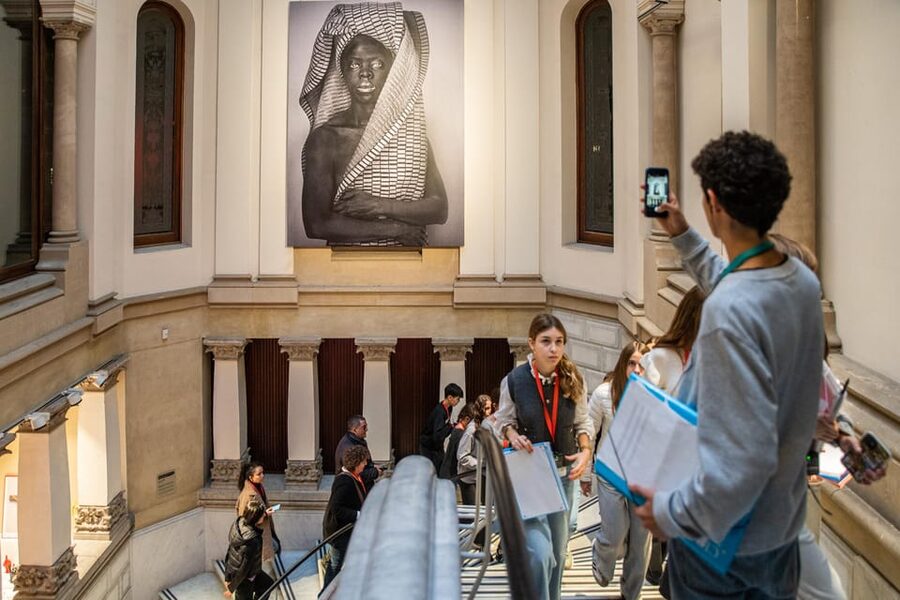
- A single-purpose museum focused on censored and prohibited art, including work by Picasso, Warhol, Goya, Ai Weiwei, Banksy, and others
- 200+ artworks connected to censorship, so the stories are part of the art, not an afterthought
- Casa Garriga Nogués location right by Passeig de Gràcia, easy to pair with big Barcelona architecture stops
- Free interactive digital guide on your device, with multimedia context in Catalan, Spanish, and English
- Terrace access included, giving you a breather without leaving the visit behind
- Rules are strict: no bags, no food or drinks, and you must pass through security
Museu de l’Art Prohibit: what makes this Barcelona entry ticket different
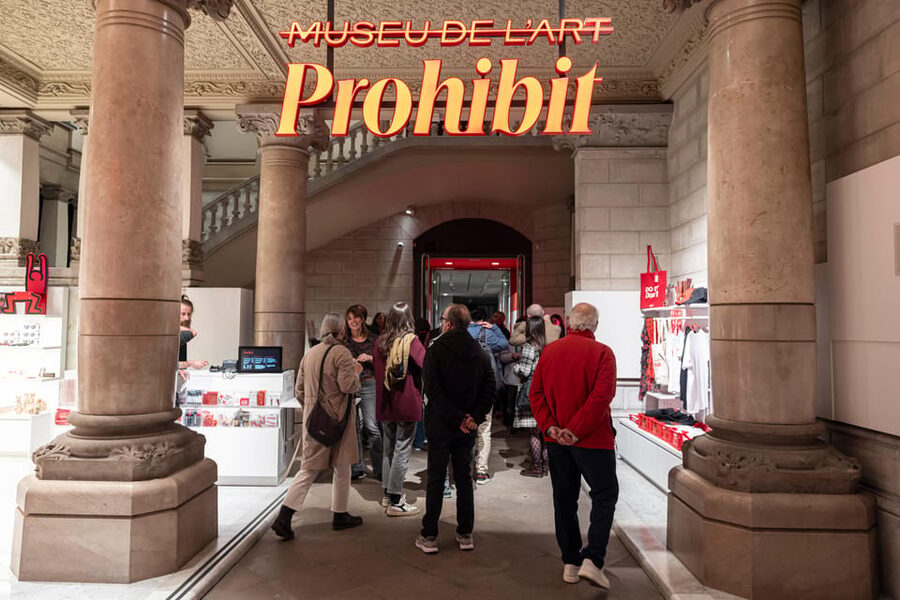
Barcelona has plenty of museums, but this one is built around a single theme: what society tried to silence. The Museu de l’Art Prohibit presents itself as the world’s first and only collection dedicated to censored and prohibited art. That means you are not just looking at famous pieces. You are also looking at the reasons they were targeted and what that says about power, taste, politics, religion, and fear.
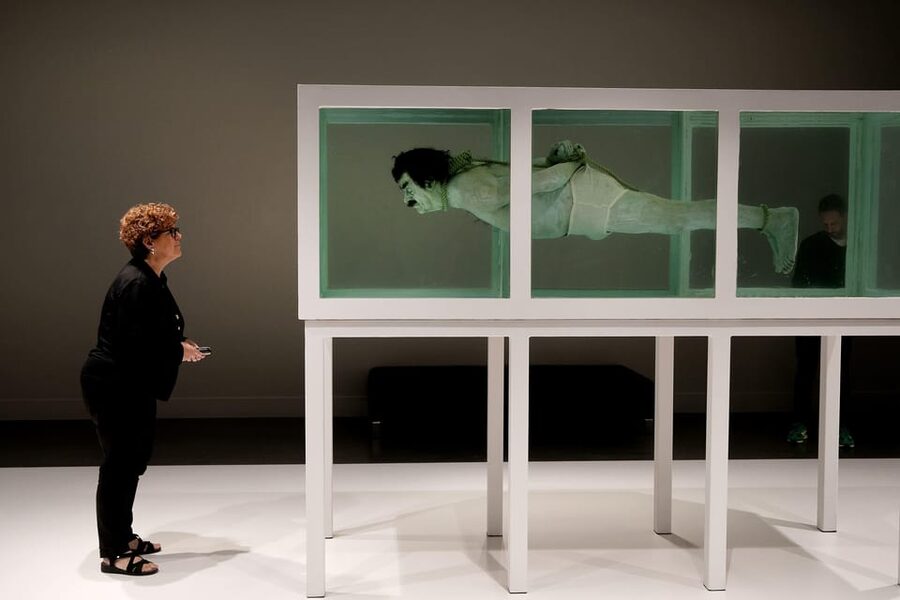
I like the way the museum frames censorship as a real-world force. You can walk through and see that the idea of forbidden art is not a modern quirk. It shows up across eras and styles, with work associated with artists ranging from modern names like Banksy and Warhol to older figures tied to controversy like Goya and Gustav Klimt.
You should know this is not a hands-on kids museum and not a casual “put it on in the background” stop. It is more of a slow, reflective visit. If you enjoy art history that includes conflict and real consequences, you’ll find plenty to chew on.
More Barcelona tours and experiences for the shortlist
Finding Casa Garriga Nogués near Passeig de Gràcia
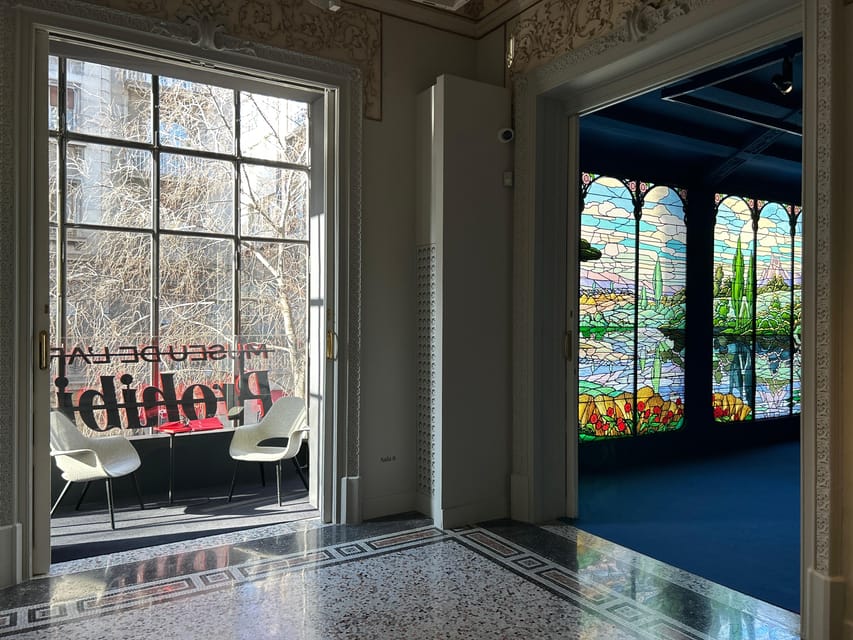
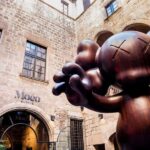
The museum lives inside Casa Garriga Nogués, an early-20th-century modernist building. The location is one of the smartest parts of the experience because you’re not traveling across town for a niche museum. You’re already in the area where you want to be for architecture.
Casa Garriga Nogués is listed as being about a one-minute walk from Passeig de Gràcia. That puts you close to major landmarks like Casa Batlló and La Pedrera. If your day is already packed with those stops, adding the Museu de l’Art Prohibit feels natural, not forced.
A tip for planning: treat this museum like an intentional pause. Big architecture days move fast. Even if you are visiting other sites nearby, you’ll get more out of the prohibited-art theme if you give it uninterrupted time to land.
Ticket basics, price, and what value looks like in real life
Your entry ticket is priced at about $14 per person. That price can feel surprisingly reasonable for a museum experience built on a distinctive collection and a custom digital guide. The big value driver here is that you are not only paying for entry. You’re also getting a free interactive guide and access to both the exhibition area and the terrace.
The ticket also has a practical validity window. It is listed as valid for 1 to 180 days, depending on availability and starting times. That gives you flexibility. In other words, you are not locked into one rigid moment, but you still need to check the available starting times.
This is not a guided tour. There is no included live commentary. That makes the digital guide especially important because it is your built-in context layer. If you like to read, watch the multimedia, and take your time, you’ll likely get more value out of the ticket.
Rules and security: small friction points that matter
Museums can have rules. This one has clear ones, and they can affect how smoothly your arrival goes.
Plan for security control. The museum states that all visitors must pass through security control. That means you should expect a checkpoint on arrival, and you should build that time into your plan.
Then there are the “no” items:
- No bags
- No pets
- No food and drinks
Those restrictions are worth thinking about before you leave your hotel. If you’re carrying a day bag, you’ll need a plan for what to do with it, since you cannot bring it into the museum.
Bring the right ID: you need a passport or ID card, and the same requirement applies for children. If you forget, you can get stuck at the start, which is the last place you want friction.
The museum is also listed as wheelchair accessible, so mobility should be manageable. Still, the bag restriction remains a rule you’ll want to plan around even if you use a wheelchair.
Inside the exhibition: seeing famous censorship stories in one place
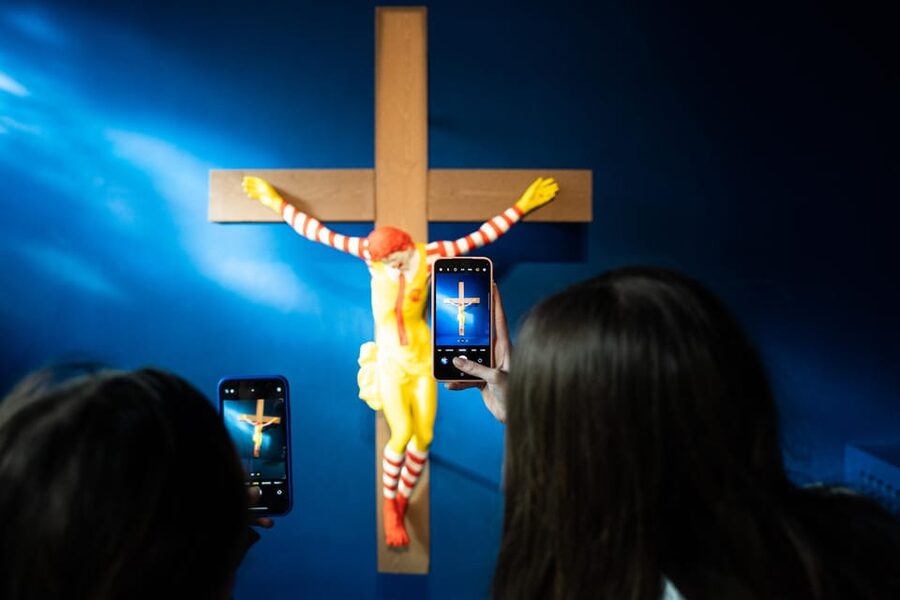
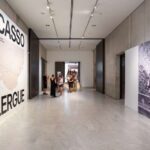
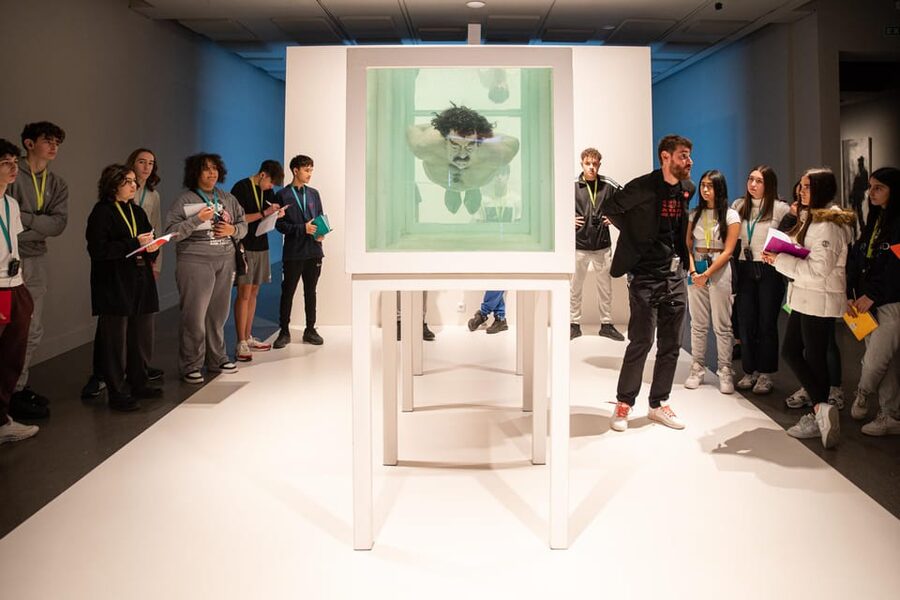
The museum’s core promise is simple: censored works in a dedicated collection. The featured artists listed for the experience include names such as Pablo Picasso, Abel Azcona, Andy Warhol, Inés Doujak, Robert Mapplethorpe, Tania Bruguera, and Banksy. You’ll also see other artists mentioned in the museum overview, including Goya, Ai Weiwei, Gustav Klimt, Miquel Barceló, and Haring.
What I think makes this kind of exhibit valuable is the structure of the theme. Instead of being dazzled by masterpieces alone, you’re prompted to ask a different question each time you encounter a work: why did someone call this forbidden?
Because the collection brings together censorship cases, the museum experience is partly about perception. Art gets labeled. Institutions react. Public opinion shifts. Then later, those same works get reinterpreted, reprinted, and defended. You can feel the social stakes in the way the museum presents the pieces and their context.
It’s also a smart choice that the museum includes both historical and more contemporary figures. That range helps you compare how different societies draw lines. You might notice patterns in what is labeled offensive, political, obscene, or dangerous. Even if you don’t agree with every interpretation, the museum makes the act of questioning feel central.
And yes, the exhibit includes a lot of famous names, but it does not rely only on star power. The point is the censorship angle, not a celebrity checklist.
You can also read our reviews of more museum experiences in Barcelona




Using the free interactive digital guide without getting lost
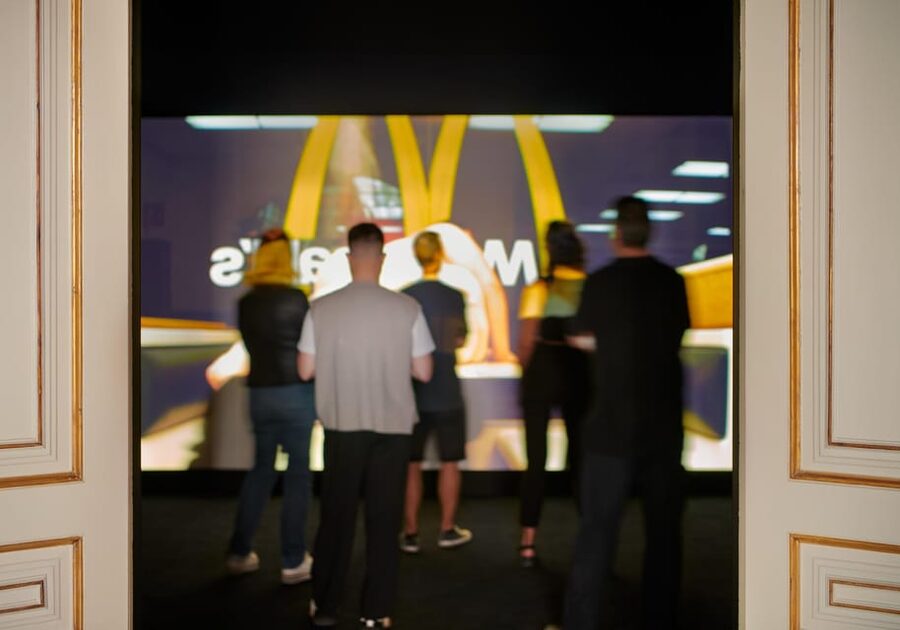
A major included perk is the free interactive digital guide. You use your personal device, which means you can control pace. You can pause, replay sections, and pick the artworks you want to understand more deeply. It’s also in three languages: Catalan, Spanish, and English.
This matters because a censorship theme can be easy to misread if you do not have context. The guide is where you get the multimedia explanations and the artistic context behind why the works were prohibited. That reduces the chance you walk through and only remember famous artist names.
Practical advice: before you start, look at the guide language options so you do not waste time mid-visit. Then decide how you want to use it:
- If you like reading, follow the guide step by step for key pieces.
- If you like quick browsing, use it for the most controversial works, then move on.
Also note that the museum provides free Wi-Fi, which supports using the guide smoothly while you’re there. Still, if your phone data setup is uncertain, keep a low-power habit: check the guide and load what you need before you go deeper into the exhibition rooms.
Terrace time: the included pause that makes the visit feel complete
Your ticket includes access to the terrace area. That’s a small detail on paper, but it changes how the visit feels. A theme like censorship can be intense because it connects art to real conflict. Having a place to step out and breathe makes the experience easier to digest.
Think of the terrace as your reset button. If you’ve spent time reading and processing explanations inside, the terrace gives you a break without ending the day’s momentum. It’s also a convenient way to regroup if you plan to continue exploring the Passeig de Gràcia area afterward.
If you’re the type who likes to end on a calm note, the terrace is a good place to do it.
Nearby pairing ideas: why this fits well into a Barcelona day
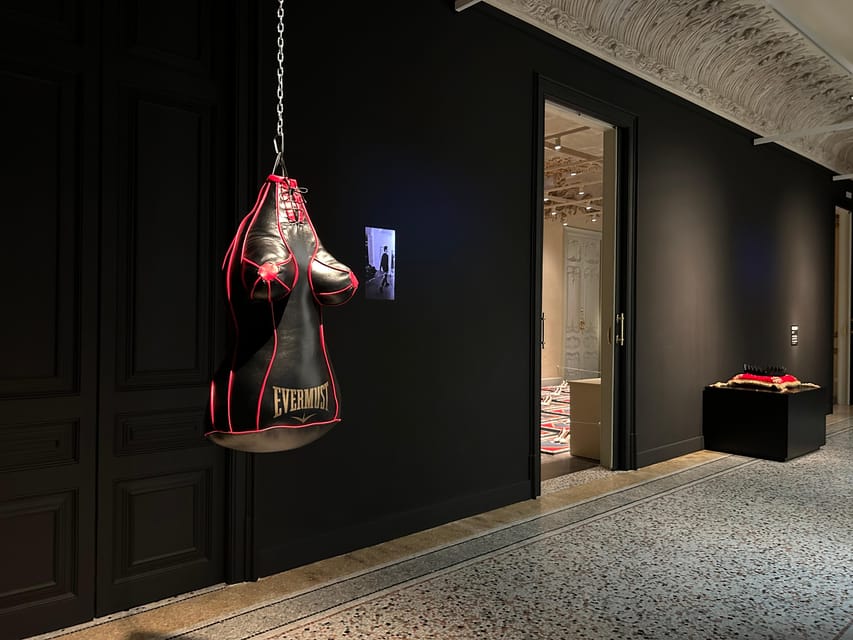
Because the museum is so close to Passeig de Gràcia and major architecture landmarks, it fits naturally into a sightseeing day. You can design a route that keeps travel time low and energy high.
A simple rhythm works well:
1) Start around Passeig de Gràcia for architecture.
2) Add the Museu de l’Art Prohibit as a deliberate change of pace.
3) Finish with more nearby sights or a break, depending on your schedule.
The museum’s location helps you avoid backtracking. And since entry includes terrace time, it functions like a complete block rather than a quick peek.
If your schedule is tight and you only have room for one smaller museum stop, this one is a strong choice because it is specific and memorable. It answers a different question than most art museums do.
Gift shop and practical value at the end of your visit
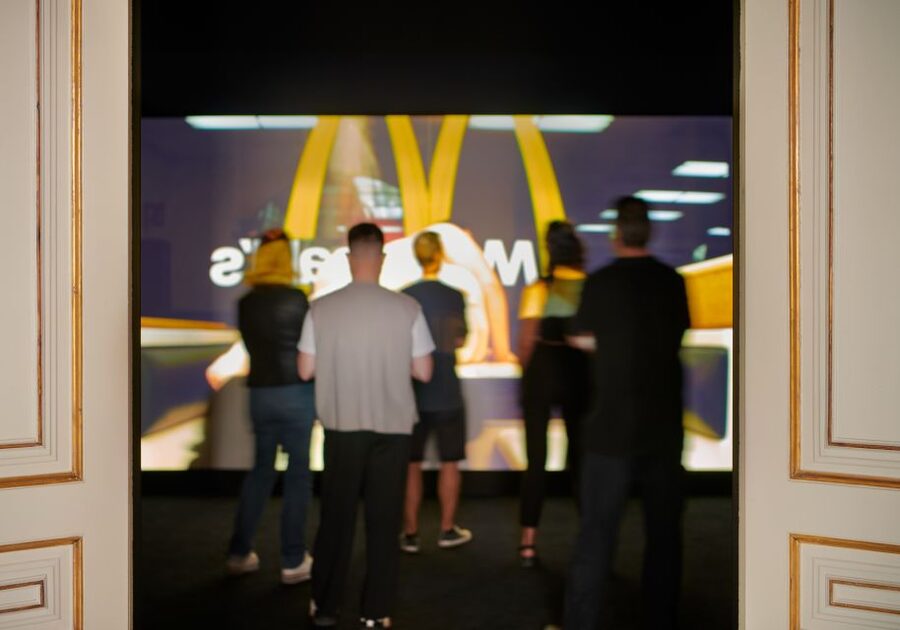
There’s also a gift shop at the entrance, which one of the visitors specifically called out as a nice add-on. Even if you don’t plan to buy anything, the gift shop area usually works as a natural end point after you’ve absorbed the exhibit theme.
In practical terms, it gives you a place to slow down and check your next plan without standing around outside. If you like taking a small memento to remind you of what you learned, this is a reasonable spot to do that.
Who should book this Museu de l’Art Prohibit entry ticket?
This experience is best for you if:
- You like modern and classic art, but also enjoy the politics and controversies behind it
- You want a museum with a clear theme, not just a general art collection
- You’re comfortable using a digital guide to get context
- You want something near Passeig de Gràcia that does not take half the day to reach
It may not be the best fit if:
- You’re traveling with children under 13, since the museum is listed as not suitable for that age group
- You want a no-rules, pick-up-and-go experience, because bags and food and drinks are not allowed
- You dislike reflective, contextual exhibits and prefer purely visual art without explanation
Timing-wise, the ticket validity depends on available starting times. If you can, choose a time when you won’t feel rushed. Censorship stories land better when you have time to read.
Should you book this forbidden art museum in Barcelona?
If you like art that has friction in its past, I think you should book it. The $14 price sits in a sweet spot for a museum that includes both exhibition access and the terrace, plus a free interactive digital guide in multiple languages. You’re also getting a very Barcelona-friendly location, inside Casa Garriga Nogués near Passeig de Gràcia.
Skip it if you want a quick, family-friendly, low-effort museum stop or if you know you’ll show up with a bag and hate dealing with restrictions. Otherwise, this is the kind of museum that sticks with you because it asks you to consider what gets silenced, by whom, and why.
FAQ
How much is the Barcelona Museu de l’Art Prohibit entry ticket?
The price is listed as about $14 per person.
What is the duration of the ticket?
The ticket is valid for 1 to 180 days, depending on availability. Starting times depend on what’s available when you book.
What does the ticket include?
It includes access to the Museu de l’Art Prohibit exhibition and the terrace area, plus a free interactive digital guide and free Wi-Fi.
Do I get a guided tour?
No. A guided tour is not included.
What languages are available for the digital guide?
The digital guide is available in Catalan, Spanish, and English.
Is the museum wheelchair accessible?
Yes, the museum is listed as wheelchair accessible.
What do I need to bring for entry?
You need a passport or ID card. The same applies for children.
What items are not allowed inside?
Pets are not allowed, and food and drinks are not allowed. Bags are also not allowed.
Is the museum suitable for children?
It is listed as not suitable for children under 13.
What is the cancellation and payment flexibility?
Free cancellation is offered up to 24 hours in advance for a full refund. The booking also offers a reserve now and pay later option.
More Museum Experiences in Barcelona
More Tickets in Barcelona

More Tour Reviews in Barcelona

Not for you? Here's more nearby things to do in Barcelona we have reviewed









More Barcelona City Tours worth opening.
 ★ 4.4Park Güell Admission TicketFrom $2576,534 reviews
 ★ 4.7Casa Batlló Entry with Self-Audioguide TourFrom $3425,359 reviews
 ★ 4.424 or 48-Hour Hop-On Hop-Off Bus TourFrom $3920,872 reviews
 ★ 4.7Park Guell Guided Tour with Skip The Line EntryFrom $3117,563 reviews
 ★ 5.0Barcelona in 1 Day: Sagrada Familia, Park Guell,Old Town & PickupFrom $12013,541 reviews
 ★ 4.3Barcelona Aquarium: Entry TicketFrom $3113,335 reviews
 ★ 4.8Sagrada Familia Skip-the-Line Entry Ticket & TourFrom $6712,789 reviews
 ★ 4.4FC Barcelona Museum “Barça Immersive Tour” TicketFrom $3510,944 reviews
Continue by place or experience