
REVIEW · MONTJUIC TOURS
Barcelona: Montjuïc Walking Tour With Optional Flamenco Show
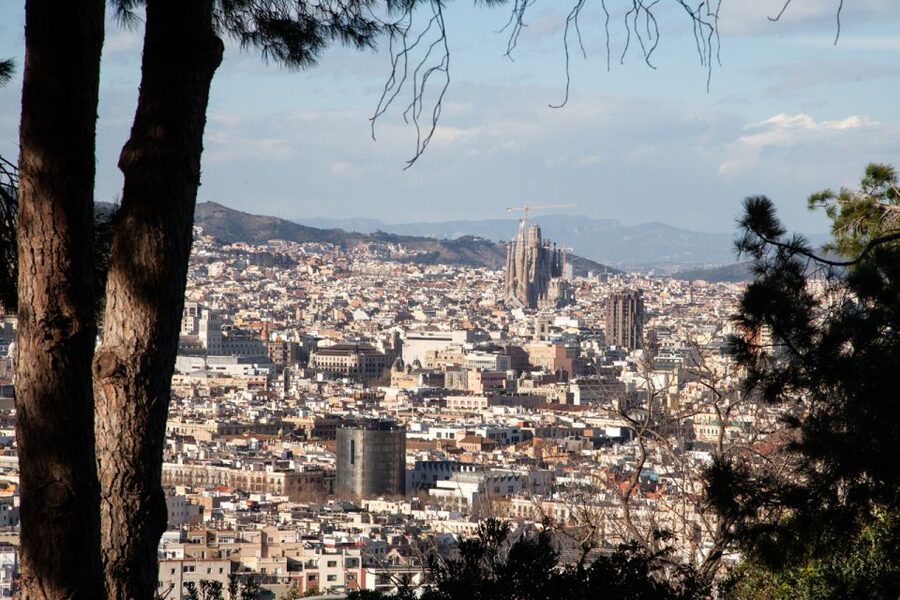
Montjuïc is best seen on foot. You’ll get panoramas from hilltop viewpoints plus Catalan dance stories stitched into the gardens. One reality check: this is a stairs-and-walking kind of tour, so it may feel tiring if you hate climbs.
I like that it starts with Montjuïc Castle and builds outward through fountains, sculptures, and viewpoints, with a local guide keeping the route moving. You can also upgrade to add a guided look inside the 17th-century fortress, then (later) finish with flamenco in a small, historic room. A good fit if you want culture plus real sightlines, not just a quick look from a distance.
The route runs rain or shine and lasts about 2 to 3 hours, so wear comfortable shoes and plan to take your time. If you’re hoping for a super-fast, low-effort stroll, choose your expectations carefully, because you’ll be doing real walking up and down the hill.
Quick takes before you go
- Montjuïc Castle as the launchpad: start outside the fortress with context for why this hill matters to Barcelona.
- Mirador del Alcalde viewpoints: you’ll hear stories tied to an ancient migrant community and how the hill changed.
- La Sardana to Carmen Amaya: Catalan dance traditions are explained through monuments you can actually see.
- Laribal’s Gardens folklore: the tour adds a playful, mystical layer with witch and wizard tales.
- Magic Fountain finale: you end near standout architecture and a walkway with shallow water.
Getting Oriented at Montjuïc Castle (and why the stairs matter)
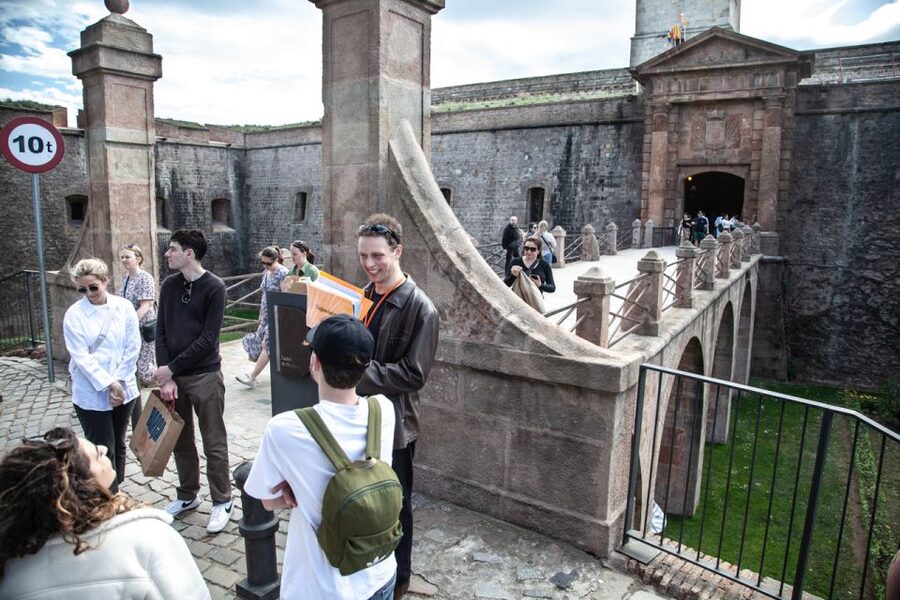
Meet outside Montjuïc Castle, at the coordinates 41.36396300563352, 2.167071231085228. Your guide will be holding a sign that says ExperienceFirst. It’s a solid meeting point because you’re starting at the top level mentally, even before you start physically.
This tour is built around walking between gardens and viewpoints on Montjuïc, so the “practical challenge” is the main thing to plan for. There will be some stairs, and the route is not set up for wheelchairs or strollers. If you’re bringing kids, go in knowing they’ll spend a lot of the outing moving uphill and downhill. If you’re older, or your legs get cranky on stairs, wear shoes with good grip and keep a steady pace.
One extra tip that makes the start feel easier: if you already use the cable car to reach Montjuïc, it can reduce the strain before the first viewpoint segment. That can help you save energy for what the tour is actually about, the gardens and the views.
You can also read our reviews of more walking tours in Barcelona



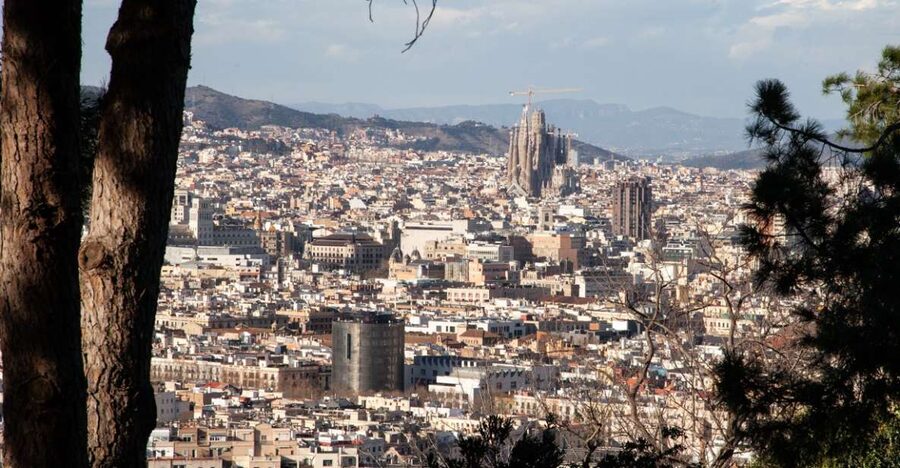
Montjuïc panoramas start at Mirador del Alcalde
After the meeting, the guide sets the stage by explaining how this hill connects to Barcelona’s foundations. You don’t just get a scenic walk here, you get a framework. That matters because Montjuïc can feel like a random collection of attractions unless someone ties them together.
At Mirador del Alcalde, the tone shifts toward people and change. You’ll hear stories about an ancient migrant community that once lived in the area and the many evolutions of the hilltop. This is where the tour stops being only pretty and becomes more “how did this place work and who shaped it?”
Then you move onward into the gardens, which is where Montjuïc really flexes. Expect paths that wind past sculpture, flowers, and little pockets of quiet. It’s the kind of walking where you can pause for photos without falling behind, as long as your group pace is reasonable.
Joan Brossa Gardens and the Sardana statue: Catalan dance, explained where it lives

Next up is Jardins de Joan Brossa. This stop is a smart choice because it teaches you without forcing you into a lecture hall.
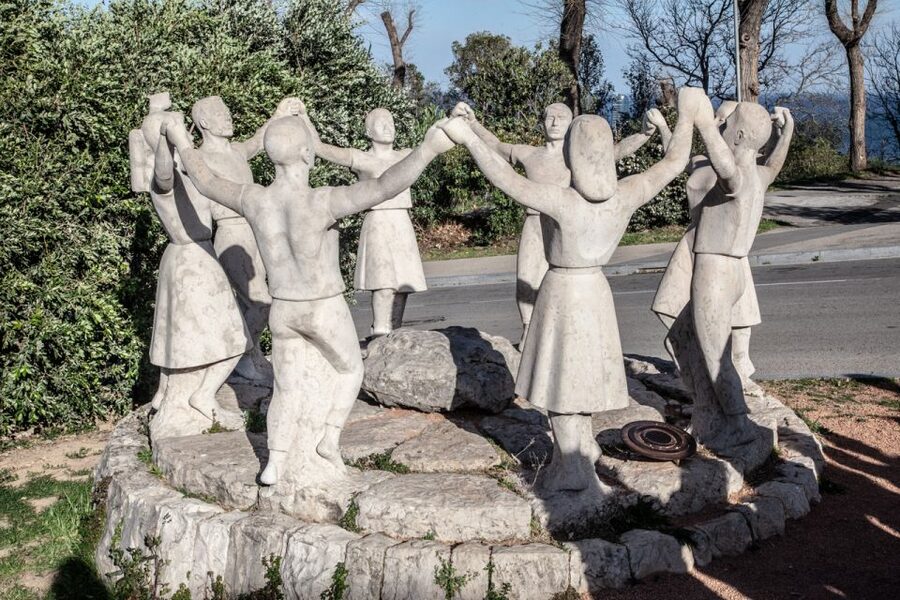
Here, you’ll learn about La Sardana, the traditional Catalan dance, through a statue dedicated to it. The value is that you can connect the idea of a dance tradition to a specific place, not just a concept on a poster. You get a sense of how local identity gets expressed outdoors, in public spaces, where people can meet and celebrate.
This also helps your brain file Barcelona’s culture in a more personal way. If you’ve been mostly hearing about the big names, this is the counterweight. You start noticing how Catalonia’s traditions show up in everyday city life, including in the way monuments are placed and remembered.
Carmen Amaya monument: flamenco’s roots in a real Montjuïc walk
After the Sardana reference point, the tour guides you to another dance-related monument, one dedicated to Carmen Amaya. She’s famous in flamenco circles, but what makes this stop useful is location. You’re seeing how Barcelona layers different dance forms on the same hill, with different histories and emotional tones.
This is also a good moment to pay attention to what your guide does. Some guides are funny, some are precise, and some do both. In past guides associated with this tour, Thomas and Eoghan were praised for being friendly and full of information, with enough personality to keep the cultural thread clear while you walk.
Even if you’re not a flamenco expert, the stop helps you connect the evening upgrade later on. You’ll be less likely to treat the flamenco show as a separate event and more likely to feel like it’s part of the same story you started earlier in the gardens.
Laribal’s Gardens folklore and Teatre Grec in 1929
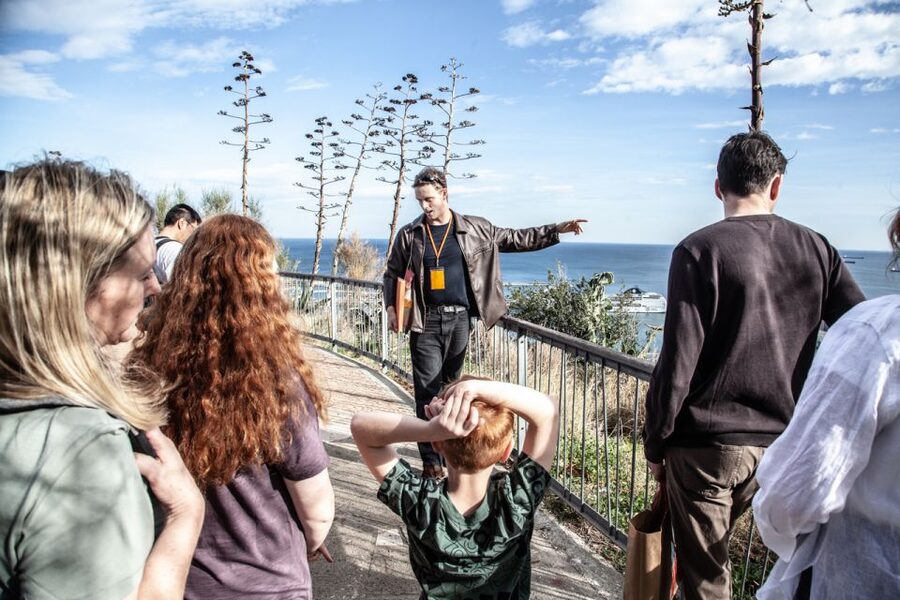
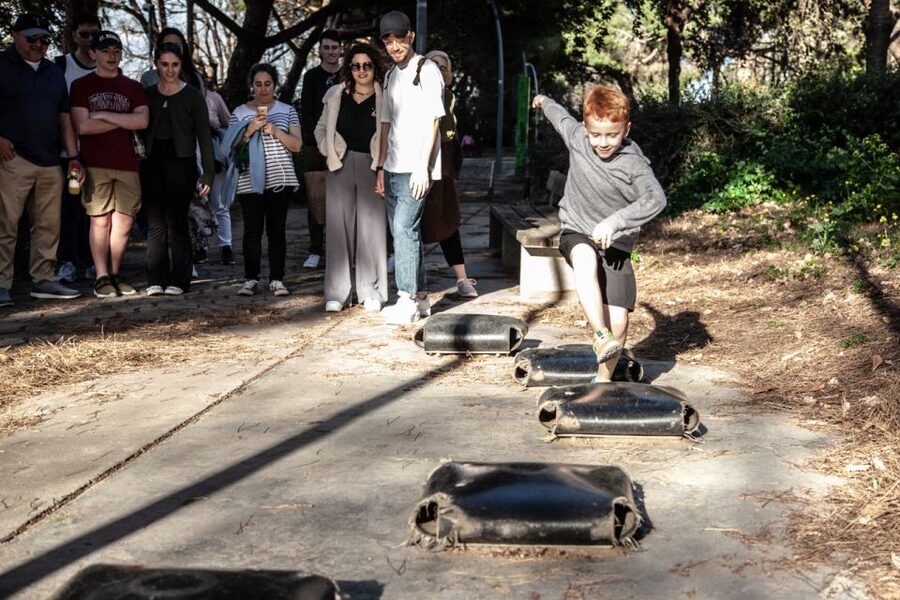
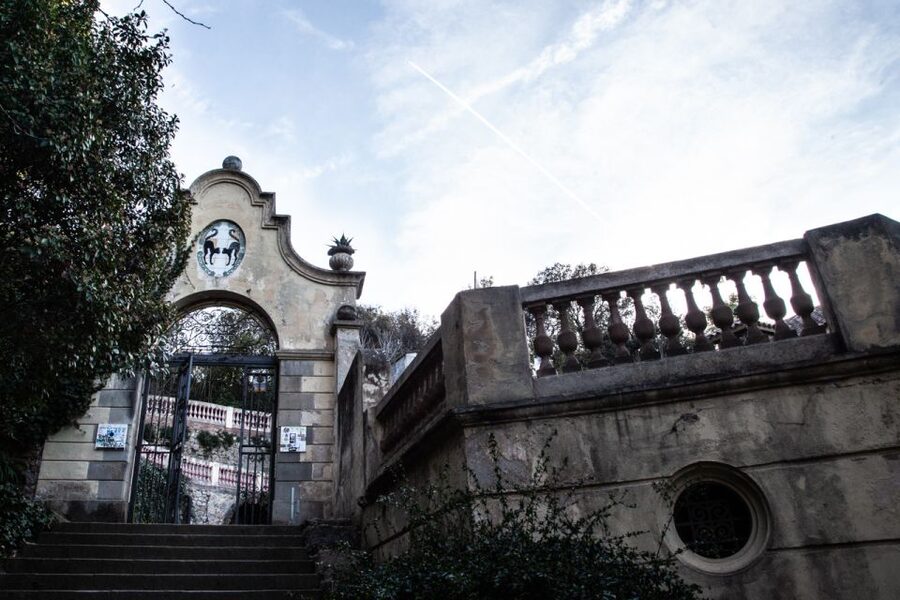
Laribal’s Gardens bring the tour into a different mode. This is where the guide uncovers the mystical side of Montjuïc. The tour frames the area with folklore, including witch and wizard gatherings. It’s playful, but it still gives you something to remember because it explains why places feel “legendary,” even when you’re standing in plain daylight.
Then you’ll head toward the Greek Theater, Teatre Grec. This portion is especially worth it if you like seeing how modern Barcelona stages older ideas. The Greek Theater was built for the 1929 Barcelona International Exposition. Knowing that date changes how you look at the setting. It becomes not just a theater you pass, but a piece of city planning and international ambition.
These stops also give you a rhythm break. You go from fountains and flowers to a performance space tied to a major historical moment. If you pace yourself, this is where the tour starts to feel like more than a checklist.
More Barcelona tours and experiences for the shortlist



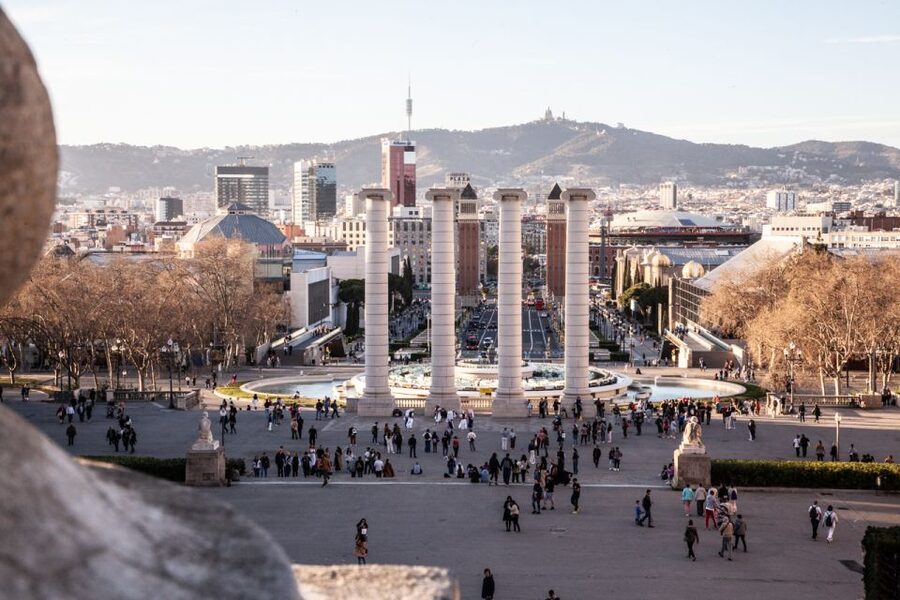
Magic Fountain of Montjuïc finale: architecture, water, and prime photo angles
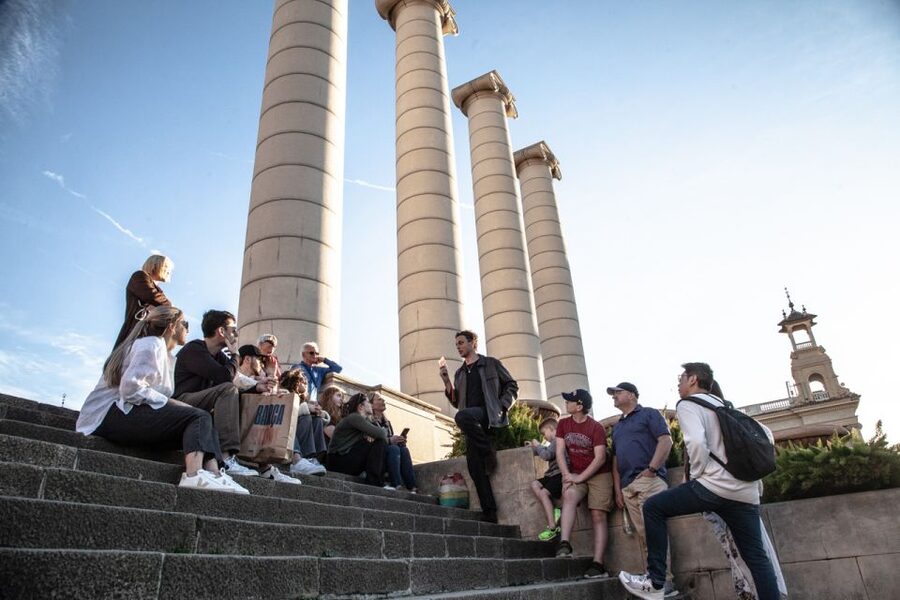
You finish at the Magic Fountain of Montjuïc. This ending is a smart way to wrap the outing because it’s visually loud, even if you’re not there for a specific fountain show.
You’ll be surrounded by architecture such as the Museum of Catalan Art. There’s also a walkway lined with shallow waterfalls nearby, which turns the final stretch into something photo-friendly and atmospheric. If you like taking pictures, this is your moment to slow down, scan for angles, and capture the wide views that Montjuïc is known for.
Practical note: because you’re finishing near a major public attraction, you’ll want to keep an eye on your footing if it’s damp. Also, if your camera or phone battery runs low, this is where you’ll feel it, since the fountain area tends to draw you in for longer than you expect.
Upgrading for Montjuïc Castle and the flamenco show at El Paraigua
You have two optional upgrades. They’re not required, but they can make the experience feel more complete depending on your interests.
Guided visit inside Montjuïc Castle
The upgrade adds a guided tour inside Montjuïc Castle, a fortress from the 17th century. This is valuable because the walk-and-garden portion gives you atmosphere and viewpoint context, while the castle portion gives you structure. You understand the defensive logic and the way this hill was used, not only admired.
If you’re the type who likes seeing interior spaces, this upgrade is worth serious consideration. One guide mentioned in connection with the experience, Daria, was praised for being wonderful and knowledgeable, and starting with the castle first. That timing makes sense if you want the fortress story to color everything you see afterward.
Flamenco upgrade: El Paraigua, historic convent walls, and a drink
If you choose the flamenco upgrade, the night version happens later. You’ll head to an intimate venue inside El Paraigua, at Carrer del Pas de l’Ensenyança 2. The show takes place in a historic tapas bar, with the setting described as being inside the walls of an 11th-century convent.
Ticket includes a complimentary drink, which helps the upgrade feel more like a cultural plan than just an extra add-on. Show times depend on the day: Fridays and Saturdays are at 7 p.m. and 9 p.m., and Wednesdays are at 7 p.m. In the venue plan, the show is described as beginning at 9 p.m., so for the later slot, you can expect a proper evening rhythm.
Who this upgrade suits best: if you want one night activity that feels connected to your Montjuïc walking, not pasted on from nowhere. The monument stops earlier make the flamenco show feel like a continuation. Also, flamenco is a strong choice if you’re curious about Catalonia’s dance roots and the way different styles share public space in Barcelona.
Price and value: what $34 buys, and when it pays off
At $34 per person for a 2 to 3 hour guided walking experience, the value comes down to two things: how much you’ll enjoy guided context, and how interested you are in gardens plus cultural storytelling.
The base tour includes a walking tour of the gardens and history, photo opportunities at viewpoints around Montjuïc, and an English-speaking local guide. That’s the core value. You’re not paying mainly for transport or museum entry, you’re paying for a guided route that links viewpoints, monuments, and place-based culture into one coherent walk.
Two upgrades can change the value calculation. The castle upgrade is for people who want interior context, not just exterior drama. The flamenco show upgrade is for people who want an evening anchor activity with a drink included. If that sounds like you, the total package can feel like a bargain compared to buying separate tickets for an attraction and a show.
A balanced caution: this tour is walking heavy, and the pacing is part of the product. One complaint tied to this kind of tour is that it can sometimes feel like simply walking downhill with limited narration. That doesn’t have to happen, but it is a reminder to show up ready to engage. Ask questions. If the group starts to drift into autopilot, that can happen on any walking tour on a big hill. The best tours stay lively, not only scenic.
Practical tips for a smooth Montjuïc afternoon
- Wear shoes with traction. You’ll face stairs and uneven garden paths.
- Plan for rain or shine. The tour runs in both conditions.
- Bring a camera, but also bring patience. Garden stops are made for slow looking.
- If you get winded easily, start with a calm pace right at Montjuïc Castle, then let the guide’s pauses help you catch your breath.
- Expect it to be in English. The guide is English-speaking, and the tour includes guided segments at each main stop.
Should you book this Montjuïc walking tour?
Book it if you want a guided walk that mixes views, gardens, and cultural stories that actually point to specific monuments. The Sardana and Carmen Amaya stops give you a useful lens for understanding Catalan dance traditions, and the flamenco upgrade turns the daytime walk into an evening plan.
Skip or reconsider if your ideal Barcelona day is minimal stairs and maximal efficiency. This one is not built for wheelchairs or strollers, and it’s best for people who can handle a lot of moving on uneven hill paths. Also, if you’re the type who expects a super tightly structured, high-content narrative at every step, you may want to go into it prepared to trade some of that for time outdoors and viewpoint breaks.
If you love wandering but also want a guide who can connect the dots between places, this Montjuïc plan is a strong way to get your bearings fast and leave with stories you’ll still remember at dinner.
FAQ
How long is the Montjuïc walking tour with optional flamenco?
The duration is listed as 2 to 3 hours.
Where do I meet the guide?
You meet outside Montjuïc Castle. The provided coordinates are 41.36396300563352, 2.167071231085228. Your guide will be holding a sign that says ExperienceFirst.
Is the tour rain or shine?
Yes, the tour takes place rain or shine.
What should I bring?
Wear comfortable shoes, since the walk includes some stairs.
Is this tour accessible for wheelchair users or strollers?
No. It includes stairs and is not accessible for wheelchairs and strollers.
What language is the tour guide?
The tour guide is English-speaking.
What optional upgrades are available?
You can upgrade for a guided visit inside Montjuïc Castle, and you can also upgrade to a flamenco show in the evening.
When and where is the flamenco show, and what’s included?
The flamenco show upgrade is held inside El Paraigua at Carrer del Pas de l’Ensenyança 2. It is available on Fridays and Saturdays at 7 p.m. and 9 p.m., and on Wednesdays at 7 p.m. Your ticket includes a complimentary drink.
More Walking Tours in Barcelona


More Tours in Barcelona



More Tour Reviews in Barcelona
Not for you? Here's more nearby things to do in Barcelona we have reviewed








More Montjuic Tours worth opening.
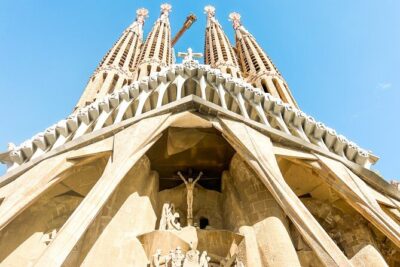 ★ 5.0Barcelona all included: Sagrada, Park Güell, Montjuic & GothicFrom $1192,169 reviews
 ★ 4.7Walking tour with Montjuic Castle & Cable CarFrom $64832 reviews
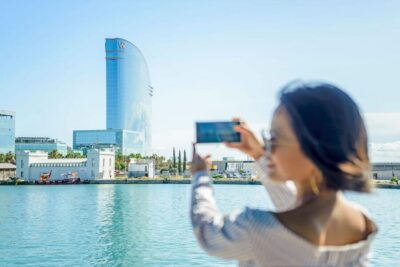 ★ 4.6E-Bike Tour with Montjuic Cable Car & Boat RideFrom $191817 reviews
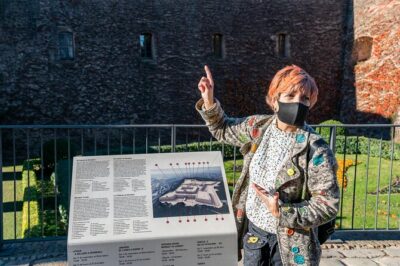 ★ 4.5Old Town, Montjuic Castle, Cable Car Small Group TourFrom $66445 reviews
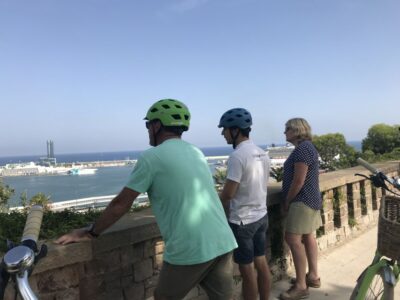 ★ 4.8Montjuic Hill E-Bike TourFrom $48386 reviews
 ★ 3.9Montjuïc Cable Car Ticket with Audio GuideFrom $32270 reviews
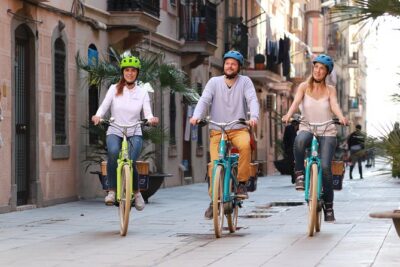 ★ 4.5Barcelona E-Bike Guided Tour with Montjuic HillFrom $47241 reviews
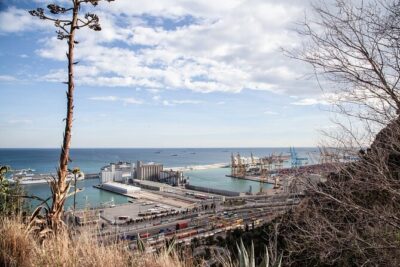 ★ 5.0Montjuïc Walking Tour With Optional Flamenco ShowFrom $35196 reviews
Continue by place or experience