
REVIEW · BARCELONA CITY TOURS
Barcelona: Jewish Tour by a Jewish guide
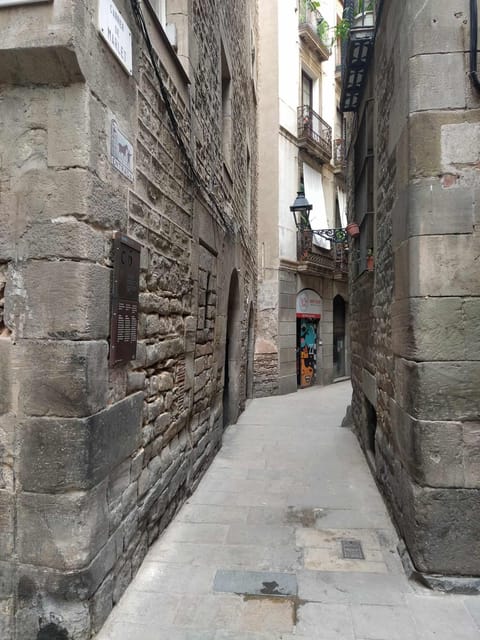
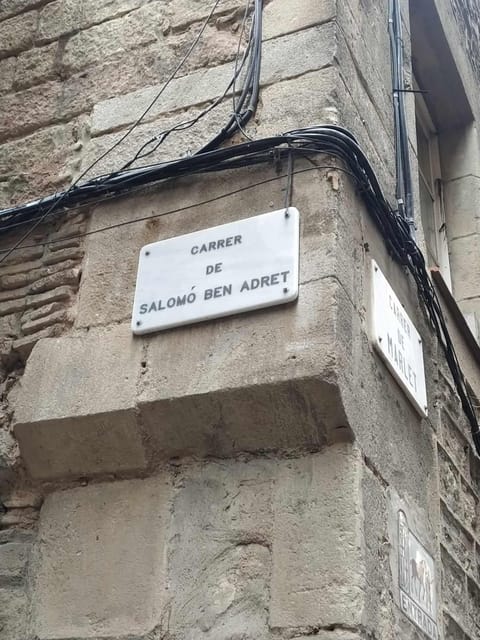
Jewish Barcelona has clues in plain sight. On this 2-hour walk, I like the way you connect the Rashba house to the broader story of Jewish life in the city, and you get to see the old mikve, a rare survival that makes the history feel real. You will also hunt for Hebrew traces and small details that most people walk right past in the Gothic Quarter.
The one practical consideration is that the tour includes the guide, but the synagogue museum entrance is not included, so you may need an extra ticket depending on what you want to see inside.
Key things that make this Barcelona Jewish walk worth it
- Jewish guide, Jewish context: You are not getting generic facts, you get community-focused storytelling.
- Rashba house stop: A major reference point for Barcelona Jewish heritage.
- Old mikve visit: Not just talk, you see a physical piece of lived ritual life.
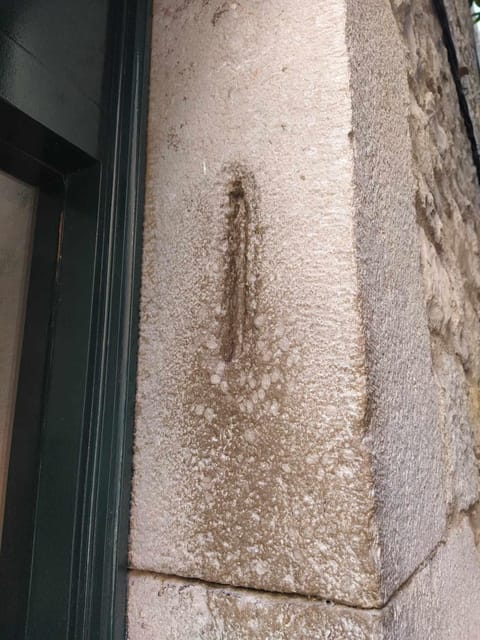
- Hebrew inscriptions in surprising places: You learn how to spot clues you would miss on your own.
- Hidden local spots: Corners and details that are hard to find without a local eye.
- Small, private format: More time for questions and pacing that fits your group.
Why a Jewish guide matters in Barcelona’s Jewish Quarter
Barcelona can feel like it is all grand architecture and busy streets. This tour flips that lens. Instead of only admiring stones and streets, I like how you learn to read them like a map of earlier Jewish presence.
With a Jewish guide, the story lands differently. You hear the connection between place names, everyday objects, and religious practices. That is especially helpful in this neighborhood because so much of the past is not presented as obvious museum displays. You are looking for evidence, interpretation, and context, not only preserved buildings.
And you get a guide style that aims to keep the mood thoughtful but not heavy-handed. Some groups highlight that the guide looks for something hopeful even while covering difficult history. That matters, because Jewish history in Europe often includes loss and exile, and you want a guide who can handle that tone with care.
You can also read our reviews of more guided tours in Barcelona


Starting at Plaça de Sant Jaume, where your route makes sense
You begin at Plaça de Sant Jaume, and the tour starts with a short guided introduction there. I like this approach because it helps you get oriented before the walk gets intricate. You hear how Barcelona’s old city layout shaped where communities lived, traded, prayed, and moved.
From that starting point, the tour quickly turns into a lesson in reading the Gothic Quarter. The first major segment is about the older street fabric and how the city’s layers overlap. Even if you have visited the Gothic Quarter before, you will likely start noticing different details once your guide tells you what to watch for.
One more thing I like: the tour is designed for a clear back-and-forth flow, so you are not stuck chasing directions alone after the intro. You end up back at the same main square near the finish.
The Gothic Quarter walk: City Hall, Roman remnants, and Hebrew clues
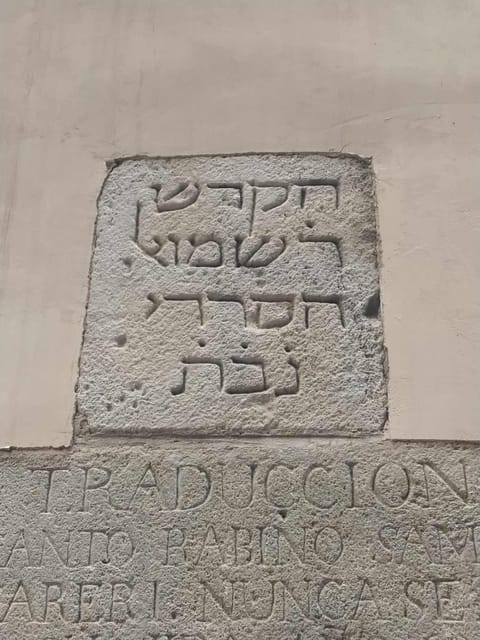
The longest stretch focuses on the Gothic Quarter. This is where the tour earns its keep, because the sites you are going for often sit in plain view, yet are easy to miss without guidance.
During this part, you will cover landmark areas like City Hall and also a Roman temple. That pairing is not random. It helps you understand that Barcelona’s story is layered, and Jewish history exists within the broader timeline of the city, not as a separate island.
Then comes the practical fun: you look for Hebrew inscriptions in places that can be surprising. The point is not to turn it into a scavenger hunt, but to show you how writing, symbols, and memory can persist even when buildings change purpose.
Why this matters for you: if you self-tour the Gothic Quarter, you can spend hours wandering and still miss the specific references that connect to Jewish life. With a guide, you get the shortcuts. You also get explanations in English, Hebrew, or Spanish, so if you speak one of those languages, you can follow the details tightly.
Old Jewish quarter highlights: the Rashba house connection
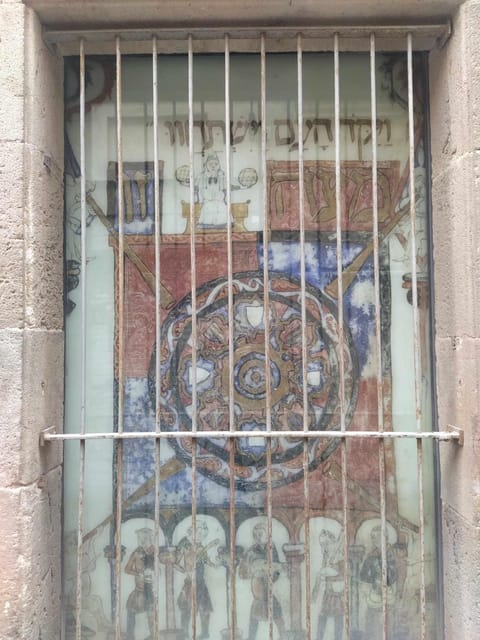
The tour then shifts into the heart of what makes this experience stand out: the Jewish heritage sites tied to Barcelona.
One key stop is the house of the Rashba. Even if you are not already familiar with the name, this stop gives you a way to anchor the stories. It is the kind of landmark that helps you connect the physical city to Jewish learning and leadership traditions associated with the Rashba.
I also like that the guide does not treat this as a name-drop. The storytelling approach is framed around what those references meant for everyday Jewish life, and how the community’s presence affected the city’s identity over time.
Important note for your expectations: this is not a tour where everything is perfectly preserved as an intact, operating museum synagogue. Instead, you get a guided reading of what survived, what vanished, and what you can still infer from the physical and textual traces.
Visiting the synagogue area and planning for the museum ticket
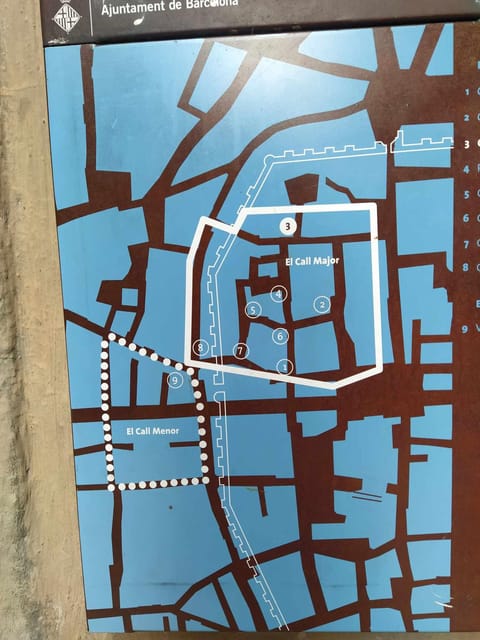
Part of the experience includes seeing a synagogue that is described as among the oldest in the world. You also get context that frames why the site matters in the larger arc of Jewish history in Barcelona.
The catch is simple. Entrance to the synagogue museum is not included. So if you want to go inside the museum space, you should plan for an additional cost and time allowance based on the access situation.
If you are trying to decide how much you want to do beyond the walk itself, this is the decision point:
- If you mainly want the neighborhood story, you can focus on the external and interpretive elements.
- If you want the extra layer that museum space provides, budget for the ticket.
Either way, you will not feel lost. The guide keeps the route coherent so you understand what you are seeing and why it connects to the rest of the stops.


The old mikve: where ritual history turns from story to place
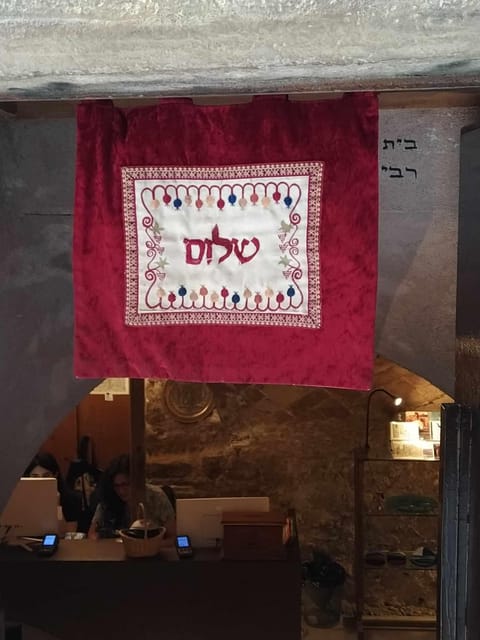
The tour includes a visit to the old mikve. This is one of the most moving stops on the route, because it is a physical structure tied to ritual practice. You get the kind of explanation that makes the mikve more than a word you heard once.
I like that the guide treats this as an anchor point for understanding daily religious life, not just as a background detail. When you see a mikve, you grasp that Jewish continuity was built out of specific routines, spaces, and community care.
This segment also includes time built into the flow. There is a brief break and then additional guided time near the end of the walk. That pacing helps you absorb the bigger picture without feeling rushed right after the most intense stops.
Hebrew inscriptions you might actually be able to spot later
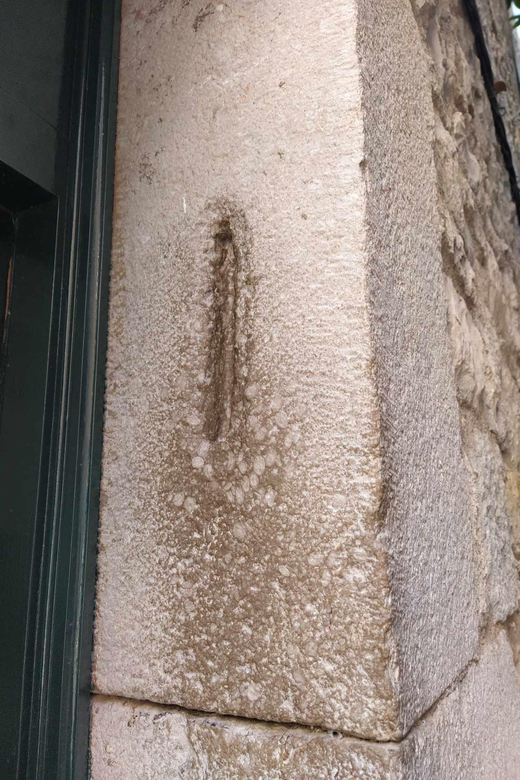
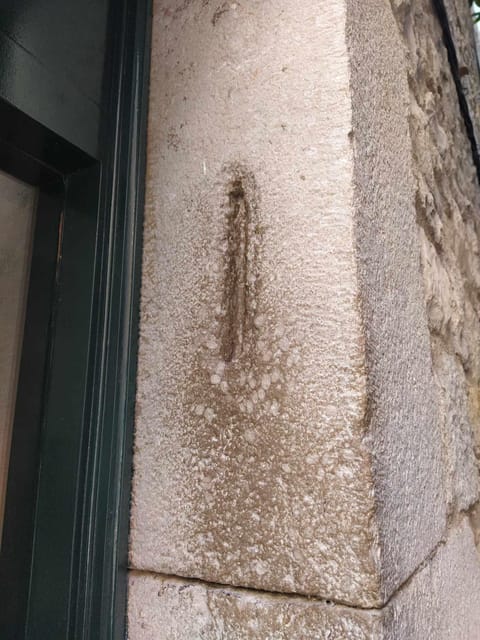
One benefit I would bet you will feel after the tour is pattern recognition. The guide points out small items and corners that you likely would not find on your own. That includes places with Hebrew inscriptions that show up in unexpected settings.
After a good walking guide, you start noticing:
- writing marks embedded in stone or structure
- symbolic remnants that do not scream their meaning
- architectural hints that signal earlier community use
This is one reason a local guide is so valuable here. Barcelona’s clues are there, but they are not always labeled for you in a way that makes them obvious without context. If you like historical detective work, this tour fits your style.
Tour pace, timing, and what to wear
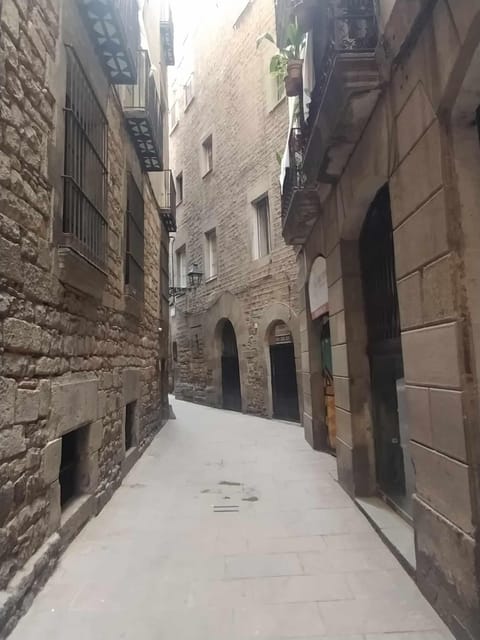
This is a 2-hour private group walk. Private format usually means fewer distractions and more opportunity to ask questions, which is useful for a subject like Jewish history where you may want clarification on timelines and terms.
You should expect a walking route through old streets. The company lists the tour as wheelchair accessible, so the route is likely planned with that in mind. Still, I recommend you come prepared for uneven historic-street surfaces.
In terms of language, the guide can lead in English, Hebrew, or Spanish, so you can match your comfort level.
Price and value: what $68 gets you
At $68 per person for 2 hours, the price can feel specific, not cheap, not wildly expensive. Here is how it adds up.
You get:
- a professional private guide
- a focused route in the Jewish Quarter and Gothic Quarter
- guided interpretation of multiple key sites, including the Rashba house and old mikve
- context that helps you understand what you are seeing, including Hebrew inscriptions
You do not get:
- transportation
- the synagogue museum entrance
So the value is in the guide time and the route intelligence, not in a buffet of ticketed attractions. If you were planning to self-walk the area, you would likely spend time figuring out what is actually worth your attention. This tour turns that effort into a clear narrative in a short window.
Who this tour suits best
This tour works well for you if you want:
- a clear, story-driven introduction to Barcelona’s Jewish heritage
- specific stops tied to the Rashba house and the old mikve
- a Jewish guide who can explain traditions and references with the right cultural lens
- a route through the old Jewish quarter that includes hidden or hard-to-find details
It is also a smart pick if you are visiting for a short time and want one concentrated experience rather than piecing the story together across multiple half-days.
If you are the type who prefers only preserved buildings with plaques and modern signage, you may find that the tour leans more interpretive than monument-heavy. But if you enjoy learning how history hides in the present, you will likely enjoy it a lot.
Should you book this Barcelona Jewish Tour?
Yes, I think you should book it if you want a guided route that connects place to practice, and you care about seeing the Jewish Quarter with the right context. The strongest reason to choose it is the combination of specific heritage anchors, like the Rashba house and the old mikve, plus the guide’s ability to point out details that are hard to catch alone.
Before you book, do one quick check in your head:
- If the synagogue museum matters to you, plan for the extra ticket since museum entrance is not included.
- If you prefer a light, upbeat walk, ask yourself whether you are okay with a history that includes real tragedies, even when the guide adds hopeful framing.
If that sounds like your kind of travel, this is a high-value, focused way to understand Barcelona’s Jewish legacy.
FAQ
Where is the tour meeting point?
The guide will be waiting outside of Starbucks.
How long is the Barcelona Jewish Tour?
The duration is 2 hours.
What does the tour cost?
The price is $68 per person.
Is transportation included?
No. Transportation is not included.
Is the synagogue museum entrance included?
No. Entrance to the synagogue museum is not included.
What languages is the tour offered in?
The tour is offered in English, Hebrew, and Spanish.
Is this tour private?
Yes. It is a private group.
Is the tour wheelchair accessible?
Yes. The tour is listed as wheelchair accessible.
What is the cancellation policy?
Free cancellation is available up to 24 hours in advance for a full refund.
More Guided Tours in Barcelona

More Tours in Barcelona


More Tour Reviews in Barcelona
Not for you? Here's more nearby things to do in Barcelona we have reviewed








More Barcelona City Tours worth opening.
 ★ 4.4Park Güell Admission TicketFrom $2576,534 reviews
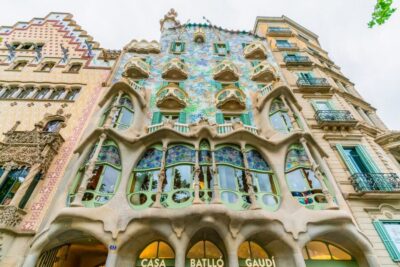 ★ 4.7Casa Batlló Entry with Self-Audioguide TourFrom $3425,359 reviews
 ★ 4.424 or 48-Hour Hop-On Hop-Off Bus TourFrom $3920,872 reviews
 ★ 4.7Park Guell Guided Tour with Skip The Line EntryFrom $3117,563 reviews
 ★ 5.0Barcelona in 1 Day: Sagrada Familia, Park Guell,Old Town & PickupFrom $12013,541 reviews
 ★ 4.3Barcelona Aquarium: Entry TicketFrom $3113,335 reviews
 ★ 4.8Sagrada Familia Skip-the-Line Entry Ticket & TourFrom $6712,789 reviews
 ★ 4.4FC Barcelona Museum “Barça Immersive Tour” TicketFrom $3510,944 reviews