
REVIEW · BARCELONA CITY TOURS
Barcelona: Insider Street Art Tour with Private Studio Visit
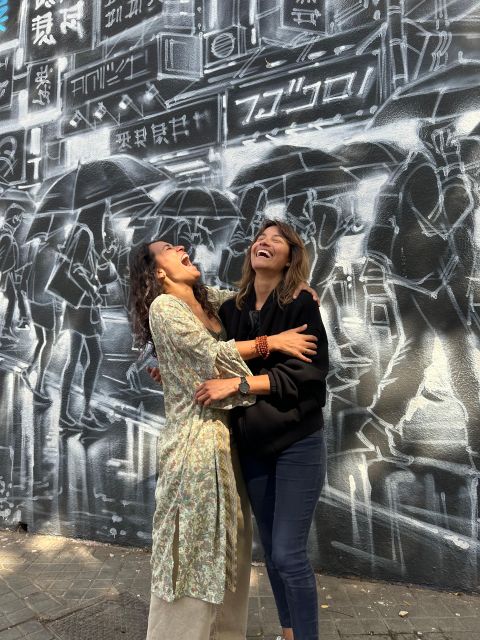
Street art gets personal fast. This Barcelona street art tour is interesting because you are not just looking at walls, you are learning how artists and art historians read them, right up close. What I like most is the chance to meet artist-guides and ask questions as you go, plus the payoff of a private studio visit where you can see work and process beyond the street. One possible drawback to plan for: it is only 2 hours, so if street art is your main obsession, you may want to keep exploring after the tour.
I also love the way the route mixes neighborhood walks with short, focused stops, including around El Raval, plus a final transition into an urban art gallery setting. You get photo opportunities along the way, but the real value is learning what you are photographing, from tags and paste-ups to larger murals and even urban sculpture. If you show up expecting a long crawl of every famous mural in town, you might feel a little rushed, but for a first taste of Barcelona’s street art scene, it is a strong fit.
Key points to know before you go
- Artist or art historian guides who work in the scene, so explanations come with real-world context
- Private studio visit where you can meet local artists and talk directly about their work
- Street to gallery connection, finishing at Canal Gallery to see how pieces move from public walls to curated spaces
- A route through El Raval, La Rambla, and the Gothic Quarter area, giving contrast between styles and settings
- Focused stop times that keep the pace moving while still letting you ask questions
- A map plus extra local tips to help you follow the trail after the tour
Why the Artist-Guides Change the Whole Street Art Experience
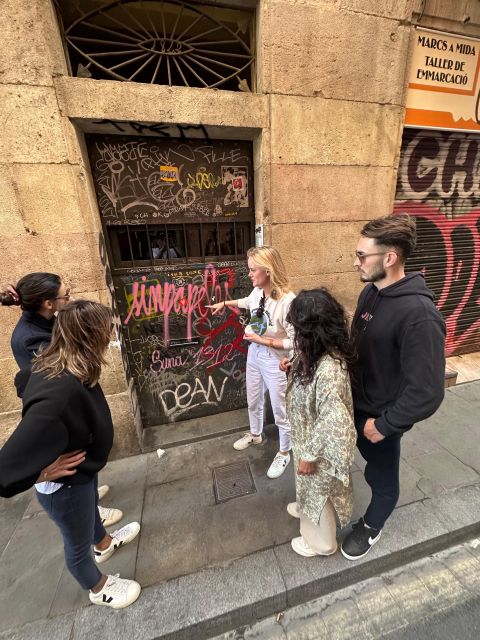
Barcelona street art works best when you know what you are seeing. This tour is built around that idea. You will learn how to recognize different graffiti styles and techniques, and you will also get practical vocabulary for what you are spotting: tags, paste-ups, murals, and even urban sculpture.
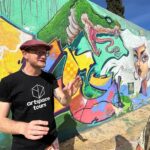
The biggest reason it feels different from a standard “walk and look” tour is the guide set. The tour notes that guides are artists or art historians active in the street art scene, and the name credits in the feedback back that up. I have seen guides named Kat, Kate, Anya, Luke, and Juan tied to the experience, and that matches the core promise: people with direct involvement explain what is behind the work, not just what is on the wall.
You also get a “story layer” that matters. Street art is often read as decoration from a distance, but on this tour you are encouraged to pay attention to why a piece exists, how it fits in the local scene, and what skills show up in the execution. That means you leave with the ability to read Barcelona’s walls long after your phone battery does not cooperate.
You can also read our reviews of more private tours in Barcelona


Meeting at Teatre Condal, Then Getting Oriented Fast
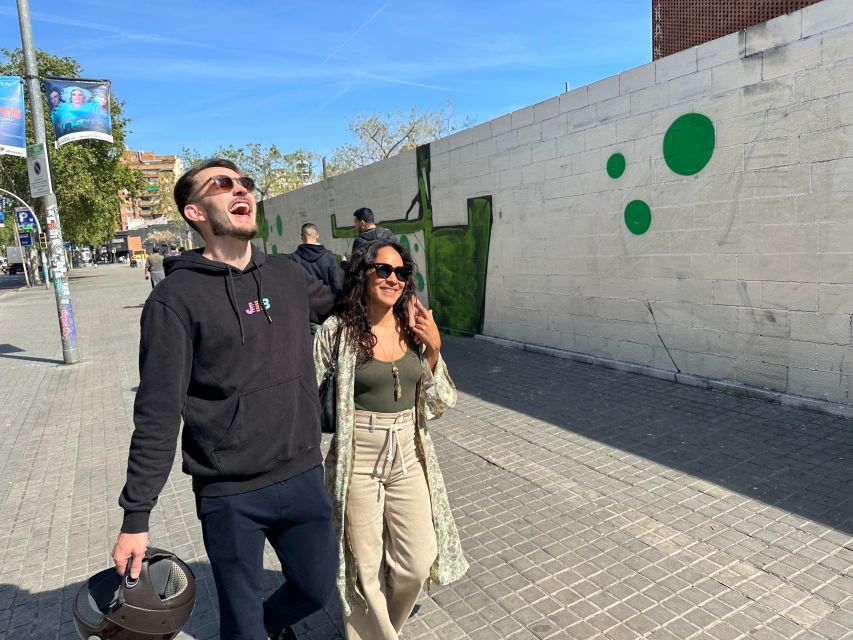
Your tour starts at Teatre Condal, meeting in front of the BINGO sign. The instructions are clear that there are cafes and shops nearby, useful if you need a bathroom stop or a quick drink before you launch.
Starting at Teatre Condal also makes sense because it puts you near a street-art-heavy circulation zone. In a city like Barcelona, the best art often appears where you are already walking, not only in postcard places. From there, you begin with a guided segment around Av. del Paral·lel, 40.
This first stop is short, about 15 minutes, and that is a plus. You get a quick calibration: what to look for, how to spot the “signature” of a style, and what questions to ask later. If you are new to graffiti culture, this early grounding keeps the rest of the tour from feeling like a random series of cool images.
Practical tip: wear comfortable shoes and keep your camera ready, but do not just snap. Take five to ten seconds to look for style clues first. Even with a fast route, your brain starts sorting the art into patterns once someone explains what to notice.
Av. del Paral·lel Stops: Styles, Tags, and What to Notice in Real Time
The first guided stop near Av. del Paral·lel, 40 is where the tour starts training your eye. You will be walking past different kinds of street art, and the guide pushes you to connect technique to intent.
This is where tags and paste-ups tend to be easiest to misunderstand if you only pass by quickly. During the guided time, you should listen for the small cues: the lettering approach, the layering, and the way a piece signals its identity in a space crowded with other work. If you pay attention here, the rest of the route becomes smoother because you are not guessing what you are looking at.
You also get a rhythm of short visits mixed with walks. That matters because graffiti work often sits at street level and under changing light. When you stop briefly, then move, you start seeing how the art reads from different angles and distances. It turns “I saw a wall” into “I can recognize a style.”
El Raval Walk: The Part of Barcelona That Shows Its Street Life
Next comes a longer walk through El Raval, about 20 minutes. This neighborhood is a practical choice for a street art tour because it tends to show how public walls behave in everyday life, not as museum backdrops.
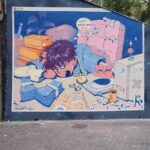
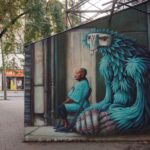
Raval also gives you variety in what you see. You can expect to encounter a mix of graffiti styles and scales, from lettering-focused work to larger murals, all within a walkable slice of the city. The value here is learning how street art changes depending on context. The same technique can feel different when it is placed near a doorway, a corner, or a surface that gets more foot traffic.
In a short walking tour, El Raval is one of the places where you can get the most “real city” feeling. You are not only viewing art, you are moving through the same corridors that locals use. That is where the “read the city’s walls” goal stops being a slogan and becomes a skill.
La Rambla and the Gothic Quarter Area: Contrast Without the Exhausting Grind
After Raval, you make a quick stop around La Rambla. It is brief, about five minutes, so think of it as a snapshot. You should use it to compare how street art looks and feels when the setting shifts. The city’s busiest corridors tend to shape how people notice murals and how artists choose placements.
Then you head into the Gothic Quarter area for another walk, around 15 minutes. This is a smart pairing. One of Barcelona’s street art strengths is that it does not wait for the “right kind of place.” You see work living beside older architecture and tourist-heavy streets.
Here is the key for getting value out of this segment: do not treat it as sightseeing time. Use it as a contrast exercise. Ask yourself what changes in the art when the surroundings shift from neighborhood street life to older stone streets. The tour style supports this by keeping the pace moving, so you are comparing in motion rather than overthinking in one place.
If you get tired, take a breath and reset your attention. The short stops and guided pockets are designed so you do not lose the thread.
More Barcelona tours and experiences for the shortlist


Studio Time in an Underground Space: Why Private Access Matters
The tour includes a studio visit in an underground urban art studio space, with time set aside for meeting local artists. This is the moment that tends to convert a casual interest into real respect.
On the street, you see the finished result. In a studio, you see how the finished work gets built. That includes process, tools, and the kind of conversation artists have when they are not performing for passersby. You are also told you will have chances to chat and meet the artists themselves, which is a big deal. Street art can feel anonymous from afar, but in a studio setting it becomes human and specific.
The studio visit also explains why guides who are artists or art historians matter. They can connect what you see outside to what the artist is working on inside. Even if you do not understand every technical term, the stories help you connect skills to meaning.
If you like asking questions, this is where you should spend your time. Ask about how a style develops, how murals get placed, or what techniques show up in both sketches and street pieces. The reviews repeatedly highlight that people felt welcome and relaxed, and that Q and A is part of what makes the two hours feel complete.
Photo tip: expect plenty of visual moments, but keep your respect filter on. In a studio, ask before photographing anything that feels personal or unfinished.
Ending at Canal Gallery: Where Street Art Meets the White Walls
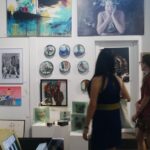
The tour finishes at Canal Gallery. That stop is more than a final location, it is the bridge between street and gallery worlds. The tour description notes that you will visit an urban art gallery to see the transition from the streets to the gallery setting, and you will meet the gallerists behind the space.
This part can be surprisingly educational if you pay attention to how display changes meaning. Street art works because it lives with the city. In a gallery, it is still the same artwork, but the surrounding context shifts: lighting, labels, distance, and viewer expectations all change.
This is a great moment for pattern-spotting. Think back to the pieces you saw outside and notice what elements become more obvious in a gallery setting. You may find that technique and composition start to read differently when the art is not competing with sidewalks and moving crowds.
It also helps you decide what to seek next. Once you understand what a gallery represents, you can follow that trail on your own and avoid random wandering.
Price, Pace, and How Much Value You Actually Get
The price is $33 per person for a 2-hour street art experience. For Barcelona, that is not a low price in absolute terms, but it is reasonable once you price in the studio component and the expertise.
Here is the value math that matters to you:
- You are paying for artist-guided interpretation, not just movement around the city.
- You get private studio access plus conversation with artists, which usually costs more in any city.
- You also get two “modes” of viewing: street sites and a gallery stop, which helps you understand the scene instead of only consuming it.
The pace is structured to keep the time tight. There are multiple guided segments, then walks that connect them. That structure can feel great if you only have a couple hours and want to get your bearings fast.
If you want extra reassurance before booking, note that the tour description says free cancellation up to 24 hours in advance and reserve now, pay later options. That reduces stress if your Barcelona plans are still changing.
Bring your walking comfort and a flexible mindset. This is a culture tour more than a checklist tour, so you will get the most value when you lean into learning rather than only taking pictures.
Who Should Book This Tour (And Who Might Want Another Option)
This tour is a great match if you:
- want to learn street art language, not just see murals
- like Q and A and want direct conversation with working creatives
- enjoy Barcelona neighborhoods like El Raval and the Gothic Quarter area
- want a short experience that still feels like it teaches you something
It also sounds like it can work well for families and special occasions, since the tour mentions that private, customized experiences are available for groups, families, or celebrations. If you are traveling with a teen who loves street art, the studio stop is often the highlight because it makes street work feel real and attainable.
If your style is strictly “famous sights only,” you might prefer a more classic tour format. This one is focused on reading the walls and connecting street pieces to the gallery ecosystem. You will still see impressive art, but the point is interpretation.
Should You Book This Barcelona Street Art Tour?
I think you should book this tour if you want Barcelona street art with context. The combo of artist or art historian guides, a private studio visit, and an ending at Canal Gallery is the kind of mix that makes your two hours feel like more than a walk.
Book it if:
- you are new to street art and want a guide to teach you what to notice
- you care about meeting artists and hearing the real stories behind pieces
- you want a practical way to see the less visited side of Barcelona on foot
Skip it only if:
- you want a long, exhaustive street-by-street mural crawl
- you dislike walking routes through busy central areas
If you are deciding between “see street art” and “understand street art,” this tour leans hard toward understanding, and that is the difference you will feel after.
FAQ
How long is the Barcelona street art tour?
The tour lasts 2 hours.
Where does the tour start?
The meeting point is in front of the BINGO sign at Teatre Condal.
What language is the guide?
The tour is guided in English.
What is included in the price?
The included items are an interactive map with recommended galleries, cafes, and cool places to visit in Barcelona, plus the guided street art experience.
Is the tour wheelchair accessible?
Yes, the tour is wheelchair accessible.
Is there an option to book without paying immediately?
Yes, there is a reserve now and pay later option.
Can I cancel if my plans change?
You can cancel up to 24 hours in advance for a full refund.
More Private Tours in Barcelona

More Tours in Barcelona




More Tour Reviews in Barcelona

Not for you? Here's more nearby things to do in Barcelona we have reviewed








More Barcelona City Tours worth opening.
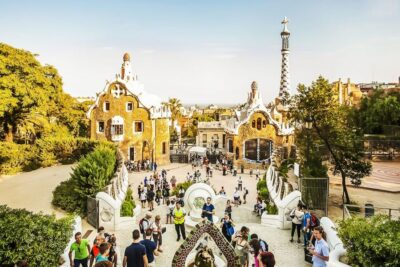 ★ 4.4Park Güell Admission TicketFrom $2576,534 reviews
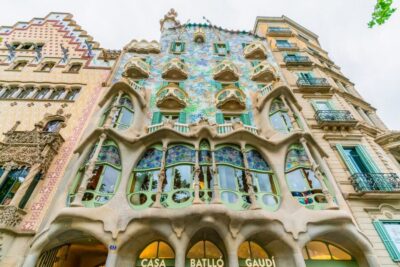 ★ 4.7Casa Batlló Entry with Self-Audioguide TourFrom $3425,359 reviews
 ★ 4.424 or 48-Hour Hop-On Hop-Off Bus TourFrom $3920,872 reviews
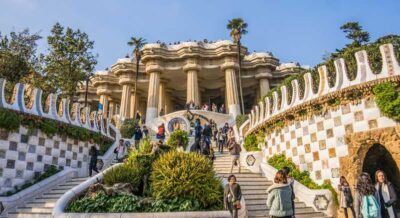 ★ 4.7Park Guell Guided Tour with Skip The Line EntryFrom $3117,563 reviews
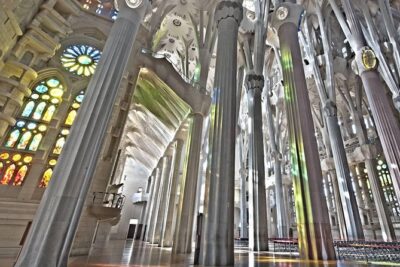 ★ 5.0Barcelona in 1 Day: Sagrada Familia, Park Guell,Old Town & PickupFrom $12013,541 reviews
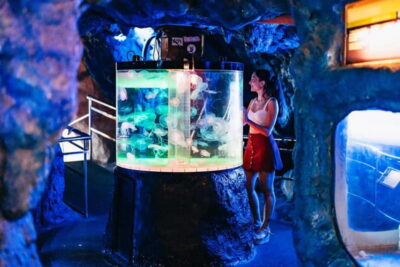 ★ 4.3Barcelona Aquarium: Entry TicketFrom $3113,335 reviews
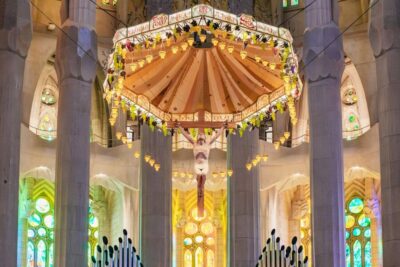 ★ 4.8Sagrada Familia Skip-the-Line Entry Ticket & TourFrom $6712,789 reviews
 ★ 4.4FC Barcelona Museum “Barça Immersive Tour” TicketFrom $3510,944 reviews
Continue by place or experience