
REVIEW · BARCELONA CITY TOURS
Barcelona Historic Walking Tour and Food Experience
Barcelona has a knack for hiding stories in plain sight. This walking tour strings together the Gothic Quarter and El Born with smart context, so the past feels connected to today. You also get built-in lunch energy, with drinks and snacks included, so you are not hunting down places as you walk.
What I like most is how the route uses foot travel to reach areas bigger tours miss, and how the food stops actually help you keep moving without turning the day into a restaurant schedule. The one thing to consider is simple: this is an active stroll, you should be comfortable walking for about 90 minutes.
Key highlights worth marking on your map
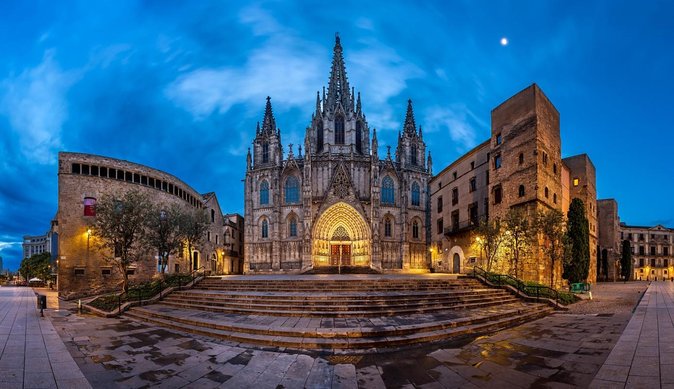
- Gothic Quarter and El Born focus on the old lanes you want to get to fast
- Small group size of up to 15 for a more personal pace
- Drinks and snacks included so you do not stop and pay
- Historical threads tied to modern independence movement for a tour with context
- Plaça de Sant Just and Plaça de Sant Jaume are quick, free-entry stops that add depth
- Finish in the Gothic Quarter near La Rambla so you can keep exploring right after
Why this 3.5-hour walking style beats a bus day
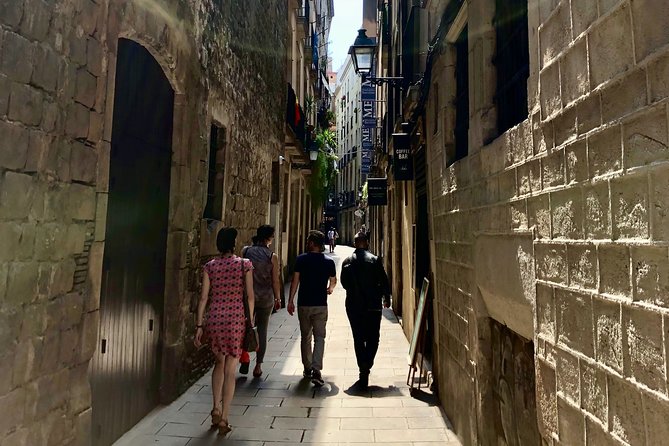
If you only have a day or two in Barcelona, you need the kind of plan that gets you oriented without wasting half your time in traffic and long stops. This tour is built around walking through Ciutat Vella, the area where the medieval street plan is still very much alive.
A bus can drop you at a few big sights, but it cannot recreate the feel of slipping through tight backstreets, turning corners, and suddenly realizing you are standing in a place that has been used for centuries. This tour’s walking approach is also practical. With a tight duration of about 3 hours 30 minutes and a schedule that includes breaks for tastings, you are not spending the whole day waiting in lines or finding food.
Price-wise, it is not the cheapest activity in town at $167.01 per person. But you are paying for a guide-led route that is designed to reach places bus tours cannot, plus included drinks and snacks. When that combination lines up, it can feel like better value than paying for a separate food plan plus a standard walking tour.
You can also read our reviews of more walking tours in Barcelona



Getting started: Ciutat Vella, easy to reach, easy to orient
The tour begins at ALDICarrer del Comerç, 60, in Ciutat Vella (close to the old-center flow of streets). You also finish at Carrer de Petritxol, still in the Gothic Quarter, not far from La Rambla. That end location matters because you can transition from tour mode to wandering mode immediately.
You get a mobile ticket, and the tour is offered in English. It also notes that you are near public transportation, which is a relief if you are mixing this with museum time, beach time, or a late-arriving flight.
If you are doing this early in your trip, this can act like a street-level orientation lesson. If you are doing it later, it helps you read the city better when you are walking on your own. Either way, starting and ending in the same compact old-town zone makes it easier to fit into a realistic itinerary.
The medieval layers: from independence to El Born’s name
One of the most interesting parts of the tour is that it does not treat history as a museum display. Early on, you will make a connection between the city’s historical story and the current independence movement. It is a thoughtful touch because it explains why people care about the past here, not just what happened.
Then you get the kind of small detail that changes how you see the neighborhood. Your guide helps you understand what the name El Born means. That is exactly the sort of thing that would be hard to guess on your own when street signs look like they are only decorative. Here, it becomes a clue to the neighborhood’s identity.
After that, the route moves into the medieval core. You will learn Barcelona’s medieval history and see palaces and churches. The tour also points out how one impressive church was financed by the rich people of the neighborhood. That gives you a clearer idea of how power worked, who paid for the big statements, and how neighborhoods used architecture as a kind of branding.
Plaça de Sant Just: an old Christian church in a tiny stop
Plaça de Sant Just is one of the clearer “let’s pause here” moments on the walk. You spend about 10 minutes there and you get an entry-free stop. This is where the tour tightens the link between space and time: you are not just hearing names, you are seeing how the square works as a public stage.
The highlight here is that this square includes the oldest Christian church in Barcelona. Even if you do not go deep into religious architecture, it is a powerful anchor point. Squares like this are where old cities keep their memory. They also give you a mental reference later when you wander on your own.
A practical note: since this stop is short, it is not the kind of place where you want to arrive starving for extra time. It is best as a quick education break inside the bigger walking rhythm.
Plaça de Sant Jaume: the Roman heart that still shows through
From medieval Barcelona, the tour steps into another layer at Placa de Sant Jaume, also about 10 minutes and also admission free. This square is described as the Roman heart of Barcelona, and that is the key idea your guide will help you understand.
What I like about this part is the way it turns the city into a time stack. You walk a little, you learn a little, and then you realize the same location can serve different eras with different political meanings. You are not just collecting trivia, you are learning how the city reused its center.
If you are the type of traveler who likes to connect dots, this is a good stop. If you prefer only the biggest-ticket sights, you might wish there were a bit more time here. But for most people, 10 minutes is enough to land the idea and keep the tour moving.
You can also read our reviews of more food & drink experiences in Barcelona






Gothic Quarter and El Born: narrow lanes, palaces, and churches
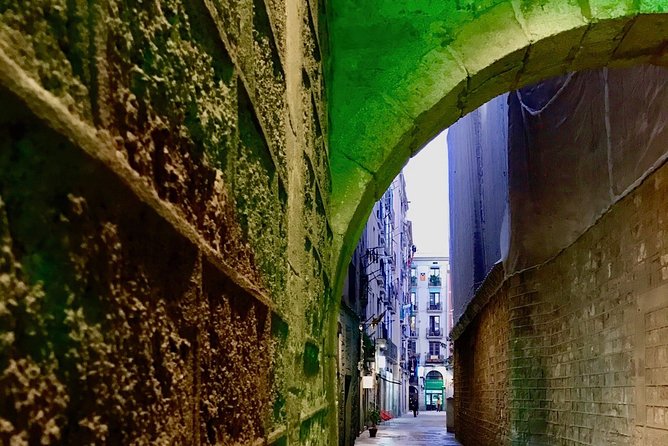
After the square stops, the walking phase leans into what most people picture when they imagine old Barcelona. You stroll through narrow backstreets and learn how the city’s past shaped its present layout. The tour also points out palaces and churches along the route, with an emphasis on who funded and built what, and why.
One benefit of using a guide on this section is that you do not have to guess what you are looking at. Barcelona can look like a beautiful jumble of stone and arches until someone gives you context. With the tour, you understand what makes a building feel important, and how the neighborhood structure is tied to wealth, faith, and civic life.
Another benefit is the pace. The tour is set up so you can keep walking without constantly stopping to search for the next thing. That matters because you spend your time seeing, not planning.
The food and drink stops: built-in lunch breaks without the scramble

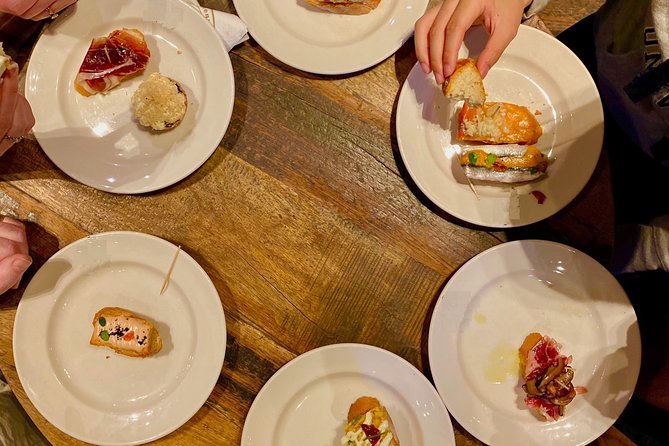
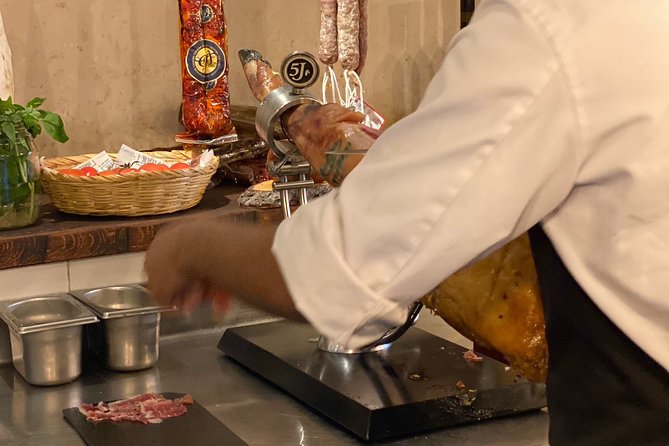
Here is a big reason this tour rates so highly. There is no need to stop and pay for food and drinks, because drinks and snacks are included. In practice, this means you get tastings during the walk, so you can keep your momentum.
A review you can learn from is that the food stops provided different types of foods, and the portions were described as generous. That is exactly what you want in a walking food tour. If tastings are tiny, you end up hungry later. If they are solid, you can treat the day as a full lunch-and-snack experience rather than a light nibble.
Also, this is not just about taste. Food stops give your legs a break. They also break up the tour into sections, which helps you absorb the history. When you learn about medieval Barcelona and then taste something local nearby, the day feels more like a real experience than a checklist.
If you have dietary restrictions, the only safe move is to check what is possible with the operator before you go. The provided info confirms food and drinks are included, but it does not list specific dietary accommodations.
Walking time, comfort level, and who will enjoy it most
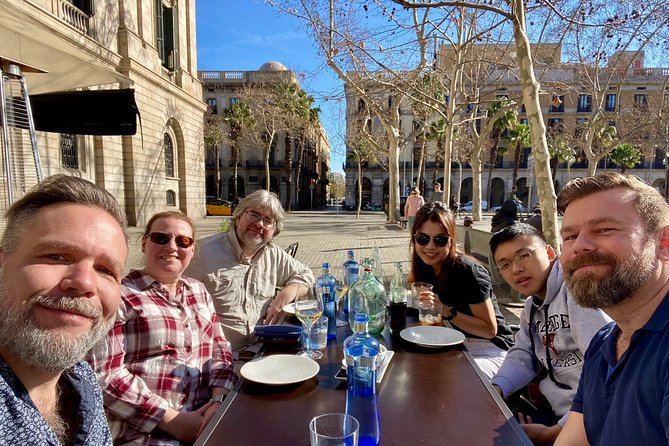
You should be able to walk for about 90 minutes during the tour, and the total length is about 3 hours 30 minutes. That is a manageable amount for a lot of people, but it is not an all-couch experience.
The tour also says most travelers can participate. In my view, this points to a level that works for many visitors who are used to city walking, but it is not ideal for someone who struggles with uneven paving or long periods on foot.
This tour is especially good for:
- First-timers who want a guided route that makes the old streets make sense
- Travelers who want a history talk with real city context, not just a lecture
- People who like the idea of included food so they do not have to make a separate lunch plan
If you are planning to do big museums the same day, consider placing this tour earlier or later so you do not stack too many walking-heavy blocks together.
Group size and the feel of the tour
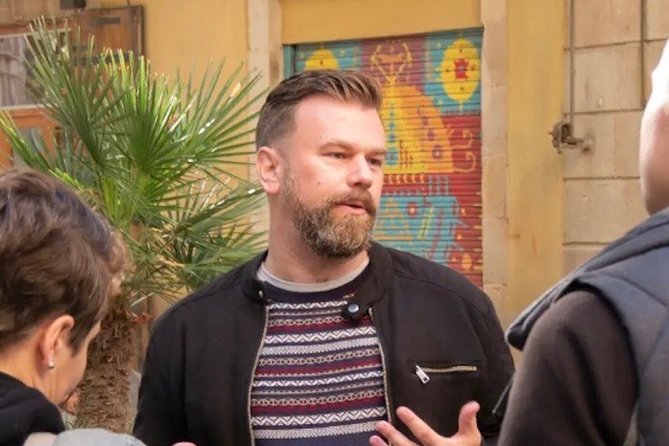
The maximum group size is 15, and the experience highlights small-group travel. That matters because it usually means your guide can keep an eye on pace, questions, and flow at each stop.
One review notes a group of 8 and that the tour became private. While you should not count on that happening, the structure helps it feel more personal even when the group is closer to the maximum. In other words, you are less likely to feel like one more face in a crowd, and more likely to get direct answers to your questions.
Price and value: what $167.01 is really buying
At $167.01 per person, you are paying for three things working together:
- A guided walking route that reaches the old-town areas you likely want on foot.
- Included drinks and snacks, which saves you money and planning time.
- Small-group experience that typically improves how smoothly the tour runs.
If you were to plan separately, you would likely pay for a walking guide plus spend on food and drinks. By bundling them into the tour, the price can start to feel fair, especially if you actually enjoy the food stops.
Also, this tour is a popular one. It has an average booking window of 83 days in advance, which usually means you should reserve early if your dates are fixed. Popular tours in Barcelona can fill up, particularly for smaller group sizes.
Practical details that can affect your day
A few small things can make or break how enjoyable this feels:
- You walk about 90 minutes, so comfortable shoes matter.
- The tour uses city streets and squares, so plan for some uneven surfaces.
- It is in English, so check your comfort level if you prefer a different language.
- The start and end points are in the old center, which is great for continuing your day afterward.
The route finishes in the Gothic Quarter near La Rambla. That is a useful detail if you want to keep the momentum with a late afternoon stroll, dinner, or a stop at a nearby viewpoint.
Should you book this Barcelona Historic Walking Tour and Food Experience?
I think you should book it if you want a guided way to connect Barcelona’s medieval core to the way people talk about identity and independence today. You get a tight walking route through the Gothic Quarter and El Born, plus included food and drinks that help you treat this as an easy lunch plan.
Book it now if you prefer small groups and hate feeling rushed by oversized tours. Also, if you land in Barcelona and want to stay awake during the day, a midday-ish start can be a smart way to beat jet lag, because the tour ends with time to rest and eat lightly afterward.
Skip it only if you are not comfortable with steady walking, or if you want a purely museum-style itinerary with fewer streets and squares. This is built for the city in motion, not the city behind glass.
If it matches your style, this is one of the better “do this, then wander” options in Barcelona.
FAQ
What is included for food on this tour?
The tour includes drinks and snacks during the experience, so you do not need to stop and pay for those items.
How long do I need to be able to walk?
You should be able to walk for about 90 minutes during the tour. The total duration is approximately 3 hours 30 minutes.
Is the tour offered in English?
Yes, the tour is offered in English.
How many people are in a group?
This experience has a maximum of 15 travelers.
Where do I start and where does it end?
You start at ALDICarrer del Comerç, 60, Ciutat Vella, 08003 Barcelona and you end at Carrer de Petritxol, Ciutat Vella, 08002 Barcelona, in the Gothic Quarter near La Rambla.
Is there an admission fee at the square stops?
The tour notes that Plaça de Sant Just and Placa de Sant Jaume have free admission.
Can I cancel and get a full refund?
Yes. You can cancel up to 24 hours in advance of the experience start time for a full refund. If you cancel less than 24 hours before, you will not receive a refund.
More Walking Tours in Barcelona

More Tours in Barcelona




More Tour Reviews in Barcelona

Not for you? Here's more nearby things to do in Barcelona we have reviewed








More Barcelona City Tours worth opening.
 ★ 4.4Park Güell Admission TicketFrom $2576,534 reviews
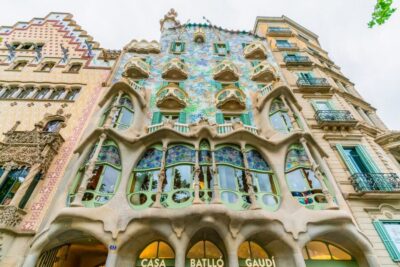 ★ 4.7Casa Batlló Entry with Self-Audioguide TourFrom $3425,359 reviews
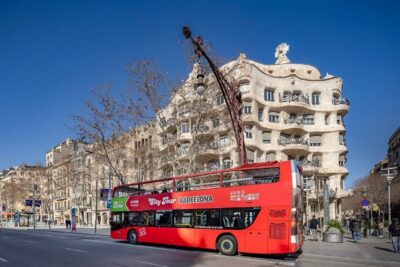 ★ 4.424 or 48-Hour Hop-On Hop-Off Bus TourFrom $3920,872 reviews
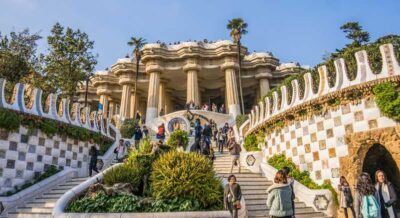 ★ 4.7Park Guell Guided Tour with Skip The Line EntryFrom $3117,563 reviews
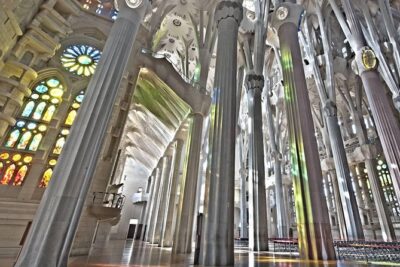 ★ 5.0Barcelona in 1 Day: Sagrada Familia, Park Guell,Old Town & PickupFrom $12013,541 reviews
 ★ 4.3Barcelona Aquarium: Entry TicketFrom $3113,335 reviews
 ★ 4.8Sagrada Familia Skip-the-Line Entry Ticket & TourFrom $6712,789 reviews
 ★ 4.4FC Barcelona Museum “Barça Immersive Tour” TicketFrom $3510,944 reviews
Continue by place or experience