
REVIEW · GOTHIC QUARTER TOURS
Barcelona: Gothic Quarter’s Deepest Secrets Tour and Sangria
Barcelona’s Gothic Quarter feels like a movie set. This small-group walk blends medieval street magic with sharper stories about politics and daily life, then pays off with real Catalan-style sangria. You’ll pass major sights like Barcelona Cathedral along the way, but you’re not just checking boxes, you’re getting context for what you’re seeing.
I especially like how the tour turns the narrow lanes of the Gothic Quarter into an easy-to-follow timeline, so the stones feel connected instead of random. I also like that your guide shares insider recommendations during the drink, not just facts during the walk, so you leave with a short list of where to go next.
One possible drawback: the cathedral entry is not included, so if you want to go inside, you’ll need to plan for that separately.
Key things to know before you go
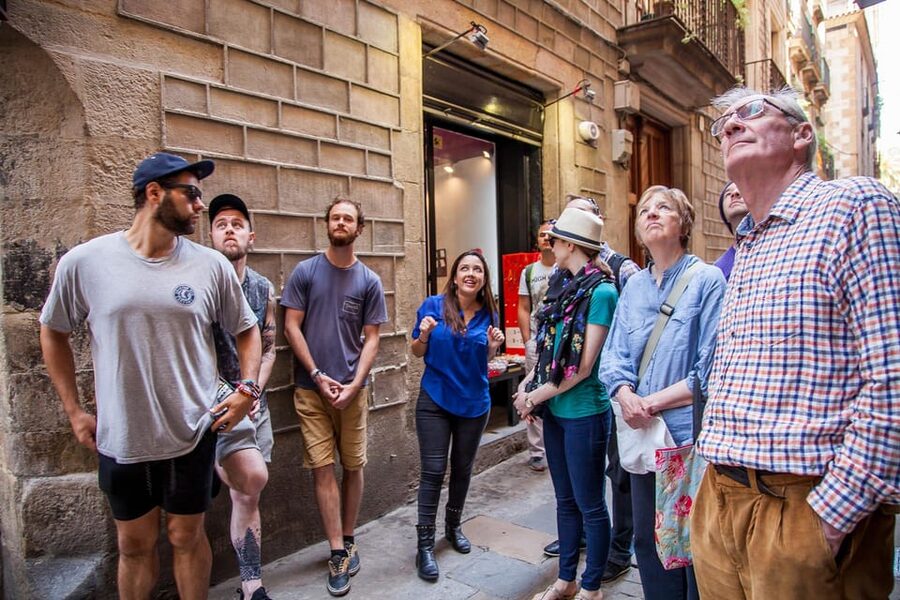
- Small group walking pace that helps you actually hear the story and not just shuffle along with the crowd
- Catalan and Spanish history mixed together, including the Spanish Civil War and political intrigue
- Major Gothic Quarter sights plus lesser-known corners, with stops like Roman Cemetery and Bishop’s Bridge
- Finish at a tapas place in Barceloneta, where you get complimentary sangria and practical food tips
- Bilingual guide support (English and Spanish), and guides like Valentina and Juliana come across as fun and professional
Meeting at Cafe Zurich, then slipping into the Gothic Quarter
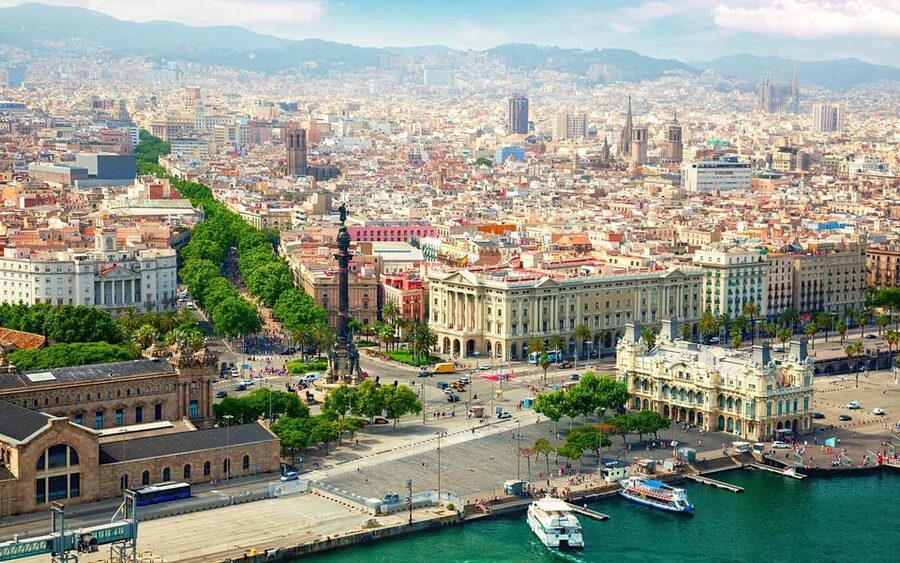
This tour starts at Cafe Zurich in Plaza Cataluña. Look outside near the metro station, and your guide will be standing there wearing a purple name tag. It’s a smart meeting spot because Plaza Cataluña is a hub, and you can get there easily from most areas.
From the first minutes, the experience is designed to help you get your bearings fast. You’ll be walked through the historic center in a way that makes Barcelona’s layout feel more logical, not like a maze you have to brute-force. Expect plenty of time outdoors, with the pace set for listening, not racing.
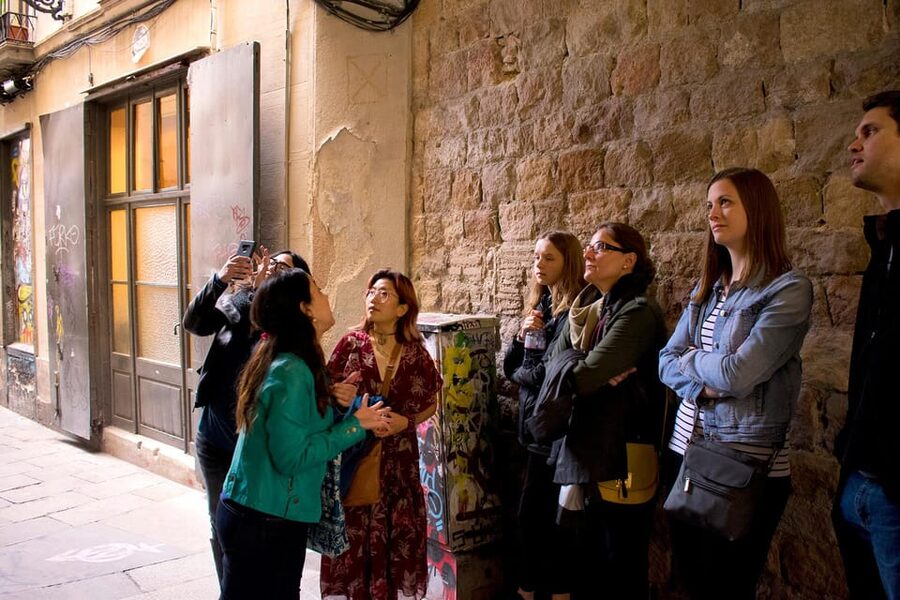
You’re also walking in a small group. That matters in the Gothic Quarter. These streets are narrow, and if you’re in a big group, the guide’s voice gets swallowed by crowd noise. With a smaller group, you’re more likely to hear the details and ask quick questions.
You can also read our reviews of more tours and experiences in Barcelona.
The story you actually came for: Catalonia, religion, and the Spanish Civil War
The headline here is secrets, but the real value is context. You won’t just hear what buildings are called. You’ll learn why they matter, including Catalan culture, art, religion, and the political twists that shaped the city.
A standout topic is the Spanish Civil War. The Gothic Quarter is the kind of place where war history can feel abstract when you’re reading plaques on your own. With a guide, you can connect locations to the human impact, and that turns the past into something you can picture. The tour also covers political intrigue, which helps you understand how modern Barcelona identity grew out of older conflict and resistance.
Religion gets attention too, since this part of the city is packed with sacred architecture and power structures. Even when you’re only seeing exteriors, you’ll understand what you’re looking at: not just a pretty façade, but the way faith and authority mixed across centuries.
And because the tour is bilingual, you’re more likely to follow the story no matter how your Spanish or English comfort level shifts during the walk.
Stop-by-stop: Plaza Catalonia to Barceloneta, with meaning at every bend
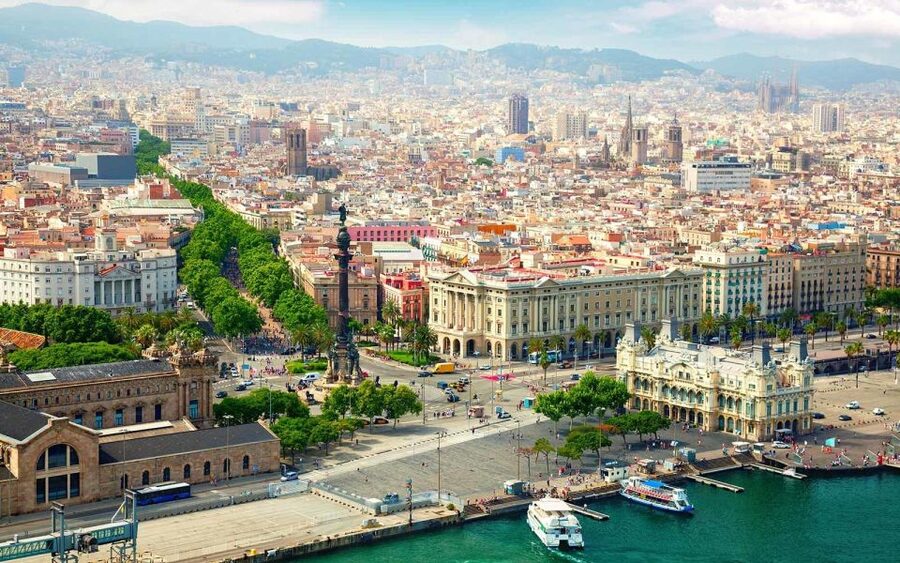
The route moves from the broader city center into the Gothic Quarter lanes, then down toward the harbor area. That arc is useful because it shows how Barcelona’s “old power” streets connect to trade, daily life, and the port.
Here’s how the stops typically land, and what to watch for:
Plaza Catalonia and the way the city funnels you inward
You start in the big, open zone of Plaza Cataluña, which is exactly where you want to be before the streets tighten up. It helps you orient quickly before the medieval lanes start bending out of sight. Even if you’ve already seen the square, it sets the stage for what’s coming next.
Las Ramblas and Canaletas Fountain, a quick transition moment
You’ll pass Las Ramblas and the Canaletas Fountain area. This part can feel touristy, but on this route it works like a handoff. It’s how the city transitions from “main boulevard Barcelona” into older neighborhood streets. Use it to notice the change in scale, noise level, and street shape as you go.



Roman Cemetery and Petrixol Street, where layers show up fast
The Roman Cemetery stop gives you an anchor for the idea that Barcelona didn’t start with the Gothic Quarter. It’s a reminder that the city has had multiple lives stacked on the same ground.
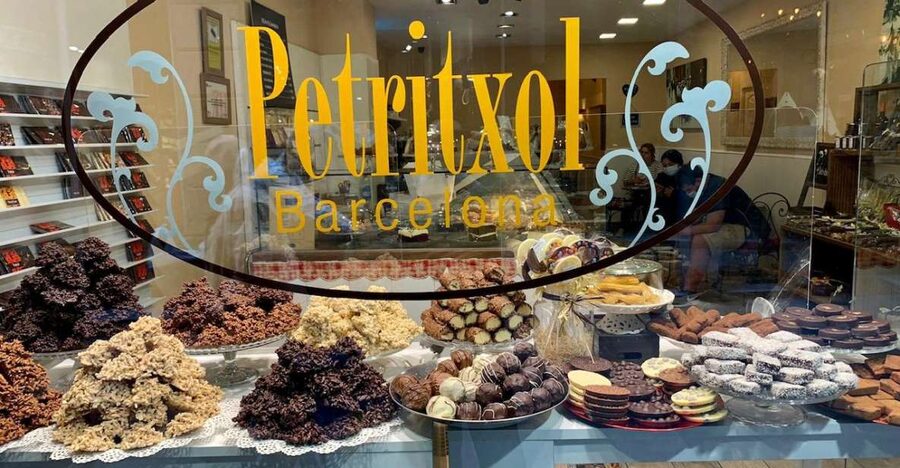
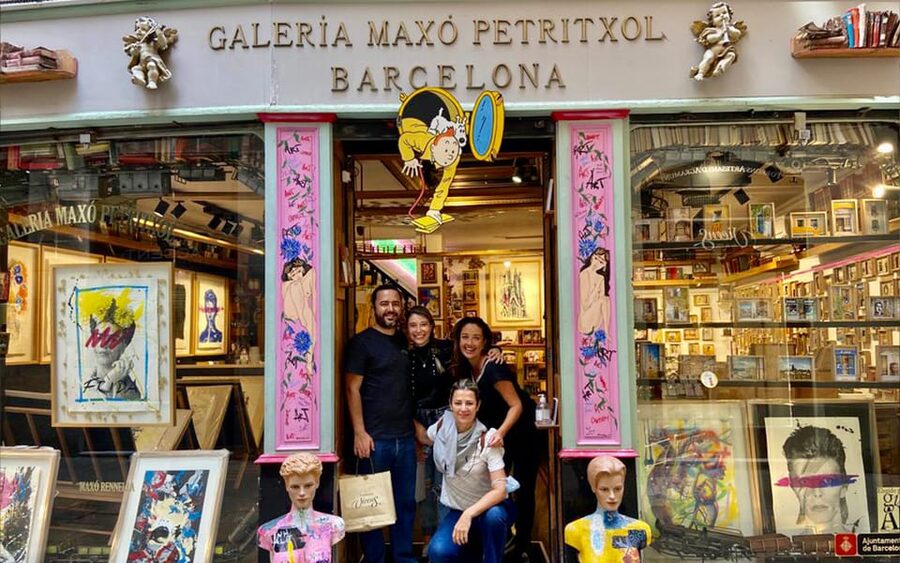
Then you’ll get into Petrixol Street, which is one of those lanes that looks like it belongs in a postcard. But the guide’s job is to make it more than pretty. You’ll connect street character to the people who lived and worked there, and you’ll understand why certain corners became social hubs over time.
Plaza Nova and Barcelona’s Cathedral, with a clear “look, then learn” approach
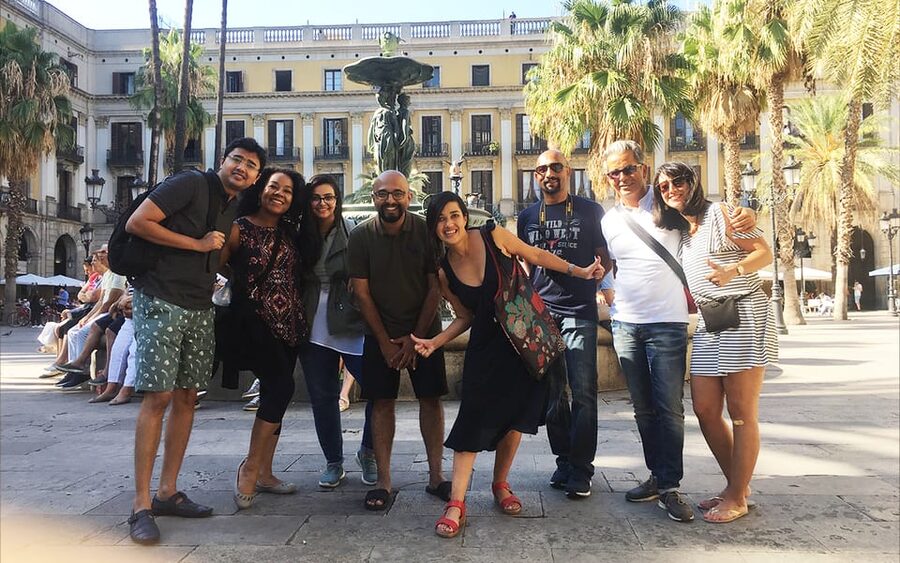
Plaza Nova is a classic Gothic Quarter pocket, and it helps you slow down. From there you’ll reach Barcelona’s cathedral area. Even without entry, it’s one of the best visual resets in the itinerary, because it’s a moment where the story shifts from neighborhood life to the role of church power and civic identity.
You’ll see it as part of the tour narrative, not as an isolated landmark.
Archive of the Crown of Aragon and Augustus Temple, civic power in stone
Two stops that are especially “wow, that’s real” are the Archive of the Crown of Aragon and Augustus Temple. They point to governance and empire-era influence, and they help you understand how Barcelona was not just a religious center, but a political one too.
If you like history that has paperwork energy, you’ll enjoy these. They’re the kind of sites where you start to see how administration, law, and identity worked across time.
Government square, Bishop’s Bridge, and Plaça Sant Felip Neri
Government Square is where you shift toward the civic side of the story. It helps balance all the sacred and medieval imagery you’ll see.
Bishop’s Bridge is one of those spots that looks simple until you hear the reasoning behind it. A good guide will help you notice the structural and symbolic logic, not just the view.
Plaça Sant Felip Neri is another pause point. Squares like this are key to understanding Barcelona’s rhythm. They are where people gathered, where everyday life met older institutions, and where the city’s mood changes from street-walking to talking and lingering.
Ferran Street, School of Arts, and George Orwell Square
Ferran Street is a major slice of the historic core. When it’s included in a secrets-style tour, it usually comes with practical meaning, like how commerce and culture shaped the area you’re walking through.
The School of Arts and George Orwell Square bring you to the idea that Barcelona’s identity kept evolving. You’re not only looking backward at medieval power. You’re also seeing how the city kept producing ideas, artists, and modern voices.
Barceloneta and the port, the finale that makes sense
The tour finishes in the Barceloneta area near the port. It’s a smart ending because it connects the old city to the working waterfront. This helps the whole route feel like one story, not random stops.
Seeing Barcelona’s Cathedral: what you get, what you need to plan
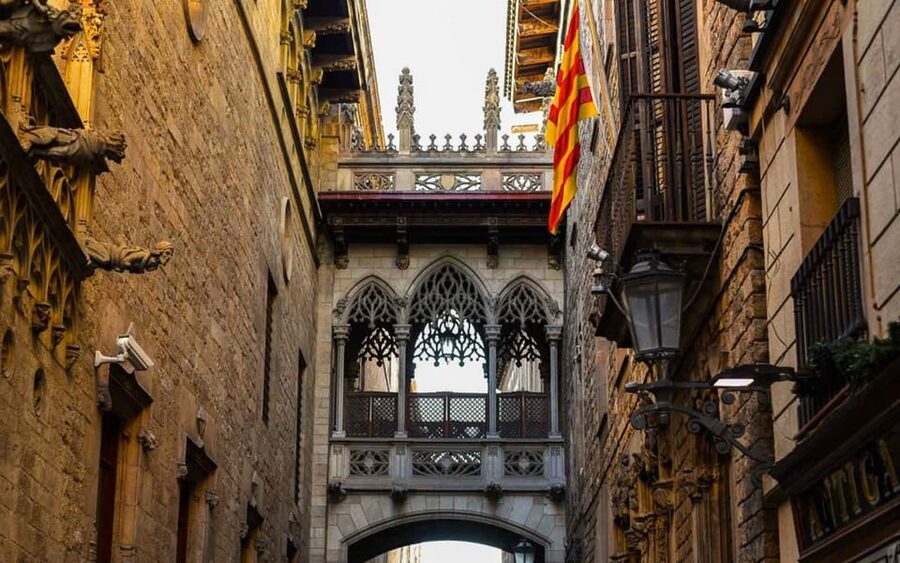
Barcelona Cathedral is included as a landmark, but entry is not. That means you’ll get the exterior experience and the historical context around it, but you should not count on walking inside as part of the 2-hour plan.
If you feel strongly about going in, I’d plan that as a separate visit. Try to match your timing to when you can slow down, not just squeeze it between other activities. The cathedral is the kind of place where being rushed reduces the payoff.
That said, even without entry, the cathedral stop still works. It’s positioned as a turning point in the narrative, and it helps you understand why the Gothic Quarter’s spiritual and civic identity overlap.
Sangria finish at Restaurant Pasa Tapas Barceloneta
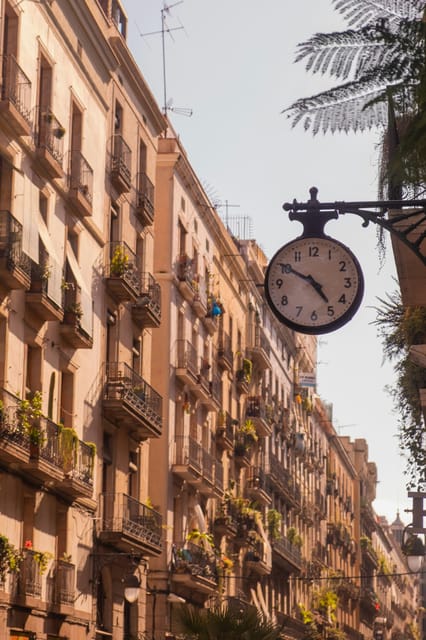
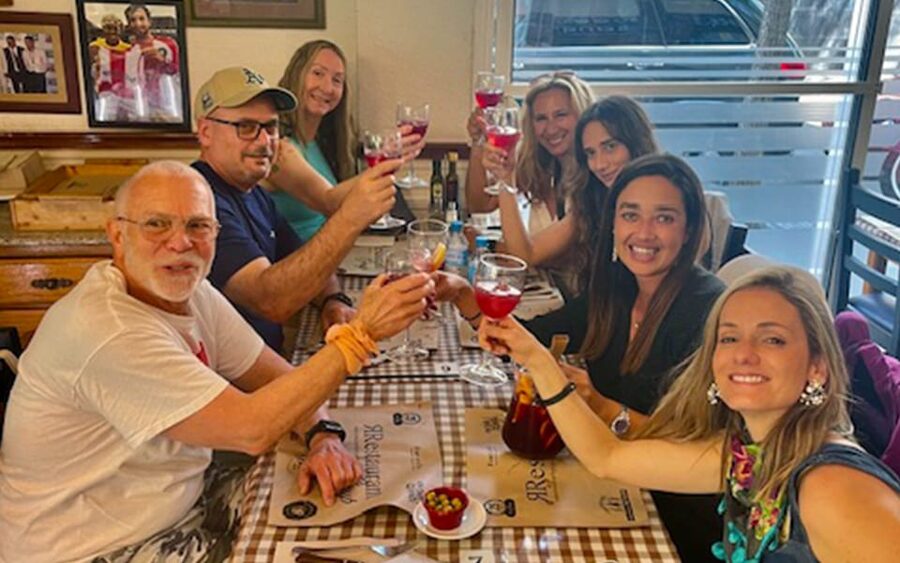
The tour ends at Restaurant Pasa Tapas Barceloneta. This is where the day turns from walking to relaxing. You’ll have complimentary sangria, and your guide will share insider recommendations while you sip.
This is one of the best parts of the tour format. You get your questions answered at the moment they matter most, right when you’re ready to choose dinner. You also avoid the common problem where a tour hands you a generic list and sends you off without direction.
From the guide style described by people who experienced it, the sangria portion isn’t treated as an afterthought. Guides like Valentina and Juliana are praised for being professional and fun, and the sangria gets called out as some of the best you’ll have during your trip.
Practical tip for enjoying it: pace yourself. If you drink quickly, you’ll miss the recommendations that can save you time later.
Price and value: is $64 worth it?
At $64 per person for about two hours, this isn’t a cheap “grab-and-go” activity. But it also isn’t overpriced for what you actually get.
You’re paying for:
- a bilingual guide (English and Spanish)
- a focused walking route through the Gothic Quarter and beyond
- stories that cover big themes like the Spanish Civil War and political intrigue
- complimentary sangria
- practical local recommendations at the end
If you’d otherwise do a self-guided walk, you’d save money on the guide. But the advantage of paying for the tour is clarity. A guide helps you connect sites, understand why the places look the way they do, and avoid getting lost in random facts.
Also, cathedral entry is not included. If you want inside access, add that cost later. The tour still works as a strong “orientation and context” experience, and you can pair it with a separate cathedral visit if that’s your priority.
Who this tour is best for
This is a great fit if you like:
- first-time Barcelona orientation with an emphasis on the oldest streets
- history that includes politics and the Spanish Civil War, not just medieval architecture
- a walking pace where you can listen and ask questions
- a foodie-friendly ending, because you get sangria plus where-to-eat guidance
It may not be ideal if you prefer pure art and modern Barcelona neighborhoods. The emphasis here is the Gothic Quarter’s story, especially the cultural and political layers.
Language-wise, it helps if you want English or Spanish explanations. The guide being bilingual means the tour is designed to work for mixed language comfort levels.
Quick practical advice before you book
- Wear shoes for uneven, narrow streets. The route includes medieval lanes and tight corners where standing around to take photos will slow the group.
- Bring a light layer. Coastal Barcelona evenings can feel cooler even when the day was warm.
- Keep a bit of dinner flexibility. The sangria ending includes recommendations, and those are easiest to use when you are not already locked into a reservation.
Should you book this Gothic Quarter tour with sangria?
If you’re aiming to understand Barcelona beyond postcards, I’d say yes. The tour’s value is the combination: Gothic Quarter walking with clear historical storytelling, then a relaxing sangria finish where your guide helps you plan the next steps.
Book it if you want a small-group experience, a bilingual guide, and a route that connects big themes like religion, politics, and the Spanish Civil War to real places you can point at. I’d especially recommend it for the first day or first full day you have in the Gothic Quarter area.
Skip it or consider an alternative if you already know the history well and only need architecture highlights. Also consider doing cathedral entry separately, since this tour does not include it.
FAQ
Where does the tour start?
Meet your guide outside Cafe Zurich in Plaza Cataluña, standing in front of the metro station and wearing a purple name tag.
Where does the tour end?
The tour finishes at Restaurant Pasa Tapas Barceloneta.
How long is the tour?
The duration listed is 2 hours, and availability can vary by starting time.
What is included in the price?
The included items are a bilingual guide (English and Spanish) and complimentary sangria.
Is entry to Barcelona Cathedral included?
No, cathedral entry is not included.
What languages are offered?
The tour is offered in English and Spanish.
Is the tour wheelchair accessible?
Yes, it is listed as wheelchair accessible.
What is the price per person?
The price is $64 per person.
Is there free cancellation?
Yes, you can cancel up to 24 hours in advance for a full refund.
More Tours in Barcelona
More Tour Reviews in Barcelona
Not for you? Here's more nearby things to do in Barcelona we have reviewed








More Gothic Quarter Tours worth opening.
 ★ 5.0Barcelona Gothic Quarter Tapas & Taverns Food & Wine TourFrom $1311,470 reviews
 ★ 4.7Gothic Quarter Ghosts and Legends Walking TourFrom $191,443 reviews
 ★ 4.8Old Town and Gothic Quarter Walking TourFrom $211,393 reviews
 ★ 5.0Barcelona Old Town & Gothic Quarter Small Group TourFrom $221,308 reviews
 ★ 4.8El Born and Gothic Quarter Wine & Tapas Bar TourFrom $81674 reviews
 ★ 5.0Kids and Family Gothic Quarter Walking Tour in BarcelonaFrom $25465 reviews
 ★ 4.5Barcelona Gothic Quarter Walking TourFrom $33456 reviews
★ 4.9Gothic Quarter Walking TourFrom $212383 reviews
Continue by place or experience