
REVIEW · BARCELONA CITY TOURS
Barcelona: Nougat and Chocolate Museum Tour with Tasting
Nougat history is suddenly easy to taste. I like the way this Torrons Vicens tour pairs simple, clear stories with samples you can actually compare. I also love the guided tasting setup, because you walk out with a better sense of texture, sweetness, and nutty versus cocoa flavors, not just sugar. One possible drawback: a big chunk of the experience is told with screens and digital visuals, so if you want a more old-school, hands-on museum feel, this may feel a bit like a polished shop experience.
This is a short one, around 45 minutes, and it ends with a drink: hot chocolate or horchata. The guide runs in English (plus Catalan and Spanish), and the museum is wheelchair accessible. It is a smart stop when you want something sweet that still feels cultural, not random.
Key highlights to know before you go
- The Torrons Vicens setting: the tour happens at the actual shop and museum, right on La Rambla area.
- A story with dates: you learn about traditional sweets tied to old creations, including Turrón de Agramunt dating back to 1741.
- A tasting you can compare: you sample multiple nougat and chocolate products, not just one quick bite.
- Production process, not just branding: you get an explanation of how high-quality artisanal items are made and why ingredients matter.
- You add a Catalan drink: hot chocolate or traditional horchata is included, so the tasting feels complete.
- Short and good value: it is priced at about $14 and runs about 45 minutes, so it fits tight itineraries.
Torrons Vicens on La Rambla: a chocolate museum you can start and finish fast
If you are walking around Barcelona’s central lanes and you want a break that still feels like Barcelona, this Torrons Vicens tour is a solid pick. It is located right in the core area near La Rambla, so you do not need a half-day detour or a complicated transit plan. Expect to spend your time inside the museum space attached to the store, then move into the tasting and finish up where you can browse.
One thing I appreciate is how straightforward it is. You show up, the guide brings you through the museum elements, then the tasting lands at the end. You are not stuck for hours. You can slot this after lunch, before dinner, or as a quick sweet activity when you want something different from the typical big-ticket sights.
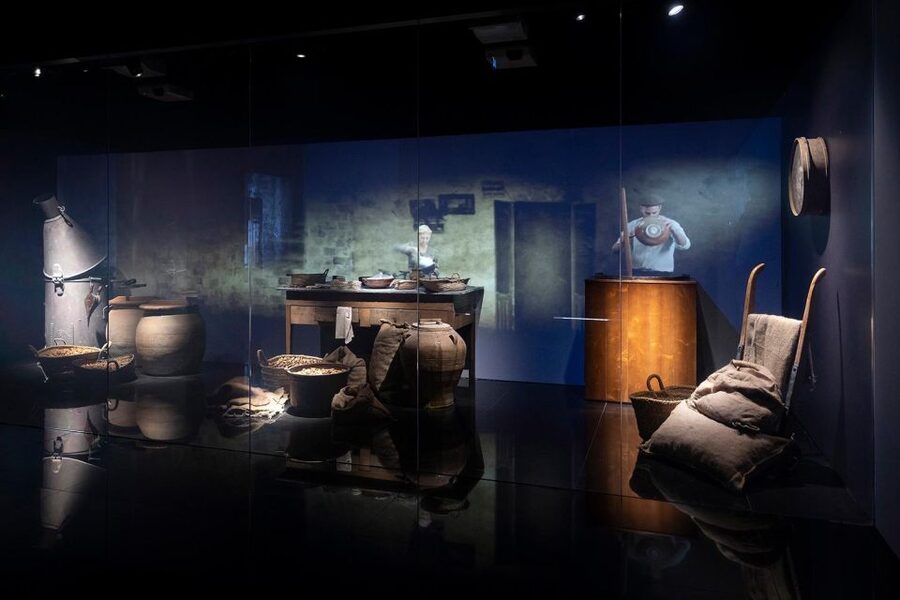
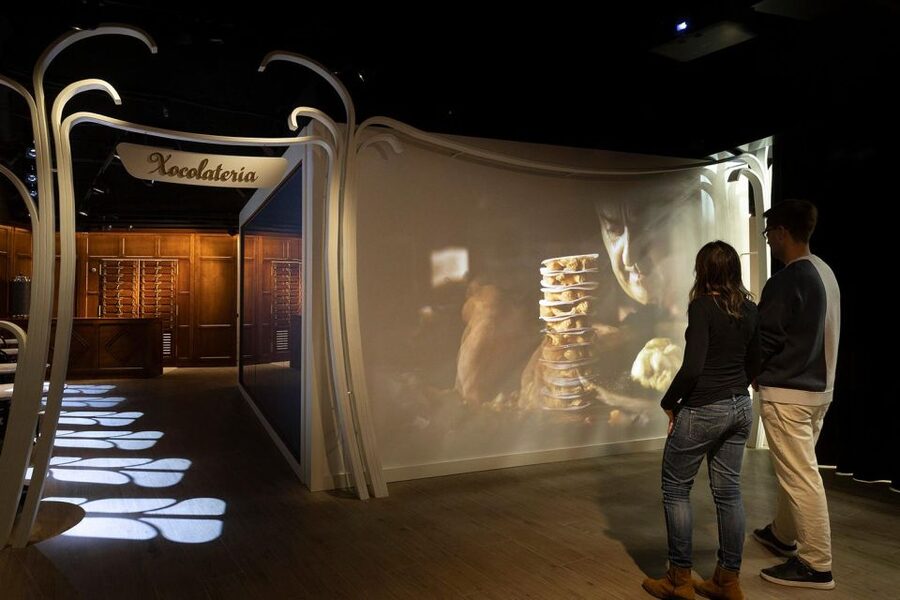
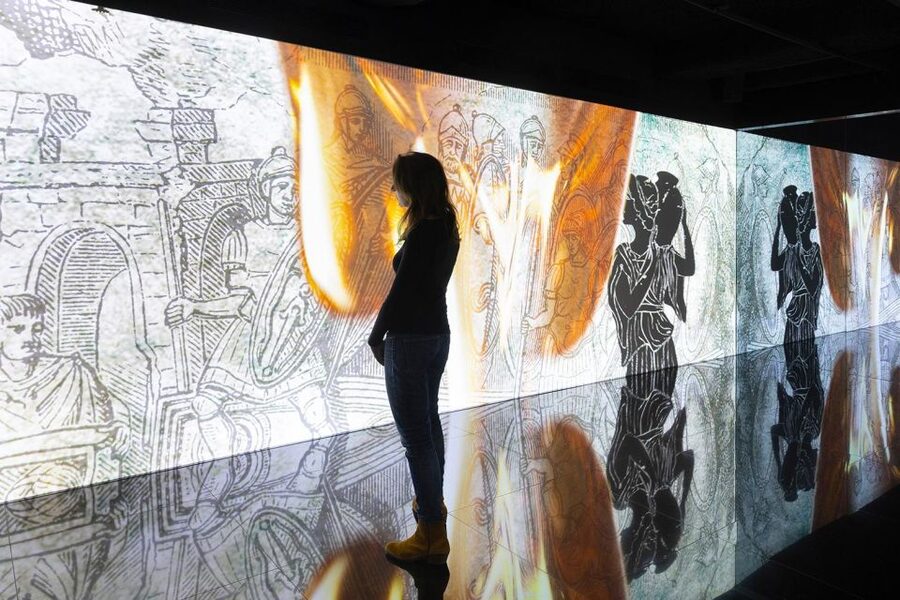
Also, the museum has a modern feel. If you go in expecting rows of old machinery or traditional glass cases, you might notice it leans toward digital storytelling. That is not bad, just different. The advantage is speed and clarity, especially if your Spanish is limited and you want the main ideas explained well in English.
You can also read our reviews of more food & drink experiences in Barcelona

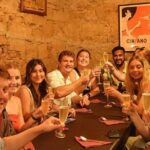
How the 45-minute format works with an English-speaking guide
This tour runs about 45 minutes, and it is built like a guided walkthrough with a tasting at the end. The guide is live and you can choose English, Catalan, or Spanish depending on availability. English is offered, which is a big deal in Barcelona if you want history and ingredient talk without guessing.
The guide style matters here. Based on what I picked up from different guide experiences, the best tours have a guide who speaks clearly and keeps the group moving. Names that come up include Marcela, Chelsea, Alexandra, Martina, and Maria. You might not get the same guide, but it tells you something about consistency: the guides often sound genuinely happy talking about the products and the Vicens family story.
Timing wise, give yourself a little buffer. The listed duration is 45 minutes, but some people report it running closer to an hour. That is still fast, just plan like it could be the full 60-minute end rather than the absolute shortest version.
The Vicens family story and the 1741 Turrón de Agramunt detail
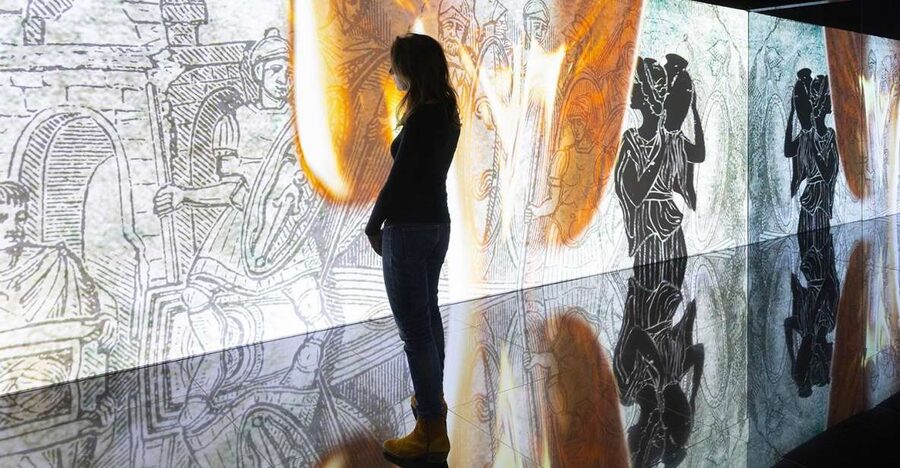
The tour is not just about modern chocolate bars. You get context on the Vicens family and the tradition behind nougat production in Catalonia. One specific moment that tends to stick is the discussion of Turrón de Agramunt, with roots dating to 1741. That date is a helpful anchor, because it reminds you these are not new trend flavors.
Why it matters for you: when you taste something like nougat, you are tasting a balance of ingredients, technique, and expectation. The guide helps you connect what you are eating with what makes it different in Catalan tradition. Instead of thinking, this is sweet, you start thinking, this is sweet in a particular way.
You also learn the general arc from heritage to modern production. Even if you are not a food-history person, the way the story connects to ingredients makes the tasting feel less random and more intentional.
Nougat and chocolate production: what you learn about quality
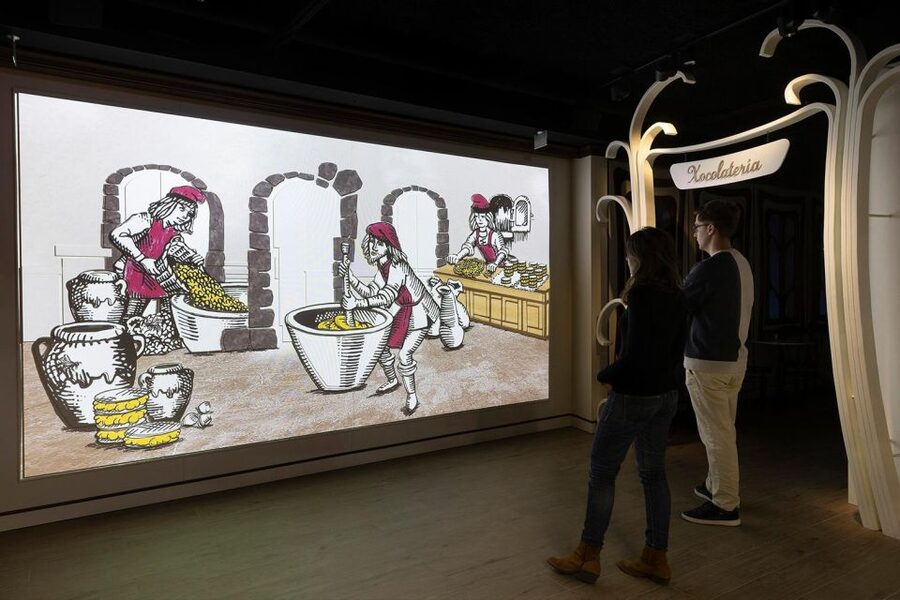
One of the best parts is that the tour focuses on how quality is made, not just why it is sold. You are walked through steps involved in producing high-quality artisanal nougat and chocolate. You also learn about ingredients, including key inputs sourced from local suppliers.
What you should watch for during the talk is how the guide explains differences. Nougat is not one thing. It is a family of textures and flavor profiles. The process determines chew, crumble, and how the sweetness behaves. The chocolate side adds another variable: cocoa intensity and how it balances with any nut or honey components in nougat.
This is where the museum format works well. If you have ever tasted two nougats and thought they both taste like sugar, this kind of explanation gives you a checklist. You start paying attention to things like cocoa versus milk notes, nut character, and how the sweetness lingers or fades.
The tasting: signature nougat and chocolate you can actually compare
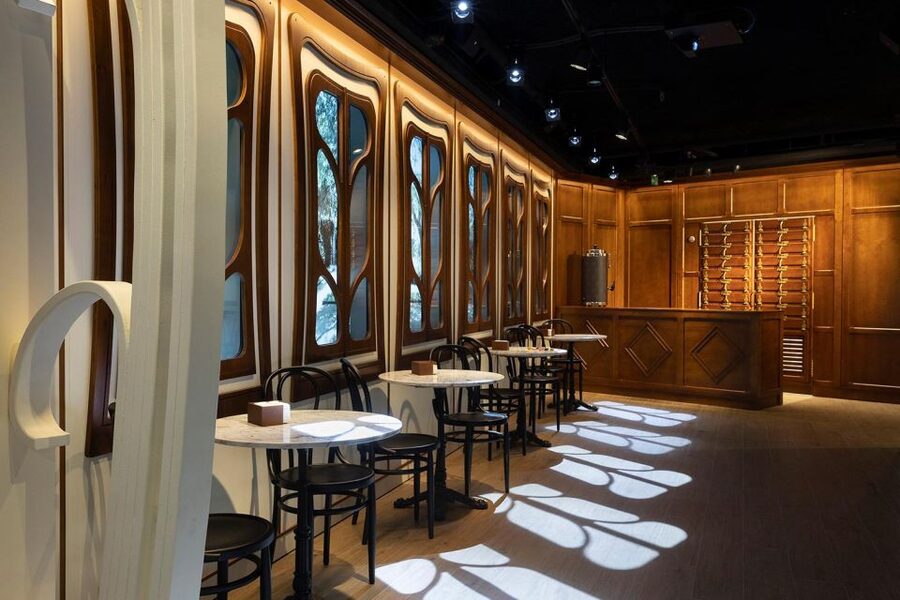
The end of the tour is the pay-off: a tasting of signature chocolate and nougat products. The tasting is guided, so you are not just handed a plate and told good luck. You get samples that let you compare flavors and textures.
How much you taste can vary by the day and group flow, but multiple people report tasting around eight pieces of nougat plus a small hot chocolate. Even if your exact lineup differs, the purpose stays the same: you get enough variety to feel differences between styles.
Practical tip: pace yourself. Eat small bites. Try one sample, then note what changed for you after the previous one. Are you getting more nutty notes now? Is sweetness heavier or lighter? Does the chocolate taste more cocoa-forward? This turns the tasting from a sugar rush into an actual learning moment.
And yes, you will likely want to buy something after. The store upstairs is packed with goodies, and the tour context makes your shopping more specific. In one experience, a 10% discount after the tour was mentioned, which is a nice bonus if you plan to bring home gifts.
You can also read our reviews of more museum experiences in Barcelona




Hot chocolate or horchata: included and genuinely useful
During the tour, you can choose a drink: hot chocolate or horchata. That choice matters because it changes how you experience the sweetness you just learned about.
Hot chocolate is the obvious pairing. It reinforces the chocolate notes and warms the palate. Horchata adds a different vibe, more traditional and slightly different in how it rounds out sweetness. Either way, it helps you finish the experience feeling complete, not like you left mid-taste.
If you are deciding between them, go by what you want that day. If you are in a cocoa mood, choose hot chocolate. If you want something calmer and more traditional, pick horchata. Either way, the drink is included as part of the tour value.
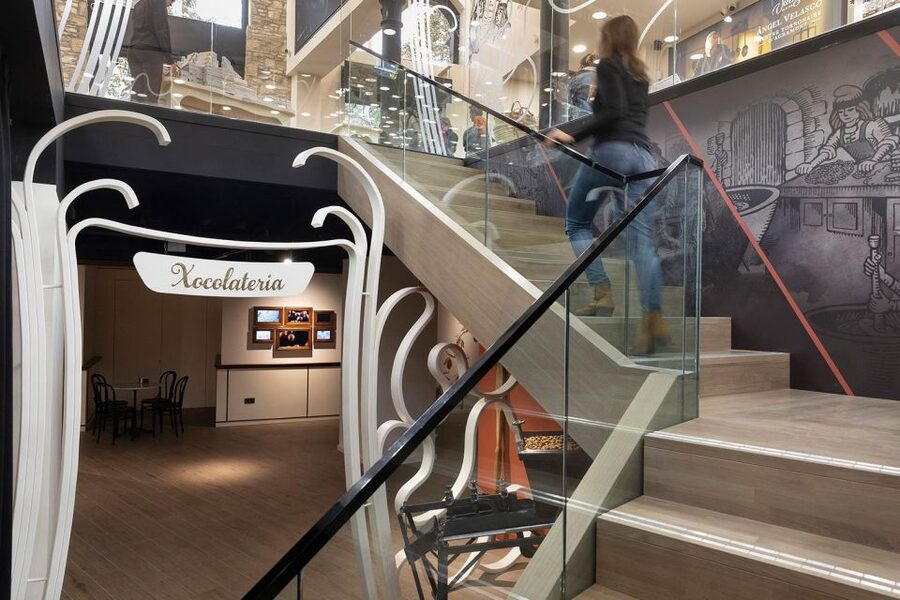
What to expect in the museum space: videos, screens, and a quick flow
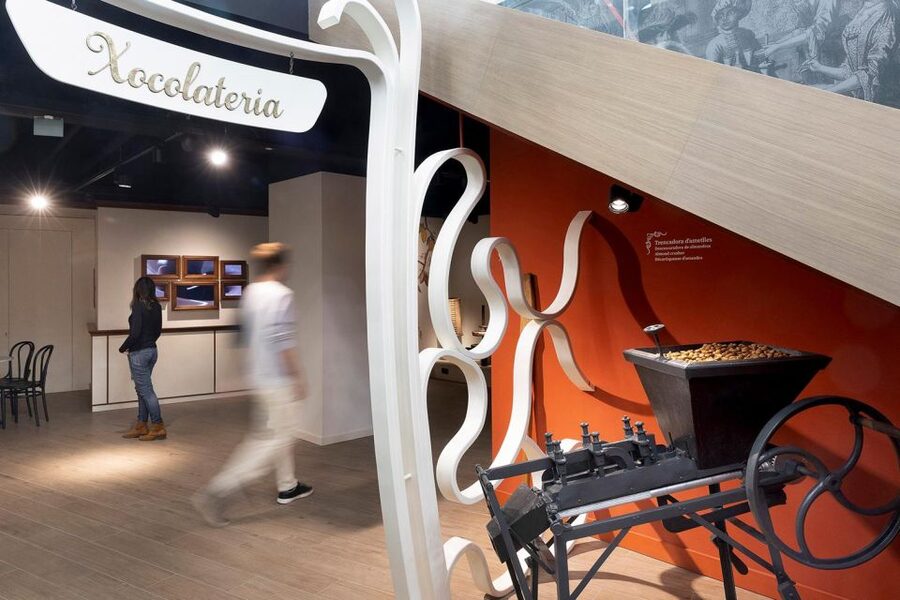
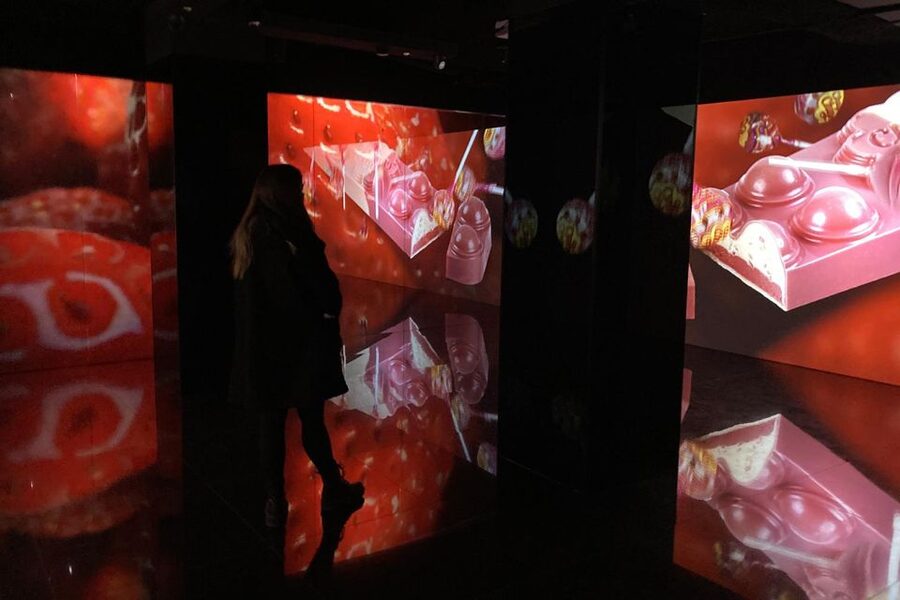
A recurring theme is that the tour uses video screens and digital visuals. Some people love how the visuals make the explanations clearer, especially when talking about history and steps in production. If you like learning with visuals, this works well.
If you prefer something more classic, you might feel the tour is more modern than old-school museum style. One helpful way to look at it: digital storytelling speeds up the learning. You spend less time searching for meaning and more time turning it into taste comparisons.
The flow is designed to end with the tasting, so do not worry about getting lost. You are led step by step, and the experience is built to feel like a complete loop, museum story first, tasting second.
Is it worth $14? Value for your time and your sweet-tooth
At about $14 per person, this tour is priced like a small indulgence, and it delivers in a way bigger food tours sometimes do not. Here is why that matters for you:
You get a guided component, not just access to a store.
You get a tasting with multiple samples.
You get an explanation of history and production basics, including a date reference like 1741 and the Vicens family story.
You get a included drink.
The value is strongest if you are short on time. With a typical around 45-minute duration, you can do it even if your Barcelona plan is already full. It also hits a sweet spot for families. One experience described it as a cute, happy option for kids, helped by the audio-visual format and guided tasting.
Where value drops a bit: if you are looking for a deep, factory-style tour with a lot of behind-the-scenes manufacturing, you might find this leans more toward storytelling and sampling inside the museum-store environment. It is still a food experience. Just know it is not a long production floor visit.
Who this Barcelona nougat tour fits best
I think this tour is a great match if you:
- Want a short, guided food experience in the center of Barcelona.
- Like tasting as a way to learn, not just buying sweets.
- Enjoy Catalan traditions and want a quick taste-based history lesson.
- Travel with kids and want something structured, not chaotic.
- Are a first-time nougat fan and want guidance on what to notice.
It is less ideal if you:
- Hate digital screens and want a purely traditional museum layout.
- Expect a full-scale factory walk-through.
- Have a tight food schedule where you cannot spare even 45 to 60 minutes.
Should you book the Nougat and Chocolate Museum Tour?
If you want a smart sweet stop with real context, I would book it. The biggest strength is the combination: story plus tasting, short duration, English availability, and a drink included. You come away with more than sugar. You come away with words for what you tasted.
Book it especially if you are already planning time around La Rambla. It is the kind of activity that saves you from choosing between a tourist sight and a food break. You get both, in a small footprint.
If you are unsure, use this quick rule: if you like learning through tasting and you can enjoy a modern, screen-supported museum format, you will likely have a great time. If you want a classic, old-world museum vibe only, you may feel slightly disappointed by the digital approach.
More Food & Drink Experiences in Barcelona


More Tours in Barcelona



More Tour Reviews in Barcelona
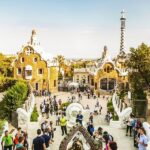
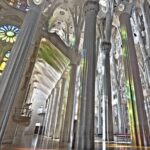
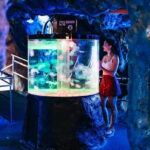
Not for you? Here's more nearby things to do in Barcelona we have reviewed








More Barcelona City Tours worth opening.
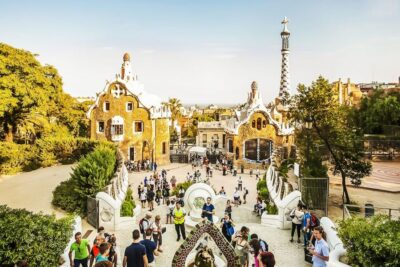 ★ 4.4Park Güell Admission TicketFrom $2576,534 reviews
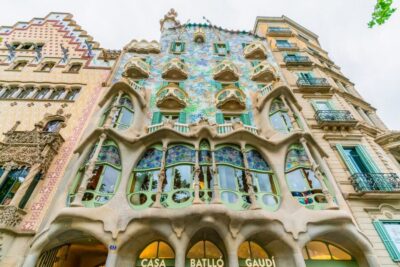 ★ 4.7Casa Batlló Entry with Self-Audioguide TourFrom $3425,359 reviews
 ★ 4.424 or 48-Hour Hop-On Hop-Off Bus TourFrom $3920,872 reviews
 ★ 4.7Park Guell Guided Tour with Skip The Line EntryFrom $3117,563 reviews
 ★ 5.0Barcelona in 1 Day: Sagrada Familia, Park Guell,Old Town & PickupFrom $12013,541 reviews
 ★ 4.3Barcelona Aquarium: Entry TicketFrom $3113,335 reviews
 ★ 4.8Sagrada Familia Skip-the-Line Entry Ticket & TourFrom $6712,789 reviews
 ★ 4.4FC Barcelona Museum “Barça Immersive Tour” TicketFrom $3510,944 reviews
Continue by place or experience