
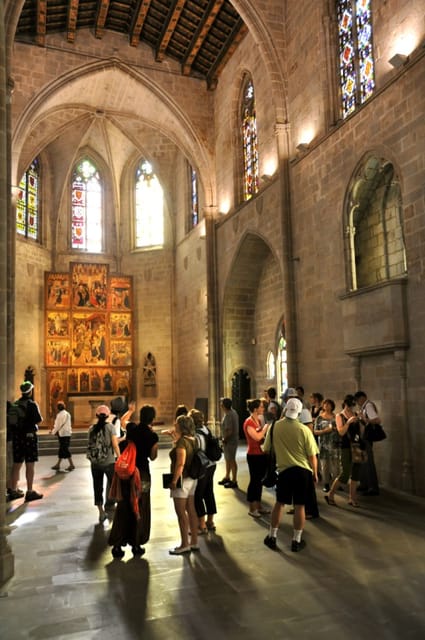
REVIEW · BARCELONA CITY TOURS
Barcelona 2-Hour Gothic Walking Tour
Barcelona’s Gothic Quarter can feel like a history lesson in motion. I love how the tour helps you read the architecture with a local guide, and I also love the direct way it connects Roman remains to medieval power. One thing to plan for, it is still a steady 2-hour walk on uneven streets, so bring comfortable shoes and expect a brisk pace.
The best part is the guided focus on the places that make the quarter click, especially around Barcelona Cathedral and the cloister. You’ll also get time at key squares like Plaça Sant Felip Neri, where today’s everyday life sits close to heavier stories from the past. If you want a super relaxed stroll with lots of time sitting down, this may feel a bit packed.
Guides can make or break this kind of tour, and the English versions here earn high praise for clear explanations and friendly energy, with names like Jordi, Pilar, Olga Escribano, and Alex showing up in recent feedback. Many groups also mention that the pacing works well, even when it rains, because the route is designed for hearing and walking through the same compact area.
Key highlights worth your attention
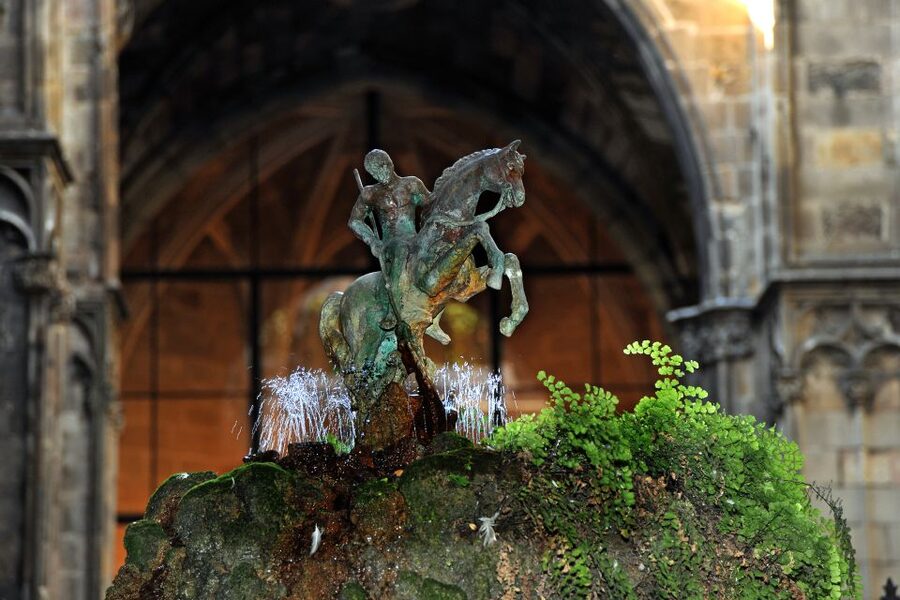
- Barcelona Cathedral cloister: a guided look that helps you notice details you would likely miss on your own
- Plaça Sant Felip Neri: a calm square with baroque architecture and walls marked by Spanish Civil War bombings
- Roman Temple of Augustus in the medieval fabric: history layers show up in the smallest courtyards
- Saló del Tinell and Palau Reial Major: power and spectacle, explained in plain terms
- Capella de Santa Àgata: dramatic atmosphere tied to the quarter’s story
- Museu Frederic Marès (English tour): free entry after the walk, in a medieval setting
Gothic Quarter in two hours, what you really get
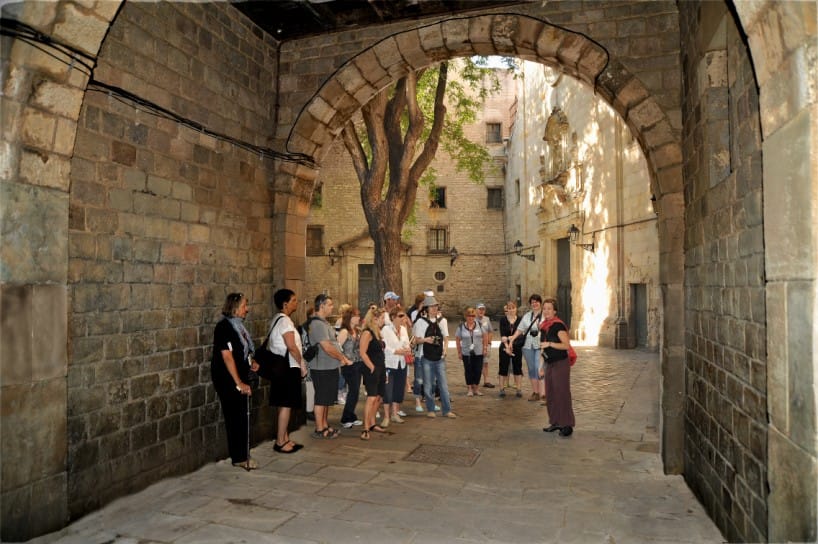
This tour is built for orientation and understanding, not for ticking off 25 stops. In about 2 hours, you move through the Gothic Quarter’s tight medieval street grid, and you come out with a mental map of where the Roman city ended and the medieval city took over.
I like that the approach is structured. You are shown the big icons, then you are pointed to what makes them meaningful in the quarter’s timeline, from Roman Barcino to Gothic-era Barcelona.
At $32 per person, the value is strongest if you like context. A cathedral and major historic buildings are impressive, but the real payoff is when someone explains why the details look the way they do and how the quarter evolved.
You can also read our reviews of more walking tours in Barcelona



Finding the meeting point near Plaça Seu, fast
The meeting point is the tourist information office at Plaça Seu, 2. Look for the i symbol.
Why this matters: the Gothic Quarter streets can feel like a maze, especially if you are arriving from the Picasso side or the Port side. If you’re even a little late, you can lose time in the first minutes, and the tour is only 2 hours long.
If you can, arrive a few minutes early, and take a quick look around the square so you know what you are orienting to before the guide starts.
Plaça del Rei and street-level Gothic details you’ll start noticing
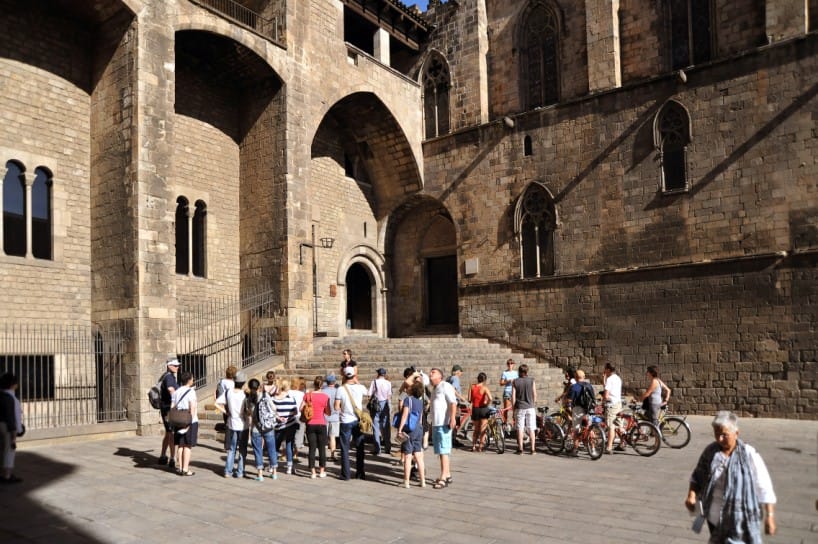
After you meet at Plaça Seu, you get your bearings in the part of the quarter that feels most “old Barcelona.” One of the most atmospheric stops is Plaça del Rei, often described as one of the quarter’s most dramatic squares, where the stone and narrow streets make the whole area feel staged for history.
You’ll also walk around Carrer del Bisbe, known for Gothic facades and flower-filled balconies. Even if you are not a “details person,” it’s the kind of street where a guide’s explanation helps you spot patterns in windows, arches, and building shapes.
I find these street-level moments matter because they change what you think you see. Without a guide, you tend to focus on the biggest sight. With a guide, you start noticing the clues that explain how a neighborhood works, what got rebuilt, and what survived.
Barcelona Cathedral and the cloister, where the guide does the heavy lifting
The tour’s centerpiece is the Barcelona Cathedral stop, with time focused on the cloister. The cathedral is an obvious landmark, but the cloister is where many people feel the story shift from “pretty building” to “lived place.”
The cloister helps you understand the logic of the complex: a protected space, designed for rhythm and daily movement. A good guide will point out how the architecture supports that flow, instead of treating the site like a static postcard.
I also like that this tour treats the cathedral as part of the quarter’s network. You are not only looking at a monument, you are learning how it fits into the surrounding civic and religious life.
If your priority is architecture you can actually interpret, this stop is one of the main reasons the tour earns such strong feedback. People frequently mention that the guide points out things you would normally miss, and it is easy to see why once you are in the cathedral area.
Santa Àgata, Saló del Tinell, and the quarter’s emotional contrast
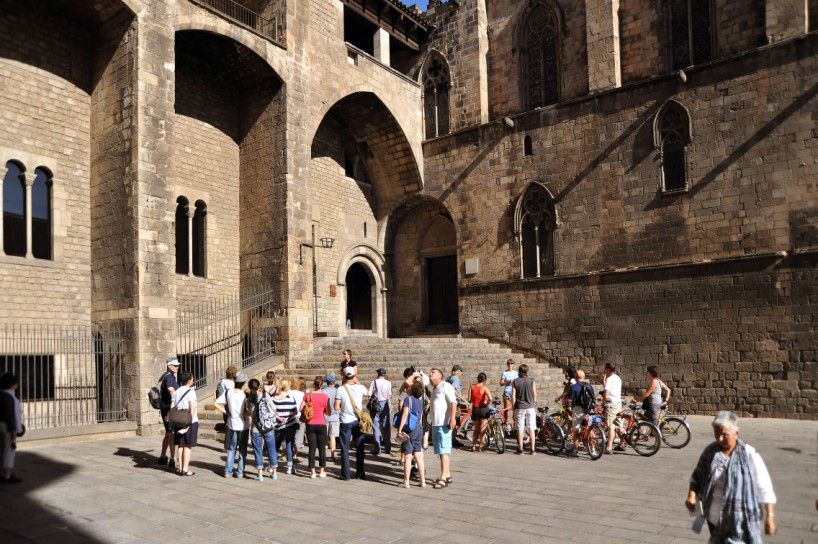
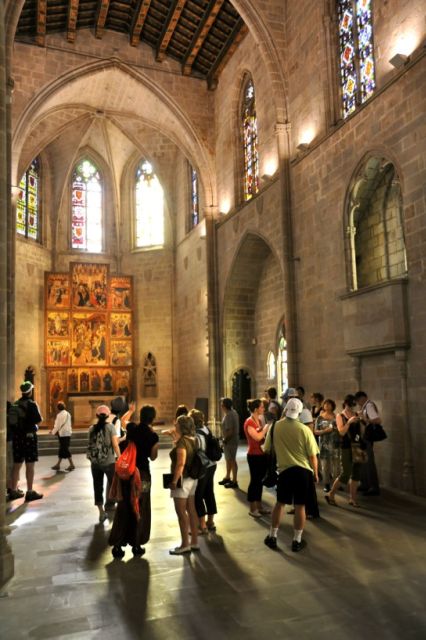
Next comes a mix of striking and quietly haunting sites. The Chapel of Santa Àgata (also referred to as Capella de Santa Àgata in descriptions) is one of those places where the atmosphere can feel intense, even if you only step inside briefly.
From there, the route includes the Saló del Tinell, highlighted as a grand historic hall. It is the kind of stop where you start connecting “who had power here” with “how did that power look in stone,” because the scale and setting tell a story on their own.
Then you shift again to the quarter’s softer side at Plaça Sant Felip Neri. This square is described as tranquil, with a baroque church and walls pockmarked from Spanish Civil War bombings. Even in modern times, the space can feel like a living neighborhood corner, not just a museum-like display.
This contrast is a big part of why the tour works. You see the Gothic grandeur, then you see the quieter, scarred corners where the city carries its past more openly.
More Barcelona tours and experiences for the shortlist





Roman Temple of Augustus, Palau Reial Major, and the power thread
A key value here is how the tour connects eras in the same physical space. One highlight is the Roman Temple of Augustus, framed as a relic of Barcino that you’ll find tucked away in a medieval courtyard.
That’s a fascinating moment because it breaks the usual assumption that “Roman stuff” is always somewhere else. In the Gothic Quarter, Roman fragments can appear like surprises inside medieval structures, and a guide helps you understand what you are looking at rather than just admiring the visual oddity.
The tour also includes the Palau Reial Major, described as the former palace of Catalan kings, where Ferdinand and Isabella received Columbus after his New World voyage. Whether you know the story already or not, having it explained at the actual site adds weight to it.
And then there is the threading of civic life through the architecture, which is where many guides shine. Several recent experiences note that guides used photos or visuals to make details easier to grasp, and that Q&A time can help you connect dots you would otherwise leave unconnected.
Museu d’Historia de Barcelona, learning without turning it into a chore
The route includes a stop at Museu d’Historia de Barcelona with a guided component. This is one of those moments where the tour shifts from outdoor “read the street” sightseeing to indoor “place the pieces” learning.
Even if a museum stop is not your main goal, it tends to work well in a 2-hour tour because it supports what you just saw. The guide’s explanations keep you from treating it like a break that interrupts the story.
I like museum add-ons like this in short tours. They help you leave with more than a few photos, and they make the Gothic Quarter feel less like separate landmarks and more like a connected timeline.
Museu Frederic Marès after the walk, what makes this extra worth it
If you are on the English tour, you get a free visit to the Museu Frederic Marès after the walking portion. This matters because you are not just getting “more time,” you are getting a different kind of Barcelona experience, one that feels tucked into a medieval palace setting.
The museum is described as having an unusual mix: sculptures, antique curiosities, and personal artifacts collected by artist Frederic Marès. It also includes spaces that display medieval religious art and everyday objects from the 19th century.
This is a great follow-up if you like artifacts and atmosphere more than big blockbuster exhibits. It also gives you a chance to slow down after the walking portion, which is helpful if your feet start demanding a little respect.
Pacing, group energy, and what to expect on your feet
This is a 2-hour guided walk in a compact area, so there’s a lot of “see and move” packed into a short time. Many people praise the pace, including those who mentioned it worked well even when rain hit.
You do want to be ready for uneven pavement and frequent turns. One review notes the importance of eating in advance and bringing something to drink, which makes sense for a short tour where energy can dip at the end.
Also keep in mind: the guide is the main star here. Guides mentioned in feedback include Jordi, Pilar, Alex, Alexa, Olga Escribano, Miguel, Val, Theo, Luca, Eric, Marc, Elisandro, and Monserrate. The consistent thread is that they are friendly, answer questions, and make the story feel personal rather than robotic.
That’s what you should aim for in your expectations. If you like chatting with a guide, asking why a detail looks a certain way, and hearing stories that connect buildings to people, this tour tends to deliver.
Price and value at $32, where the money actually goes
At $32 per person, you are paying for three things: a local guide’s time, entry-linked access to key sites during the walk, and (for English tours) the free visit to Museu Frederic Marès afterward.
A walking tour can feel overpriced if it mainly stops at a bunch of exteriors. Here, the value is stronger because several stops are explained in a way that helps you read the architecture and history in place, especially at the cathedral cloister and the Roman-to-medieval layer moments.
I also think the tour is good first-day material. It helps you get your bearings fast. Once you understand the quarter’s main logic, it is easier to explore on your own for the rest of the trip without feeling lost.
Who this tour suits best, and who might prefer something else
This tour fits well if you want:
- a guided orientation to the Gothic Quarter in a short window
- help understanding cathedral architecture, courtyards, and squares
- clear historical context tied to specific stops
It may be less ideal if you want:
- a long sit-down experience with minimal walking
- a free-form wander where you choose every stop based on your own whims
- a deeper museum-only itinerary that lasts more than a couple hours
If you have mobility concerns, you should still consider it, but do plan on taking it at a steady walking pace. One piece of feedback specifically mentioned the guide being understanding for someone with movement difficulty, which is a good sign, but the physical reality of cobblestones remains.
Should you book this Gothic Quarter walk?
Yes, I would book it if your top goal is to leave the Gothic Quarter understanding what you just saw. The big advantage is not only the checklist of sites, it’s the way the tour connects eras in the same neighborhood, Roman remains, royal halls, Gothic worship spaces, and modern life in scarred squares.
I’d also book it if you are doing Barcelona for the first time or if you want a structured “starter course.” At $32 for 2 hours, plus the free Museu Frederic Marès for English, it’s a practical add-on that can improve the quality of your self-guided exploring afterward.
If you only have time for one short guided experience in this area, this is one of the best ways to make that time count.
FAQ
How long is the Barcelona 2-Hour Gothic Walking Tour?
The duration is 2 hours.
Where do I meet the tour guide?
Meet at the tourist information office at Plaça Seu, 2. Look for the i symbol.
Is the tour offered in English?
Yes, the tour is an English live guided walking experience.
What is included for the English tour after the walk?
The English tour includes a free visit to the Museu Frederic Marès after the walking tour.
How much does the tour cost?
The price is $32 per person.
Can I get a refund if my plans change?
Free cancellation is available up to 24 hours in advance for a full refund.
More Walking Tours in Barcelona


More Tours in Barcelona




More Tour Reviews in Barcelona

Not for you? Here's more nearby things to do in Barcelona we have reviewed








More Barcelona City Tours worth opening.
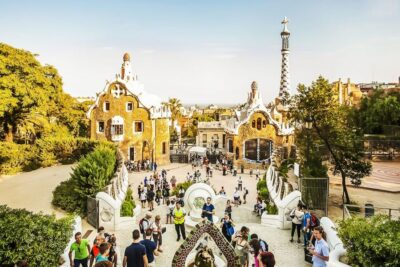 ★ 4.4Park Güell Admission TicketFrom $2576,534 reviews
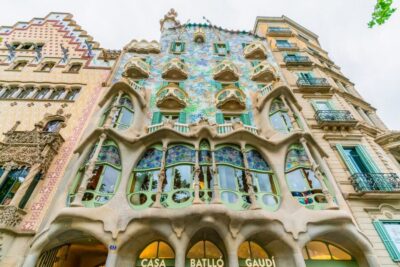 ★ 4.7Casa Batlló Entry with Self-Audioguide TourFrom $3425,359 reviews
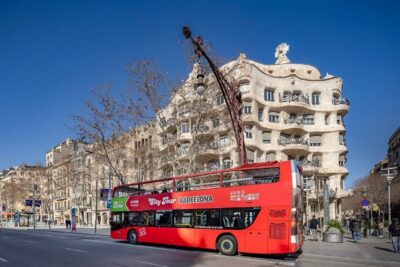 ★ 4.424 or 48-Hour Hop-On Hop-Off Bus TourFrom $3920,872 reviews
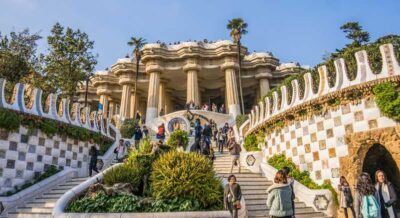 ★ 4.7Park Guell Guided Tour with Skip The Line EntryFrom $3117,563 reviews
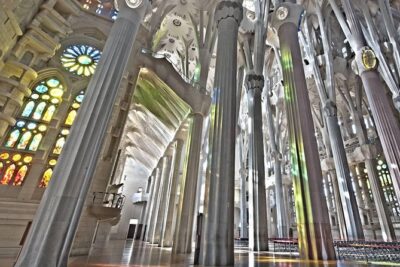 ★ 5.0Barcelona in 1 Day: Sagrada Familia, Park Guell,Old Town & PickupFrom $12013,541 reviews
 ★ 4.3Barcelona Aquarium: Entry TicketFrom $3113,335 reviews
 ★ 4.8Sagrada Familia Skip-the-Line Entry Ticket & TourFrom $6712,789 reviews
 ★ 4.4FC Barcelona Museum “Barça Immersive Tour” TicketFrom $3510,944 reviews
Continue by place or experience