REVIEW · BARCELONA
PADI Open Water Diver Course
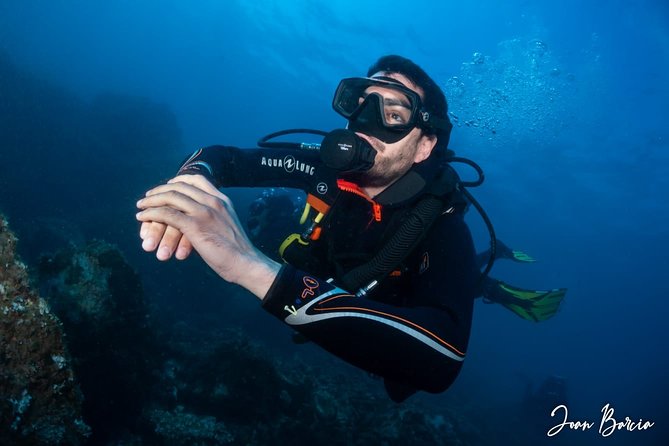
Small-group scuba training beats big tours. I like how this three-day PADI Open Water course in Palamós with Gidive Center turns Costa Brava into your training playground, so you learn skills in the real water.
What I love most is the patience the team brings, especially for first-timers and younger students, with instructors like Curro and Alex repeatedly called out for calm, step-by-step teaching. I also like the equipment and safety controls praised as clean, well-prepared, and professional, which matters when you’re still learning how everything works underwater.
One thing to consider: the program requires good weather, so expect flexibility if conditions are not right.
Key things that make this course worth your attention
- Max group size of 4 people so you get more direct coaching from instructors like Curro, Alex, Miguel, Tati, Arnau, Sergi, and Gio.
- A 9:00 am start at Ctra. de la Fosca, 2, 17230 Palamós, Girona, Spain, which gives you a full day of training rather than a rushed half-session.
- English instruction that fits well if you want straightforward explanations and standard PADI learning.
- Strong family fit, with multiple reports of the course working smoothly for kids around 11 to 16.
- Ear comfort gets real attention, including careful watching for students who are worried about equalizing.
- Costa Brava location advantage, plus a nearby small beach area used for christening/intro-style moments on foot.
Palamós on Costa Brava: why this location matters for your training
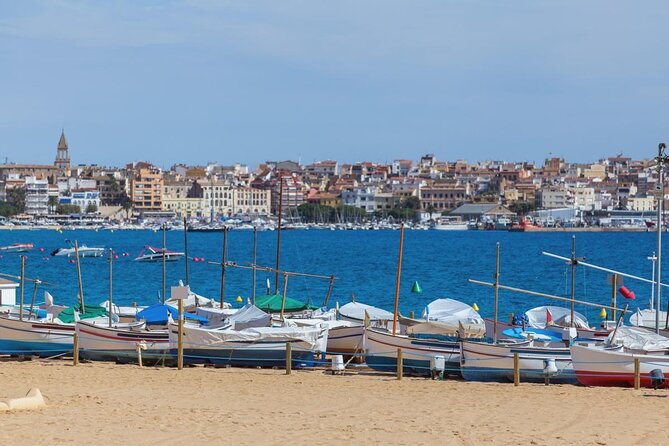
Palamós sits on the Costa Brava coast, which is exactly the kind of place you want for an open-water certification course. You’re not doing this in a generic, far-away pool-only bubble. You get to practice in a real coastal setting, where conditions can actually teach you how to manage breathing, buoyancy, and attention span when the environment is moving around you.
The other reason this base works is simple: it keeps your logistics sane. Your start point is clearly listed at Ctra. de la Fosca, 2 in Palamós, and the activity ends back at the same meeting point. That means you’re not losing energy to long transfers or unclear drop-offs. If you’re pairing this with sightseeing in Girona or beach time, it’s much easier to plan around.
Finally, Palamós is well-suited for people who want a first taste of underwater life without pretending they’re on a movie set. The program is designed for learning, not impressing. That’s where the best value is, because getting good at the basics early saves you stress later, especially when you move on to advanced training.
You can also read our reviews of more tours and experiences in Girona.



Meeting at 9:00 am in Palamós: what your first morning sets up
This course kicks off at 9:00 am. That start time matters more than it sounds. Early sessions tend to mean calmer conditions and a less hectic day for everyone involved, especially when you’re learning skills that require focus and repetition.
The meeting point is the key anchor for your schedule: Ctra. de la Fosca, 2, 17230 Palamós, Girona, Spain. Since the experience ends back at the meeting point, you’ll get a clear routine from day one. It also helps if you’re relying on public transportation, because the listing notes it is near public transport.
When you show up, plan to treat your first hour as part of training, not just admin time. The course is taught in English, and the best groups tend to start by getting everyone organized, fitted, and on the same page. You’re there to learn how to follow procedures under real conditions, so arriving ready helps you get more practice and fewer interruptions.
Practical tip: bring a dry change of clothes and a towel. Even if you stay mostly dry while preparing, there’s always some wet gear handling and spillover. Also, if you’re someone who tends to get cold quickly in wind off the coast, a light layer helps you stay comfortable between water sessions.
Small group size with Gidive Center: the attention you actually feel
One of the biggest selling points here is the maximum group size: 4 people. That number changes the whole feel of a course. In smaller groups, instructors can watch more closely without rushing. You’re less likely to get stuck waiting for corrections, and you’re more likely to ask questions without feeling like you’re holding everyone up.
Gidive Center is repeatedly described as organized, professional, and very friendly, with staff treated like a team rather than a conveyor belt. The reviews also emphasize that the instruction is strict about training for safety and enjoyment, not strict in a mean way. That balance is important. Scuba skills need rules, but learning should still feel human.
You’ll see that reflected in the instructor names people mention most: Curro, Alex, Miguel, Tati, Arnau, Sergi, and Gio. The common thread across these comments is patience. That doesn’t just mean being nice. It means repeating explanations when you need them, slowing down when you’re tense, and correcting techniques before they become bad habits.
If you like the idea of a course where your instructor knows your progress and not just your name, this setup is the kind that delivers.
Instruction style: what you can expect in and out of the water
The strongest theme in the feedback is teaching that mixes clarity with patience. People specifically mention explanations and training happening both in and out of the water, plus controls that keep the course structured. That’s exactly what you want for an open-water certification: confident theory, then guided skill practice, then checklists that confirm you can do the essentials.
In practical terms, here’s what that tends to mean for your experience:
- You get help building understanding first, so your skills feel logical.
- Then you practice the physical and mental parts you will need in real conditions.
- Your instructor stays on top of procedures, so safety routines become automatic.
This matters even if you’ve done a first intro session before. One review notes prior experience with an intro underwater session and still highlights that the course rebuilds confidence and makes you want to continue. That’s a good sign. A strong open-water course should not feel like a repeat of something vague. It should make you better at controlling yourself.
The staff also come across as very attentive when it counts. One person mentions that their girlfriend was worried about ears, and the instructor stayed watchful. That kind of attention is not just caring, it’s practical teaching, because ear equalization is one of the most common concerns for new students.
If you’re anxious, the best advice is to tell your instructor early. In small-group settings, that makes your training more efficient, and you’re less likely to feel like you have to power through silently.
Safety focus and equipment quality: why clean gear changes learning
Equipment gets a lot of praise here, described as impeccable, super clean and tidy, and professional. That might sound like a small point, but when you’re learning, gear that works smoothly makes your brain focus on the skills that matter.
Here’s why I care about this as a reviewer: open-water courses require many tiny adjustments. If something feels awkward because it’s poorly maintained, you spend mental energy on troubleshooting instead of buoyancy, breathing rhythm, and calm decision-making. Clean gear also tends to mean things are properly prepared, which reduces the chance of last-minute surprises.
Another important theme is professionalism with controls. People mention both controls and a high level of training capacity. That combination is what you want from a certification course. Controls mean you practice safety steps. Training capacity means you can handle your learning curve without feeling like the instructor is frustrated by it.
Also, the center is described as feeling like a family, while still being strict with training. That’s a rare combo. You get comfort to ask questions and strictness to make sure you learn correctly.
If you’re the type who relaxes when the setup is orderly, you’re in good hands.


The training environment: nearby beach moments and Costa Brava sessions
The course is based in Palamós, and one detail stands out: there’s a small beautiful beach within walking distance where you do a christening/intro-style moment. That matters for two reasons.
First, it keeps the early experience simple. You are not juggling complicated travel between every step. If you’re doing the course with kids or if you’re new and still figuring out timing and nerves, a nearby beach reduces stress.
Second, beach proximity can help you transition between learning steps. In a course like this, you want your mind to stay in training mode. If every change of location requires extra logistics, your day becomes less about practice and more about moving around.
Then there’s Costa Brava itself. The course is described as a way to discover the best underwater locations in the region. You’re learning the skills and also experiencing where they fit in a real coastal environment. That is the practical payoff of doing the course here, instead of in a less interesting setting.
One more note from the reviews: there’s an interest in returning for advanced training, and a mention of Boreas comes up as something people would visit if they have the opportunity. I can’t guarantee what exact add-ons are available on your dates, but it’s a good sign that the center is set up for continued progression.
Price and value: what $660.13 buys in 3 days
The listed price is $660.13 per person, for an approximate three-day course. On paper, it’s not the cheapest option. But for certification programs, you’re paying for more than time. You’re paying for a structured learning system, safety oversight, and instructor attention.
The reason this price can feel fair is the small group size. With up to 4 people, you’re not getting packed into a mass class where you barely see your instructor. That attention is a real value driver, especially if you’re bringing someone who learns better at a slower pace, like the course described for kids around 12 and 16.
You’re also paying for a center that emphasizes clean equipment and professional explanations. Those are the behind-the-scenes parts that make a course feel smooth. If you’ve ever tried to learn a technical activity with messy gear or vague instructions, you know how quickly frustration shows up. Here, the feedback points strongly in the opposite direction.
Finally, the English language option is a value item. If you want straightforward explanations, you avoid the mental tax that comes from learning scuba basics through unclear language.
So my read on value is this: the price makes sense when you want high-touch coaching and a serious safety approach, not just a stamp at the end.
Weather, language, and real-life constraints: plan for the stuff you can’t control
This experience requires good weather. That’s not unique to this center, but it’s important here because it can affect scheduling. The listing also says you’ll be offered a different date or a full refund if canceled due to poor weather.
What does that mean for you? Keep your Girona and Costa Brava plans flexible if you can. If you’re traveling during a season where weather is unpredictable, you’ll sleep better knowing you’re not locked into one fixed outcome.
Language is also a practical factor. The course is offered in English, which is great if that’s your comfort zone. If you need another language, you should double-check options before booking.
One more reality check: open-water training asks your body to do unfamiliar things, including equalizing your ears. A review specifically calls out a student’s ear concerns and the instructor’s careful watching. If you have a history of ear issues, consider speaking up early so your instructor can guide you through the best approach from the start.
Who should book this course, and who might want a different fit
This course is a strong match if you want:
- Small-group instruction with close coaching.
- A training center that’s praised for safety and organization.
- A course that works for beginners, including kids, with patient teaching.
- A coastal location in Palamós where training feels grounded in real conditions.
It’s also a good fit if you plan to keep going. Multiple comments talk about coming back for advanced training, which tells me the center has a pathway mentality, not just a one-and-done approach.
You might consider a different setup if:
- You cannot be flexible with dates due to weather.
- You need instruction in a language other than English.
- You prefer very large-group learning where people blend in. This course is small by design.
If you’re the kind of person who likes to know what’s happening, be checked on, and leave with confidence, you’ll likely do well here.
Should you book Centro de Buceo Gidive Center in Palamós?
If you want a PADI open-water certification course that feels professional and human, I’d book it. The combination that stands out is small-group coaching with instructors praised for patience, plus clean equipment and structured controls that focus on safety.
The booking feels especially smart if you’re traveling with family, because the course is repeatedly described as working smoothly for younger students and teenagers, not just adults who already know how to stay calm in a new setting.
Just go in with realistic expectations: weather matters, ear comfort takes attention, and a certification course asks you to practice until it clicks. If you can handle that, this setup is exactly the kind that makes you want to keep going after day three.
FAQ
What is the meeting point for the PADI Open Water course?
The meeting point is Ctra. de la Fosca, 2, 17230 Palamós, Girona, Spain. The activity ends back at the same meeting point.
What time does the course start?
The start time is 9:00 am.
How long is the course?
It lasts 3 days approximately.
Is the course offered in English?
Yes, the course is offered in English.
How big is the group?
The course has a maximum group size of 4 people.
Do I receive a mobile ticket?
Yes, the experience includes a mobile ticket.
Is there confirmation after booking?
Confirmation will be received at the time of booking.
What happens if poor weather cancels the experience?
If it is canceled due to poor weather, you will be offered a different date or a full refund.
Are service animals allowed?
Yes, service animals are allowed.