
REVIEW · GIRONA DAY TRIPS
Girona Film Museum – Entrance
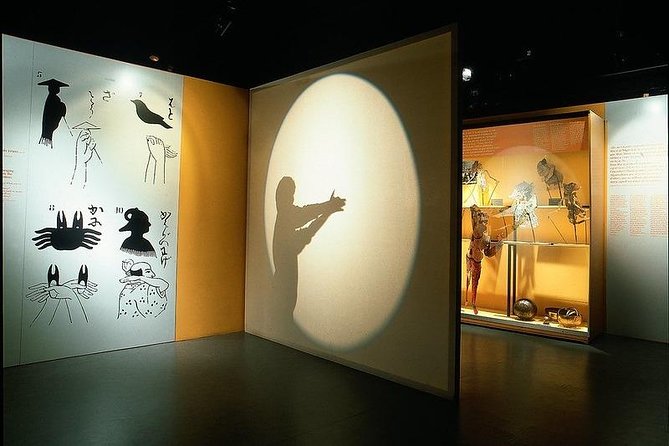
A few minutes of film, then 500 years. The Girona Film Museum turns cinema history into something you can actually see, using interactive displays and real early-image gadgets. You follow the story from old ways of projecting light to the era of television, all at a price that won’t wreck your Girona budget.
I like the way the visit begins with a short intro film, so you know what to watch for right away. I also love the focus on hands-on, click-and-see moments, especially with magic lantern-style visual displays and quick short films that connect the tech to the people using it.
One thing to think about: this museum is more about the mechanics and inventions of film than about modern movie stars. If you only want plot and famous actors, you might feel your attention drifting, but if you like how images were made, you are in the right place.
Key highlights before you go
• Short introductory film sets the tone before you start walking through the galleries
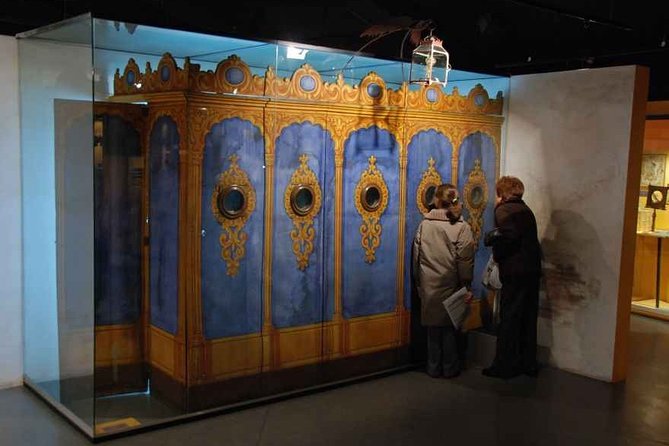
• Interactive magic lantern displays show how projection tricks worked
• Audio guide support helps you connect artifacts to the big picture
• Multi-floor layout uses lifts to move you upward, then you descend through the timeline
• English option available for the experience
• Low entry price makes it an easy add-on, even on a tight day
Cinema Museum Girona: a low-cost ticket to 500 years of images
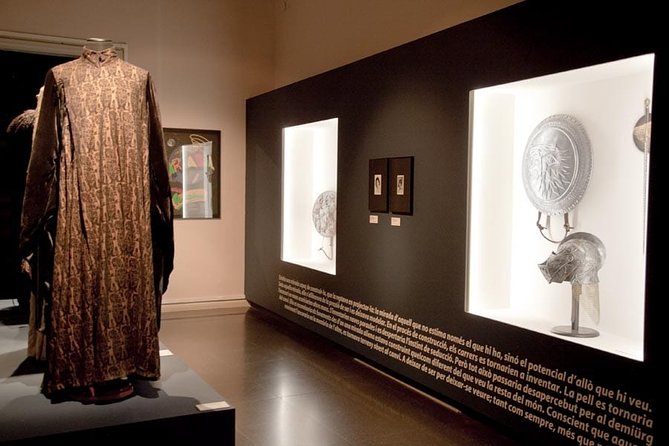
The Cinema Museum Girona, often called Museu del Cinema, is one of those places that sneaks up on you in the best way. For about a few bucks, you get the story of how humans learned to capture light and turn it into moving scenes. It covers a span that stretches from early projection ideas, through the pioneers of the seventh art, and onward to television.
The museum is housed in a historic building, and it’s built for visitors who want to learn without feeling stuck in a classroom. You move room to room, and the displays aim to help you understand not just what cinema became, but how people experimented until it worked. That focus is why film fans, students, and general curious minds can all have a good time here.
At $8.40 per person, the value is real. This is the kind of attraction where ticket cost is not the main event. The main event is the variety: artifacts you can look at, screens you can watch, and interactive moments that give your brain something to do besides read.
You can also read our reviews of more museum experiences in Girona


Start with the short intro film, then move floor by floor
Your visit starts with a short introductory film. It’s not a random opener. It’s designed to get you thinking like a filmmaker and like an inventor, so the objects you see next make more sense.
After that, the museum’s flow helps you cover a lot without getting tired early. A lift takes you up, and then you work your way down through the years of cinematography. The result is a natural timeline feel, where older concepts come first, and the later eras show up as you descend.
This pacing matters for how enjoyable the museum feels. If everything were arranged randomly, you might lose the thread. By walking downward through the story, you keep a clear sense of progression, and you can slow down or skim depending on your interests.
If you prefer to move at your own tempo, this style works well. You can stop for a longer look when a display catches your eye, then catch up when you want speed.
Magic lantern displays and pre-motion devices you can actually play with
One of the museum’s biggest draws is its collection and presentation of pre-motion picture instruments. This is where you get the “how did they do that?” factor, and it’s not limited to looking glass cases and labels.
You’ll see highlights tied to projection history, including magic lantern-style material and other early devices that helped create the illusion of motion. Some displays are interactive in a way that makes the technique easier to grasp. Instead of only reading how images were projected, you get chances to see effects tied to the images themselves.
From the experience side, this is the part that tends to stick. When you get to press play, move through a sequence, or interact with a display, your understanding becomes visual. Even if your film knowledge is casual, you can feel the logic behind the trick. And if you do know the field, you get the satisfaction of seeing key tools and approaches in one place.
The audio guide support also helps here. It’s useful when a device looks simple on first glance but has a clever explanation behind it. You don’t have to guess. You can match what you’re seeing to what it means in the bigger development of film and projection.
From early cinematic origins to television, without drowning in dates
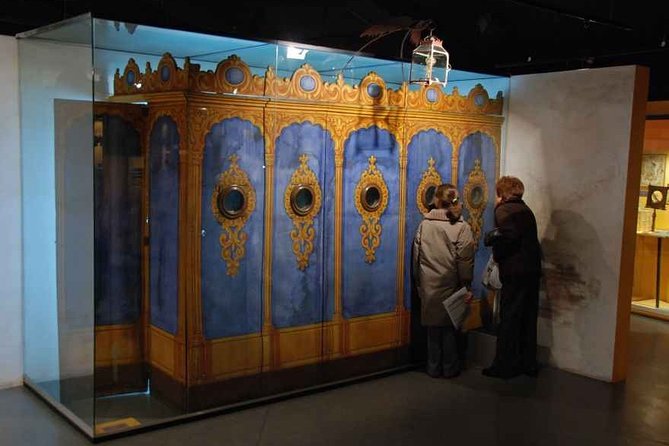
The museum’s timeline doesn’t stop at the earliest inventions. It also follows how those early ideas developed into cinema as a visual spectacle, and then into the era of television.
You’ll encounter multiple eras, including sections that move from early techniques and pioneers of moving images into later periods. One of the strengths of this approach is that you can see cinema as a changing technology, not a fixed invention that happened once.
A lot of museums treat the subject like a museum trophy case. This one treats it like a living process. The message is that cinema came from curiosity and experimentation. People kept improving the tools for framing, projecting, and capturing images, and each improvement changed what audiences experienced.
You may also spot an angle on spectatorship, meaning how viewers were meant to respond. That’s an important shift. Understanding how audiences watched helps you see why certain techniques mattered. It’s not just engineering. It’s communication, and it’s human.
If you’re visiting with a teen or a student, this format can work well. It gives enough variety to keep interest while still being coherent as a story. It’s also a good reset if you are tired of “old town, then food, then sleep” days.
How long to plan: 1 to 5 hours, but 2 is a sweet spot
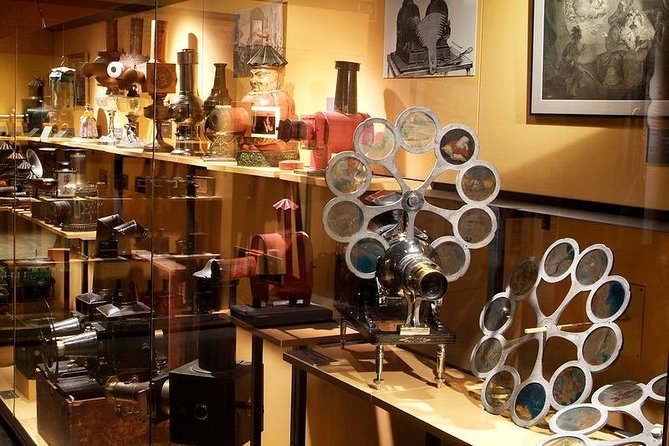
The official experience window is listed as 1 to 5 hours. In practice, you can make it as short or long as you want, depending on what you are drawn to.
If you want a quick but meaningful visit, aim for about an hour. Watch the intro film, pick a couple of interactive displays, and let the timeline carry you forward at a steady pace.
If you love the technology side, plan closer to 2 to 3 hours. There are enough objects, screens, and hands-on moments that rushing can feel like you’re skipping the point. One of the best ways to enjoy it is to spend extra time in the areas focused on early projection and on the interactive sections.
If you have more time and you are a serious film-minded person, you can stretch the visit longer. The multi-floor layout and the number of exhibits support a deeper pace. You won’t feel like you’re forced out after a set time.






Price and value: why $8.40 feels like the right kind of cheap
Let’s talk money, because this is where the museum earns trust.
At $8.40 per person, the ticket is low enough that you can treat it like a smart add-on rather than a major commitment. It’s also a good price for a museum that combines multiple types of learning: watching short films, using an audio guide, and engaging with interactive displays.
This is also one of those purchases that works even if your day is flexible. If you end up with an extra hour in Girona, you won’t feel annoyed that you overpaid. It’s the right kind of budget item.
One more value angle: there’s mention of a multi-museum discount card for five museums, which can reduce the effective cost if you plan to visit more than one site. If you’re the type who likes stacking attractions, this matters. If you’re only doing one museum, the base price still keeps the deal simple.
Accessibility and convenience in real life
You’ll find this museum is designed to be visit-friendly. Lifts are available to access different levels, and that makes a real difference if stairs would slow you down.
It’s also near public transportation, which helps if you don’t want to rely on a long walk after a day of Girona exploring. That convenience makes it easier to fit into your schedule without planning your whole day around one location.
Service animals are allowed, and the experience is suitable for most visitors. That combination makes it a calmer choice for groups with mixed needs.
Who should book tickets for the Girona Film Museum
This museum is a strong match for people who enjoy how things work. That includes film buffs, theater students, and anyone curious about visual storytelling from the technical side. If you like old tools, projection tricks, and the evolution of images, you’ll feel at home here.
It’s also a good pick for mixed groups. Even if not everyone is a film expert, the displays are varied enough to keep interest. The interactive elements help people who learn by doing, and the short video introductions help people who want a guided entry point.
If you travel with mobility concerns, the lift access is an important plus. You can move through the story without treating the museum like an obstacle course.
If you dislike technology-focused museums and you want only art on the wall, you might find some sections more technical than you expected. Still, the museum’s pacing and audio support can make the info feel less heavy than it sounds on paper.
A few practical tips so you get the most out of your visit
Bring curiosity, not expectations of a modern blockbuster. This place is about invention, projection, and the mechanics behind images.
Start with the intro film and then use it as your mental map. When you know what the museum is trying to show you, the artifacts stop being random objects. They turn into stepping stones.
When you hit interactive displays, slow down for a minute. Those are often the moments that turn learning into understanding. If you speed through them, you may miss what makes them memorable.
Use the audio guide to connect the device you’re looking at to the story the museum is telling. That helps you move from “I saw something” to “I get why it mattered.”
Finally, choose your pace before you get halfway through. If you think you might want extra time later, don’t spend it all in the first rooms.
Should you book this experience in Girona?
Yes, I would book it if you want a fun museum with interactive elements and a clear sense of story. At $8.40, it’s one of the easiest “worth it” buys in Girona, especially on a day when you want something indoors that still feels hands-on.
Skip or reconsider if you only care about modern cinema celebrities or you strongly prefer museums with a stronger focus on art style or narrative plot. This one leans technical and historical, and it rewards curiosity about how cinema worked.
If you’re visiting Girona soon, this is an excellent option to add without stress. Watch the intro film, take your time with the projection history displays, and you’ll come away with a much sharper idea of how we went from early image tricks to the movies and television we know today.
FAQ
Is the Cinema Museum Girona ticket available in English?
Yes, the experience is offered in English.
How long does the Girona Film Museum visit take?
The duration is approximately 1 to 5 hours.
Is this a mobile ticket?
Yes, the ticket is a mobile ticket.
When will I receive confirmation after booking?
You receive confirmation at the time of booking.
How far in advance should I book?
On average, it’s booked 14 days in advance.
Can I get a refund if my plans change?
Yes. Free cancellation is available, and you can cancel up to 24 hours in advance for a full refund.
Are service animals allowed, and is it near public transportation?
Service animals are allowed, and the museum is near public transportation.
More Museum Experiences in Girona



More Tour Reviews in Girona
Not for you? Here's more nearby things to do in Girona we have reviewed












More Girona Day Trips worth opening.
 ★ 5.0Girona & Costa Brava Small-Group Tour with Pickup from BarcelonaFrom $1206,955 reviews
 ★ 5.0Montserrat, Girona & Costa Brava Guided Day Trip from BarcelonaFrom $1335,128 reviews
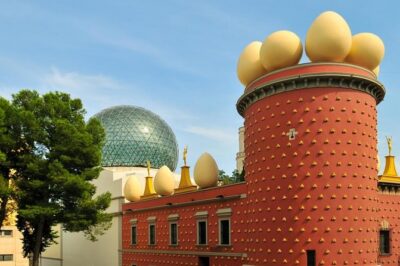 ★ 5.0Girona & Dali Museum Small Group Tour with Pick-up from BarcelonaFrom $1202,965 reviews
 ★ 4.7From Barcelona: Girona, Figueres, Dalí Museum, and CadaquésFrom $701,928 reviews
 ★ 4.7From Barcelona: Girona and Dalí Museum Small-group Day TourFrom $841,592 reviews
 ★ 4.7Montserrat, Girona & Costa Brava Guided Day TripFrom $1291,455 reviews
 ★ 4.5Girona & Costa Brava Small Group Tour From Barcelona with Paella!From $1391,098 reviews
 ★ 4.5Girona and Dali Museum Full Day tour from BarcelonaFrom $102996 reviews
Continue by place or experience