
REVIEW · BARCELONA CITY TOURS
Sweet Barcelona Tour
Sweet chaos is the best way to tour Barcelona. This 2-hour guided walk strings together classic historic sweet shops and market stops, so you learn the city through what people eat, drink, and celebrate. I especially liked the Cacaolat origin story and the way the tour stays family-friendly, with guides who know how to keep kids engaged without making it childish.
One possible drawback: it is a walking tour with multiple quick tastings, so if you hate crowds around La Rambla or you need long breaks between stops, plan for a bit of hustle.
Key things I think you should know before you go
- A tight 2-hour loop through Ciutat Vella, with frequent short tastings that keep the pace moving
- Cacaolat’s origin stop at Granja M. Viader, where you get to sample the famed chocolate drink
- Market time at Mercat de la Boqueria, focused on fruit and sweet sections
- Chocolate, nuts, and coffee in one route, including Cafès El Magnífico and Casa Gispert
- Gothic landmarks along the way, so you snack and sightsee in the same breath
- Kid-friendly guidance, with guides named Delores, Oliver, and Cristina praised for handling families well
Why a sweets-focused walk works so well in Barcelona
Barcelona can be a lot if you try to see everything in one day. This tour gives you a simple plan: follow the scent of chocolate and butter, then connect it to the streets you are actually walking. You are not just sampling sugar. You are picking up small pieces of local culture, like how certain confections became traditions and why particular shops ended up with loyal followings.
It is also a smart way to get oriented in the old center. You start around La Rambla and then move through Gothic and historic areas while the guide points out landmarks you might otherwise miss. Instead of wandering with a map app and hoping you find a good pastry shop, you get a route that already makes sense.
Finally, the tour leans practical. You taste, you walk, you stop, you go again. The whole thing is designed to fit a busy itinerary, with about 2 hours on the clock and multiple stops spaced in short windows.
You can also read our reviews of more tours and experiences in Barcelona.
Start at Font de Canaletes, then follow the sugary thread
You meet at Font de Canaletes on La Rambla, address La Rambla 133 (Ciutat Vella). The start time is 12:30 pm, and you finish near Brunells at Carrer de la Princesa 22. That finish is helpful because it drops you back into a central zone close to Jaume I metro and the Picasso Museum area.
What this means for you day-to-day: you can pair the tour with a late lunch or a longer afternoon walk afterward, because you are done before the late-day dinner rush. Also, because it is a private tour for your group only, it is easier to move at a pace that works for kids and adults together.
Bring comfortable shoes. The route is built around short stops, but you still cover enough ground to feel it. And yes, you will be tempted by snacks along the way, so keep your expectations realistic. The tastings are meant for sampling, not for replacing a full meal.
Granja M. Viader: the Cacaolat origin stop and classic chocolate comfort
Your first big flavor anchor is Granja M. Viader, a traditional cheese and milk shop dating back to 1870. This is where the story connects food to a specific creation: Cacaolat was created there, and you learn about its invention in the 1930s.
Then you taste it. Cacaolat is the traditional chocolate drink tied to that history, and sampling it first sets the tone for the whole walk. You also get the feel of how certain Barcelona shops became more than stores. They became local references, the kind of place people associate with a particular taste and memory.
Why this matters beyond the chocolate: the tour uses stops like this to show how Barcelona’s sweet culture grew from everyday goods (milk, chocolate, and staples) into signature treats. It is a quick lesson with a real payoff.
Mercat de la Boqueria: fruit, sweets, and the old-convent setting
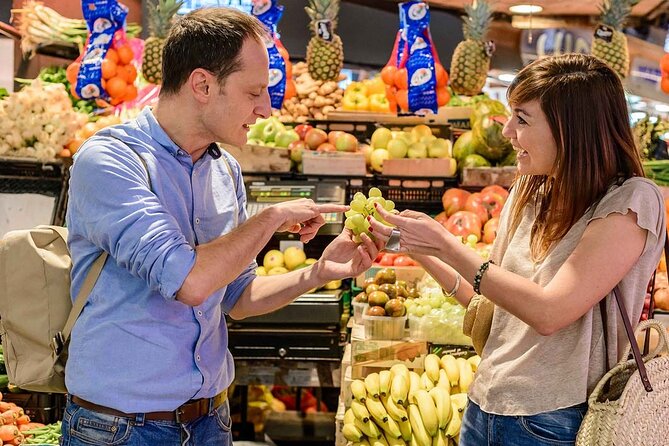
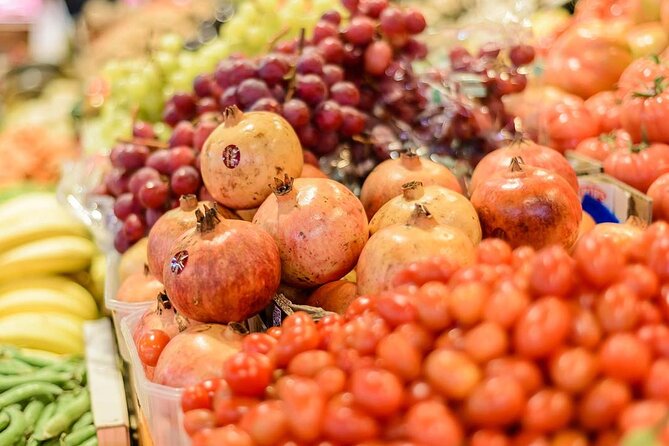
Next you head to Mercat de la Boqueria, one of the most famous food markets in Barcelona. Here, the focus is not just sightseeing. It is on the fruit and sweet sections, so you know what you are looking for while you browse.
Boqueria’s setting adds context. The market sits in a former old convent of St Joseph, and it has been operating since 1840. Even when you are only here for a short stretch, that background helps you understand why markets in old European cities can feel like a mix of everyday commerce and local ritual.
Practical tip for you: this is one of the places where the market vibe can be crowded. If you want the calmest photos, keep moving with the group and trust the guide to point you toward the tastiest angles.
Escribà Rambla and the Plaza del Pi detour you will thank yourself for
On the walk toward the heart of the old center, you hit Escribà Rambla, the famous pâtisserie associated with chef Christian Escribà. This stop is memorable for its connection to high-profile events. The route highlights that many cakes for major occasions, including things like a U2 concert in Barcelona and the film All About My Mother, were done here.
That kind of detail matters because it is proof the shop is not just famous for a pretty display. It is part of Barcelona’s reputation for craftsmanship and presentation. You are learning how sweet makers become cultural names, not only dessert vendors.
Then you swing by Plaza del Pi, a traditional outdoor market area on festivities, with the Gothic Basilica of Santa Maria del Pi nearby. This is a nice change of pace from pure shop tasting. You get a slice of the city’s public space culture, where sweets and snacks show up as part of the street rhythm.
If you like photos, this is a good area to pause for a moment. The guide’s explanations help you look at what you see, rather than just walking past it.
Carrer Petritxol and chocolate traditions, plus Barcelona Cathedral from the outside
The route then leads you through Carrer Petritxol, known for old cafés connected to the early tradition of chocolate & churros/melindros. It is the kind of street name that sounds like a postcard, but the guide frames it as culinary history, not just scenery.
You also taste something distinct here: turrón, a nougat-style sweet traditionally eaten during Christmas time. Even if you are visiting outside the holidays, this stop gives you a taste of the seasonal flavor that anchors Spanish confection culture.
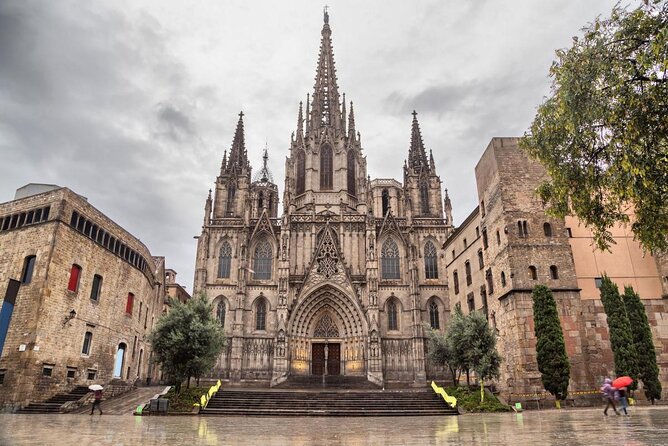
From there, you pass Barcelona Cathedral and its square area from the outside, including Roman walls. The guide shows the Roman gate and walls and the front of the Cathedral of Barcelona. This works because the tour never forgets it is a walking route through real neighborhoods. You get dessert stories, then you get stone-and-street stories.
For your brain, this helps. You stop associating the city only with food, and you start seeing how food shops grew around historic centers and landmark foot traffic.
La Colmena, Cafès El Magnífico, and the coffee-and-candy balance
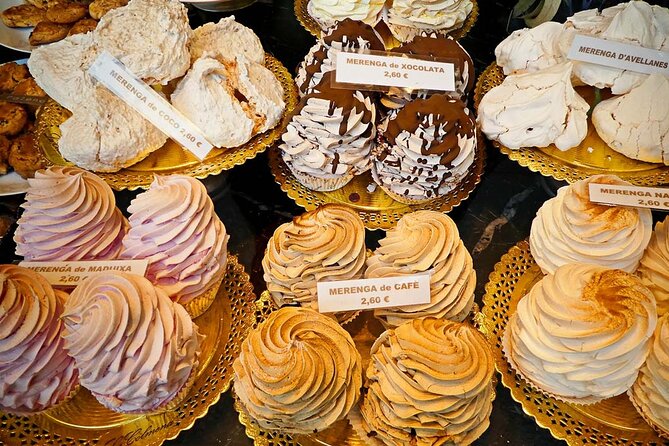
After the cathedral area, the tour keeps your sugar track, but it adds a grown-up break. You visit La Colmena, an old pâtisserie known for merengues and candies. You taste a candy made using the old traditional way, which is the sort of detail that makes the tasting feel less random.
Then comes Cafès El Magnífico, described as the first coffee store in the city. You get the coffee connection in a tour that started with chocolate and milk, and that balance is a big reason the route feels well planned. Coffee is the palate reset for a sweet walk, and it makes it easier to enjoy the next dessert stop.
What I like about this mix: it avoids the tour becoming only sugar overload. You get contrast, so the flavors keep unfolding instead of blending into one long sweetness blur.
Bubó Barcelona, Botifarres, and the surprising sweets you remember
Next up is Bubó Barcelona, a pâtisserie tied to a best chocolate cake prize in 2005. Even if you are not a chocolate-obsessed person, this is a strong stop because it signals quality, not just variety. The tour uses it as another “why this place matters” point, then you taste along the way.
Then there is a fun curveball: a Botifarres shop known for a unique sweet and chocolate sausage. This is not the kind of thing most visitors expect on a sweets tour. The reason it fits here is simple. Barcelona sweet culture can be playful and regional, and the guide gives you a taste of that side.
If you are traveling with kids, this is often the stop that gets the most curiosity. If you are with adults who prefer familiar flavors, you still get something you can interpret and compare to the other chocolate notes you already tasted.
Santa Maria del Mar and why people carrying stones matters
Before the final stretch, the route includes Basílica de Santa Maria del Mar, another Gothic landmark visible from the outside. The guide explains how it was built, including the idea that people carried stones on their backs from the hill of Montjuïc to downtown as a sacrifice.
That may sound like an odd fact to pair with desserts, but it actually works. It connects the sweetness you are tasting to the same old-city reality: people built this place over time. Sweet shops, market stalls, and church squares all belong to the same story of labor, community, and everyday life.
This stop also gives your feet a mini reset. You are not just standing in front of shops. You are seeing the city’s architecture, and that helps the walk feel like more than a shopping list.
Casa Gispert nuts with the oldest roasting oven in Europe, then Brunells ends the tour right
You finish the sweet-lovers sprint with Casa Gispert, a nuts shop known for having the oldest roasting oven in Europe. Nothings tastes “fresher” on a sweets tour like nuts, because they add crunch and a more savory balance to all the chocolate and pastry.
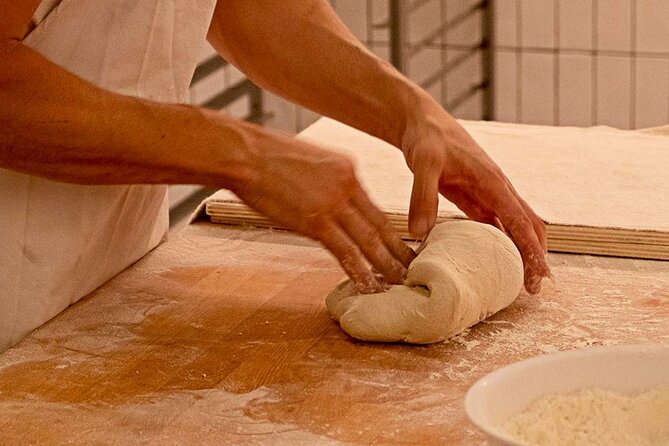
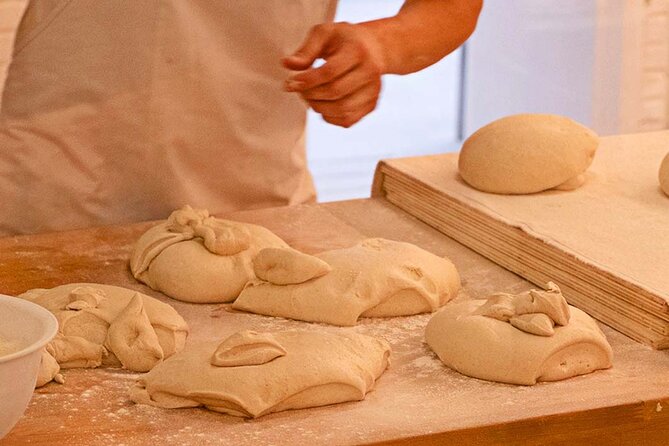
After that you reach Brunells at Carrer de la Princesa 22, where you taste a traditional bakery product and, more specifically, the artisan butter croissant recognized as the best in Spain in 2020. The guide also points out the centenary oven, which is exactly the sort of detail that makes the final bite feel earned.
This is a strong ending for three reasons. First, croissant and butter give you a final flavor that is distinct from chocolate. Second, the route ends near a central transport and sight area, so you can keep exploring afterward without backtracking. Third, Brunells is the kind of place that turns a tasting into a memory you can plan to repeat later.
Price and value: what $248.72 gets you in the real world
The price is $248.72 per person for an approximately 2-hour private tour with a mobile ticket. That sounds steep if you think of it as “just pastries,” but it plays differently when you factor in the structure.
You are getting:
- Multiple tasting stops across historic shops and market areas
- Snacks plus one artisan pastry included
- A guide who connects flavors to the city, including specific origin stories and landmark context
- A route that keeps you in central areas around La Rambla and the Gothic quarter without you having to plan every stop yourself
Is it pricey compared to buying pastries on your own? Yes. But the tour saves you the guesswork of finding the right places, and it bundles the experiences into a short time window that fits busy days.
If you are traveling as a family, it can also be good value because kids get a guided route with quick payoff moments. And if your group is small, a private format can make the experience feel calmer than a large walking crowd.
The guide makes the day: Delores, Oliver, and Cristina style of teaching
The standout praise from past groups is about how the tour feels, not only what you taste. Guides like Delores and Oliver are highlighted as fantastic with kids, including families with children aged 3 to 14. Another named guide, Cristina, is praised for being professional and making the tour feel fun and easy to follow.
That matters because sweets tours can go one of two ways. They can be a checklist of bites, or they can be a real street education. This one leans toward the second. The guide helps you notice architecture, understand why a shop is famous, and connect each tasting to a local tradition.
Who should book this Sweet Barcelona route, and who might skip it
Book it if you:
- Want a short, guided old-town route built around tastings
- Enjoy learning through food, not just looking at food
- Travel with kids or prefer a guide who can handle families well
Consider skipping if you:
- Hate walking between multiple stops and prefer long, seated meals
- Are trying to keep sweets very limited, since the focus is clearly on sampling
If you are on the fence, I would think about what you want Barcelona to be that day. If you want the city to make sense in small, delicious steps, this works.
Should you book the Sweet Barcelona Tour?
I think it is a smart pick for most first-time visitors who know they want food, but do not want to plan every stop. The price is not bargain-bin, but you are paying for a guided route that combines historic shop visits, market time, landmark context, and tastings that end with a strong pastry finish at Brunells.
If you are a family, this is one of those tours that can feel like a shared adventure instead of a grown-up-only food mission. And if you are a solo food lover, you get variety without spending hours researching.
If you book, go with comfy shoes, a little space in your schedule, and the mindset that you are sampling a story, not just chasing calories. You will end the walk with better bearings and a clearer idea of what makes Barcelona taste like itself.
FAQ
How long is the Sweet Barcelona Tour?
It is about 2 hours.
How much does the tour cost?
The price listed is $248.72 per person.
What is the meeting point?
You meet at Font de Canaletes, La Rambla 133, Ciutat Vella, Barcelona.
Where does the tour end?
The tour ends at Brunells, Carrer de la Princesa 22, Ciutat Vella, Barcelona.
What time does the tour start?
The start time is 12:30 pm.
Is this a private tour?
Yes. It is a private tour/activity, so only your group participates.
What is included in the price?
The tour includes snacks, including samples and one artisan pastry.
Do I need a printed ticket?
You use a mobile ticket.
Can I cancel and get a full refund?
Yes, free cancellation is available. You must cancel at least 24 hours before the experience’s start time for a full refund.
More Tours in Barcelona


More Tour Reviews in Barcelona
Not for you? Here's more nearby things to do in Barcelona we have reviewed








More Barcelona City Tours worth opening.
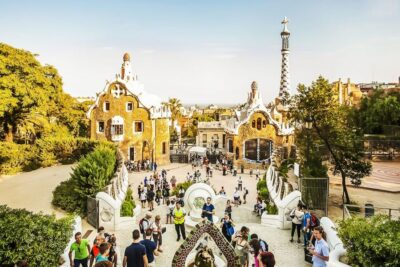 ★ 4.4Park Güell Admission TicketFrom $2576,534 reviews
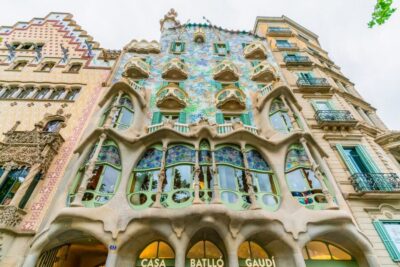 ★ 4.7Casa Batlló Entry with Self-Audioguide TourFrom $3425,359 reviews
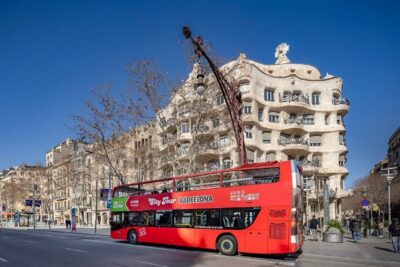 ★ 4.424 or 48-Hour Hop-On Hop-Off Bus TourFrom $3920,872 reviews
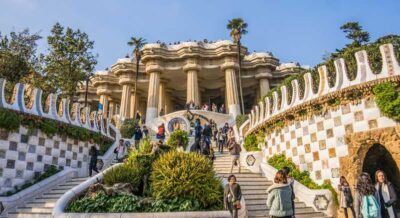 ★ 4.7Park Guell Guided Tour with Skip The Line EntryFrom $3117,563 reviews
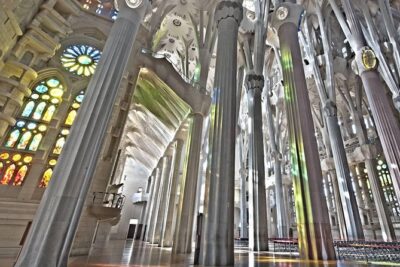 ★ 5.0Barcelona in 1 Day: Sagrada Familia, Park Guell,Old Town & PickupFrom $12013,541 reviews
 ★ 4.3Barcelona Aquarium: Entry TicketFrom $3113,335 reviews
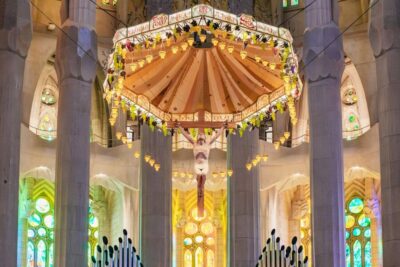 ★ 4.8Sagrada Familia Skip-the-Line Entry Ticket & TourFrom $6712,789 reviews
 ★ 4.4FC Barcelona Museum “Barça Immersive Tour” TicketFrom $3510,944 reviews