
REVIEW · GOTHIC QUARTER TOURS
Barcelona Old Town & Gothic Quarter Small Group Tour
Gothic streets, zero map stress. I love the small-group size, and I love how the guide builds in time for your questions while you walk. One drawback to plan for: entry tickets for the Cathedral and Santa Maria del Mar are not included, so you may need extra time and money if you want to go inside.
I also like that this route helps you see the Old Town layers in the right order, instead of wandering in circles. Guides such as Joris and Alba come up again and again in the feedback for friendly, clear explanations and stories that connect the city’s Roman traces to its medieval gothic style and later Catalan culture.
You’ll cover the core of Ciutat Vella in one smooth sweep, starting near Carrer de Fontanella and finishing close to Palau de la Música Catalana. Most stops are free to view from the outside, and you’ll get a mobile ticket plus a central meeting point near public transportation.
Key things that make this tour worth your time
- Small-group flow: max 12 keeps conversation easy (with up to 15 listed as the overall activity cap)
- Built-in orientation: you walk the Gothic Quarter and Born without the usual getting-lost stress
- Market stop with real payoff: Boqueria is quick but gives you a chance to sample, spot Iberian cured ham, and people-watch
- Architectural details you’ll miss solo: Plaça Reial includes Napoleonic design, Tres Gràcies fountain, and early Gaudí lanterns
- Good “finale” location: you end near Palau de la Música, so you can keep exploring right after
- A guide you can ask things to: the pace allows you to stop, ask, and get answers as you go
Gothic Quarter and Born on foot, minus the getting-lost headache
Barcelona’s Old Town can feel like a maze on your first day. This tour is designed to solve that problem with a human route. You start in Ciutat Vella at Carrer de Fontanella, 2, and you end in the Born area near Carrer del Palau de la Música. That point-to-point setup matters, because you spend less time backtracking and more time looking up at the buildings that actually make this place special.
I love that the focus stays on walking and “place reading.” The guide doesn’t just recite dates. You get a route through narrow streets and squares, with context that helps you understand why one alley changes into a square, or why the city feels layered. If you’re a first-timer, that mental map pays off immediately for the rest of your stay.
Group size also helps. With a small cap (max 12 for a personalized experience, and up to 15 listed overall), it’s easier to hear your guide even when crowds thicken. In feedback, names like Steven, Nilo, and Jose Carlos pop up alongside comments about pacing and Q-and-A style. The practical takeaway: you can ask questions without feeling like you’re interrupting a bus tour.
You can also read our reviews of more tours and experiences in Barcelona.


Gothic Quarter and Ciutat Vella: the Roman-to-medieval story you can walk
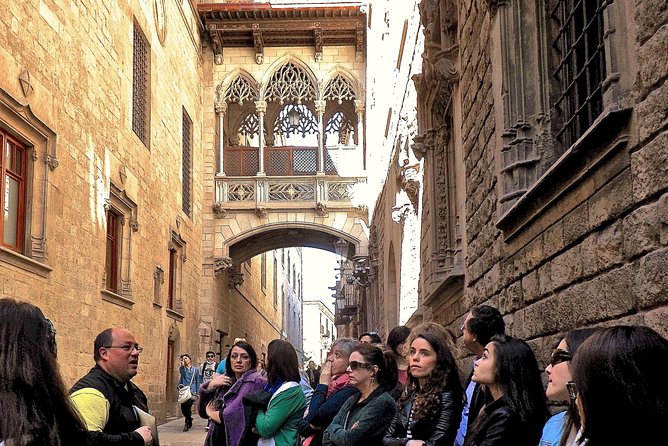
The first and biggest stop is the Gothic Quarter, where you get about 45 minutes. This is the part of town that looks like it was built for postcards, but it’s more than that. You’ll wander the tight streets and squares tied to Barcelona’s medieval and gothic architecture, and you’ll hear about Roman remains still visible around corners.
That “Roman remains” detail is exactly the kind of thing you’d likely miss alone. The architecture does not come with a clear label telling you what era you’re staring at. A good guide helps you spot the clues, so your photos come with understanding instead of just pretty stone.
Right after that, you get time in Ciutat Vella, the Old City. The stop is shorter (around 15 minutes), but it works as a bridge. It’s the moment where the tour helps you shift from Gothic Quarter specifics to the wider sense of how the Old Town functions as a single living neighborhood, not a museum block.
One consideration: 45 minutes in the Gothic Quarter is great, but it’s also crowded in parts. If you hate shoulder-to-shoulder walking, go in with patience. The upside is that your guide keeps the group moving and pointed, which reduces the awkward stop-and-stare feeling you can get when you’re trying to read a map in real time.
Las Ramblas and the Boqueria Market stop: sights, sounds, and optional snacks
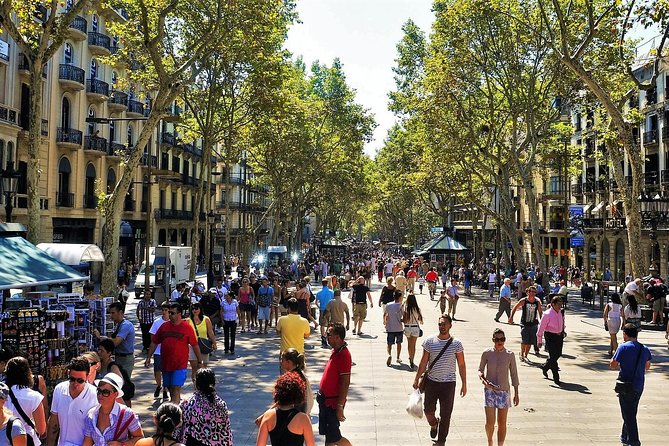
Then you head to Las Ramblas, with about 15 minutes. This boulevard is one of the city’s most emblematic avenues, full of bars, restaurants, and street artists. The tour also gives you a little historical context: in medieval times, the boulevard was described as a small sandy river used as natural defense at the edge of the old city walls.
Even if you don’t stop for a drink, the Ramblas walk is useful because it shows you the Old Town’s rhythm. It’s a quick transition from quiet gothic lanes to a more public, performance-filled street. And since the time is short, you don’t waste your whole afternoon on a place you can see later on your own.
Next is Mercat de la Boqueria, also about 15 minutes. This is the kind of stop that makes the tour feel like more than sightseeing. You walk inside a market scene filled with color and lively energy, and you get time to look around and choose an indulgence. If you want something light, a fresh fruit juice is an option. If you want to snack more, there’s a strong food culture right here, including attention to where world-famous Iberian cured ham comes from.
A practical note: food and drinks are not included. That’s actually good value for you, because you can spend what feels right. If you’re budgeting, treat Boqueria as a tasting window with one purchase. If you’re in vacation mode, grab a drink and maybe one small bite, then keep moving.
Plaça Reial: the smart rest break with Gaudí details
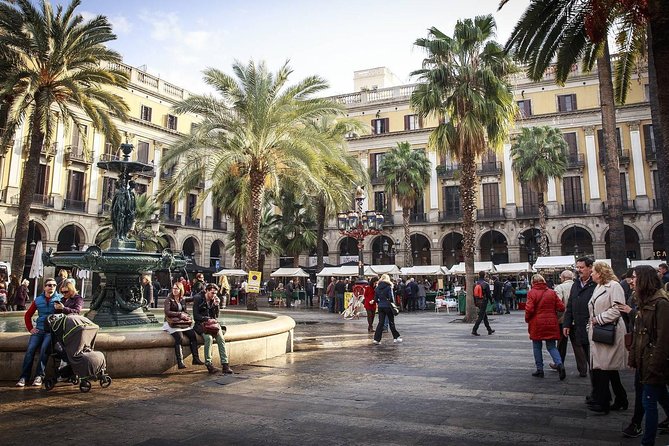
After the Rambla and market, Plaça Reial is where the tour gives you a breather. You get about 15 minutes in this open square, which helps because the Gothic Quarter streets can feel like continuous turning. Plaça Reial is a big contrast, with room to pause.
The square is known for Napoleonic architecture and for being a meeting point in the middle of narrow Gothic Quarter streets. You’ll see the fountain de Tres Gràcies and the distinctive lanterns designed by a very young Gaudí on his first public assignment. That’s a specific detail I love, because it turns a nice-looking square into a story you can explain afterward.
The royal palm trees add extra scale, too. You’ll likely find yourself taking photos from the middle of the square, not the edges. If you’re tired, this is where a short sit down on a terrace makes the rest of the walk feel easier.
Barcelona Cathedral and Santa Maria del Mar: what you’ll see without paying twice
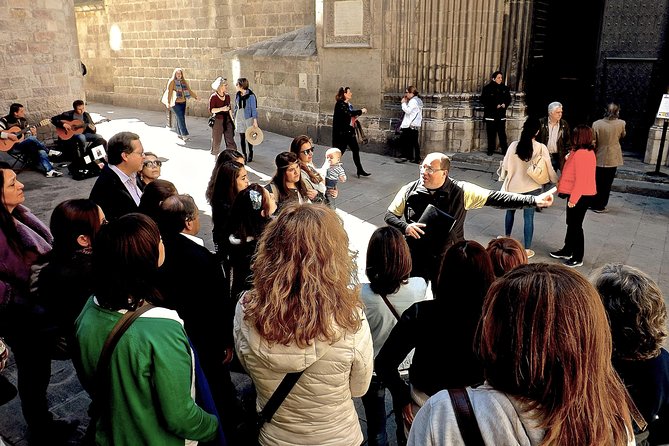
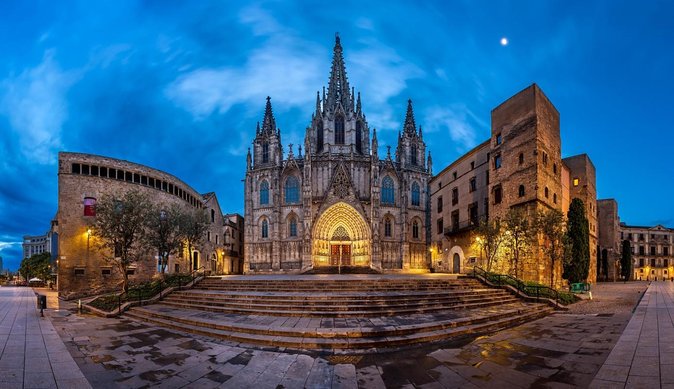
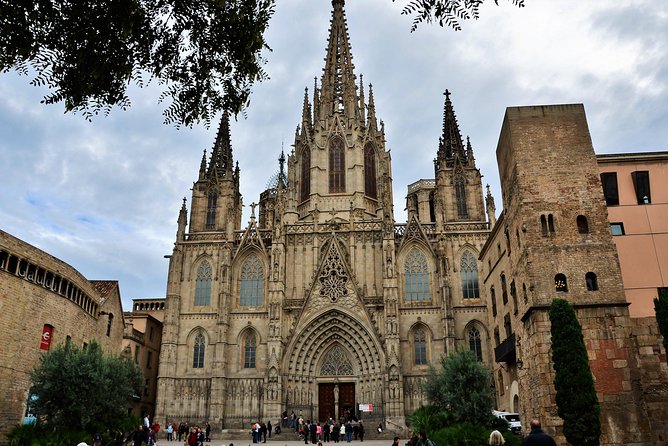
The Cathedral stop is about 15 minutes, and it’s mostly a visual pass, with admission not included. You’ll admire Barcelona Cathedral from outside and look at its gargoyle sculptures at the top of the towers. The tour also points out why the building is considered one of the outstanding cathedrals in Europe, plus the idea that its interior includes a bright patio and towering columns.
You’ll also hear that it is devoted to Saint Eulalia, a young virgin, and that it is seat of the archbishopric of the city. That last bit matters, because it helps you understand why this isn’t just a tourist photo stop, but an active religious landmark.
Then later, you’ll reach El Born, and from there you’ll visit Basilica de Santa Maria del Mar (again around 15 minutes), with admission not included. This basilica is often described as the real cathedral of the Old Town because it was founded and constructed in medieval times by neighborhood people. You’ll get the sense of Catalan gothic style here.
What’s important for your planning: if you want to go inside either the Cathedral or Santa Maria del Mar, you should assume you’ll need to buy separate tickets. The tour gives you the “wow” from the route, so you can decide on your own time whether the interior is worth the extra entry fee.



El Born and the walk toward Palau de la Música: old and new in the same frame
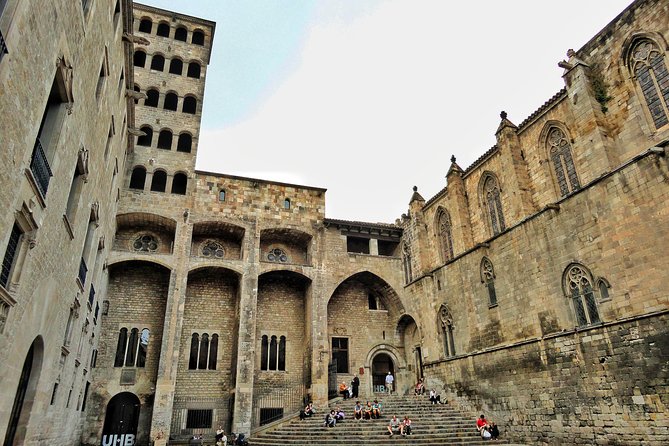
From the Cathedral area, the route shifts into El Born, where you get about 15 minutes. El Born is described as a labyrinth you don’t mind getting lost in, and that’s a good match for what the guide does. You’re not left alone to figure it out. You’re guided through an area where older and newer buildings blend, and you’ll pass trendy squares where young and old like to linger.
A key point here is that El Born is not just pretty streets. It’s also home to major cultural stops. The tour sets you up for that by pointing toward sights you can continue to explore on your own afterward.
The tour ends near Palau de la Música Catalana. Even though the experience finishes there, it’s a strong finale, because Palau de la Música is an architectural standout in a very specific way. It is a concert hall designed by Lluís Domenèch i Montaner, who is described as Gaudí’s teacher. It is also stated to be the only concert hall declared a World Heritage Site by UNESCO.
And the applied-arts details are the kind you can actually see from the outside approach and nearby viewing: sculpture, mosaic, stained glass, and wrought iron. If you still have energy after the 2.5 hours, this ending gives you a natural next step without requiring extra transport.
Price and logistics: does $22.15 make sense for 2.5 hours?
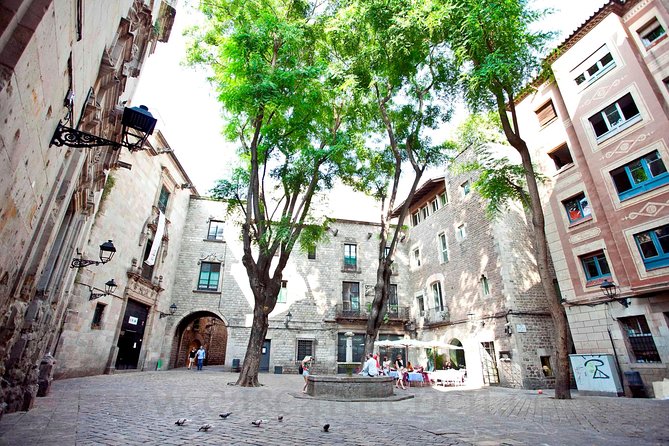
At $22.15 per person for around 2 hours 30 minutes, this tour is priced like a practical primer. You get a professional local guide and a route that hits multiple must-see zones in a tight time window: Gothic Quarter, Ciutat Vella, Las Ramblas, Boqueria, Plaça Reial, the Cathedral area, El Born, and the Santa Maria del Mar basilica zone, finishing near Palau de la Música.
Here’s why that matters for value. You’re not just paying for walking. You’re paying for interpretation and for time saved. In a place like Barcelona, the ability to ask questions and get guided context can turn a chaotic first day into something coherent, fast.
The small-group cap (max 12, with a maximum of 15 listed) also helps justify the cost. Cheaper tours often end up with a bigger crowd, more noise, and less ability to hear or ask questions. The feedback includes lots of praise for guides like Alba, Isabel, Miguel, and Adria, with repeated comments about a pace that works and answers that don’t feel rushed.
What’s not included is also clear. Food and drinks are not included, and hotel pickup or drop-off is not included. Plus, Cathedral and Santa Maria del Mar admission is not included. If you want to pay for interiors during the tour, treat this as a “book and budget” moment, not an all-in-one ticket package.
Who this walking tour fits best (and who might want something else)
This is a great fit if you want orientation and context more than a checklist. If it’s your first time in Barcelona or you only have a short window, you’ll like how the route touches the city’s big storytelling areas. The format also suits families. The tour data says most people can participate, and children must be accompanied by an adult. Kids under 2 join free, and kids between 3 and 8 have a 30% off rate.
If you’re traveling with a stroller, one piece of feedback specifically calls out stroller-friendliness. Still, remember it’s a walking tour. You’ll want to bring comfortable shoes and plan for cobblestones and tight corners.
If you want a heavy-duty interior museum day, this might feel too light, because major entries are not included. But if you want the outside, the street-level meaning, and the right springboard to keep exploring, it’s exactly the kind of tour that makes the rest of your trip easier.
Should you book Barcelona Old Town and Gothic Quarter Small Group?
Book it if your goal is simple: get your bearings fast in the Gothic Quarter and Old Town, ask questions along the way, and still have energy left to continue independently toward Palau de la Música.
Skip or pair it with other tickets if you know you want long interior time in the Cathedral or Santa Maria del Mar during this same window. Since admissions are not included, you might prefer a separate entry-focused visit for inside hours.
One last practical note: the tour is commonly booked about 41 days in advance, so if your dates are fixed, grab a time slot early. The meeting point is central, the route is walk-based, and the small-group style is the real value here.
FAQ
How long is the Barcelona Old Town and Gothic Quarter Small Group Tour?
The tour lasts about 2 hours 30 minutes.
Where does the tour start and where does it end?
It starts at Carrer de Fontanella, 2, Ciutat Vella, 08002 Barcelona, Spain. It ends near Carrer del Palau de la Música in the Born District (C/ Palau de la Música, Ciutat Vella, 08003 Barcelona, Spain).
What’s included, and what’s not included?
Included: a professional local guide, an Old Town walking tour covering the Gothic Quarter and Born District, and complete visit to Old Town highlights. Not included: food and drinks, and hotel pickup or drop-off. Admission to Barcelona Cathedral and Basilica de Santa Maria del Mar is not included.
Is the tour offered in English?
Yes, the tour is offered in English.
What is the cancellation policy?
Free cancellation is available. You can cancel up to 24 hours in advance for a full refund.
How much do children pay?
Children must be accompanied by an adult. Children under 2 can join free of charge, and children between 3 and 8 are entitled to 30% off.
More Tours in Barcelona
More Tour Reviews in Barcelona
Not for you? Here's more nearby things to do in Barcelona we have reviewed








More Gothic Quarter Tours worth opening.
 ★ 5.0Barcelona Gothic Quarter Tapas & Taverns Food & Wine TourFrom $1311,470 reviews
 ★ 4.7Gothic Quarter Ghosts and Legends Walking TourFrom $191,443 reviews
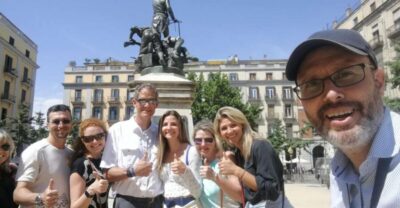 ★ 4.8Old Town and Gothic Quarter Walking TourFrom $211,393 reviews
 ★ 4.8El Born and Gothic Quarter Wine & Tapas Bar TourFrom $81674 reviews
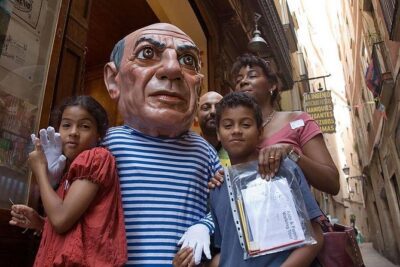 ★ 5.0Kids and Family Gothic Quarter Walking Tour in BarcelonaFrom $25465 reviews
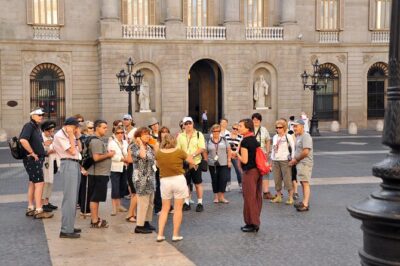 ★ 4.5Barcelona Gothic Quarter Walking TourFrom $33456 reviews
★ 4.9Gothic Quarter Walking TourFrom $212383 reviews
★ 4.5Barcelona Gothic Quarter Walking TourFrom $33456 reviews
★ 4.9Gothic Quarter Walking TourFrom $212383 reviews
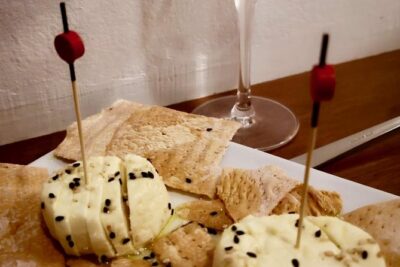 ★ 5.0Barcelona Gothic Quarter VIP Tapas & Wine TourFrom $181276 reviews
Continue by place or experience