
REVIEW · BARCELONA GAUDI TOURS
Barcelona: Wonders of Gaudi Bike Tour
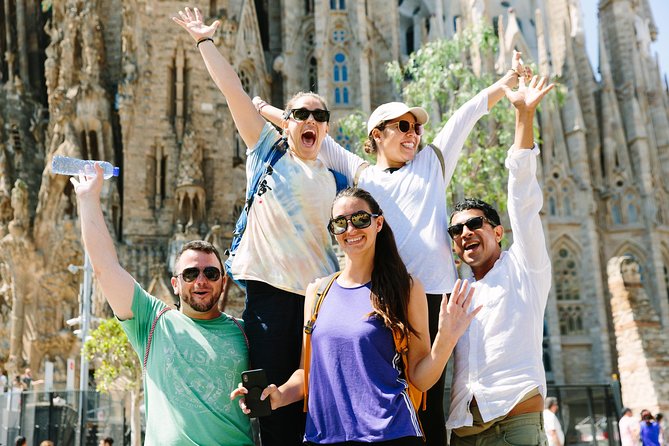
Gaudí is way more fun when you pedal. This Barcelona bike tour connects Modernista landmarks with stories you can actually picture, finishing with a skip-the-line pass for the Sagrada Familia.
Two things I really like: you get a guided route that mixes famous stops with quieter ones, so the city feels bigger than just the postcard sites. And the pace works, helped by a small group size of up to 9 people.
One possible drawback: most of the stops are brief outside looks plus talk time, and several sites do not include admission, so plan for some extra ticketing and lunch costs.
Key things that make this tour worth it
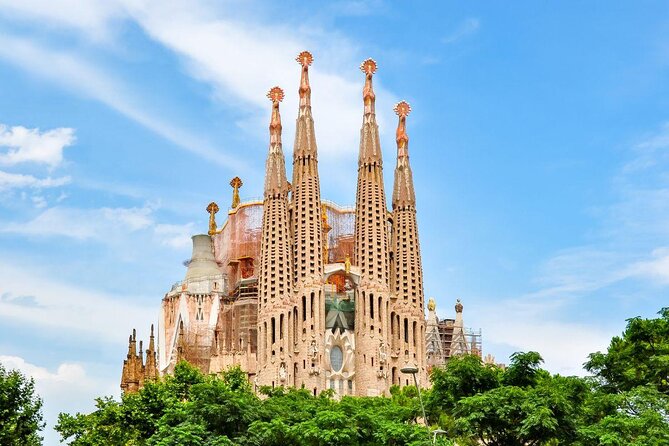
- Skip-the-line access to the Sagrada Familia, so you lose less time waiting for entry.
- A focused Gaudí route by bike, linking early life influences to his later masterpieces.
- Modernista style explained in plain language, not a lecture.
- Tight group size (max 9), which helps the guide keep track of the whole pack.
- Plenty of photo moments, even when you are not going inside every building.
Why this Gaudí bike route feels efficient in Barcelona
Barcelona can eat your time if you try to see Gaudí one site at a time. This tour runs about 3 hours 45 minutes, with a guided ride that stitches together architecture across neighborhoods in a way that feels smooth.
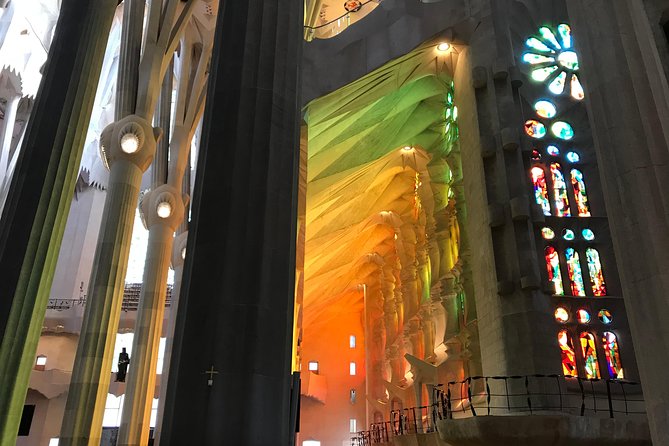
You are not just moving between buildings, you are moving through ideas. You’ll connect Modernista design to Gaudí’s influences and life story, then see how that thinking shows up in the facades, ironwork, and shapes you recognize later at the Sagrada Familia.
This is also a good “starter Gaudí” if you are trying to understand the city fast. In one go, you see the big names and you learn how they fit together, so you arrive at the basilica with better context.
You can also read our reviews of more cycling tours in Barcelona


Meeting at Carrer de Marlet and getting rolling quickly
You meet at Carrer de Marlet, 4, Ciutat Vella, and the tour ends back at the same place. After meeting, you walk shortly to pick up bikes at Unlimited Biking (formerly Fat Tire Tours) near Plaça Sant Jaume.
Bikes and helmets are provided. Helmets are optional, but I strongly suggest you use one, especially with Barcelona traffic and curb cuts on busy streets.
The tour runs rain or shine, so bring something that handles weather without ruining your ride. Even in light rain, you’ll be moving between stops, which usually makes the day feel active instead of stuck indoors.
What your guide does for you (and why names like Marco, Misha, and Alvaro matter)
A Gaudí tour lives or dies on the guide. The guides connected to this tour, including Marco, Misha, and Alvaro, are described as people who keep information organized and the pace workable.
Here’s what that means in practice: you get short, timed talks at each stop, plus enough neighborhood context to understand what you are seeing. That is the difference between looking at buildings and actually clocking what makes them Gaudí, not just famous.
I also like that the group is small enough for the guide to adjust. One review note called out keeping a reasonable pace with preteens, which is a good sign the ride stays human-sized instead of rushed.
Raval and early Gaudí influence: Museu d’Art Contemporani and Palau Guell
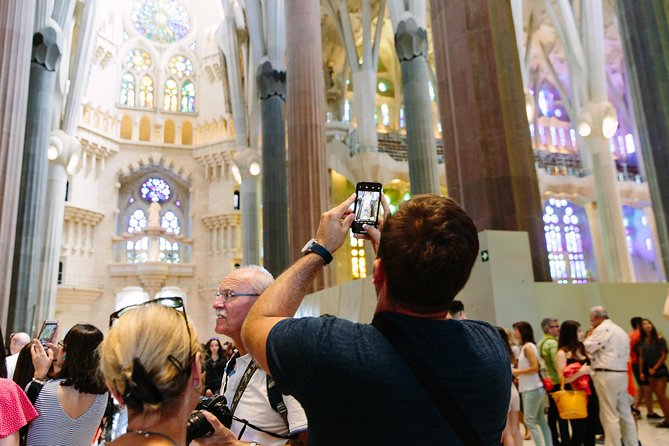
Your tour starts with a quick stop connected to the Raval area, with a short speech before you move on. This matters because Gaudí’s story is not only about buildings, it is also about the city around them and the neighborhoods that shaped patronage and styles.
Next comes Palau Guell, described as Gaudí’s first major building in Barcelona. You’ll have time for a brief stop and talk, which is ideal if you want the big takeaway without committing to an interior visit.
What to expect here: think of Palau Guell as the early proof of concept. You are seeing how Gaudí’s imagination starts showing up before you get to the later, more dramatic work.
Note on timing and admissions: the stop is short, and admission is not included. If you love interiors, you’ll likely want to add the building later on your own.
The Mançana de la Discòrdia stretch: Casa Amatller, Casa Lleo i Morera, and Casa Batllo
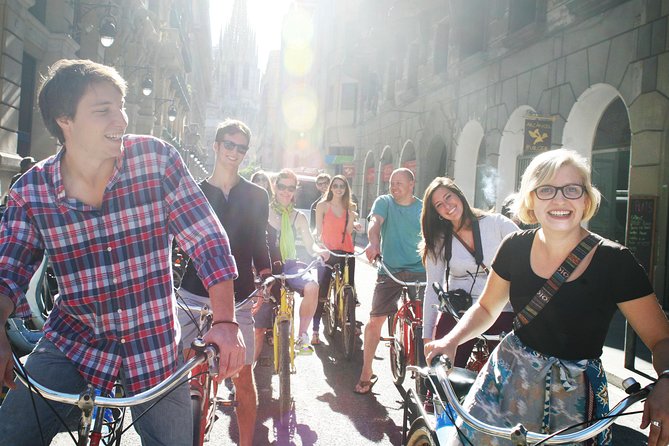
One of the most fun parts of this tour is the way it hits the so-called Mançana de la Discòrdia, the block where several Modernista giants sit close together. You stop at Casa Amatller, then Casa Lleo i Morera, and later Casa Batllo.
The tour keeps each stop focused, with brief speeches and time to look. That works well because you start seeing how each architect (and each building) takes the same basic city block and makes it feel totally different.
These buildings are especially rewarding if you like comparing details. The shapes, ornament, and color choices are meant to be noticed slowly, and this tour gives you enough time to do that between rides.
A practical note: these are “look first, listen, then move” stops. The listed times are short, and admission is not included at these points, so use your time for photos and outer details, not expecting full interior tours.
La Pedrera, Casa Fuster, and the Diagonal ride
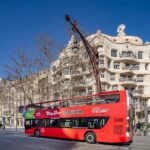
When you reach Casa Mila, La Pedrera, this tour gives you one of Gaudí’s most recognizable homes. It is UNESCO World Heritage and was built between 1906 and 1912, and the stop includes time plus a talk.
Even if you never go inside, La Pedrera is worth seeing because its rooftop and facade push against normal building logic. You get the payoff of that famous strangeness without losing the energy of the ride.
After that, you have brief stops and quick speeches at Hotel Casa Fuster, then you pass down the Diagonal and stop at CaixaForum Macaya for another quick talk. These bits can feel like minor scenes, but they add up.
They also help you “read” the city. The Diagonal is a huge visual corridor, and riding down it gives you scale. Then the quick stops snap you back to architectural detail so you do not only get swept along.
Admission is not included at these stops, so treat them as interpretation points. If you want to see interiors, you’ll add that separately after the tour, now that you know what to look for.
Torre Bellesguard and Ciutadella: moving from major landmarks to mood
Next you visit Torre Bellesguard, described as a modernist castle designed by Gaudí. You get time to stop and a short talk, and this is a great contrast after the more famous apartment-house icons earlier.
What I like about Torre Bellesguard is that it feels like Gaudí was thinking beyond the standard city template. It also helps that the tour does not keep you locked into the same “look at facade” mode over and over.
Then you head toward the Castle of the Three Dragons and hear a short speech about Parc de la Ciutadella. This is a nice reminder that Gaudí’s influence sits inside a bigger Barcelona, not just a single monuments cluster.
Again, these are short interpretation stops, and admission is not included. But if you’re the type who likes getting the feel of a place, this portion helps you see Barcelona as a connected whole.
Sagrada Familia with skip-the-line access: what you gain and what to plan
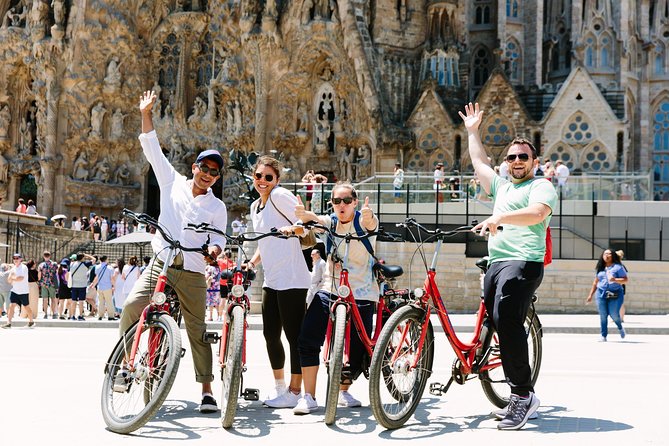
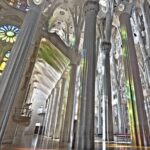
The big finish is the Basilica de la Sagrada Familia. You’ll have about 20 minutes for a talk plus viewing, and this is where the tour’s value really shows.
The highlight is that you get a pass that helps you skip long lines. That is huge in Barcelona, because waiting can swallow your day. Shorten the wait, and you can spend more time actually looking at the details that made people fall in love with this place.
One more practical reality: admission is not listed as included on the stop details, so treat the Sagrada Familia portion as a timed, guided experience with a line-cutting pass, but expect you might still need to handle any entrance-related piece depending on what your pass covers.
In your planning, assume you’ll want extra time if you care about interiors. The tour timing is tight by design, which is good for structure, but it is not meant to replace a dedicated Sagrada Familia visit.
Arc de Triomf and Mercat del Born: a smart ending that prevents fatigue
After the basilica stop, the ride cools down with two more context-rich locations.
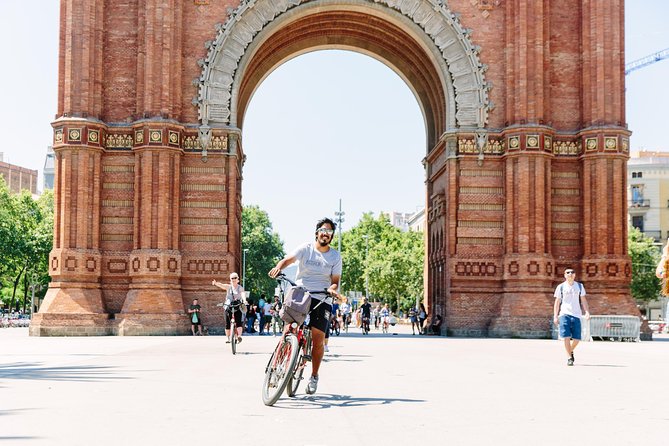
You visit Mercat del Born, with the option of entry noted, and then stop at Arc de Triomf, built for the 1888 Barcelona World Fair. These stops keep you moving without draining you, and they give you a sense of the city’s layers beyond Gaudí.
The Arc de Triomf stop is longer than the quick “look and listen” moments, and it is a good place to regroup visually. The Born market area can also help you shift from architecture mode into street-life mode.
Admission is free for these listed stops, and that is a nice bonus when you’re keeping the day’s costs under control.
Price and value: why $42.69 can make sense
At about $42.69 per person, you are paying for more than a bike rental. You get the live guide, the bike, optional helmet, and the Sagrada Familia skip-the-line pass, plus a route designed to connect the dots across Gaudí’s work.
Where this feels like good value is when you consider how much time you waste trying to assemble this yourself. You would need to figure out the route, manage traffic and parking, and still coordinate getting to Sagrada Familia without long waits.
The tour also keeps you from spending your whole day in one neighborhood. Even with shorter stops, you see a broad sweep of Gaudí’s influence plus some surrounding Modernista context.
Two costs to mentally budget: lunch at a local tapas restaurant is included in the tour plan, but you pay for it. Also, several major stops do not include admission, so if you want interiors, add a ticket or two later.
Who this tour suits best
This works best if you want a guided architecture sampler that includes context and flow. It’s a strong pick for first-time Gaudí visitors who want to see famous buildings, but also want the lesser-known pieces that make the story feel real.
It is also a good match if you like practical movement. You’re not sitting on a bus staring out a window, you’re cycling between stops, so the day feels active and efficient.
If you are the type who only cares about interiors, this may feel like you spend less time inside. The stop structure is built for exterior viewing plus short talks, so you’ll probably want to pair it with separate museum or building tickets afterward.
Should you book Barcelona: Wonders of Gaudi Bike Tour?
Yes, you should book it if your priority is seeing lots of Gaudí in one organized ride and arriving at the Sagrada Familia with less time lost. The small group size and the guide-led pacing are especially compelling.
I would hold off or plan extra tickets if you mainly want long interior visits at every stop. Also budget for lunch at the tapas stop and keep in mind that some buildings may require separate admission.
If you want a day that feels like architecture storytelling with real city movement, this tour is a very solid way to do it.
More Cycling Tours in Barcelona


More Tours in Barcelona


More Tour Reviews in Barcelona
Not for you? Here's more nearby things to do in Barcelona we have reviewed







More Barcelona Gaudi Tours worth opening.
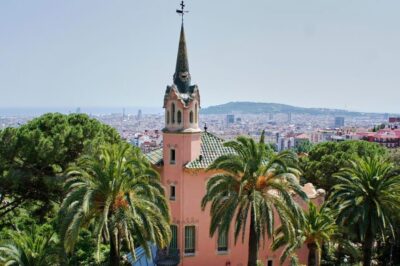 ★ 4.5Park Güell and Gaudí House Museum Entry TicketFrom $336,326 reviews
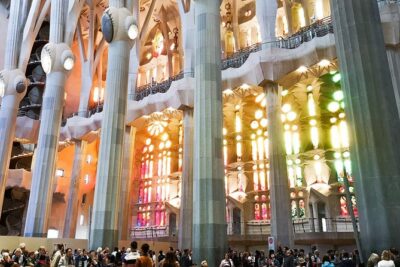 ★ 4.5Sagrada Familia & Gaudi Tour Private or Small Group with TicketsFrom $901,188 reviews
 ★ 5.0Complete Gaudi Tour: Casa Batllo, Park Guell & Sagrada FamiliaFrom $1621,152 reviews
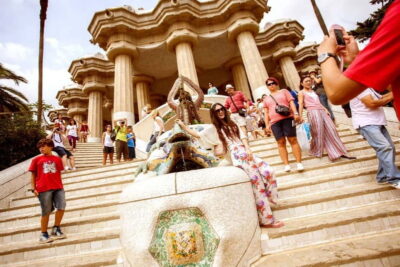 ★ 4.1Park Güell: Guided Tour with Optional Gaudí Experience EntryFrom $35832 reviews
 ★ 5.0Barcelona e-Bike Tour: Gaudí & Old Town Small GroupFrom $38769 reviews
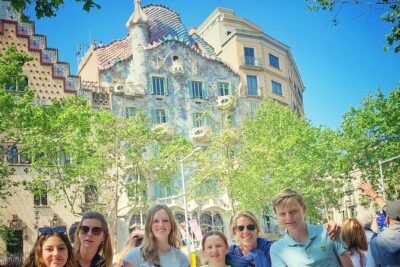 ★ 5.0Ramblas, Old Town, Gothic and Gaudi Architecture Walking TourFrom $35723 reviews
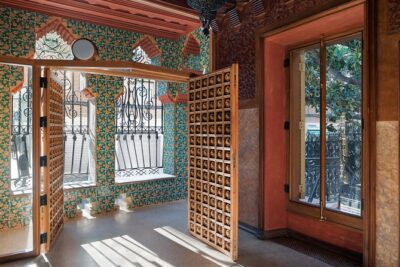 ★ 4.5Gaudi´s Casa Vicens Skip the Line Ticket with AudioguideFrom $26685 reviews
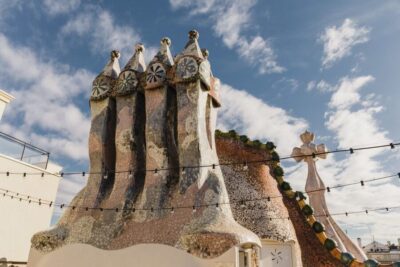 ★ 4.8Discover Gaudí, Sagrada Familia, and Park GüellFrom $158651 reviews
Continue by place or experience