
REVIEW · BARCELONA CITY TOURS
Explore hidden streets of Barcelona with a local
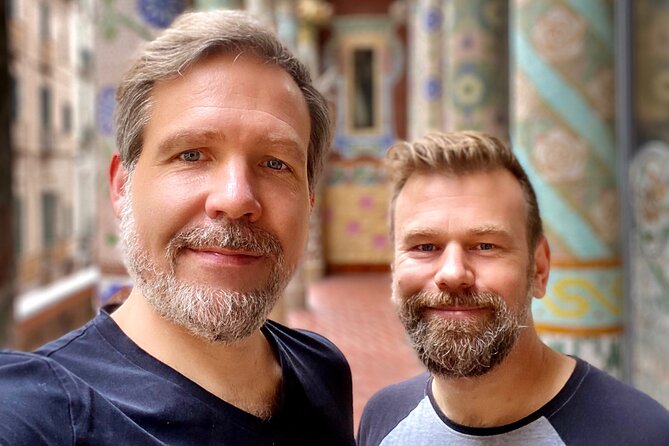
You could spend years in Barcelona and still miss streets like these. This 2.5-hour local walk threads El Born and the Gothic Quarter together with stories you will not pick up on your own. I especially love the way the guide explains what El Born actually means, then steers you through a maze of small lanes where big sights are quietly woven in. I also like the mix of “known names” and low-key squares that help you see the city with fresh eyes.
One thing to plan for: this is an intensive, mostly-on-foot tour with about 2.5 hours of walking, so it is better suited to adults than to small kids. If your group wants a slow, sit-down style outing, you might feel the pace.
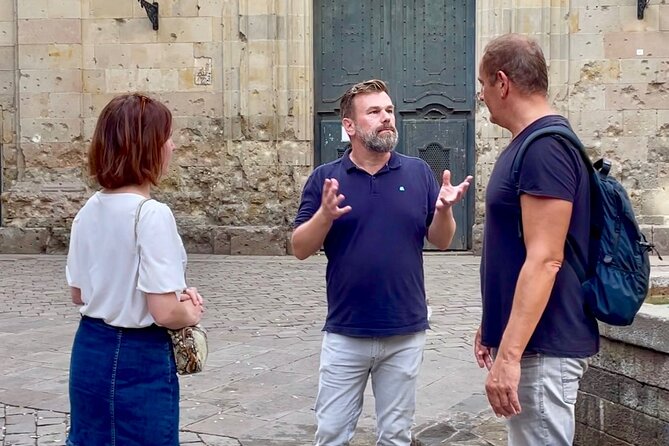
The good news is that you can choose how you experience it, with options for a private tour or a small group (maximum 15 overall), and the tour runs on multiple times so you can fit it in. The vibe is practical, story-driven, and rooted in the old center of town, with professional guides such as Christian or Stefan often mentioned by name.
Key highlights worth planning around
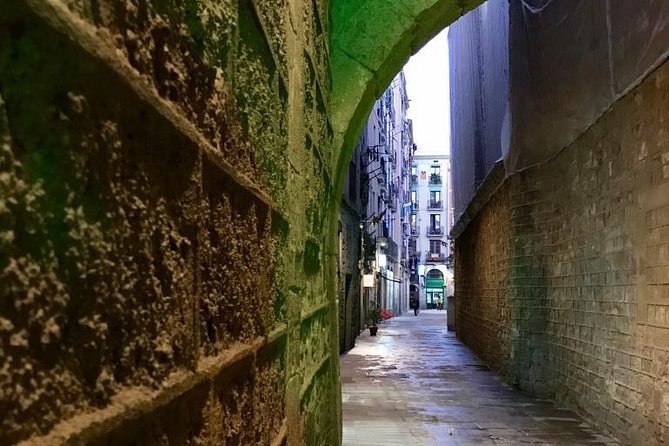
- El Born meaning plus street-level storytelling, including what you are walking past and why it matters
- A tight route through Barri Gòtic, with stops tied to Roman-era references and 2,000+ years of founding stories
- Palace of Catalan Music and Arc de Triomf included as landmark pauses, with clear notes on ticket expectations
- A small-group feel (private or a group of just six, with max 15), which helps you hear the guide and ask questions
- Picturesque endpoints, finishing at Plaça de Sant Felip Neri in the heart of the Gothic Quarter
Entering the old-city core through El Born and the Gothic Quarter
This tour works because it hits Barcelona’s layers in the right order. Instead of hopping randomly, you start in El Born, then flow into the Gothic Quarter where the walking itself feels like history. You get a route that stays in the center of things, so you can keep the rest of your day simple.
El Born is where you will spend the most time, about two hours. You do not just “pass by” the neighborhood. You get the background needed to understand what you are seeing, including a stop where the guide explains what El Born actually means. That single detail changes how you read the streets because you start noticing the neighborhood as more than a pretty postcard.
Then comes Barri Gòtic, where you are led through key squares with references to early Barcelona, including the idea that the city was founded here more than 2,000 years ago. If you like walking tours that make you feel oriented, this one is built for that.
You can also read our reviews of more tours and experiences in Barcelona.
Where you start and where you finish
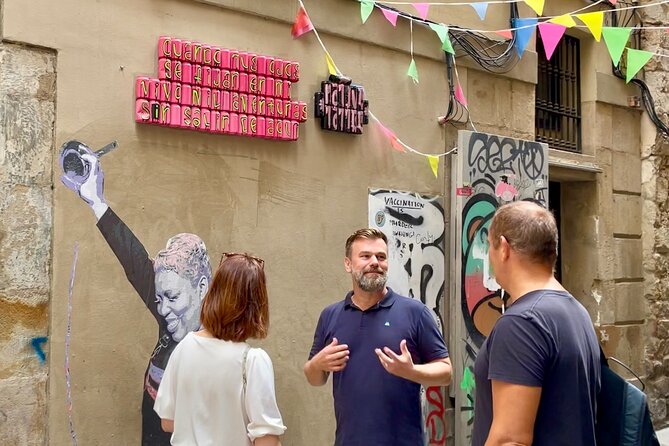
You meet at Hotel Ohla Barcelona, Via Laietana 49, in Ciutat Vella (near the old center). From there, you end in the Gothic Quarter at Plaça de Sant Felip Neri.
That start-to-finish layout is handy. You are not retracing your steps back to the same place, and you finish in a small square atmosphere where you can keep wandering on your own or switch to another plan. It also helps if you want an easy transition to dinner nearby afterward since you are already in the old-city core.
Also note the tour is offered in English, so you do not need to gamble on your language comfort.
El Born: medieval neighborhood time plus street meaning
El Born is the heart of the first stretch, and you will spend about 1 hour 40 minutes there. This is not just “see the sights.” It is “learn how to look at them” while you walk.
Expect the guide to build a mini story-map as you go. You’ll hear explanations tied to the neighborhood, including the meaning behind the name. You also walk a maze of little streets, and along the way you pass by the Picasso Museum area. The point is not a museum visit. The point is context while you are moving, so you notice the cultural geography of the area rather than only the biggest facades.
One practical perk here is that El Born gives you an easy rhythm. You get enough time in one neighborhood to stop repeating the same type of viewing. Instead, you go from broader neighborhood context to smaller, more local experiences like street connections and landmark pop-ins.
The only “consideration” is attention. This is an information-rich walk. If you tune out easily or you want a low-input stroll with lots of silent time, you might find it heavy.
Palace of Catalan Music: a major landmark pause with clear ticket expectations
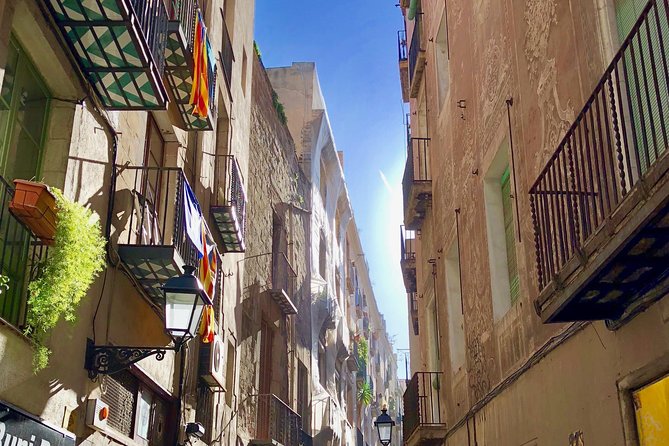
After El Born, the tour makes a stop at the Palace of Catalan Music. You will spend about 15 minutes there.
Here is the useful part for planning: admission for this stop is not included. That means if you were hoping to go inside, you will need to treat this as a viewing stop unless you separately arrange entry. The guide still uses it as an important anchor point, so it helps you connect the neighborhood walking to one of Barcelona’s recognizable landmarks.
For many people, this structure is exactly right. You get a taste without turning the tour into a ticket line day. If you do want to see more, you can decide after you have the bigger picture from the walk.
Arc de Triomf: Modernism history and legends in a short stop
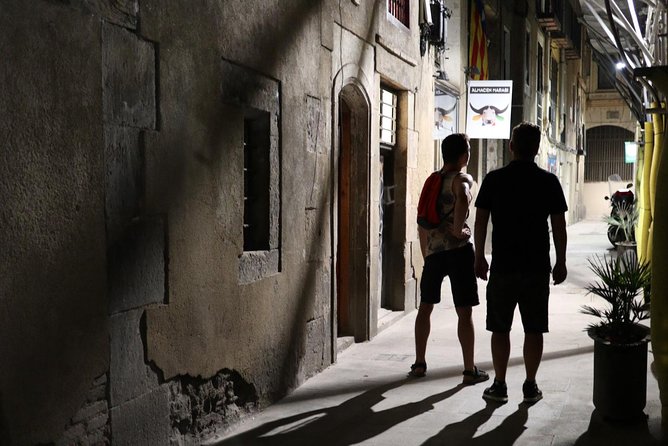
Next you hit Arc de Triomf, also about 15 minutes. This is described as a highlight of Modernism, with history and legends tied to it.
Even though the stop is brief, short can still be powerful when the guide tells the story in a way that makes the monument feel connected to the street-level route. You are not collecting random points on a map. You are learning what links one area to another.
Arc de Triomf is also a nice reset. After the smaller lanes of El Born, a monument-style pause gives your eyes a wider frame and lets you regroup before you move toward the market area.
Mercat del Born plus the historic post office stop
You then reach Mercat del Born, another 15-minute stop, described as a major historic sight. Like Arc de Triomf, it is a time-boxed landmark pause that fits well within a walking tour.
From there, you also come across Barcelona’s major post office, described as a magnificent building. This stop is a good reminder that city tours are not only about famous attractions. Sometimes the most rewarding moments are the buildings that show you how a place functions, even centuries later.
If you like architecture cues without needing long entry lines, these stops can feel like the best kind of “stop-and-read.” You get the vibe of the area, plus story context, without losing an entire hour.
Gothic Quarter stops: squares that connect you to founding-era stories
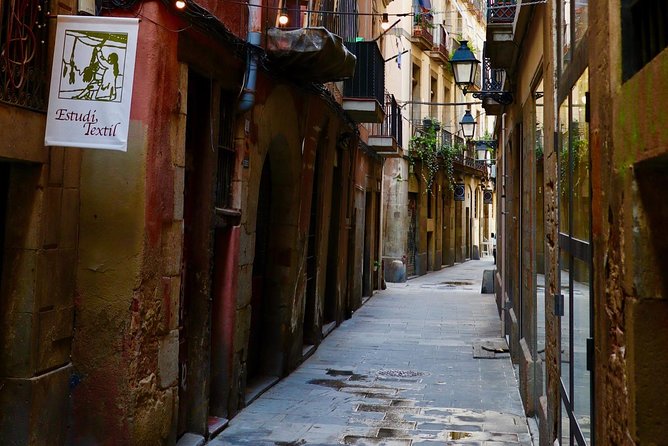
Once you transition into Barri Gòtic, the tone shifts to older founding references and early layers of the city.
You’ll spend about 1 hour 20 minutes in the Gothic Quarter. The tour framework leans hard into “why this is here” thinking, including the idea that Barcelona was founded more than 2,000 years ago in this part of town. The guide builds your understanding as you go, so the streets stop feeling like a maze and start feeling like a story you can follow.
The route includes several squares, each with a different time reference:
- Plaça de Sant Just, about 15 minutes, tied to Roman times
- Plaça de Sant Jaume, about 10 minutes, described as the heart of Roman Barcelona and linked to why Barcelona was founded here
- Plaça Sant Felip Neri, about 10 minutes, where the tour ends, described as a small square full of history and atmosphere
These square stops are not filler. Squares work well in a walking tour because they give you a mental pause. You can hear the explanation, orient yourself, and then keep moving with better context.
Plaça de Sant Jaume and Plaça de Sant Just: the Roman map clicks
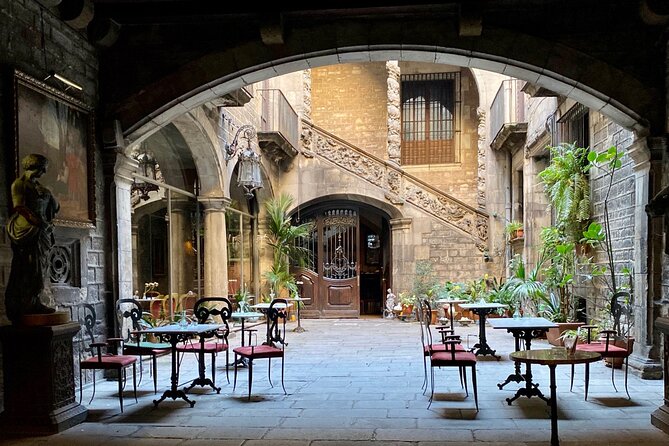
Two of the tour’s most useful moments are the Roman-linked squares. If you have ever felt overwhelmed trying to “figure out” old cities, this is where you get help.
At Plaça de Sant Jaume, the guide explains why the city was founded there, framing it as the heart of Roman Barcelona. Then Plaça de Sant Just brings you another Roman time reference. The effect is cumulative, and you start to see how Barcelona’s old layout influenced what came next.
This is also where the guide style tends to matter. In the reviews, people repeatedly highlight engaging storytelling and the kind of details that make a city feel personal. If you enjoy hearing reasons behind place names and layouts, these are your high-impact stops.
Finishing at Plaça de Sant Felip Neri: a calm landing spot
The tour closes at Plaça Sant Felip Neri in the Gothic Quarter. It is about 10 minutes for the final stop.
Ending in a small square makes sense for a walking tour because you do not leave straight into another chaotic street. You land, you get one last chunk of context, and then you can decide what to do next: keep wandering, grab food, or just take in the area at your own pace.
It is also a nice payoff after a route that includes both big landmarks and smaller, story-heavy streets. This final stop helps you feel like you finished with the neighborhood, not just moved through it.
What makes the guides stand out in real terms
This experience is led by a professional guide, and multiple people mention particular guides by name, including Christian and Stefan. That matters because it signals a consistent approach: clear explanations, good pacing, and stories that connect the sights rather than listing them.
The reviews also point to a very specific style: the guide often shares tips that are not limited to the tour itself. That can be practical stuff like what to prioritize later, how to think about your route, or ways to experience the old city without getting stuck in the obvious flow.
One more real-world point: the tour is maxed out at 15 travelers, and there is also a small-group option with just six. Smaller groups usually mean you can hear better, keep up more easily, and feel like the tour is responsive instead of mechanical.
If you are the type who likes asking questions, this size range is a sweet spot.
Price and value: what you really get for $55.51
The price is $55.51 per person for about 2 hours 30 minutes. If you do the simple math, that is roughly $22 per hour for guided time.
Now here is what makes that number feel fair: the tour includes a professional guide, and it covers two major historic areas with multiple landmark pauses. Also, many of the stops are admission ticket free, which keeps you from paying for lots of extras just to participate.
There is one clear exception: the Palace of Catalan Music stop lists admission as not included. That is not a “gotcha.” It is a signal to manage expectations. You will see it as part of the route, and if you want to go further inside, you would handle that separately.
Food and drinks are not included, so you should plan a meal before or after. But you do get a guided arc that can save you the time of researching dozens of street-level details yourself.
One more value angle: this tour is typically booked about 60 days in advance. That tells you it is in demand, and you should lock your preferred time sooner rather than later.
Practical tips for a smoother walk
This is an active walking experience, with about 2.5 hours of walking involved and a “moderate physical fitness level” recommendation. That does not mean you need to be an athlete, but it does mean you should treat it like walking, not sightseeing from a seat.
I suggest:
- Wear comfortable shoes you trust in old-city streets
- Bring water, since the tour does not include food or drinks
- Plan your day around the fact that you will be moving continuously and listening for details
If you are arriving by public transportation, the tour is described as being near transit, which helps. You also can present an electronic voucher or a paper voucher.
And yes, service animals are allowed, which is good to know for planning.
Should you book this hidden-streets Barcelona walk?
Book it if you want a smart first (or refresher) look at Barcelona’s old center through El Born and the Gothic Quarter. The strongest reason to go is the structure: street-level walking plus story context, with guides who share details that help you understand what you are seeing. If you like hearing about meanings behind place names and how areas connect over time, you will likely love it.
Skip it or think twice if your group wants a slow, relaxed tour with minimal talking. This one is information-heavy, and even feedback notes it is more aimed at adults than small children.
If you are planning your schedule, the practical bonus is that it ends in the Gothic Quarter and leaves you ready to keep exploring without backtracking.
FAQ
How long is the tour?
It is about 2 hours 30 minutes.
What is the price per person?
The price is $55.51 per person.
Is the tour offered in English?
Yes, it is offered in English.
Where does the tour start and end?
It starts at Hotel Ohla Barcelona, Via Laietana 49, Ciutat Vella, 08003 Barcelona, and ends at Plaça de Sant Felip Neri, Ciutat Vella, 08002 Barcelona.
How many people are in the group?
The maximum group size is 15. There is also an option for a private tour or a small group of just six people.
Does the tour include tickets for all sights?
Some stops are free, while the Palace of Catalan Music is noted as admission ticket not included.
Is food and drinks included?
No, food and drinks are not included.
How much walking is involved?
You should expect about 2.5 hours of walking.
Are service animals allowed?
Yes, service animals are allowed.
What is the cancellation policy?
You can cancel for a full refund up to 24 hours before the experience’s start time. If you cancel less than 24 hours before, you will not receive a refund. The tour may also be canceled if a minimum number of travelers is not met, with an offer of another date or a full refund.
More Tour Reviews in Barcelona
Not for you? Here's more nearby things to do in Barcelona we have reviewed








More Barcelona City Tours worth opening.
 ★ 4.4Park Güell Admission TicketFrom $2576,534 reviews
 ★ 4.7Casa Batlló Entry with Self-Audioguide TourFrom $3425,359 reviews
 ★ 4.424 or 48-Hour Hop-On Hop-Off Bus TourFrom $3920,872 reviews
 ★ 4.7Park Guell Guided Tour with Skip The Line EntryFrom $3117,563 reviews
 ★ 5.0Barcelona in 1 Day: Sagrada Familia, Park Guell,Old Town & PickupFrom $12013,541 reviews
 ★ 4.3Barcelona Aquarium: Entry TicketFrom $3113,335 reviews
 ★ 4.8Sagrada Familia Skip-the-Line Entry Ticket & TourFrom $6712,789 reviews
 ★ 4.4FC Barcelona Museum “Barça Immersive Tour” TicketFrom $3510,944 reviews