

REVIEW · BARCELONA CITY TOURS
Barcelona 1.5h Private Old Town, Gothic & Ramblas Walking Tour
One of the quickest ways to get oriented is this 2-hour old town loop. You’ll bounce from the Gothic Quarter maze to Gaudí-style modernism along Passeig de Gràcia, with a local guide keeping the stops organized and your questions welcome. I especially like how the tour squeezes in major sights without turning into a ticket-scramble, and I love the photo-friendly timing at each contrast spot. The one catch is you mostly see landmarks from the outside, so if you want interiors, plan separate entry tickets.
This is a walking tour, so comfort matters. Bring good shoes and water, and pick a morning or evening slot if you’re visiting in peak heat. If you hate city walking or you want museums and churches inside, this may feel a bit too stop-and-stare.
Key highlights worth planning for
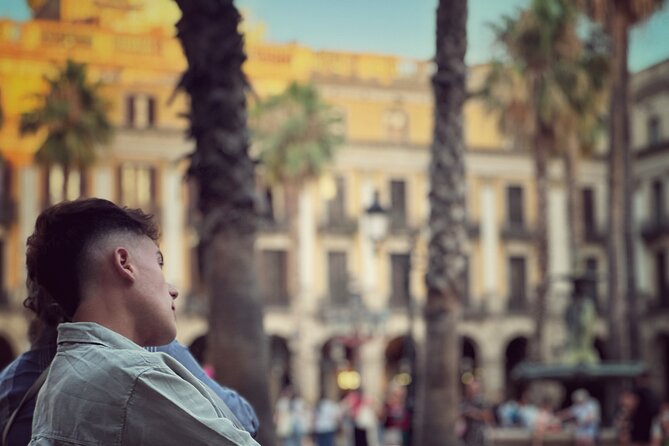
- Gothic Quarter routing that avoids getting lost in medieval lanes, courtyards, and small squares
- Ramblas and key squares as short, high-impact moments rather than long detours
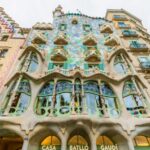
- Gaudí exteriors on a tight schedule focusing on design ideas at Casa Batlló and Casa Mila
- Passeig de Gràcia “Modernist Avenue” time so you can actually spot details like tiles, lampposts, and façade work
- English private guiding with a small max group (15 travelers) plus optional radio headset for clarity
Why this 2.25-hour Barcelona route works so well
Barcelona can feel like two different cities at once: medieval streets in one direction, and design swagger in the other. This tour is built to connect those worlds in a short span. You get the story arc, not just a checklist, so even brief stops feel meaningful.
The rhythm is also smart for real travel days. You’ll spend enough time in the Gothic Quarter to get a sense of how the old city grew, then transition into the big-name streets and architecture that you’ll want to remember. It’s also designed so you can ask questions without the tour steamrolling ahead.
Finally, the ending location is practical. You finish near Casa Batlló and Casa Mila, so you’re not stuck on the far side of town when you still want to explore.
You can also read our reviews of more walking tours in Barcelona



Price and value: what $83.48 buys you in Barcelona
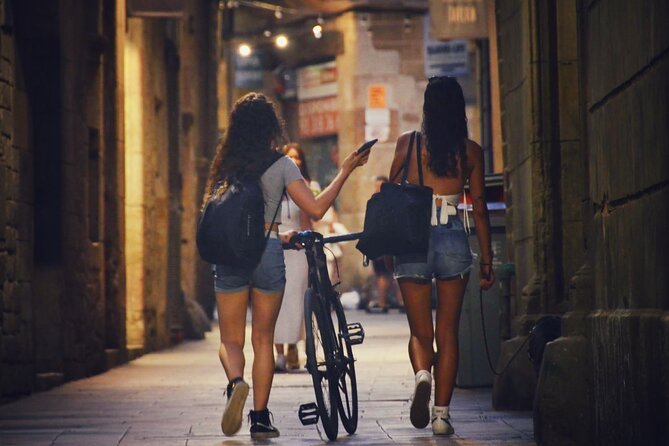
At $83.48 per person for about 2 hours and 15 minutes, this isn’t a bargain price. But it also isn’t trying to compete with free sightseeing. You’re paying for a local English guide to translate the visual chaos of the old streets into something you can actually understand and enjoy.
You also get value in two practical ways.
First, the tour includes a short metro ride. That helps you save energy and time versus doing everything on foot. Second, the guide helps you cover major landmarks efficiently, which matters a lot if your Barcelona stay is short.
One more value point that’s easy to miss: the tour includes Zoo, Aquarium, or Flamenco show tickets. You’re not required to use them, but it can help you round out the rest of your day without hunting for add-ons.
Meeting at Plaça de Catalunya, then using the metro like a pro
You start at Foot Locker on Plaça de Catalunya (Plaça de Catalunya, 20, Ciutat Vella). This is a good meeting area because it’s central and easy to reach using public transport. You also end in the Eixample area, near Carrer del Consell de Cent (310), close to Casa Batlló and Casa Mila.
The tour includes a short metro ride. Barcelona’s metro is efficient and straightforward, and this is the kind of quick transition that keeps a short tour from feeling like one long slog. If you’re a first-timer, it’s also a nice confidence boost because you’re not guessing your way around alone.
The Gothic Quarter: Roman, medieval, and the art of slow-looking
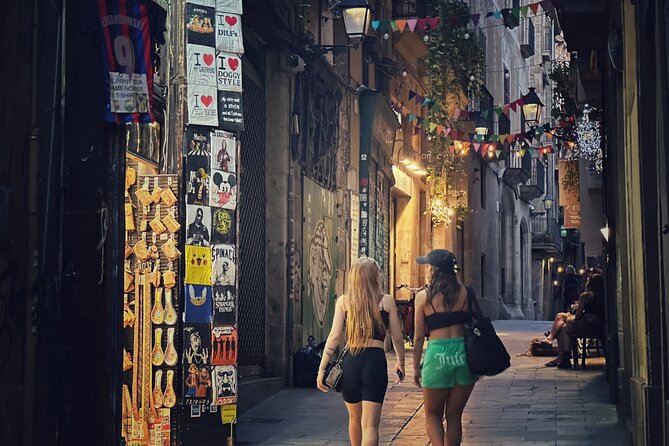
The first big block of time is in the Gothic Quarter, the oldest part of the city. You’ll move through tight streets and small passageways, then pause for views of courtyards, squares, and alleyways that you might otherwise walk right past. Expect a mix of Roman ruins and medieval churches, plus plenty of chances to take photos.
What makes this segment work is the focus on context. Instead of just naming places, the guide helps you understand why this part of Barcelona looks the way it does, and how layers of time show up in the street layout. That makes the area feel less like a maze and more like a story you can follow.
A practical note: this portion is the most “walking-dense.” Good shoes matter here more than anywhere else on the tour. Also, you’ll want your phone camera ready, because the small architectural textures and street angles can be surprisingly photogenic.
Las Ramblas in five minutes: how to enjoy it without getting stuck in it
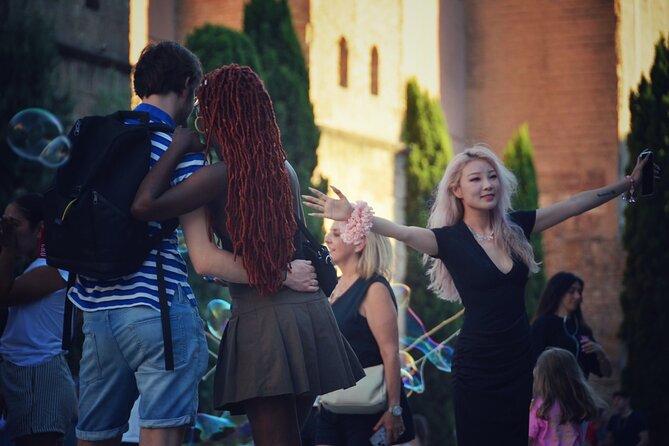
Next you hit Las Ramblas, the street most people picture when they hear Barcelona. The stop is brief, which is exactly right if you’ve got limited time. You’ll see markets, bars, and restaurants, and you’ll hear the history behind why it became the famous promenade it is today.
The benefit of a short stop is that you get the “I get it now” feeling without spending an entire afternoon in crowds. It also helps you transition out of the busiest street energy and back into calmer backstreets and squares.
If you’re sensitive to crowds, this is a smart compromise. You experience the idea of Ramblas, then keep moving.
You can also read our reviews of more private tours in Barcelona





Catedral de Barcelona from the outside: impressive, but plan accordingly
You’ll also stop at the Catedral de Barcelona area. This is one of those moments where just seeing the cathedral’s medieval Gothic style exterior at street level can stop you for a second. You’ll hear about a hidden secret tied to the cathedral, too.
But there’s an important limitation: there is no entry into historic buildings or churches on this tour. That means your cathedral experience is observational, not inside-the-building sightseeing.
So, who should care? If you want to walk through chapels, climb, or spend time inside, you’ll need separate tickets. If you mostly want the architectural impact and the story behind it, outside viewing is plenty.
Placa Sant Felip Neri and Placa Reial: two squares that change the mood
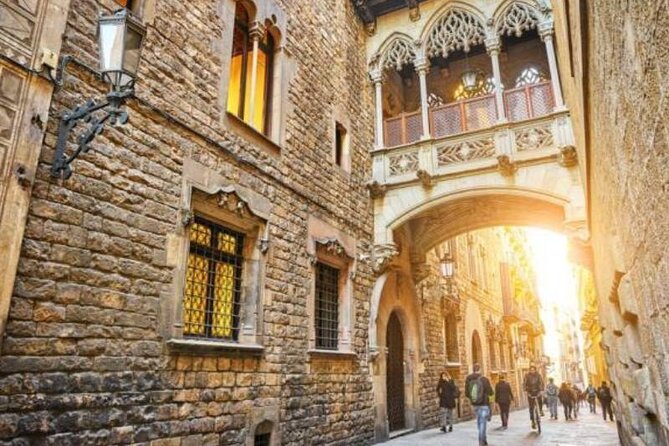
After the cathedral stop, you’ll visit Placa Sant Felip Neri, a quieter square tucked into the Old Town. These are the kind of places where you can look up, notice street walls and shadows, and reset your brain after narrow lanes.
Then you’ll move to Placa Reial, a much more open, lively arcade-lined square with restaurants, palm trees, and night-life energy. Even if you’re visiting in daytime, the square gives you a sense of where people gather and why this area feels like the Old Town’s social heartbeat.
Together, these stops show two sides of old Barcelona: reflective and intimate in one moment, lively and theatrical in the next. That contrast is one of the reasons the tour feels satisfying instead of repetitive.
Casa Batlló and La Pedrera (Casa Mila) from the street: Gaudí ideas without ticket hassle
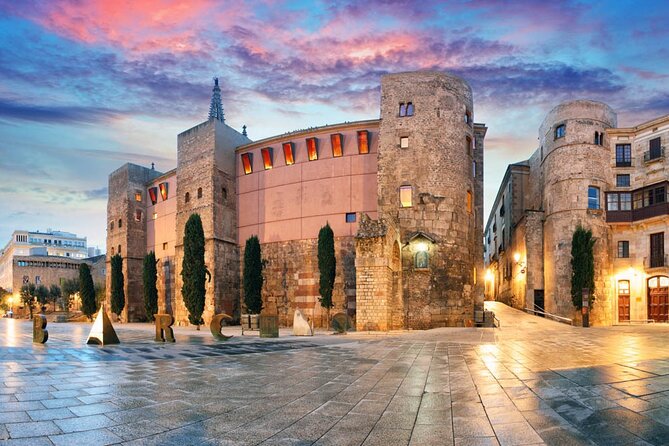
The tour includes two major Gaudí sights, but you won’t be doing timed entry or paying for interior access. You’ll spend time outside at Casa Batlló and La Pedrera (Casa Mila), and the guide will connect the architectural choices to Gaudí’s design inspirations.
Casa Batlló gets extra attention because it’s so iconic, and you’ll hear why locals sometimes refer to it with playful nicknames like House of Bones or House of Dragons. The fun part of this approach is that it turns what looks like wild imagination into something you can actually interpret while you’re standing in front of the building.
At La Pedrera, the guide frames Gaudí’s biggest private commission for the Mila family, and shares how the building’s shapes and feel may have influenced a major Hollywood filmmaker. Again, you’re getting story and design context, not a museum tour.
This is ideal if you want to keep moving and still see the big names. It’s not ideal if you planned your day around doing interiors. If interior tickets are your priority, treat this tour as a “Gaudí preview,” then book separate visits on another day.
Passeig de Gràcia: the “Fifth Avenue” feeling, minus the guesswork
The second half centers on Passeig de Gràcia, often described as Barcelona’s most fashionable avenue. You’ll spend a longer stretch here, around 45 minutes, which gives you time to actually notice details rather than just sprint by façades.
What you’ll learn to spot includes modernist Art Nouveau styling across houses and even the street elements like lampposts and tiled features connected with Gaudí. When someone points out what to look for, Passeig de Gràcia stops being a shopping street and starts acting like an open-air design gallery.
You’ll also stop by Casa Amatller, a standout modernist house by Puig i Cadafalch next to Casa Batlló. Even with a short stop, it helps you compare how different architects expressed modernism in neighboring buildings.
If you’re planning to shop or stroll afterward, this is the best segment for it. You’ll finish the tour with your eyes trained, so you’ll enjoy the street even if you’re not buying anything.
How the guiding style shapes the experience (and why it matters)
A walking tour lives or dies by the guide. This one tends to deliver high energy and clear explanations, and that shows up in two ways you’ll feel right away: your group stays together, and the stops become stories instead of static landmarks.
The tour also uses a radio headset system so you can hear the guide more clearly. The headset is rented through an external provider for about 1€ per person at the start. If you’re far back in a group or you’re visiting on a busy street, this small detail can make a big difference to your comfort level.
In some departures, guides also use visual aids on a tablet to keep things engaging. That can be helpful if you’re traveling with kids or anyone who learns better with visuals than with straight lecturing.
Even the pace is set up for questions. Since stops are short and structured, you’re not stuck waiting for the end of the tour to ask what you’re curious about.
What to bring and how to plan your day around the walking pace
Most travelers can participate, but you should still plan like it’s a real walking day. You’ll move through narrow Old Town streets, then shift into longer street stretches on Passeig de Gràcia.
Do this:
- Wear comfortable walking shoes with decent grip
- Bring water, especially in summer
- Use sunscreen and sunglasses if you burn easily
- Have your camera ready for quick photo windows at each stop
If it’s hot, choose an evening or late afternoon departure when you can. Barcelona heat can make “short walks” feel longer, and the tour schedule is offered morning, afternoon, or evening so you can match the weather.
Who this tour suits best, and who should choose something else
I think this tour is best for three types of travelers.
1) First-timers who want a fast orientation and a guided “now I see it” moment at major sights.
2) People who like architecture and design, especially Gaudí, and want street-level interpretation without committing to multiple timed entries.
3) Travelers who want a small-group feel with an English-speaking local guide, plus a metro jump that keeps things efficient.
It may be less ideal if you:
- want to pay once and enter churches and buildings during the tour
- dislike walking long enough to justify good shoes
- are determined to spend a lot of time inside Casa Batlló, La Pedrera, or the cathedral itself
In other words, it’s a highlights-and-context walk, not an all-access ticket day.
Should you book? My practical take
If your Barcelona plan is short, and you want to see the Gothic Quarter, Ramblas area, and the big Gaudí names in one organized sweep, I’d book this. The price is fair for a private-style guiding experience, and the route is efficient. You’ll also finish near the places you’ll probably want to revisit on your own.
Book it especially if you want:
- a guided route that reduces the risk of getting lost
- photo stops and architectural storytelling in a tight time window
- an easy way to connect Old Town and modernist Barcelona
Skip or add interior ticket plans if:
- entering buildings is your top priority
- you want more time in any one place than a short exterior stop allows
FAQ
How long is the Barcelona Gothic Quarter, Ramblas, and Gaudí walking tour?
The tour runs about 2 hours and 15 minutes.
What is the price per person?
The price is $83.48 per person.
Is the tour in English?
Yes, the tour is offered in English.
Does the tour include tickets to churches or historic building interiors?
No. The tour does not include entry into historic buildings or churches.
Are any stops admission free?
Some stops are listed as free, including Las Ramblas, Placa Sant Felip Neri, and Placa Reial.
Does the tour use a headset?
The tour typically uses a radio headset system for clearer audio. The headset can be rented at the start of the tour for about 1€ per person through an external provider.
Is there metro travel during the tour?
Yes, the tour includes a short metro ride.
How big is the group?
The tour has a maximum of 15 travelers.
Where do I meet and where does the tour end?
You meet at Foot Locker, Plaça de Catalunya, 20, Ciutat Vella. You finish at Carrer del Consell de Cent, 310, Eixample, near Casa Batlló and Casa Mila.
What if the weather is bad?
The tour requires good weather. If it’s canceled due to poor weather, you’ll be offered a different date or a full refund.
More Walking Tours in Barcelona


More Tours in Barcelona




More Tour Reviews in Barcelona

Not for you? Here's more nearby things to do in Barcelona we have reviewed
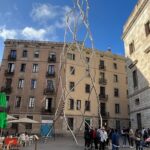








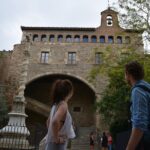

More Barcelona City Tours worth opening.
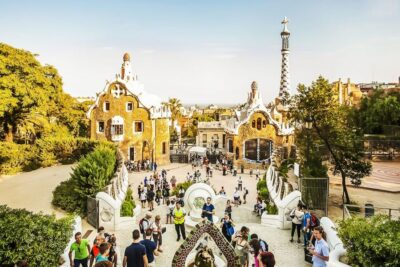 ★ 4.4Park Güell Admission TicketFrom $2576,534 reviews
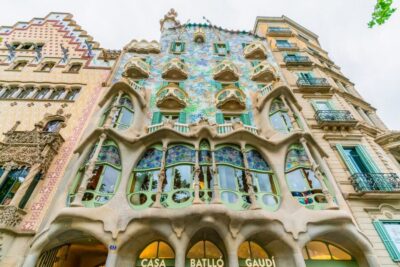 ★ 4.7Casa Batlló Entry with Self-Audioguide TourFrom $3425,359 reviews
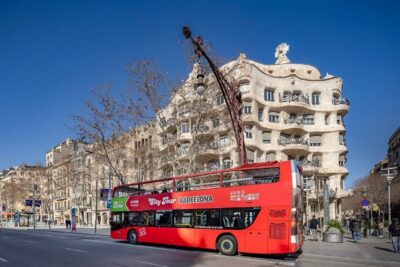 ★ 4.424 or 48-Hour Hop-On Hop-Off Bus TourFrom $3920,872 reviews
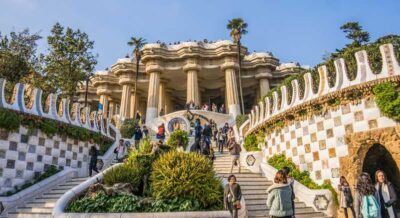 ★ 4.7Park Guell Guided Tour with Skip The Line EntryFrom $3117,563 reviews
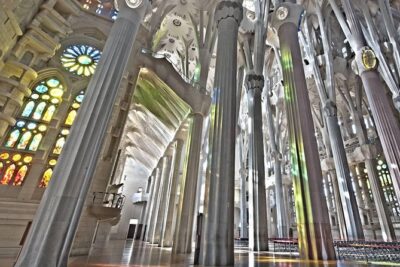 ★ 5.0Barcelona in 1 Day: Sagrada Familia, Park Guell,Old Town & PickupFrom $12013,541 reviews
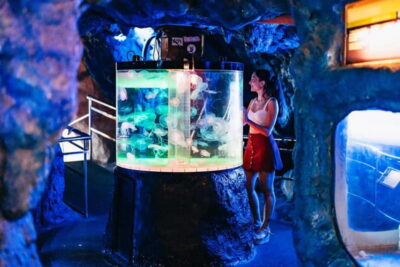 ★ 4.3Barcelona Aquarium: Entry TicketFrom $3113,335 reviews
 ★ 4.8Sagrada Familia Skip-the-Line Entry Ticket & TourFrom $6712,789 reviews
 ★ 4.4FC Barcelona Museum “Barça Immersive Tour” TicketFrom $3510,944 reviews
Continue by place or experience