
REVIEW · BARCELONA CITY TOURS
Barcelona Urban Planning Tour – Towards a Sustainable Smart City
Barcelona’s streets have a plan, not a guess. This Barcelona Urban Planning Tour turns everyday corners into real examples of a smarter, more sustainable city, from historic pressure points to today’s design rules for people on foot. I love how the expert guide keeps the story practical, and I love how the route focuses on design choices you can actually see and feel as you walk.
You’ll get clear moments of “oh, that’s why they changed it.” I especially liked the way the tour uses the superblock idea in Sant Antoni and the car-lighting strategy along Eixample’s Consell de Cent axis, so it’s not just theory. You come away with a better way to read the city, even if you’re not an urban planning nerd.
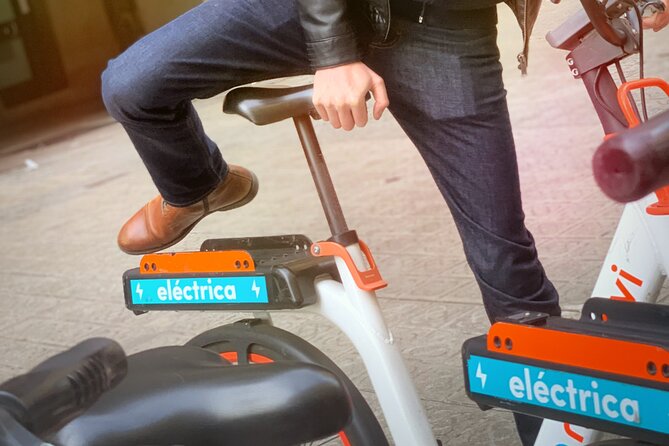
One consideration: the tour price covers the guide, but bicycle use is not included. If you want an eBike, you’ll rent and pay for it separately through the RideMovie application, so plan for a little extra cost if that’s your style.
Key things to know before you go
- Smart-city focus, not museum stops, with real street examples you can observe on the walk
- Four timed neighborhood stops that move from old town to modern innovation in about 2 to 4 hours
- Sant Antoni superblocks and Eixample’s traffic-reduced axis are the two big concepts you’ll keep seeing
- 22@ district (Glories area) shows how an industrial past can become a startup and innovation zone
- eBike is optional, not included, and handled via RideMovie if you choose to use one
- Private group experience, offered only for your group, in English
Why this Barcelona urban planning tour is worth your time
Barcelona changes fast, but most visitors watch it as a backdrop. This tour makes you slow down and notice the decisions behind the streets, the blocks, and the way neighborhoods move people through them.
The big value is perspective. You’ll spend a few hours connecting the dots between older urban patterns and newer sustainability goals, and then you’ll know what to look for later when you’re wandering on your own. This is the kind of tour where the city feels more “readable” afterward.
You can also read our reviews of more city tours in Barcelona



Where you start, where you finish, and how to picture the route
The tour meets at El Gato de Botero, Rambla del Raval, s/n, in Ciutat Vella, and it ends at El Parc i la Llacuna del Poblenou in Sant Martí. That start and finish location matter because they help you shape the rest of your day, especially if you plan to eat after.
The walking time is built around four stops, roughly:
- Rambla del Raval (about 20 minutes)
- Sant Antoni (about 15 minutes)
- Eixample along Consell de Cent (about 30 minutes)
- Glories area and 22@ (about 30 minutes)
Expect a pace that stays comfortable for most people. It’s also listed as near public transportation, so you can adjust if you’re tired and need a quick way back.
Stop 1: Rambla del Raval, the old-town layer of the city
Rambla del Raval is where the tour starts by grounding you in the historic situation of the old town. This is a smart warm-up, because it reminds you that today’s city patterns did not appear out of thin air.
In practical terms, I like this opening because it sets up the rest of the route. When you later hear about traffic reduction and redesigned blocks, you’ll understand why those interventions were needed and where the city has been under pressure before.
A possible drawback here is that this stop is short, about 20 minutes. If you’re hoping for a long, deeply detailed architectural walk, you might want to pair this with additional sightseeing later in the Gothic Quarter or Raval area on your own.
Stop 2: Sant Antoni and the superblock idea you can spot
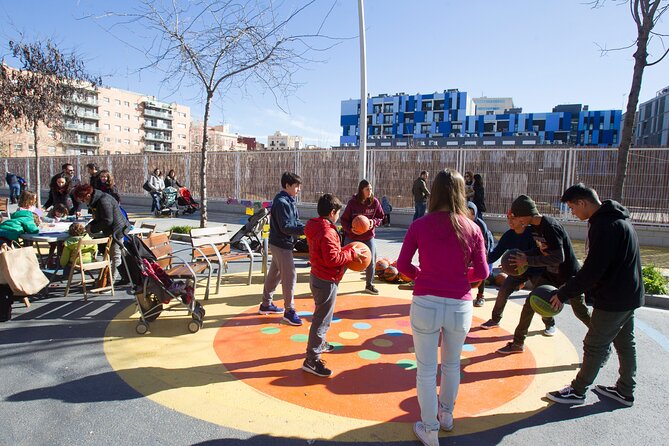
Sant Antoni is the place where the tour leans into one of Barcelona’s most discussed smart-city concepts: the superblock. You’ll spend about 15 minutes on this stop, but it’s enough time to grasp the logic and then carry it with you to what comes next.
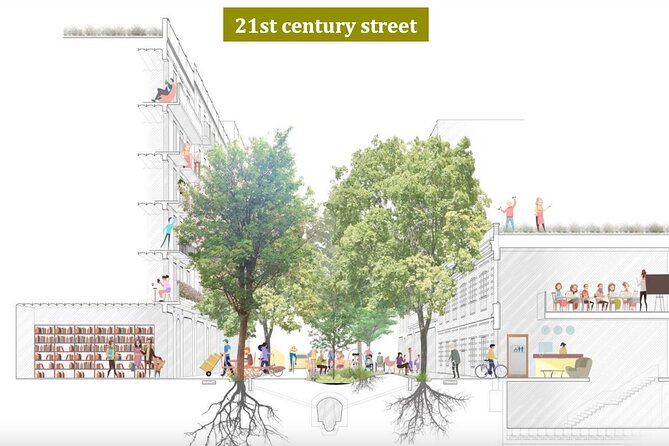
What makes the superblock concept useful for visitors is that it explains behavior. You start seeing how the city can reclaim space for people by changing how traffic flows and how intersections and blocks are treated. Instead of viewing the street as just a path for cars, you begin seeing it as a tool for public life.
From a value standpoint, I like that this concept is delivered early enough that it becomes a lens for later stops. Even if you only catch the main idea here, you’ll spot similar thinking when you’re in Eixample and when you look toward the innovation district.
Stop 3: Eixample, Consell de Cent and the traffic-reduced axis
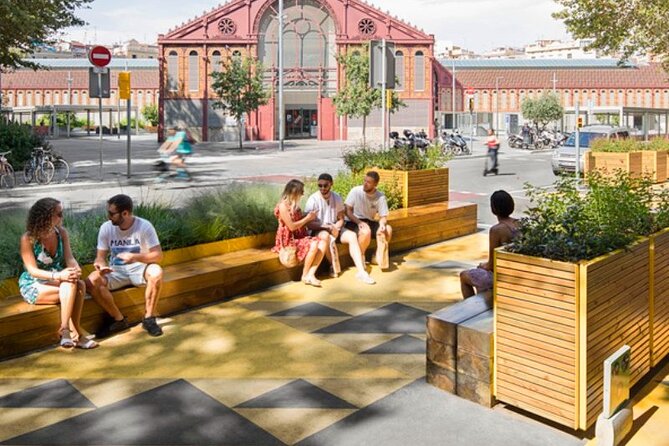
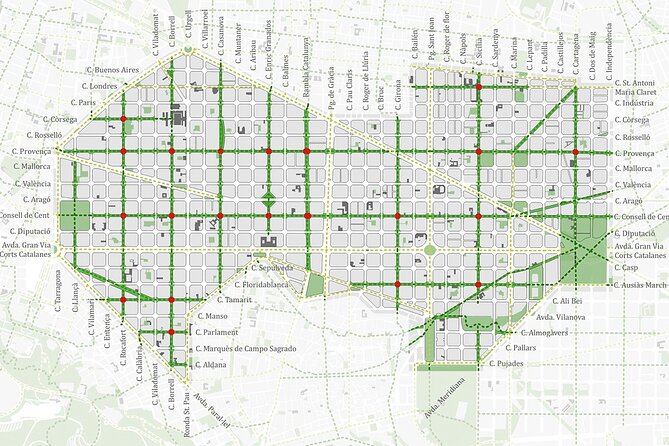
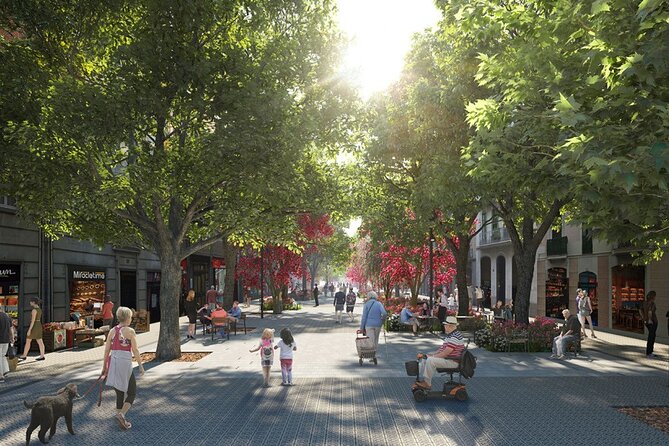
Then you move into Eixample, centered on Consell de Cent, with a focus on the newly traffic reduced, free axis that runs through Barcelona. This is where the tour gets very “street-level,” because you can connect the concept to what you see at crossings, curb edges, and how space gets used.
The tour gives you a chance to understand how redesign can change daily experience. When traffic is reduced in certain corridors, the street often becomes more usable for walking, social life, and smoother navigation for people on foot. It’s a design choice that impacts real routines, not just a map.
This stop is about 30 minutes, which is a good chunk compared with the earlier segment. If you like walking and watching how people actually use space, this is likely to be one of your highlights.




Stop 4: Glories and 22@, the shift from industry to innovation
The final stop takes you to Glories and the 22@ district, the former industrial area that has become an innovation district. In other words, you’re seeing another side of sustainability: not only how streets operate today, but how cities repurpose space for new kinds of work and communities.
This stop is about 30 minutes. I like that time window because it’s long enough to explain the “before and after” shift without turning it into a textbook. You’ll leave understanding why a city would protect the future by transforming underused areas instead of only expanding outward.
If you’re traveling with friends who love tech or start-up culture, this is where you’ll have something to talk about after the tour ends. It’s not all about trees and benches. It’s also about planning for what neighborhoods become.
The guide experience, and why names matter
This is led by an expert guide, and the tour is offered in English. In past groups, names like Onno and Yannis have come up in reviews, which is a nice sign that the experience can feel personal and well run.
What I’d watch for is how the guide ties each stop together. The best part of this tour is not memorizing facts, it’s building a mental model: history influences form, design influences movement, and movement influences daily life. When the guide makes those links clearly, the walk feels worth every minute.
Also, because it’s a private tour/activity, it’s only your group. That often helps questions land naturally, instead of getting lost in a crowd.
Price and value: what $210.28 buys you
At $210.28 per person, this is not a bargain-basement city walk. But it’s priced like a focused, guided experience with a clear theme, and that theme is exactly what you’re paying for.
You’re getting:
- an expert guide
- a structured route across distinct urban planning “stories”
- a mobile ticket
- group discounts (when applicable)
The part that can change your total cost is the bike. Bicycle use is not included, and if you rent an eBike, you’ll pay separately via RideMovie. So your real value depends on how you like to travel. If you’re happy walking, the quoted price may feel fair for the time and the quality of explanation.
Another plus is timing. The tour is booked on average 81 days in advance, which is usually a sign that people want the experience enough to plan ahead. If you’re traveling in a busy season, booking earlier helps you lock in the time window you want.
Walking vs eBike: how to choose without regrets
Since bicycles are not included, you’re deciding whether to rent an eBike yourself. That’s not a deal breaker, and for many people, it’s actually a benefit. You can walk the route if you want a slower pace for questions and photos.
If you do want an eBike, use RideMovie, as that’s the stated app method for rental and payment. This means you should be ready with whatever the app needs on your phone, like an active account or payment method.
A small but practical thought: the tour is still described as 2 to 4 hours. Whether you walk or use an eBike, you’ll want comfortable clothing. Urban design walking tours are where your feet do the research.
What to look for during the stops (so the tour sticks)
If you want this tour to change how you see Barcelona, don’t just listen. Look for patterns that support the concepts you’re learning.
Here are a few things you can watch for as you move between stops:
- Space allocation: where the city gives people room, and where it prioritizes through movement
- Traffic rhythm: how vehicle access changes by corridor or block type
- Street usability: whether the street feels built for crossing and lingering, not just passing through
- Neighborhood identity: how old-town logic differs from newer planning zones like the 22@ area
- Consistency: whether the same planning idea shows up again in the next district
This is how you turn a short tour into long-term city awareness.
Who this tour is best for
This is a great fit if you like:
- understanding how cities work in real life
- smart-city themes that connect policy to sidewalks
- neighborhood contrast, from old town to newer districts
- walking tours with an explanation-heavy guide
It’s less ideal if you want a pure highlight tour of famous monuments with minimal talk. This experience is designed around urban planning, so you’ll want to be curious about how Barcelona intends to function better.
Should you book this Barcelona sustainable smart city tour?
I’d book this tour if you want a structured, English-guided way to understand why Barcelona looks the way it does and where it’s headed next. The superblock concept in Sant Antoni, the traffic-reduced axis in Eixample, and the 22@ transformation in the Glories area are a strong trio of ideas that you can carry into the rest of your Barcelona day.
Skip it only if you strongly prefer monument-heavy sightseeing, or if you were expecting a bike tour where the bicycle is included in the price. If you’re okay walking and you plan ahead for optional eBike costs, this one is a smart use of half a day.
FAQ
How long is the Barcelona Urban Planning Tour?
The tour is listed as lasting about 2 to 4 hours.
Is the tour offered in English?
Yes, the tour is offered in English.
What is included in the $210.28 price?
The price includes an expert guide. A mobile ticket is part of the experience.
Do I get a bicycle or eBike included?
No. Bicycle use is not included. If you want an eBike, you need to rent it and pay through the RideMovie application.
Where does the tour meet and where does it end?
The tour starts at El Gato de Botero, Rambla del Raval, s/n, Ciutat Vella, 08001 Barcelona, Spain. It ends at El Parc i la Llacuna del Poblenou, Sant Martí, Barcelona, Spain.
Can I get a full refund if I cancel?
Yes. Free cancellation is available, and you can cancel up to 24 hours in advance for a full refund.
More City Tours in Barcelona

More Tours in Barcelona

More Tour Reviews in Barcelona
Not for you? Here's more nearby things to do in Barcelona we have reviewed









More Barcelona City Tours worth opening.
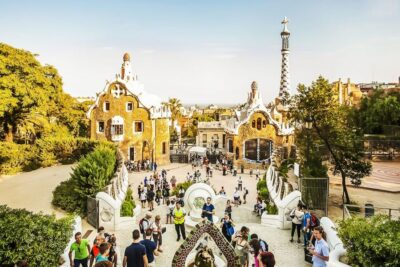 ★ 4.4Park Güell Admission TicketFrom $2576,534 reviews
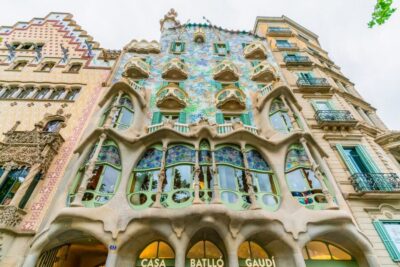 ★ 4.7Casa Batlló Entry with Self-Audioguide TourFrom $3425,359 reviews
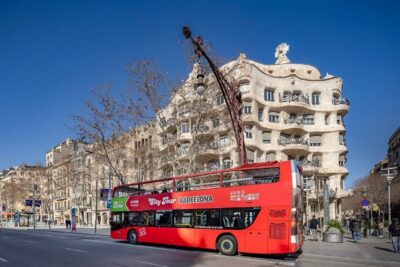 ★ 4.424 or 48-Hour Hop-On Hop-Off Bus TourFrom $3920,872 reviews
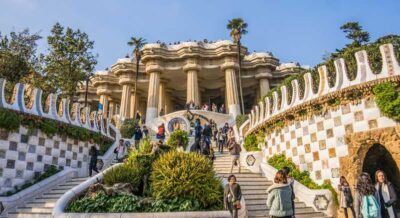 ★ 4.7Park Guell Guided Tour with Skip The Line EntryFrom $3117,563 reviews
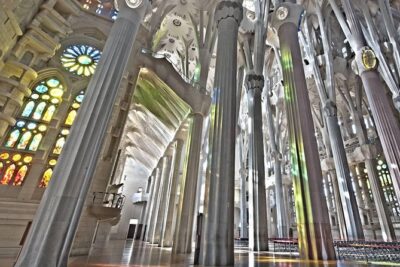 ★ 5.0Barcelona in 1 Day: Sagrada Familia, Park Guell,Old Town & PickupFrom $12013,541 reviews
 ★ 4.3Barcelona Aquarium: Entry TicketFrom $3113,335 reviews
 ★ 4.8Sagrada Familia Skip-the-Line Entry Ticket & TourFrom $6712,789 reviews
 ★ 4.4FC Barcelona Museum “Barça Immersive Tour” TicketFrom $3510,944 reviews
Continue by place or experience