
REVIEW · BARCELONA CITY TOURS
Barcelona & Gothic to Modern. Regular Tour
Barcelona looks different after this walk. This 3-hour architecture route helps you see Barcelona through the thinking of architect Enric Miralles, with a clear thread from the old city to modern tensions. I like that it focuses on Gothic and La Ribera neighborhoods without pretending the city is simple, and it keeps Enric Miralles as the lens the whole way.
My favorite part is the way the tour turns buildings into evidence. You get an architecture microguide, plus a practical stop at Mercado de Santa Caterina where the guide uses fieldwork ideas, not just pointing and dates.
One possible drawback: the style can be very architecture-minded. One guest described it like an architecture encyclopedia, with less of a warm, story-first approach, so if you want a light, casual narrative, you might need to set expectations.
Key things I’d watch for
- Enric Miralles as your guide map: politics, culture, and design are tied together, not treated as separate topics.
- A hands-on market moment: the Santa Caterina stop is used for practical observation, not just sightseeing.
- Four major anchors in one route: Mercado de Santa Caterina, Santa Maria del Mar, Barcelona Cathedral, MUHBA Temple d’August.
- Architect-led explanations: the guide Pia (an architect and lecturer per guest feedback) tends to use clear visuals like charts and adjusts to mixed groups.
- Small group for questions: up to 20 travelers, which matters when you want to ask what you are actually looking at.
Why Enric Miralles Makes the Gothic-to-Modern Story Click
This tour is built on a specific idea: architecture is not just style, it is shaped by power, politics, and everyday imagination. That framing helps a lot because Barcelona can feel like a random lineup of famous facades if you only skim. Here, you learn how to connect what you see to why it exists.
Enric Miralles is also the reason the walk does not oversimplify. The tour’s theme leans into complex reality, meaning it does not treat architectural change as a clean, feel-good timeline. For you, that’s a win. You’ll start noticing that different eras leave clues in materials, street layout, and how buildings behave in public life.
It also helps that the guide approach is not one-note. Based on guest feedback, Pia often blends history and culture with architecture thinking. One group even noted that charts were used to explain how the city evolved across centuries, which is a great support if your brain likes structure.
You can also read our reviews of more tours and experiences in Barcelona.


Starting at Plaça Nova: Fast Orientation Beats Fumbling
The meeting point is easy to miss if you arrive late or wander. You start at the Barcino Sculpture in Plaça Nova, 40, in Ciutat Vella. Since many tours cluster in the same zone, plan to arrive a few minutes early and check you are with the correct group.
This matters because the first minutes set your viewing mindset. Once the tour starts, you are meant to look with intention, not just walk for three hours and hope you absorb everything. I recommend you do a quick check before you begin:
- comfortable shoes, because you are in an old-city walking loop
- a phone for the mobile ticket
- water, since 3 hours can feel longer under sun and shade shifts
The tour ends back at the meeting point, so you are not stuck hunting for transit at the finish. That’s a small detail, but it makes the whole plan feel smoother.
Mercado de Santa Caterina: Where the Tour Becomes Fieldwork
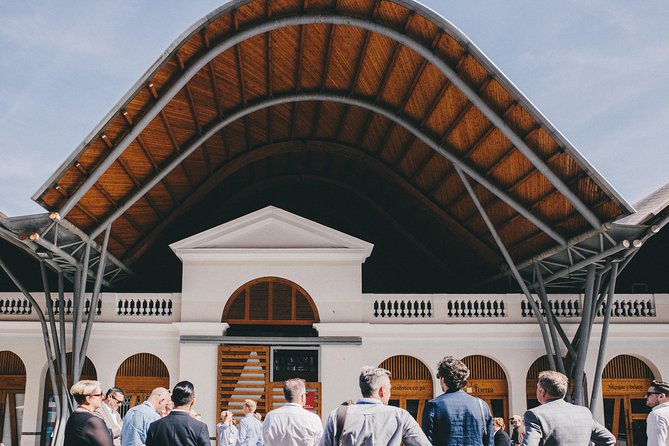
Even if you love architecture, it is easy to treat markets like background. Here, Mercado de Santa Caterina is used as a learning tool. The tour includes market-focused fieldwork to check Miralles’ methods, plus the kind of process work that sits behind his way of thinking.
Why I think that matters for you: markets are where buildings prove themselves. You see how spaces invite movement, where structure and entrances encourage flow, and how daily needs shape form. It is a practical way to connect architecture to life, not just monuments.
Also, if you are the type who worries you might not “get” architecture, this stop can be grounding. It shifts the conversation from theory to observation. Instead of memorizing terms, you’re training your eye on how the built environment behaves.
From guest comments, Pia also helped one group with local recommendations tied to the architecture experience. That kind of follow-through can be a big value add because it helps you keep learning after the tour ends.
Santa Maria del Mar: Gothic Stone With a Real Sense of Use
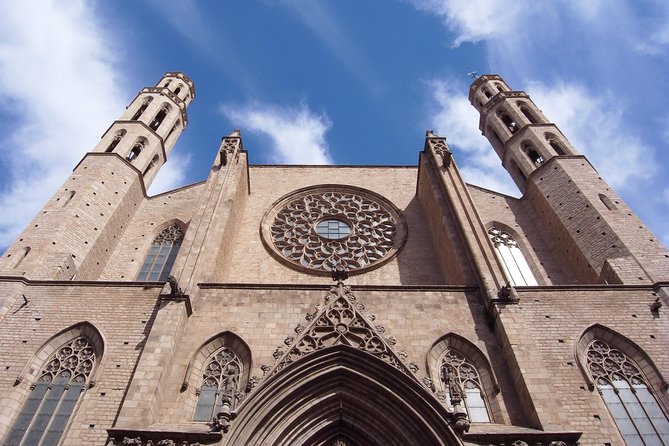
At Basilica de Santa Maria del Mar, the focus is on reading the Gothic language as something built for a community. You are not only seeing a church as a photo backdrop. The tour aims to show how changes in eras come with shifts in cultural imagination and public life.
One of the strengths of this route is that it keeps asking why architecture changes. In other words, you should not just leave with a list of features. You should understand what the building is doing for the people around it, and how that connects to the bigger story the tour is telling.
Potential trade-off: if you prefer a more narrative, scene-by-scene style, you might feel the guide stays more analytical. That does not mean it is dry, but it can be more “look at this, then connect it” than “tell me a legend and let me vibe.”
Still, even with that style, a lot of people love it because the details give you something to hold onto. It is easier to remember buildings when they are tied to a pattern of change.
Barcelona Cathedral: Where Power, Faith, and City Identity Meet
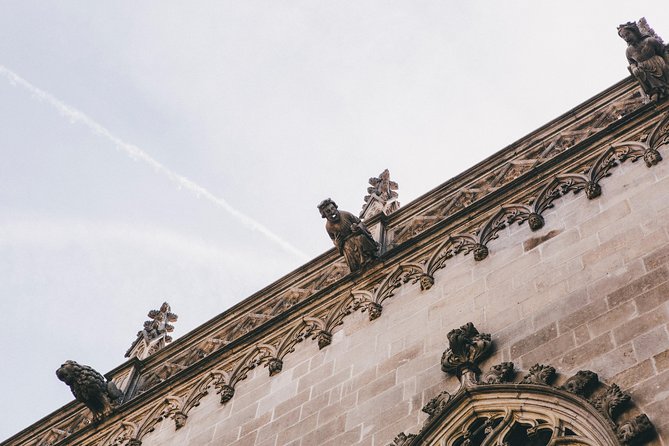
Catedral de Barcelona is the kind of stop that can go either way on a walking tour. Some tours rush it as a landmark check. This one uses it to talk about the relationship between architecture and the city’s collective identity.
The tour’s bigger theme includes history and politics, plus how cultural imagination influences what gets built and how. That means the cathedral is not treated only as an artistic highlight. It becomes a clue to how Barcelona thinks about itself across time.
If you like learning methods, this stop is a strong one. You can practice what the tour is training you to do: identify cues, then interpret them in context. And because the walk connects multiple eras, you should feel like each major building is a piece of a continuing argument, not a separate “star attraction.”


MUHBA Temple d’August: Reading Roman Barcelona in Plain Sight
The walk includes MUHBA Temple d’August, a key moment for anyone who wants to understand Barcelona as layered. Roman Barcelona is not just a chapter in a book. It is present in the way the city grew and reused space.
This is where you can get that satisfying click of cause and effect. The tour route moves through eras, including Carolingian, post-Franco, Olympic Barcelona, and the era linked to el forat de la vergonya (the hole of shame). Even without memorizing every detail, you should start seeing how big social change can show up in stone and street form.
In practice, stops like MUHBA are also useful because they slow you down. You are not just standing at a viewpoint. You are learning to “read” space, which is exactly what makes architecture tours worth your time.
How the Guide Handles Different Levels (and Why That Matters)
A lot of the praise centers on Pia’s approach. Guests described her as an architect and university-level lecturer who can translate design ideas into understandable explanations. One group specifically called out the use of detailed explanations and charts. Another noted that Pia tailored the overview to the group, including guests who were not architecture specialists.
There’s also a practical detail that’s a quiet win: Pia’s communication skills. One review mentioned she even translated some words to Italian for a group member. That tells you the guide is paying attention to the room, not just reciting a script.
Now for the honest caveat. One review suggested the tour might feel more like an architecture course than a story-first experience, and that the guide did not fully “accessibilize” the material for that particular group. That doesn’t mean the tour lacks heart. It means this experience rewards curiosity and patience, especially if you have zero interest in how buildings work.
So I’d frame it like this:
- If you want to learn how to look at architecture, this tour fits very well.
- If you want fluffy, effortless sightseeing, you might find it too structured.
The Route Timing and Pacing: 3 Hours Is Just Enough
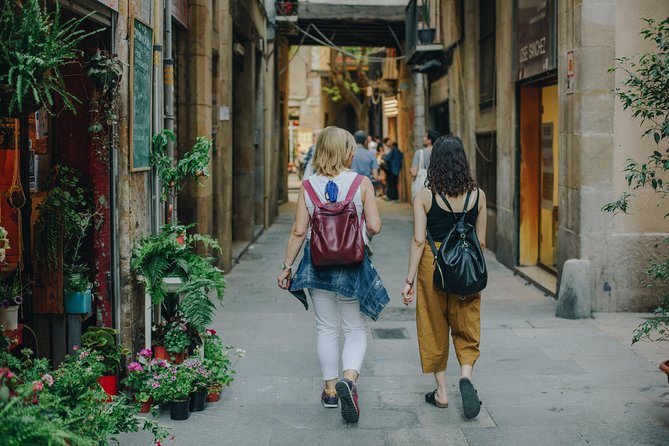
This is an approximately 3-hour walk, in English, with mobile ticket support. The small group size cap of 20 travelers maximum matters because it usually means more chance to ask questions and less chance of getting lost in a crowd.
Pacing is also important for architecture education. The tour covers big jumps in time. Roman roots, medieval religious space, major civic monuments, then modern shifts. If you rush, those connections fall apart. If you take it slowly, the city feels like one system.
Based on guest praise, the walking pace was described as well-paced. That matters because nothing ruins architecture listening faster than being out of breath while trying to follow a chart.
Tips to Get More Out of the Walk
Here are practical moves that tend to make architecture tours click:
1) Bring your curiosity, not just your camera
If you come asking what a building is doing socially and politically, the tour will meet you. If you come only for skyline photos, you may miss the point.
2) Watch for patterns, not just features
The tour is structured around methods. That means you’ll learn how to connect eras and see cues, so your brain should look for repetition and contrast.
3) Accept the “architect mindset” shift
You are being trained to see the city as architecture, not just as scenery. That can feel different at first, but it is also the reason people rate this tour so highly.
4) Make it easy to find the group
Since several tours start around the same point, arrive early and be ready to confirm you are at the right meeting group.
Value for Your Trip: What You Actually Get
Even without a listed price here, the value logic is clear from what’s included. You get a guided, architecture-led route that connects major city anchors with Miralles’ method, plus an architecture microguide. You also get a small-group experience, which is important when the explanations matter.
The best value signals in the feedback are consistent:
- detailed explanations with visuals like charts
- access to hidden-feeling moments, including lesser-seen areas connected to how the past remains visible
- a guide who can adapt to mixed interests, including non-experts
That combination is what makes the tour feel like more than a standard “look and go” sightseeing walk.
Should You Book Barcelona & Gothic to Modern?
Book it if you:
- want a guided architecture walk that treats buildings as evidence, not decorations
- like seeing how politics and culture shape what gets built
- enjoy learning frameworks you can use after the tour, not just facts you forget
Skip or reconsider if you:
- want a casual, light narrative with minimal theory
- get impatient with detail-heavy explanations
- prefer a purely first-timer, beginner-friendly story without architectural analysis
If you fall in the curious middle, this is a strong choice. Even one less accessible experience can still help you learn what to look for next time. And with a small group and an architect-led guide like Pia, the odds are high you’ll leave with Barcelona feeling clearer, not just prettier.
FAQ
How long is the Barcelona & Gothic to Modern regular tour?
The tour is approximately 3 hours.
What language is the tour offered in, and how many people are on the maximum group?
It is offered in English, and the tour has a maximum of 20 travelers.
Where does the tour start, and where does it end?
It starts at Barcino Sculpture, Plaça Nova, 40, Ciutat Vella, 08002 Barcelona, Spain, and it ends back at the meeting point.
Which main stops are included?
The tour visits Mercado de Santa Caterina, Basilica de Santa Maria del Mar, Catedral de Barcelona, and MUHBA Temple d’August.
What if the weather is poor?
This experience requires good weather. If it is canceled due to poor weather, you will be offered a different date or a full refund.
Can I cancel for a full refund?
Yes. You can cancel up to 24 hours in advance for a full refund. Canceling less than 24 hours before the start time is not refunded. Service animals are allowed, and most travelers can participate.
More Tours in Barcelona
More Tour Reviews in Barcelona
Not for you? Here's more nearby things to do in Barcelona we have reviewed








More Barcelona City Tours worth opening.
 ★ 4.4Park Güell Admission TicketFrom $2576,534 reviews
 ★ 4.7Casa Batlló Entry with Self-Audioguide TourFrom $3425,359 reviews
 ★ 4.424 or 48-Hour Hop-On Hop-Off Bus TourFrom $3920,872 reviews
 ★ 4.7Park Guell Guided Tour with Skip The Line EntryFrom $3117,563 reviews
 ★ 5.0Barcelona in 1 Day: Sagrada Familia, Park Guell,Old Town & PickupFrom $12013,541 reviews
 ★ 4.3Barcelona Aquarium: Entry TicketFrom $3113,335 reviews
 ★ 4.8Sagrada Familia Skip-the-Line Entry Ticket & TourFrom $6712,789 reviews
 ★ 4.4FC Barcelona Museum “Barça Immersive Tour” TicketFrom $3510,944 reviews