
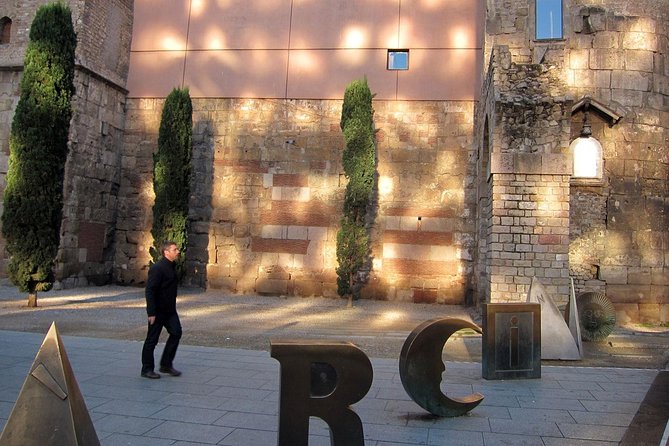
REVIEW · BARCELONA CITY TOURS
Barcelona Old Town walking tour with official guide
Barcelona’s Old Town has a way of sticking to you. This half-day Gothic Quarter walk mixes market energy with hard-to-see archaeology and medieval layers, led by an official guide. I love that the route is built for first-time orientation, and I also love the pacing, with short stops that keep the story moving without turning your shoes into a science project. The main catch is cost: some big sights on the route have entrance fees not included, so your final spend may tick up once you decide what to go inside.
If you like history you can walk through, this is a smart way to spend 3 to 4 hours. You also get practical, local guidance, and a tour structure that helps you understand how Barcelona evolved from Roman streets to medieval neighborhoods to the city’s modern heart on La Rambla and around Plaça Reial. Just know you’re covering a concentrated area, so comfortable walking shoes matter.
Key Highlights Worth Marking on Your Map
- Boqueria market tastings at the start, so your tour begins with real flavors instead of museum talk
- Barcelona Cathedral stop near the Gothic core, with time to see the exterior and choose whether you want paid entry
- MUHBA El Call visit focus, including the medieval Jewish quarter and optional synagogue viewing (paid if you choose it)
- Temple d’August free stop, a rare chance to glimpse Roman Barcelona hidden in a medieval setting
- Palau de la Generalitat area, to connect the medieval city with Catalan political life
- La Rambla and Plaça Reial finish, so you leave with a plan for daytime coffee or evening wandering
Why This Walking Tour Works So Well for First-Time Orientation
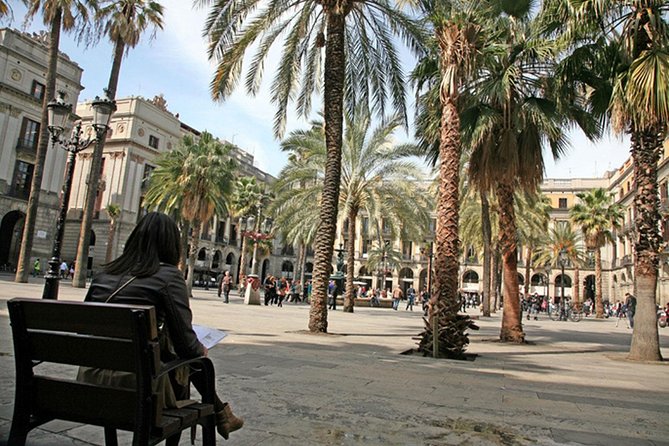
Barcelona Old Town can feel like a maze, especially in the Gothic Quarter. Tiny streets, sudden plazas, and big landmarks are packed close together. This tour is designed to solve that problem fast. You walk a logical loop that starts at the city’s famous market, then moves into the Cathedral area, into medieval neighborhood remains, and ends near two of the most recognizable “hang out” zones in town.
What makes it especially good is the mix of places you can immediately see with places that answer the question, so what was here before? The Roman connection shows up not as a lecture, but as a stop at the Temple d’August, tucked into the fabric of later buildings. Then the medieval story gets practical with a look at El Call, the historic Jewish quarter, and nearby civic and royal spaces like Plaça del Rei.
The tour is also priced per group, which changes the math. At $336.44 per group (up to 12), it’s not the cheapest sightseeing option in Barcelona. But when you split the cost across more people in your group, it can compare favorably to booking separate tickets, taxis, or multiple guided visits. If you’re traveling as a couple, you may feel the price more. If you’re traveling with friends or family, it can feel like good value for a guided, tight-route half day.
You can also read our reviews of more walking tours in Barcelona



Mercat de la Boqueria: Start With Flavor, Not Fatigue
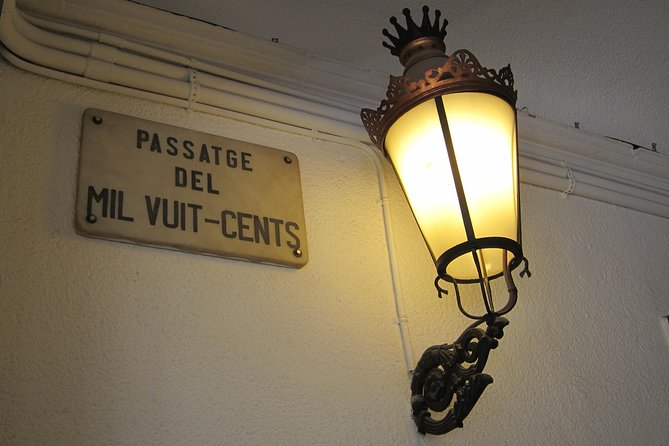
You begin at Mercat de la Boqueria on La Rambla. That’s a smart move because you’re in the right atmosphere immediately. The market is the sensory warm-up: smells from seafood and fruit, loud chatter, and the kind of colorful food display that makes you hungry before you even order anything.
This stop is timed for about 20 minutes, and the important part is that you get the chance to taste local specialities included in the tour experience. That means the guide helps you pick what’s worth trying in a place where everything looks tempting. Even if you’ve been to a market before, Boqueria is a specific kind of chaos. Having an official guide makes it feel less like you’re wandering and more like you’re sampling with purpose.
One practical note: markets attract crowds. If you’re sensitive to busy spaces, go slow at the start and take a second to breathe in. Your guide’s job is to keep the group moving and maintain a smooth rhythm, but Boqueria itself does not do quiet.
Barcelona Cathedral: Quick Look Plus Your Choice to Pay
Next you’ll reach Barcelona Cathedral for a stop of about 15 minutes. The tour positions it as an essential historical piece, built over many centuries. You’ll have time to orient yourself to the Cathedral area and understand why it sits at the center of the Gothic Quarter story.
Admission to the Cathedral is not included. That matters because it changes how much you’ll get out of this stop. If you want to see inside, you’ll likely need to pay separately. If you’re happy with the exterior, the allocated time still gives you value. The biggest win here is that your guide sets the context, so when you do look at stonework and layout, you’re not staring at random facades.
If you’re visiting during peak hours, this stop may feel like it’s moving through a bottleneck. Your best strategy is to treat this as a orientation and photo window, then decide whether the inside experience is worth the extra fee based on your interest level.
MUHBA El Call: Medieval Jewish Quarter, With a Decision Point
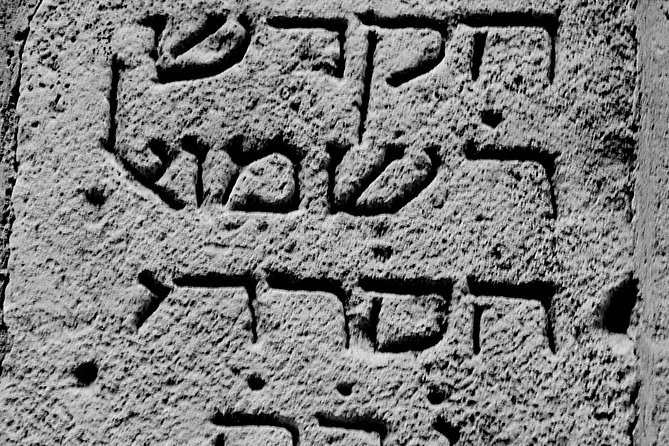
From the Cathedral area, the walk moves into MUHBA El Call, the medieval Jewish quarter. You’ll get about 15 minutes here, and the tour mentions an optional visit to a former synagogue. As with the Cathedral, admission fees for this museum area are not included.
This stop is valuable because it adds an important layer people often miss. The Gothic Quarter gets attention for architecture, but El Call highlights how different communities shaped the city. Even if you skip the optional paid synagogue viewing, the area itself helps you visualize the neighborhood pattern and the way the medieval city carved out space for daily life.
Keep your decision simple: if you like social history, community history, and how neighborhoods evolved, you’ll probably want the paid portion. If your priority is just getting the major landmarks in a half day, you can stay with the included look and save your money for something else later.
MUHBA Temple d’August: Roman Barcelona Hidden in Plain Sight
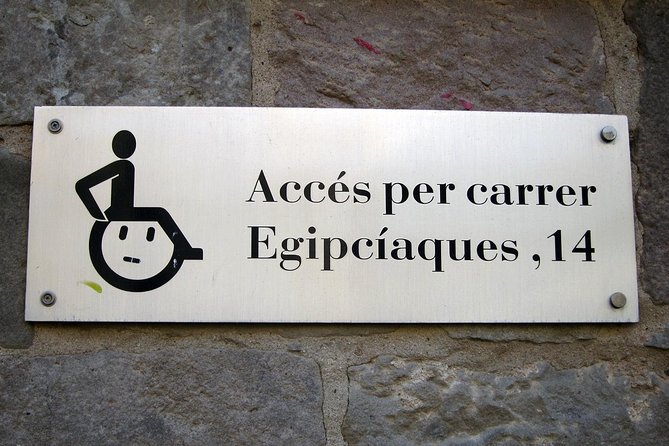
This is one of my favorite kinds of sights: a place that feels small on the street, then becomes big once you understand what you’re looking at. The stop at MUHBA Temple d’August takes about 10 minutes and is included with free admission for this visit.
The tour explains that the Roman temple is hidden inside a medieval house, behind the Cathedral area, and that it points to the former center of Roman Barcelona. That “hidden inside later buildings” detail is exactly why guides matter. If you arrive without context, you might just see a site marker. With context, you can connect 2,000 years of layered construction.
The practical benefit is time. Ten minutes here is enough to see and understand without burning your schedule. If you’re the type who loves quick wins that still feel meaningful, this stop delivers.
You can also read our reviews of more guided tours in Barcelona

Plaça del Rei: Where Medieval Power Shows Up in Stone
Next comes Plaça del Rei, about 15 minutes, with free admission. This is a medieval royal palace area where Columbus was received by the Spanish kings after the 1492 discovery. That might sound like a sidebar, but it gives the plaza a real “this mattered” feeling. People talk about history as dates. In places like this, you can feel the politics behind the architecture.
What you’ll enjoy here is how the space works. It’s a plaza, so you can step out of the narrow streets and get a visual break. At the same time, your guide connects the site to broader historical shifts, helping you understand why royal power clustered where it did.
It’s also a useful mental reset before you head toward modern civic and political institutions nearby.
Palau de la Generalitat de Catalunya: Turning Medieval Streets Toward Today

After Plaça del Rei, you’ll walk to Palau de la Generalitat de Catalunya for about 15 minutes. This is positioned as a political center, connected to parliament and town hall, and it’s tied to Catalan social and political movements through history.
The value here is not that you’ll spend hours studying politics. It’s that the walk stops treating history as distant wallpaper. You start to see how the city’s identity has continuity, even when rulers and institutions change.
Because this stop is free, it’s an easy add-on that strengthens the tour’s theme. You go from Roman leftovers to medieval neighborhoods to civic power, and then you get to end the loop in a street that feels like the heartbeat of the city.
La Rambla: A Street With an Origin Story, Plus Real-Life Barcelona
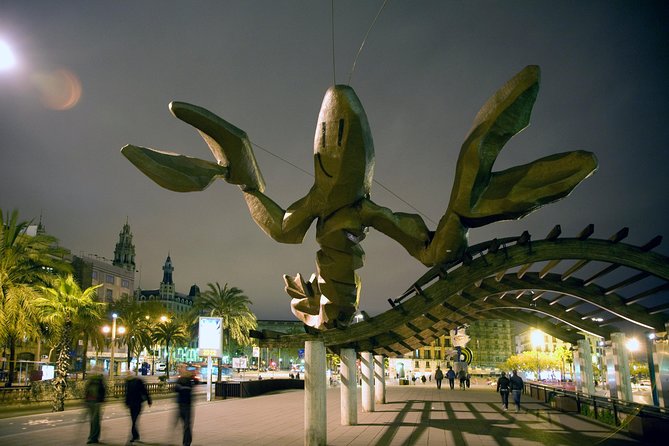
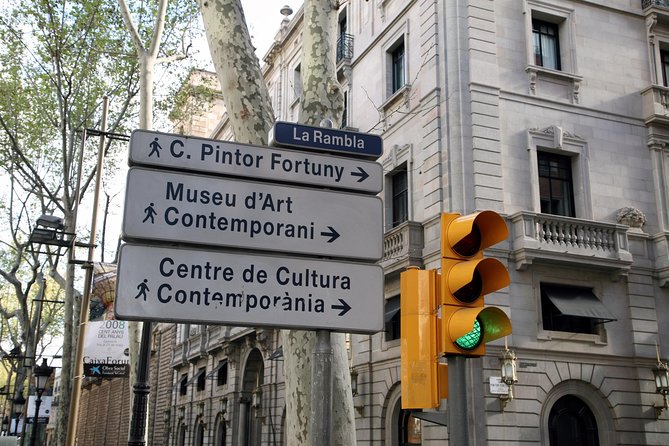
Now you hit La Rambla, about 15 minutes and included with free admission. The tour shares that the name has Arabic origins and that the street was once outside the city walls. Later, it became the city’s heart, and locals use it as a shorthand for a classic Barcelona experience.
This stop is about helping you interpret what you see. La Rambla gets simplified by outsiders into a tourist strip. A guide helps you notice the long history of how and why streets like this developed, and then helps you see the area for what it is today, a place where people actually gather.
You won’t need a ticket here. Instead, focus on behavior and details. Watch how crowds flow, where people choose to sit, and how side streets connect back into older neighborhoods.
If your schedule is tight, treat La Rambla as a viewpoint and orientation stop, not a long detour into shops.
Plaça Reial: Your Finish Line for Lunch and Evening Plans
Your final stop is Plaça Reial, about 10 minutes, also free. This plaza is presented as a must stop to understand day and night life in Barcelona, and it’s a practical ending point. Your guide can point you toward options for lunch or a refreshment stop, and you’ll get location tips for nighttime wandering.
This is where the tour earns its keep as a planning tool. Many walking tours stop at some random corner. Ending near Plaça Reial sets you up with options: cafes, restaurants, and a recognizable place to regroup.
Also, when you walk out with context from earlier stops, you’ll read the city differently. Plaça Reial isn’t just pretty. It becomes part of the story you just learned, from medieval civic life to modern social life.
How Much Time You’ll Actually Spend, and What to Wear
The tour lasts 3 to 4 hours, depending on the rhythm of the group and the day’s flow. Even though most stops are short, you’re moving through a concentrated area. Plan for uneven sidewalk surfaces and plenty of stairs or curb steps in the Gothic Quarter.
Wear comfortable shoes. Bring water. If you run hot, consider a light layer because market areas and crowds can make you feel hotter than you expect. This tour is meant to be manageable for most people, but “most” still doesn’t mean “zero walking.”
Group Size, Pickup, and the Real Value of Paying for an Official Guide
This tour is a private walk with an official tour guide, designed for only your group. The booking info lists up to 12 in the group, while the tour description mentions up to 15. Either way, the key point is you’re not swallowed by a huge crowd. That matters in Barcelona’s Old Town, where slowdowns happen fast.
Pickup is offered, and the details are arranged after booking. Pick-up transportation itself is not included, but there’s an option to ask for rates in advance for hotel, port, or airport pickup by private car or minivan with a driver. If you’re staying near Ciutat Vella, you may not need pickup. If you’re arriving from a cruise or a distant hotel, pickup can be worth considering because it removes stress.
Now, the price. At $336.44 per group, you’re paying for planning, interpretation, and time efficiency. You are not paying just for walking between sights. If you’re comfortable self-guided, you could do parts of this route alone. But the Cathedral and MUHBA stops make more sense with a guide who can connect the layers of time and point out what matters during your short windows.
This is a good value move when:
- you want a guided “Gothic Quarter 101” that doesn’t feel superficial
- you care about history but don’t want to spend all day in lines
- you like local tips for food and evening plans
What I’d Bring to This Tour if You Want the Best Experience
Here’s how to get the most out of those short stops without feeling rushed.
- Decide in advance what you care about most: Roman sites, medieval neighborhoods, or modern Catalan institutions. Then let the guide steer you through the rest.
- Budget a little extra in your head for paid entries at the Cathedral and MUHBA El Call synagogue option, since those are not included.
- Ask your guide for one or two specific recommendations for the rest of your day, lunch near Plaça Reial or a simple plan for after dark.
Also, if you’re traveling in a group with different interests, a private format helps. Your guide can keep the story moving while still allowing small adjustments to your comfort level.
Should You Book This Barcelona Old Town Walking Tour?
If you want an efficient way to understand Barcelona’s Gothic Quarter and you like being guided through history you can see with your eyes, I think this tour is a strong yes. It hits high-demand landmarks without turning into a marathon, and it includes market tastings at the start, which makes the experience feel less like paperwork and more like living in the city for a half day.
I would skip or reconsider if you’re strictly budget-focused and hate the idea that some major stops, like the Cathedral and MUHBA El Call’s optional synagogue, cost extra. In that case, you might do a free-and-cheap route on your own and only pay for what you truly care about.
For most people, though, paying for an official guide here makes your time in Old Town more rewarding, and it helps you leave with a clearer picture of where to go next.
FAQ
What’s the duration of the Barcelona Old Town walking tour?
The tour runs about 3 to 4 hours.
How many people are in a group?
It’s listed as up to 12 people per group for booking, and the tour description mentions up to 15, so confirm your exact group size when you book.
Is the tour private?
Yes. It’s a private tour/activity, and only your group participates.
What’s included in the price?
You get a private walk with an official tour guide, plus a mobile ticket. The Boqueria stop includes tasting local specialities, and some other stops are marked as free.
Are entrance fees included for the Cathedral and MUHBA El Call?
No. Entrance fees for Barcelona Cathedral and MUHBA El Call are not included, and the synagogue visit is optional.
Is pickup available?
Pickup is offered, but pick-up transportation is not included. You can ask for rates in advance. The exact meeting point is arranged after booking.
Can I get a refund if I cancel?
Yes. Free cancellation is available if you cancel at least 24 hours in advance for a full refund.
More Walking Tours in Barcelona


More Tours in Barcelona


More Tour Reviews in Barcelona
Not for you? Here's more nearby things to do in Barcelona we have reviewed








More Barcelona City Tours worth opening.
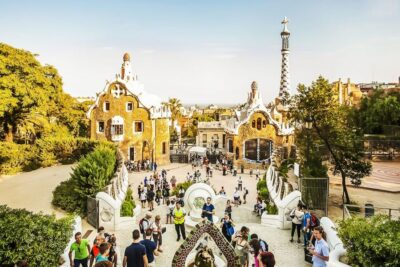 ★ 4.4Park Güell Admission TicketFrom $2576,534 reviews
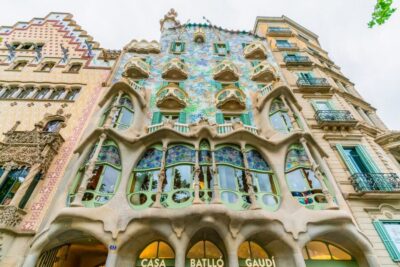 ★ 4.7Casa Batlló Entry with Self-Audioguide TourFrom $3425,359 reviews
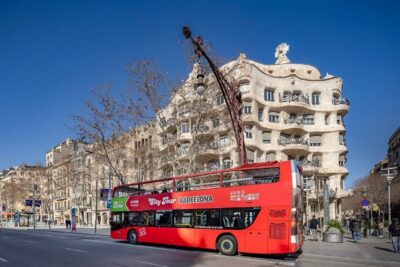 ★ 4.424 or 48-Hour Hop-On Hop-Off Bus TourFrom $3920,872 reviews
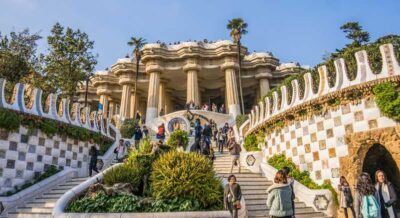 ★ 4.7Park Guell Guided Tour with Skip The Line EntryFrom $3117,563 reviews
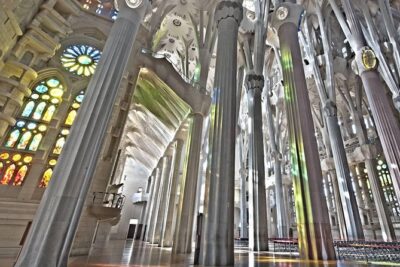 ★ 5.0Barcelona in 1 Day: Sagrada Familia, Park Guell,Old Town & PickupFrom $12013,541 reviews
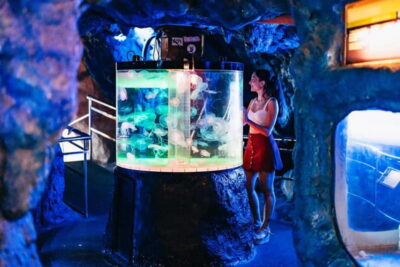 ★ 4.3Barcelona Aquarium: Entry TicketFrom $3113,335 reviews
 ★ 4.8Sagrada Familia Skip-the-Line Entry Ticket & TourFrom $6712,789 reviews
 ★ 4.4FC Barcelona Museum “Barça Immersive Tour” TicketFrom $3510,944 reviews
Continue by place or experience