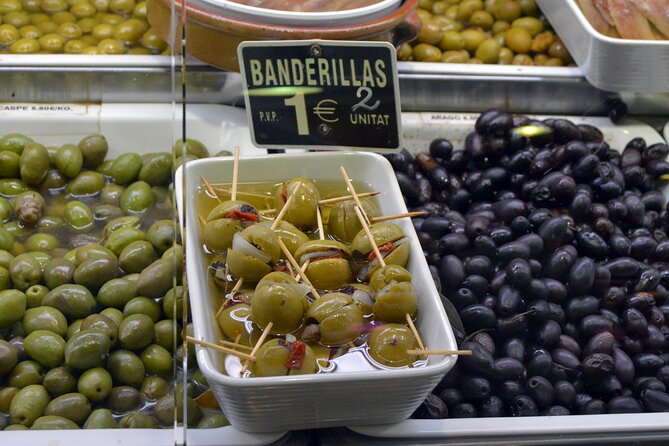
REVIEW · BARCELONA
A Day in Sants Feasting Off the Grid
Sants beats the tourist food rush. This 5-hour small-group walk in Barcelona’s Sants district is built for people who want real local eating and a photographer’s look at a neighborhood that rarely makes the postcard circuit.
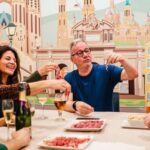
What I like most is the way you eat like a local, with tradition and locally sourced Spanish dishes, not high-pressure showmanship. You also get a guide who clearly cares about the neighborhood, with warm energy and enough context that every stop feels connected, not random.
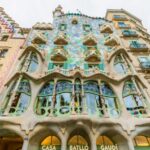
The main consideration: this is not a Gaudi stop type of tour, and it is not aiming for the biggest tourist hits. If you only want top-10 tapas and famous sights, you might find Sants more about food, neighborhood rhythm, and everyday culture.
Key Takeaways Before You Go
- Photo timing in Sants: You’ll have good chances to stop, look, and shoot in a lesser-visited area.
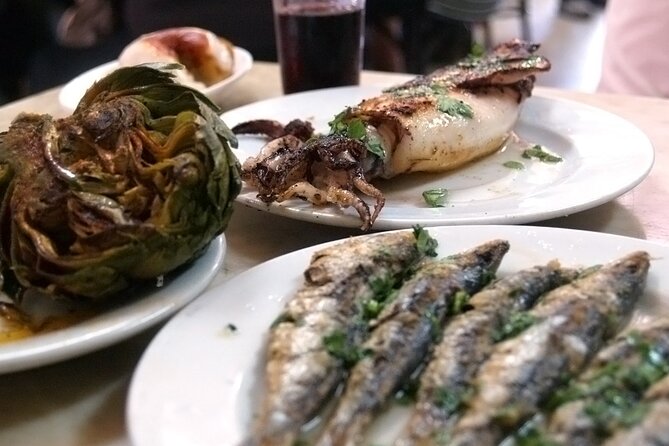
- Eating like locals, on purpose: Expect markets, vermuterias, pastry shops, bakeries, chocolate, and proper lunch.
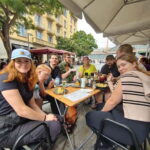
- Small group, real Q and A: Max 7 travelers means you can ask questions and get answers.
- History through daily life: Vermut, food shops, and community spaces connect neighborhood change to local identity.
- You stay in the area: The route keeps you grounded in Sants and nearby neighborhood institutions.
Why Sants Works So Well for a Food Tour
Barcelona has a fast-moving tourist script. This tour gives you a different one.
Sants is close to the center, but it feels more like a working neighborhood than a stage set. That matters because you taste food where locals actually shop and linger, from old-school bodegas and bars to newer projects that locals helped shape. You’re not trying to cover every famous attraction. Instead, you’re learning how food habits, markets, and community spaces reflect how the neighborhood has changed.
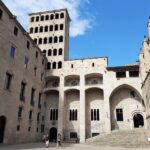
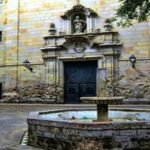
This is also a smart choice if you like photos that do not look like everyone else’s. The tour’s pacing gives you time to notice storefront details, street energy, and the textures around markets and bars, not just snap-and-go.
You can also read our reviews of more tours and experiences in Barcelona.

The 9:00 AM Meeting Point and What Your Morning Rhythm Means
You start at Carrer de Sants, 109, in the Sants-Montjuïc area, and you begin at 9:00 am. The activity ends back at the same meeting point, so you’re not juggling end-point confusion while you’re hungry and ready for lunch.
Starting in the morning is a key advantage. Markets and restored neighborhood institutions often feel more alive earlier in the day, and breakfast-style tastings make the whole day easier to enjoy. It also helps you avoid the common Barcelona problem where you show up late and everything good is already sold out or already mobbed.
One more practical note: this runs in English and it is limited to a maximum of 7 travelers. That small cap is a big deal on a food tour because it makes the route feel personal instead of like a funnel.
Stop 1 in Sants: Markets, Vermuterias, Pastry Shops, and Neighborhood Pulse
The day kicks off with a 2-hour focus on Sants, built around the idea that you can learn a lot without chasing famous architecture. You’ll spend time in and around markets and older food institutions like vermuterias, plus pastry shops and down-home restaurants.
Here’s what makes this part worth your time: it sets the tone. You’re tasting across categories, not just doing one style of snack over and over. That means you get a better sense of what Sants feels like as a food neighborhood, from casual bar culture to sweeter bakery moments.
You can also expect plenty of context that connects food with local patterns. Even if you are not a history buff, the guide’s explanations make the choices make sense. You’re not just collecting bites, you’re learning why these places matter to locals.
The only downside of this first stretch is also the normal one for food tours: you will be tempted to keep eating even when you are already comfortably full. Pace yourself. This is a long day by food-tour standards, about 5 hours total, and there are two more major stops.
Stop 2 La Bordeta: Breakfast at Mercat de Sants, Vermut With Tapas, and Seasonal Favorites
La Bordeta is where the tour turns from general Sants atmosphere into neighborhood institutions and routine.
You start this section with a hearty breakfast in the Mercat de Sants. It’s a newly restored market that has been in business since 1913. That detail matters because it’s not some pop-up food hall vibe. It’s a market with deep roots in the area, and you’re tasting what vendors offer from inside.
As you move through the neighborhood, the route includes old and new shops and restaurants. The tastings focus on well-loved dishes whose menus change according to the season, which is exactly how you get a more accurate picture of local eating rather than a permanent, tourist-proof menu.
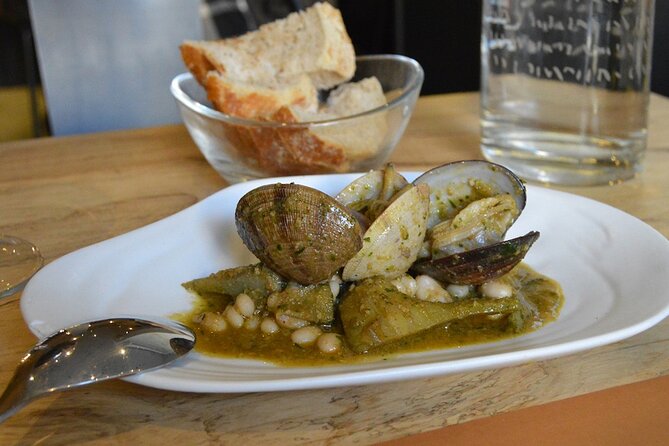
Then comes the vermut-and-tapas moment. You’ll stop at old-school bodegas and bars to enjoy vermut with tapas among the wine casks. If you like learning how a tradition works in real life, this is one of the strongest segments. The atmosphere is part of the story, and it’s easier to understand vermut culture when you see it set next to how people store and serve wine.
You’ll also hit small bakeries and chocolate shops for handmade sweets. This balances the savory side so you don’t feel like the day is only about heavy flavors. It’s also a nice way to slow down and pay attention to details, like texture and portion style.
Stop 3 at Mercat de Sant Antoni: A Textile Factory Turned Community Space
You end the food tour section with something that goes beyond food, in a good way. You still stay in the Sants area, but you visit a larger social and cultural project centered around a massive 19th century textile factory.
Decades of disuse gave way to a community transformation, turning the space into a cultural center. Even better, it has its own bar and microbrewery, so you can keep the day’s tasting momentum while learning how locals organized to reshape the space.
Over a drink and more bites of Sants food, you’ll hear about community organizing in Sants and why the neighborhood is special. This is the sort of context that makes earlier stops feel more meaningful. When you tasted vermut, seasonal dishes, and old market traditions, it was easy to treat it as just food. Here, you see how community change can directly affect what places exist, what they serve, and how people gather.
There’s also a practical benefit: the final stop is naturally a good place to regroup, ask follow-up questions, and take a breather from continuous walking. It’s listed as 1 hour, so you’re not trapped there for an endless evening session.


What’s Actually Included, and Why It Improves Value
The tour includes snacks, alcoholic beverages, and lunch. It also lists admission ticket free for the stops, which matters because food tours sometimes add little entry fees that you only see at checkout.
For $160 per person, the value comes from two angles:
- Food density: You’re not paying for a few small samples and then walking off to find the rest. The day includes breakfast-style elements, plus lunch and additional bites.
- Drinks included: Alcoholic beverages are part of the plan. That alone can make the overall cost feel more reasonable than piecing together drinks at multiple bars on your own.
One more advantage: lunch is planned, which reduces the guesswork. Barcelona can be great, but it can also be slow when you’re hungry and trying to decide between crowded options. On this tour, someone has already done the work of building a route with tastings in mind.
The only item not included is private transportation. The walking format means you are relying on the neighborhood itself, and the tour is noted as near public transportation, which is helpful for getting there and getting home.
Group Size, Pace, and How Much Flex You Get
This is a small-group tour, max 7 travelers. That changes the vibe in a real way.
In a larger group, guides often spend their attention on logistics and timing. With a max of 7, you get more space to ask questions and actually hear the answers. On food tours, that question time is where you pick up practical details, like what you should try next time you’re in the neighborhood, and how traditions like vermut fit into everyday life.
Pacing is also designed to spread food moments across about 5 hours rather than stacking everything at the start. You’ll do Sants first, then La Bordeta, then finish with the community-centered cultural stop. That structure helps you handle the day without feeling like you are sprinting from bite to bite.
Who This Tour Suits Best (And Who Might Prefer Something Else)
I think this tour is a strong fit if you:
- Want a more local Barcelona than the main sights.
- Like eating across multiple types of places: markets, vermuterias, bakeries, bars, and restaurants.
- Enjoy tours where history shows up through food choices and community spaces, not through museum-style lectures.
It may be less ideal if you:
- Came to Barcelona mainly for Gaudi-type architecture and major monuments.
- Prefer a more self-guided approach where you can linger for hours in one restaurant.
- Want a tour that is strictly about famous, widely advertised dishes. This route is about Sants, not fame.
Practical Tips to Get the Most From the Walk
A few simple things help you enjoy this day:
- Wear comfortable shoes. You’ll be walking between markets, bars, and neighborhood institutions for about 5 hours.
- Bring a camera and expect photo chances. The schedule is friendly to stopping, looking, and shooting in Sants.
- Go in hungry, but not ravenous. Breakfast-style eating plus lunch plus additional bites can add up fast.
- If you want to ask questions, come with 1 or 2 topics in mind, like how vermut culture works or why restored spaces matter to locals.
Should You Book This Off-the-Grid Sants Food Walk?
If you want Barcelona that feels like it belongs to locals, not just visitors, this is an easy yes. The combination of markets, vermut culture, pastry and sweets, lunch, and a final community-centered cultural stop makes it more than a snack sampler. It’s a guided route through how Sants lives.
Book it especially if you care about a lesser-known neighborhood, you like thoughtful explanations, and you want a small group where questions actually get time. The price is not cheap, but when drinks and lunch are included and the day is built around eating rather than just sight-seeing, the value makes sense.
If your priority is only famous landmarks, you may feel slightly impatient waiting for those big-ticket visuals. For everyone else who wants authentic local food culture in a real neighborhood, this is a solid way to spend a morning turning into a full, satisfying afternoon.
FAQ
How long is the Sants food tour?
It runs for about 5 hours.
What is the price per person?
The price is $160.00 per person.
What time does the tour start?
The start time is 9:00 am.
Where does the tour meet?
You meet at Carrer de Sants, 109, Sants-Montjuïc, 08028 Barcelona, Spain.
How large is the group?
The maximum group size is 7 travelers.
Is the tour offered in English?
Yes, it is offered in English.
What is included in the tour price?
The tour includes snacks, alcoholic beverages, and lunch.
What does the itinerary include?
You visit Sants and La Bordeta for tastings, plus a stop at Mercat de Sant Antoni, a transformed textile factory cultural center with its own bar and microbrewery.
Can I cancel for free?
Yes. You can cancel for a full refund up to 24 hours before the experience starts.
Does the tour run in bad weather?
This experience requires good weather. If it is canceled due to poor weather, you will be offered a different date or a full refund.