
REVIEW · BARCELONA CITY TOURS
Barcelona: Museu Nacional d’Art de Catalunya Entrance Ticket
Big murals and big views in one ticket. The Museu Nacional d’Art de Catalunya in the Palau Nacional is where Romanesque murals meet top European painting, all under one roof on Montjuïc. I also love that the visit is built for wandering at your own pace, with panoramic views as the payoff when the terraces are open. The main catch right now is that the terraces and rooftop are temporarily out of service due to health regulations, so plan around that.
If you want two hours with real momentum, this is a strong pick. You’ll have admission to both the permanent collection and a temporary exhibition, plus a smartphone audio guide in many languages. The only drawback that may sting is that closing time is strict: ticket offices stop 30 minutes before closing, and rooms empty about 15 minutes before.
Key highlights worth planning around
- Palau Nacional history: built for the 1929 International Exposition, so you’re not just seeing art, you’re in the building too
- Romanesque mural paintings: widely considered the museum’s signature strength
- Catalan Modernism presence: you’ll see major Catalan names tied to the modernist story of the region
- Renaissance and Baroque wall-to-wall: artists like Tiziano and Velázquez show up here
- Two-floor layout: you can pace it without feeling like everything is stacked on top of you
- Montjuïc city views: when accessible, the rooftop/terraces are the easiest photo reward
MNAC in Palau Nacional: the Montjuïc art stop with real payoff
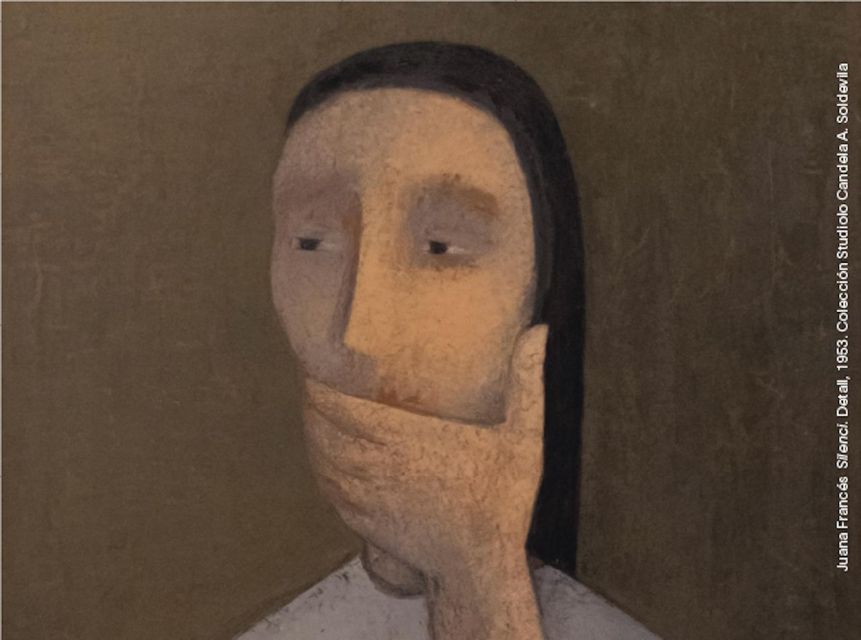
Museu Nacional d’Art de Catalunya sits at the crown of Montjuïc, inside the Palau Nacional. That matters because it turns your museum visit into a full Barcelona moment, not just a quiet indoor hour. The building itself was designed for the 1929 International Exposition, so even if you’re not a museum person, you’re walking into something designed for grand scale.
I like that this ticket targets both the art and the setting. You’ll move through collections across two floors, and you also get that Montjuïc vantage point idea, which shows up in the way the museum is arranged and the way people talk about it. It’s the kind of place where you can spend a couple of hours, pause, look longer, then still have the energy to explore outside.
One more reason it works: it’s a “one location” strategy. You’re not juggling multiple transfers or trying to fit three different museum buildings into one day. With this ticket, your day can be simple, and your payoff is still high.
More Barcelona tours and experiences for the shortlist
Price and value: why $14 for art plus audio feels fair
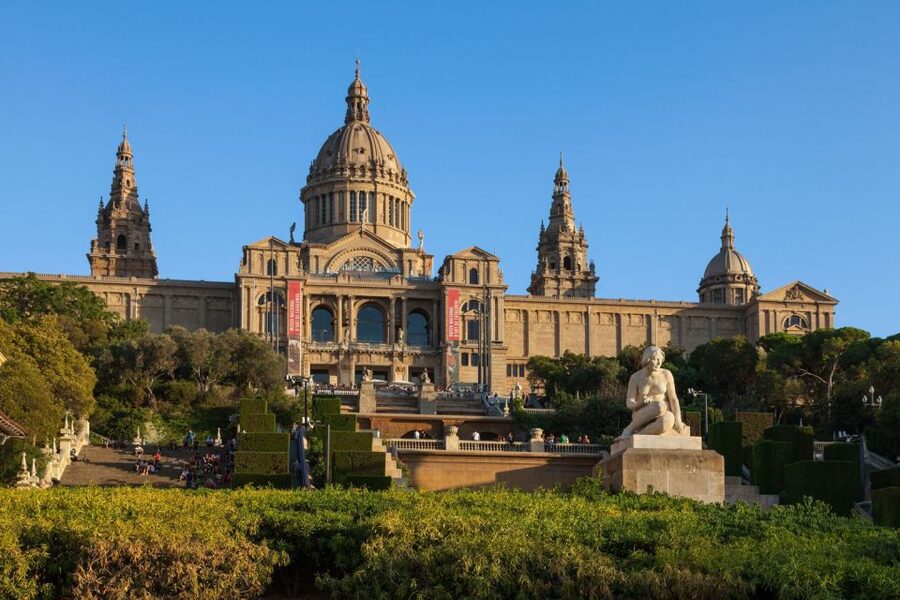
At about $14 per person, this entrance ticket is priced for what you actually get. You’re not paying for a tiny slice of art and then leaving. Admission includes the permanent collection, a temporary exhibition, and an audio guide app for your smartphone.
That combo changes the math. Permanent collections are where museums shine long term, and temporary exhibitions give you something current or specifically themed without making the whole visit feel repetitive. The audio guide helps you get more out of the art without turning the visit into nonstop reading. If you bring headphones and a charged phone, you can make the experience feel personal even when you’re walking through big galleries.
Also, the ticket is set up as skip-the-line entry. Even if you like to wander, you probably don’t want to burn your limited time in a queue. For many people, this is the difference between getting through the museum comfortably and feeling rushed.
Romanesque mural paintings: the star attraction
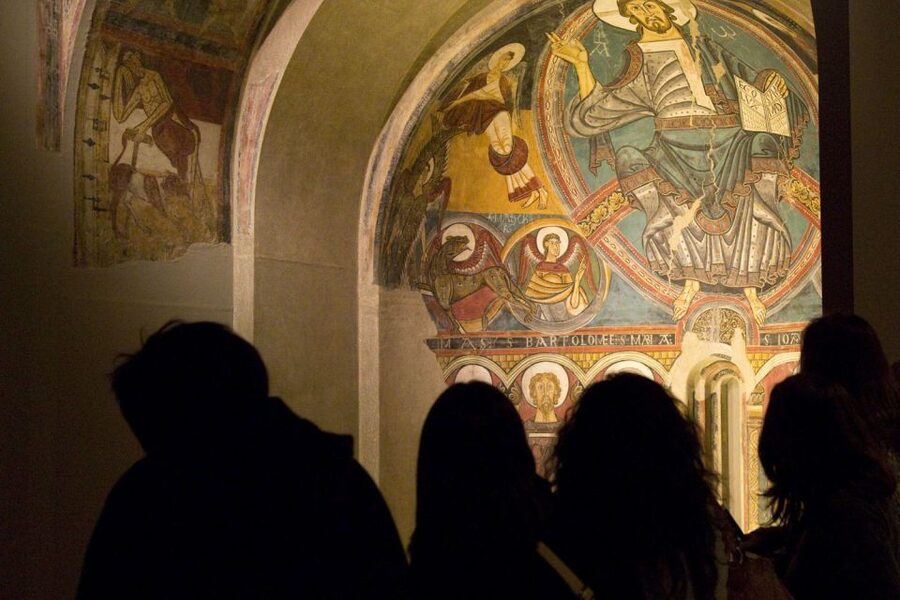
If you’re choosing MNAC for one reason, make it the Romanesque mural paintings. The museum is famous for this type of work, and it’s not just an art-history footnote. You’ll see how mural paintings were created to live on walls and inside religious spaces, and then how they were preserved and presented when those original buildings became too damaged to keep using.
What makes that powerful in person is how visual it all is. Romanesque art can feel intimidating at first because it’s older and sometimes more symbolic than narrative. But these paintings are big, direct, and meant to be looked at slowly. When you see them displayed as paintings rather than as distant reproductions, the scale makes the themes hit harder.
I’d treat this part of the museum as your anchor. If you only have limited energy or you’re traveling with someone who gets bored fast, prioritize the Romanesque murals and then build your rest of the route around what you still feel curious about.
Catalan Modernism in the same visit: Gaudí and Casas
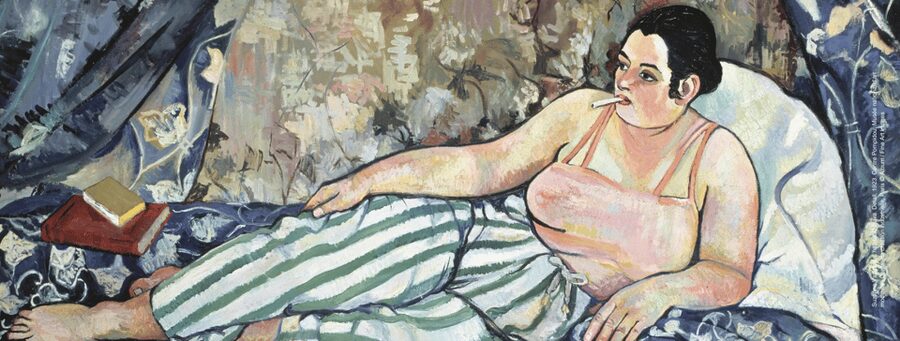
MNAC also gives you a Catalan storyline that connects art to the region’s modern identity. You’ll encounter major Catalan Modernism names, including Gaudí and Casas, tied to how Catalonia thought about art as it moved forward.
Even if you think you know Gaudí from architecture alone, this is a helpful change of pace. Seeing his name in a museum context reminds you that modernism was not only about buildings and street-level spectacle, it was also about art as an idea. The same goes for Casas, whose work is often associated with the cultural face of the era.
The best way to enjoy this wing is to slow down and look for “how it feels,” not just “what it is.” Ask yourself what the artists are trying to communicate through style, color, and composition. The audio guide can help here, especially when it gives context for why Catalan modern art looked the way it did.
If you like Barcelona as more than architecture, this is one of the better places to learn the “why” behind the city’s artistic personality.
Renaissance and Baroque highlights: Tiziano and Velázquez
After the Romanesque murals, the museum shifts gears into European painting, including Tiziano and Velázquez. This is where the visit starts to feel like a broader art journey rather than a regional museum alone.
Renaissance and Baroque works tend to reward focused looking. Baroque art especially can feel theatrical, with lighting, movement, and emotion doing a lot of the storytelling. Even if you are not an art expert, you can usually “read” what’s happening because the gestures and contrasts are so clear.
This section is also a good time to use the audio guide. The museum offers explanations in multiple languages, so you can match the level of detail to your mood. If you want something more factual, stick with shorter audio clips. If you want context, let the longer descriptions guide you.
A practical tip: don’t try to speed-run the famous names. Give yourself permission to pause. One well-chosen painting you linger over can make the whole museum feel meaningful, even if the rest is a blur.
How to pace MNAC on two floors in about two hours
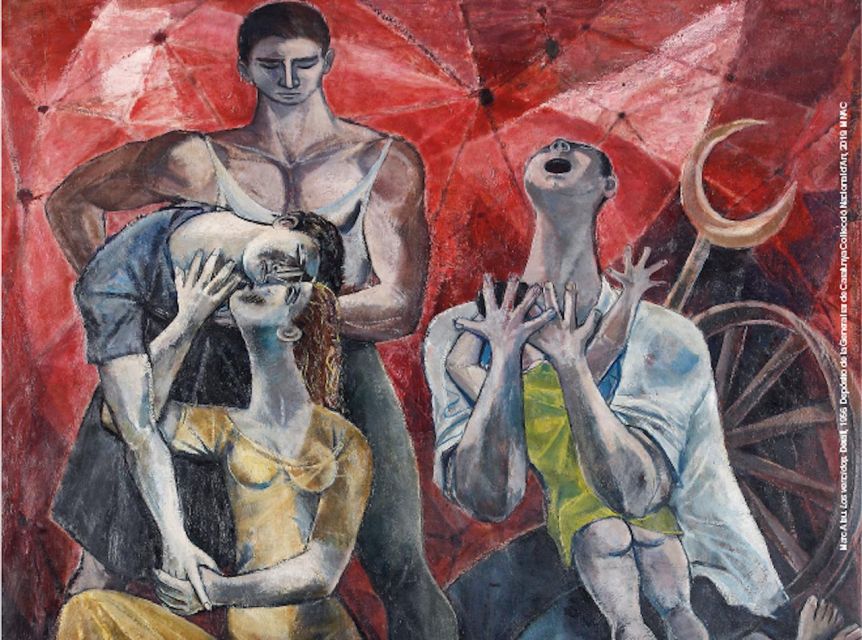
The collections are displayed across two floors, so you can plan a route without feeling lost. The museum visit is commonly done in a couple of hours, and that time window is realistic if you focus on the highlights plus whatever galleries pull you in.
If you want a smart pacing strategy, do this:
1) Start with the Romanesque murals as your baseline
2) Move through Catalan Modernism and the Catalan-focused sections
3) Finish with Renaissance and Baroque works, using the audio guide to pick the strongest stops
Why this order? The museum shifts style and era, and if you start with the signature Romanesque material, you establish a strong visual anchor early. Then the later European works feel like a bonus, not a chore.
Also, plan for the museum building’s flow. Several rooms are large and can feel like they stretch on, especially if you’re a slow walker with a phone full of photos. If you hate being rushed, aim for the early or mid-part of the day. If you only have a short window, keep your focus tight: pick a few artists and follow the galleries that connect to them.
One small reality check from visitor feedback: bathrooms exist, but the experience can be tight and cramped at times. If that matters to you, take care of it before you hit your busiest galleries.
Rooftop and terraces: the view reward, but check access first
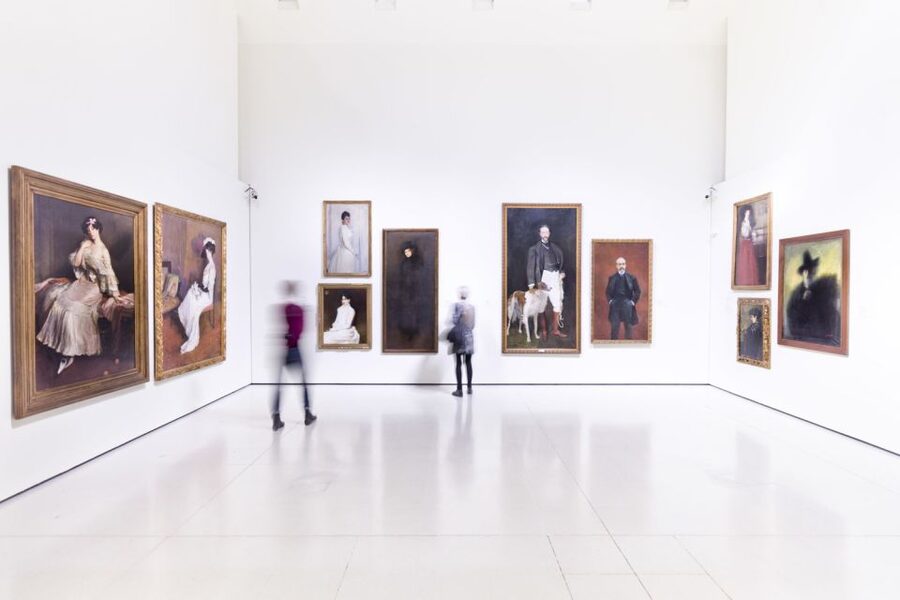
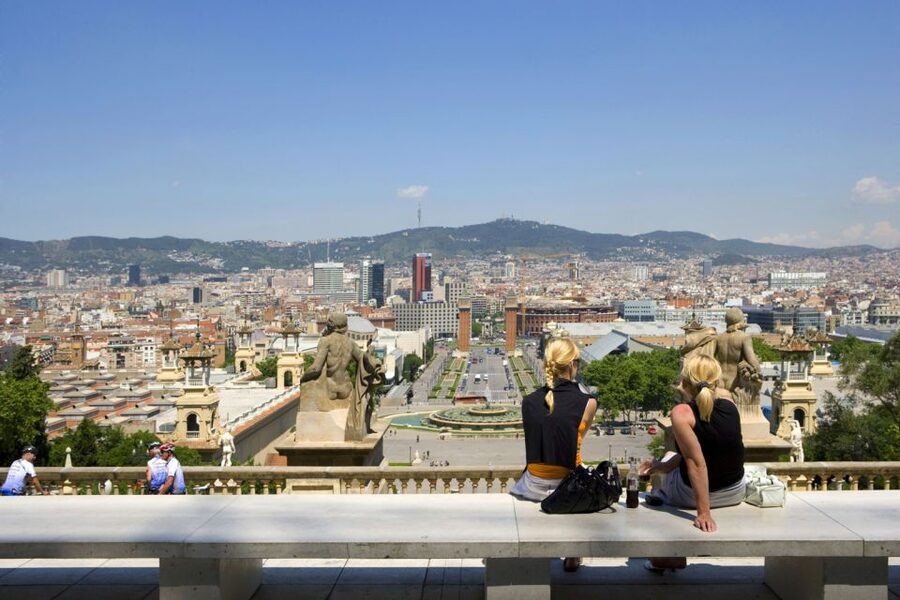
MNAC is known for astounding views over Barcelona from the Montjuïc mountain. In normal conditions, the rooftop is a big part of the appeal, because it turns the museum exit into a city panorama moment.
However, the current situation is that the terraces and rooftop are temporarily out of service due to difficulty managing and complying with current health regulations. So if you’re booking expecting the rooftop photos, you should treat the view as a bonus, not a guarantee.
What you can still do: use the time you save by skipping the rooftop as extra time inside the galleries, or plan a quick Montjuïc stroll outside if the area is open. If your day includes other Montjuïc viewpoints, this museum can still fit well, because the building is already part of the bigger “look over Barcelona” experience.
If you want photos of the city, look for accessible vantage points in and around the Palau Nacional approach area. Even without the rooftop, the setting is designed for sightlines and angles.
Audio guide in your pocket: what to bring and how to use it
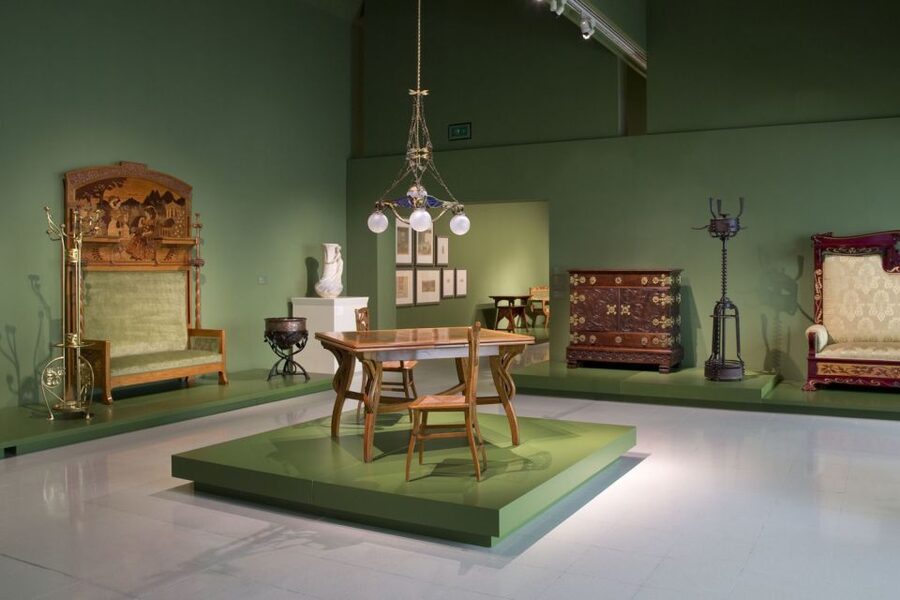
The ticket includes an audio guide app for your smartphone. Languages listed include Catalan, Spanish, English, French, German, Italian, Russian, Japanese, and Chinese. That breadth matters because it keeps the experience from turning into a translation headache.
Bring headphones and make sure your phone is charged. The whole point is that you can move through the museum at your own speed while still getting the context you want. When you pause in front of a painting, you don’t need to read every label. You can listen, then look again.
A small strategy that helps: use the audio guide to choose where to slow down. If you hear a short backstory on a mural or a particular European painting, spend an extra minute there. If a room feels overwhelming, the audio can turn a “big room of art” into a set of specific stops.
One more comfort note from the experience details: the museum is wheelchair accessible.
Practical tips for a smooth Barcelona museum day
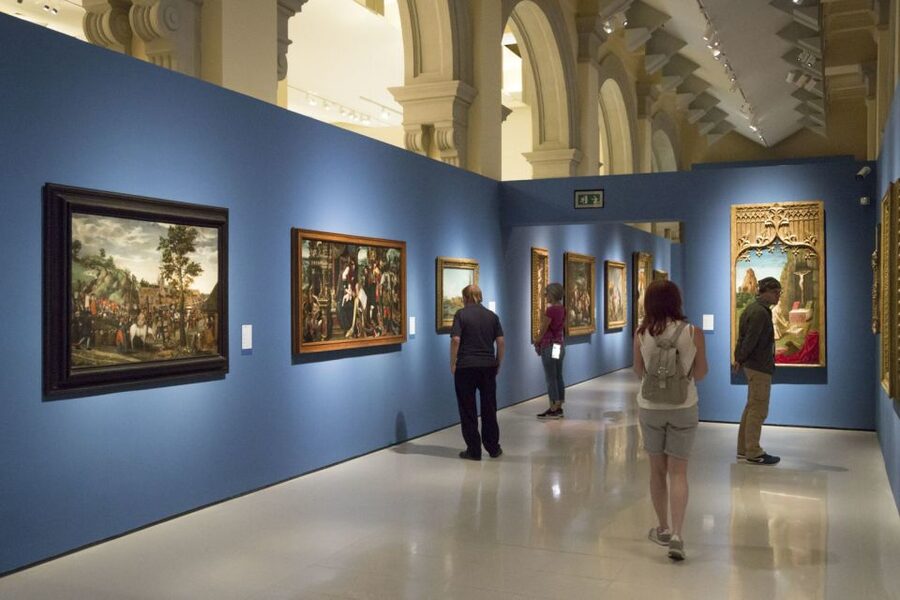
Getting this right is what makes the visit feel relaxed instead of stressful.
- Start with timing: ticket offices close 30 minutes before the museum closes, and the rooms are emptied 15 minutes before closing. Plan to be inside and moving before that last push.
- Expect walking: Montjuïc is hilly. You may see some stairs, and there are elevators nearby that can help you get around inside the complex.
- Heat matters in summer: going up and around Montjuïc can be tiring in hot weather. You might appreciate that there are places to stop nearby, including bars along the steps and escalators, so you can cool down as you go.
- Toilets might be a weak point: at least one visitor found them small, cramped, and not always clean. If that’s your priority, don’t wait until you hit your longest gallery loop.
- Meals and drinks are not included: you’ll need to plan snacks or lunch separately. The museum area does include places to grab a bite, and many people treat it as part of the day’s rhythm.
And one bonus thought: this museum works well if you already saw the “big Barcelona icons.” It gives you a different lens on the city, so you’re not repeating the same sightseeing mood.
Should you book the MNAC entrance ticket?
Book it if you want a high-value art experience that fits easily into a day on Montjuïc. With admission to the permanent collection and a temporary exhibition, plus an audio guide in many languages, it’s a good deal for about two hours of focused museum time.
Also book it if you enjoy art history that feels tangible. The Romanesque mural paintings are the reason this museum is worth it, and the European painting lineup gives you variety without needing multiple museums.
Skip or adjust expectations if rooftop views are your top goal. Since the terraces and rooftop are temporarily out of service right now, you should count on indoor galleries as the main attraction. If you really want the skyline photos, you can still do the museum, but you may want a separate plan for viewpoints.
If you want a one-stop museum day that is both culturally meaningful and genuinely enjoyable, MNAC is a smart use of your Barcelona time.
More Tickets in Barcelona


More Tour Reviews in Barcelona
Not for you? Here's more nearby things to do in Barcelona we have reviewed








More Barcelona City Tours worth opening.
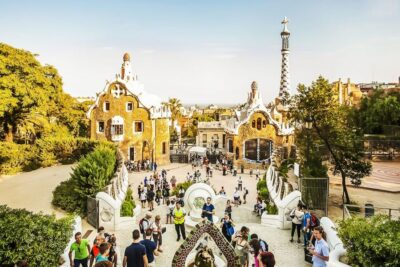 ★ 4.4Park Güell Admission TicketFrom $2576,534 reviews
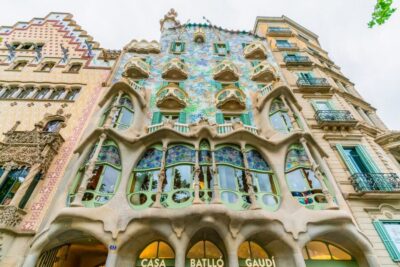 ★ 4.7Casa Batlló Entry with Self-Audioguide TourFrom $3425,359 reviews
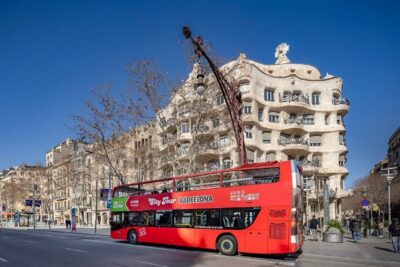 ★ 4.424 or 48-Hour Hop-On Hop-Off Bus TourFrom $3920,872 reviews
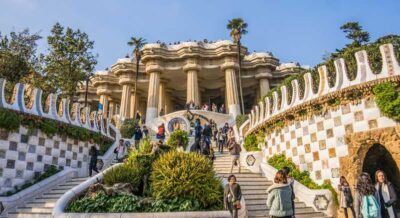 ★ 4.7Park Guell Guided Tour with Skip The Line EntryFrom $3117,563 reviews
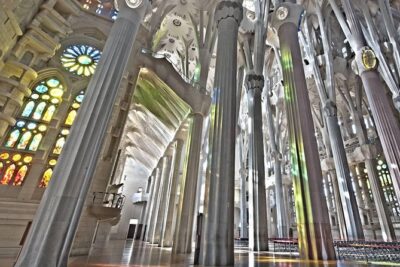 ★ 5.0Barcelona in 1 Day: Sagrada Familia, Park Guell,Old Town & PickupFrom $12013,541 reviews
 ★ 4.3Barcelona Aquarium: Entry TicketFrom $3113,335 reviews
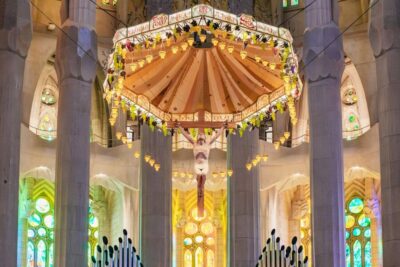 ★ 4.8Sagrada Familia Skip-the-Line Entry Ticket & TourFrom $6712,789 reviews
 ★ 4.4FC Barcelona Museum “Barça Immersive Tour” TicketFrom $3510,944 reviews