
REVIEW · GIRONA DAY TRIPS
Girona: Museum of Cinema Entry Ticket
A museum ticket that feels like time travel. Girona’s Museum of Cinema turns pre-cinema gadgets into a readable story, and I especially like the Tomàs Mallol collection plus the hands-on vibe for families. The main thing to consider is that it is self-paced, so if you want to use the audioguide and your phone struggles with the web, plan to lean on the printed info too.
This is a non-profit, permanent museum housed in a late nineteenth-century building called the House of Waters. You get a one-day entry that covers the permanent and temporary exhibitions, with a free audioguide accessible online and a multilingual brochure in English, French, Catalan, and Spanish. At $8 per person, it is strong value in a city that already rewards wandering.
Key highlights worth planning for
- 8,000+ pre-cinema objects that show how images evolved before film took over
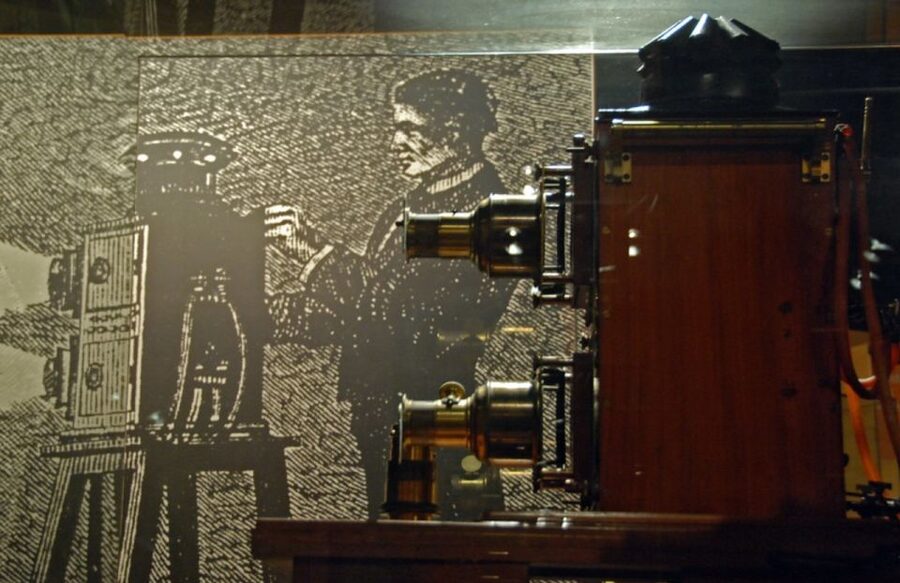
- Tomàs Mallol cinema and pre-cinema devices that make technical history feel physical
- Permanent plus temporary exhibition in one admission, so your visit doesn’t feel repetitive
- Family-friendly interactive spaces that keep kids engaged without dumbing things down
- Free online audioguide plus a multilingual brochure for easier follow-along
Why Girona’s House of Waters works so well
First, the setting. The museum sits in the former headquarters of Girona’s water company, a late nineteenth-century building known as the House of Waters. That matters more than you’d think. You walk into a “real” old industrial space, then the exhibits explain how humans figured out ways to capture and project images. The building and the subject match each other, even before you see a single device.
Second, the museum’s mission is clear: it exists to help you understand the history of the moving image and how images were represented before cinema, leading to the cinematograph in 1895. That focus keeps the experience from turning into a random pile of old equipment. Even if you only give it a casual read-through, the exhibits are aimed at helping you build the timeline.
The one downside to keep in mind is that this ticket is for a museum visit you manage. There is no detailed, minute-by-minute guided route included in the info you have here. If you like structure, you might want to give yourself a little extra time so you can pause where something grabs you.
More Barcelona tours and experiences for the shortlist



The 500-year timeline: what you’ll actually see
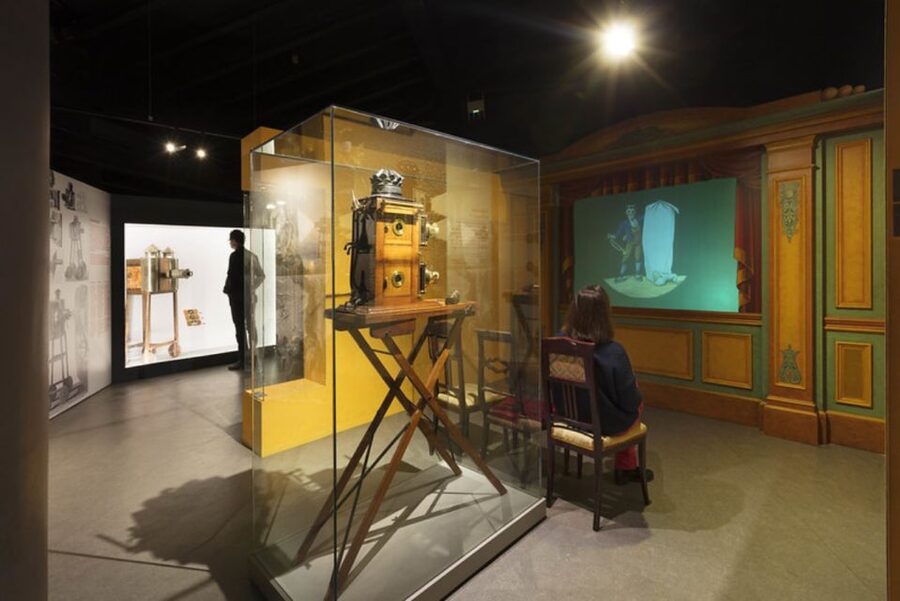
The story starts with what came before film. The museum’s permanent collection is designed to explain how images were represented before cinema and the technical process that led to the invention of the cinematograph in 1895. So your visit becomes less about memorizing dates and more about seeing the steps.
Here’s how the experience typically lands in a practical way:
- You begin with pre-cinema inventions, where the “magic” is that something technical makes images behave like they’re moving.
- Then the exhibits help you connect those early experiments to what eventually becomes cinema.
- Along the way, you’ll see how interpretation, conservation, and exhibition bring objects from storage into a story you can follow.
The best part of this kind of setup is how it helps non-experts. Even if you don’t consider yourself a film person, you’ll still understand what each device is trying to do. The museum is built for a wide audience, including locals and international visitors.
Tomàs Mallol Collection: the devices you can almost hear clicking
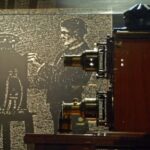
The Tomàs Mallol Cinema-Collection Museum is built around the Tomàs Mallol collection of cinematographic and pre-cinematographic objects. That means you are not just looking at posters or photographs. You’re seeing the tools and mechanisms that made moving images possible.
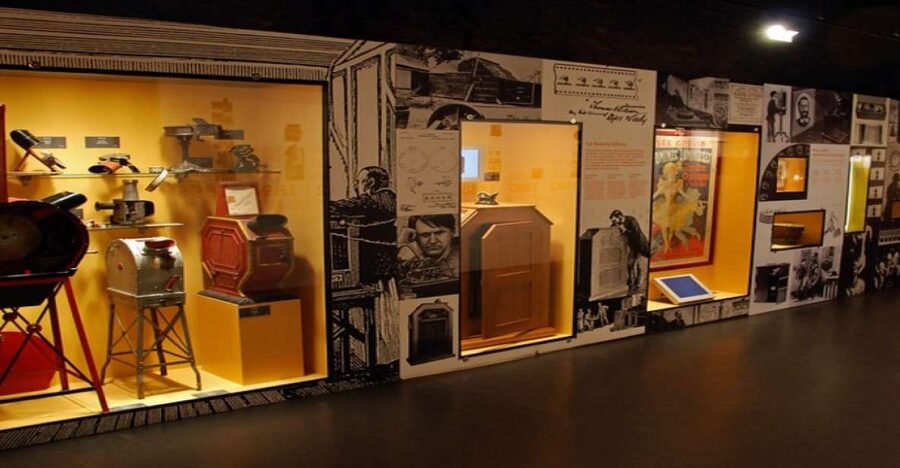
You also get a sense of scale right away. The museum includes a summary of almost eight thousand pre-cinematographic objects. That number is huge, and it changes what kind of visit this is. Instead of one or two “star pieces,” you’re entering a world where lots of approaches existed. You can pick up the idea that invention was a process with multiple routes, not one lone breakthrough.
What I like most about this section is that the exhibits make the technical side understandable without drowning you in jargon. The museum aims to interpret objects and explain their role in the invention story. If you are traveling with kids, this is also where the curiosity kicks in. One family-focused review noted that the museum has enough interactive spaces for an 8-year-old to enjoy the visit. That’s a strong sign that you won’t be stuck watching static displays in silence.
Possible drawback: if you are the type who wants to go fast and move on, the amount of detail can invite lingering. Give yourself time, especially if you plan to use the audioguide.
Permanent plus temporary exhibitions: how to plan your route
Your entry ticket covers the permanent and temporary exhibitions. That is a smart combo because the permanent collection gives you the timeline, while the temporary exhibition can add a fresh angle.
Since no specific room order is provided here, I’d plan this way:
- Start with the permanent section to get the big picture. Focus on the pre-cinema to 1895 arc.
- Then shift into the temporary exhibition to break up the “everything timeline” feeling.
- Come back to whatever grabbed you most during the permanent galleries, instead of trying to see everything in one pass.
That approach helps because the museum is designed around conservation, investigation, interpretation, and exhibition. In plain terms, it’s not only showing objects. It’s also helping you understand why those objects matter.
One caution from a practical standpoint: a review mentioned trouble using the audioguide on the device. You might have the same issue if your internet connection is weak or your phone battery runs down. If that happens, your printed brochure still gives you the basics in multiple languages.
Audioguide and brochure: the easiest way to keep up
The museum includes an informative brochure in English, French, Catalan, and Spanish. That’s ideal for mixed groups, and it also lets you spend less time “figuring out what you’re looking at.”
On top of that, you get a free audioguide accessible via this web link: https://visitmuseum.gencat.cat/es/museu-del-cinema-col-leccionatomas-mallol/audioguia
Here’s my practical advice:
- If you rely on the audioguide, bring earbuds and make sure you can open the page before you start walking.
- Download or open the pages early if your data is limited.
- If the audioguide fails, use the brochure first, then circle back to any exhibit you still want more context on.
Language support is also one of the stand-out details from visitor notes. A French-speaking visitor specifically praised having information in French, which helps a lot when your Spanish is solid but not flawless. So if you’re traveling with people who prefer French or you want to learn a few museum terms in Romance languages, you are in good shape.
You can also read our reviews of more museum experiences in Girona


Library with 4,000 titles: a quieter kind of film nerd delight
The museum also features a library with more than 4,000 titles. That detail might not sound like a highlight on day one, but it can make your visit feel more “real.” A library signals that this place is doing more than staging displays. It supports research and ongoing interpretation, which is exactly what you’d want from a museum that treats film history as a subject worth careful work.
You might find the library area especially useful if:
- you finish the exhibits and want a little extra reading time,
- you’re traveling with someone who likes to connect objects to books,
- or you want a low-key activity when you take a break from the main galleries.
Even if you don’t spend long here, knowing it exists helps you understand the museum’s tone. It’s a public cultural space, not just a photo opportunity.
Price, value, and timing for a 1-day visit
The ticket price is listed as $8 per person, and your entry is valid for 1 day. You also get access to both the permanent and temporary exhibitions. For most people, that is the key value equation: one price, multiple exhibit sections, and enough depth to justify taking your time.
Start-time detail matters here. The info says the ticket is valid for 1 day and you should check availability for starting times. So don’t assume you can show up anytime and instantly enter. If you’re planning a tight Girona day, pick a slot that gives you breathing room before the next activity.
Also remember this: one booking note mentioned that the first Sunday of the month had a free entry situation. I can’t treat that as guaranteed policy based on the info you have here, but it is worth a quick check if your dates line up. If free entry applies, that can make the museum an even better deal than the already-fair ticket price.
Who should book this cinema museum ticket
This is a good match if:
- you like museums that explain how inventions work, not just famous names,
- you have kids who do better with interactive exhibits than lecture-style tours,
- you want something different from the usual cathedral and old-streets routine in Girona.
It is also a solid choice for adult groups. The museum offers activities for adults and for families, which suggests they don’t just optimize for one audience type. And because the museum aims to be a center for revitalization of cinema and visual shows, you are likely to feel that the place is thinking about visitors’ curiosity, not only academic collection management.
If you strongly prefer guided tours with set schedules and a tight itinerary, this might feel more “choose your path.” The ticket works best when you’re the kind of traveler who likes to pause, read the labels, and follow your own interests for an hour or two.
Should you book this ticket for Girona?
Yes, I’d book it if you want a low-cost, high-meaning museum stop in Girona. For $8, the combination of the Tomàs Mallol collection, the pre-cinema-to-1895 storyline, and the added temporary exhibition is a lot to pack into one day. Add the multilingual brochure and the free online audioguide, and you have multiple ways to make the visit feel understandable.
Book now with your dates if:
- you want a family-friendly indoor plan,
- you like hands-on or technical museum topics,
- you want one focused cultural experience that fits into a normal sightseeing schedule.
Skip or rethink if:
- you need a strict guided itinerary,
- you know you won’t manage the audioguide and you dislike label-based museums,
- or you only want film “as entertainment” rather than film as invention and technique.
FAQ
How much is the Girona Museum of Cinema entry ticket?
The price is listed as $8 per person.
What does the ticket include?
It includes entrance to the permanent exhibition plus the temporary exhibition, along with an informative brochure in English, French, Catalan and Spanish, and a free audioguide accessible online.
How long is the ticket valid?
The entry is valid for 1 day.
Is the museum wheelchair accessible?
Yes, the museum is wheelchair accessible, and the building is prepared for people with reduced mobility.
What language support is available?
You get a brochure in English, French, Catalan and Spanish. There is also a free audioguide accessible through the museum website link provided.
Can I cancel and get a refund?
Yes. Free cancellation is available up to 24 hours in advance for a full refund.
More Museum Experiences in Girona

More Tickets in Girona
More Tour Reviews in Girona






Not for you? Here's more nearby things to do in Girona we have reviewed











More Girona Day Trips worth opening.
 ★ 5.0Girona & Costa Brava Small-Group Tour with Pickup from BarcelonaFrom $1206,955 reviews
 ★ 5.0Montserrat, Girona & Costa Brava Guided Day Trip from BarcelonaFrom $1335,128 reviews
 ★ 5.0Girona & Dali Museum Small Group Tour with Pick-up from BarcelonaFrom $1202,965 reviews
 ★ 4.7From Barcelona: Girona, Figueres, Dalí Museum, and CadaquésFrom $701,928 reviews
 ★ 4.7From Barcelona: Girona and Dalí Museum Small-group Day TourFrom $841,592 reviews
 ★ 4.7Montserrat, Girona & Costa Brava Guided Day TripFrom $1291,455 reviews
 ★ 4.5Girona & Costa Brava Small Group Tour From Barcelona with Paella!From $1391,098 reviews
 ★ 4.5Girona and Dali Museum Full Day tour from BarcelonaFrom $102996 reviews
Continue by place or experience