
REVIEW · BARCELONA CITY TOURS
Bean to Bar Chocolate Workshop in Barcelona
Cocoa turns science into fun. In Barcelona’s Kina Chocolates workshop, you get hands-on with cocoa, from pod to chocolate bar, plus tastings and cocoa drinks. I especially like the step-by-step workflow, because you can actually see why chocolate tastes the way it does.
You also leave with a take-home chocolate bar, which makes the time feel practical, not just educational. The one thing to consider is that you’ll be working with cocoa up close, so expect a bit of mess from roasting and grinding, and some parts may be shown in the original language even with Spanish and English support.
Key reasons this Barcelona cocoa workshop works
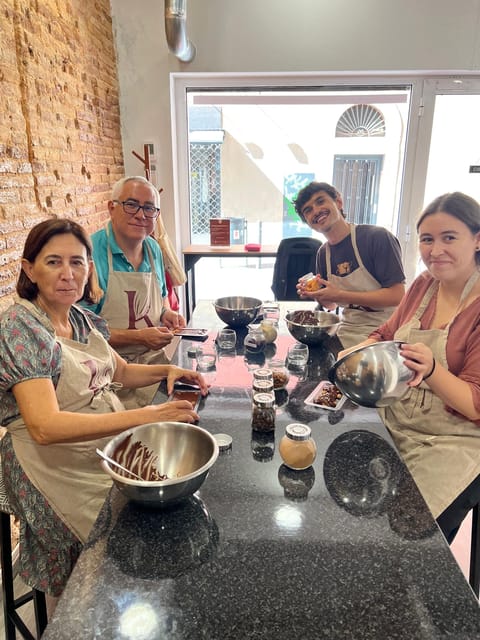
- Small-group format (up to 8) means more time for questions and hands-on attention
- Bean-to-bar steps you do yourself, including roasting and grinding cocoa beans
- Taste comparisons that help you link flavor to origin and processing
- Cocoa-based drinks along the way, not just samples of solid chocolate
- One chocolate bar to take home, so your work becomes a souvenir
- Instructors like Oscar, Renée, and Franklin bring the story with real personality and Q and A
Meeting at Kina Chocolates: what you start with and what you get
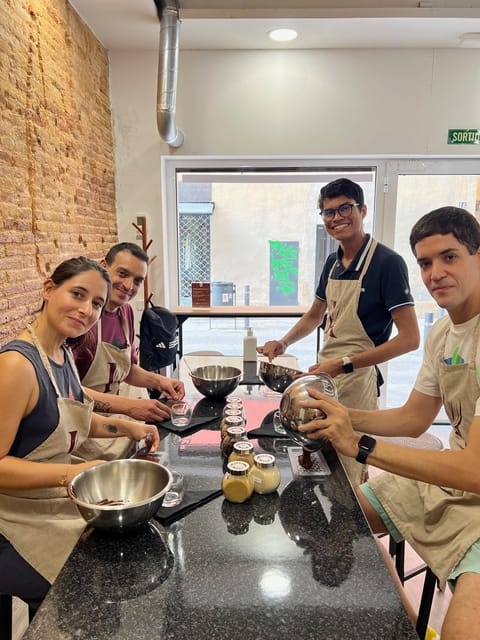
Your experience begins at Local Kina Chocolates in Barcelona. It is an easy starting point because you are literally walking into the workshop atmosphere, not searching around for a “classroom” detached from the chocolate.
Before you start mixing and grinding, you’re set up with an apron and a hat, plus all materials and utensils. Those details matter more than they sound. When you get messy in a controlled way, the whole workshop feels calmer and more comfortable, especially if you are bringing kids or teens.
Price is $47 per person for about 2 hours, and the big value is that it includes what most DIY cooking classes make you buy separately: ingredients, tools, and the stuff you take away. You also get a personalized certificate at the end, which is a nice keepsake if you like tracking your “I did that” moments in each city.
You can also read our reviews of more drinking tours in Barcelona



Cocoa pod to cocoa paste: the hands-on sequence that makes it click
This is a bean-to-bar chocolate workshop, which means you are not just sampling chocolate you bought somewhere. You are working through key steps that connect cocoa fruit to chocolate flavor.
You typically start by getting a close look at a cocoa pod and learning what happens out in the fields to reach the beans. That step is surprisingly important. Many people think chocolate begins when you buy bars. This workshop corrects that in a practical way, right away.
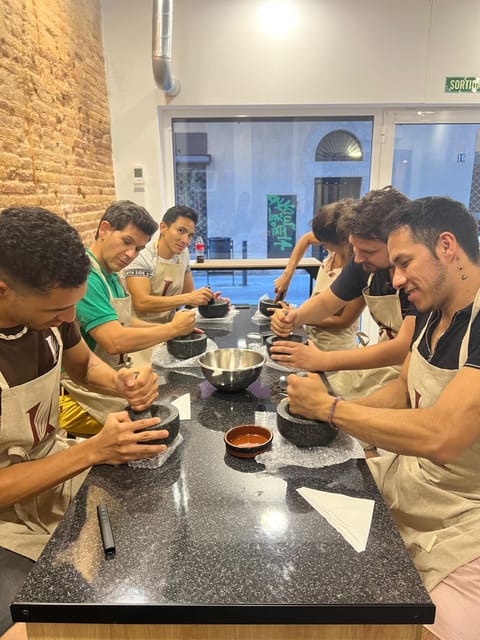
Then you move into the main action. You roast cocoa, peel the beans, and grind them down. As the texture changes, you can feel how processing affects aroma and taste. The workshop also has you make your own cocoa paste, which is a real milestone because it turns “raw ingredient” into “chocolate base.”
If you are the type who remembers better with your hands, this part is the whole point. You get to connect what you hear with what you are doing, which makes the later history and tastings stick.
Roasting, peeling, grinding: what to notice while you work
The most praised part of the class is the hands-on element, and it makes sense. When you roast and grind beans yourself, you stop treating chocolate like a mystery product and start treating it like a food you understand.
Here’s what I suggest you watch for as you work:
- Roasting changes the smell fast, so pay attention to the shift from green bean aroma to deeper cocoa notes
- Peeling matters, because you are separating usable cocoa bits from the shell
- Grinding changes the texture, so notice when it moves from crumbly to paste-like
Some participants describe the process as fun but also slightly greasy, which is normal for cocoa work. Wearing the apron helps, but plan to be fine with a cocoa-dust vibe on your hands and clothing.
Also, the workshop includes you observing and doing. That balance is useful because you can learn the why without needing to be a master chocolatier on day one. It is a guided workflow, not a “good luck, figure it out” situation.
Cocoa drinks and tasting: how you train your palate in 2 hours
After the process setup, the workshop brings in cocoa-based drinks and tasting experiences. This is where the class goes beyond craft into food appreciation.
You’ll prepare different cocoa drinks, and you’ll taste various chocolate samples along the way. Some experiences in the class include tasting chocolate from beans that come from different regions, so you can start recognizing how flavor changes with origin and processing.
To get the most out of the tasting, don’t just ask if you like it. Ask what you notice. Is it nutty, fruity, smoky, floral, or more bitter and cocoa-forward? When you tie those impressions back to what you just did in the bean-to-bar steps, you build a mental map of chocolate.
This is also a good reality check for people who only buy mass-market chocolate. Once you see how much work goes into the base and how much flavor lives in the cocoa itself, you’ll probably start noticing why some bars taste flat and others taste layered.
The history portion: chocolate’s long trail from ancient use to modern craft
The workshop includes the history of chocolate, including its ancient roots and how people consumed cocoa over time. They also connect that history to what “bean-to-bar” means today.
For many people, the story part is what turns the workshop from a cool activity into something you remember later. It helps you understand why cocoa is more than dessert. Cocoa has cultural weight, trade history, and modern craft movements all tied together.
There is also discussion of the bean-to-bar approach and how local cocoa-producing communities live. This matters because it reframes your chocolate purchase as something connected to people, not just branding. The workshop pushes you to appreciate the effort behind the beans.
If you care about supporting fair practices and quality ingredients, this portion gives you language and context to think about it more clearly. You come away less likely to treat chocolate like a generic sweet.
More Barcelona tours and experiences for the shortlist

Making your own chocolate bar: the part you actually take home
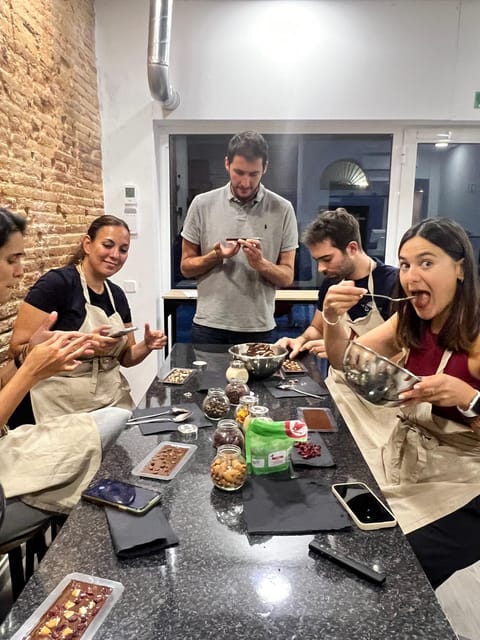
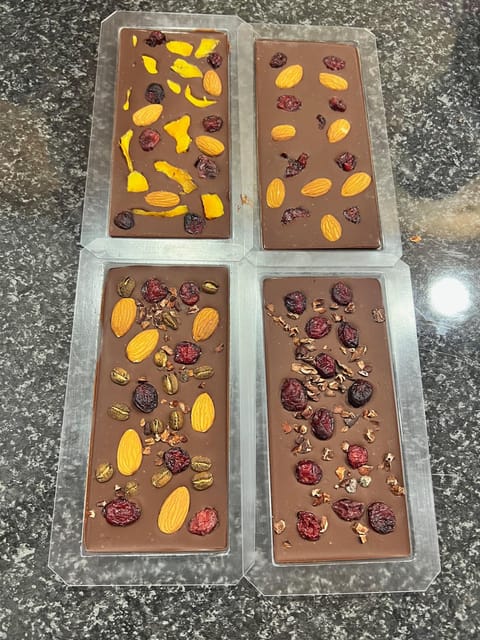
The workshop ends with you creating your own chocolate bar to take home. That is the best kind of souvenir, because it is edible proof of what you did, not just a branded wrapper.
You get to go through the key stages, and then the final product represents your work, your choices, and the flavor story you’ve been learning. You also get help from the instructor and staff throughout, so you are not stranded in the final stretch.
If you have ever made cookies and then felt disappointed by the result, you’ll appreciate the workshop setup here. The class is designed so you finish with something real, shareable, and worth tasting slowly later.
One practical tip: Barcelona heat can be tricky for chocolate. If your chocolate bar needs travel time back to your hotel or to family, keep it somewhere cool and avoid leaving it in the sun on warm days.
Value and logistics for $47: why the price feels fair for what you do
Let’s talk value. $47 for 2 hours can look like a lot if you’re comparing it to a quick tasting somewhere. But this is not a 20-minute chocolate stop. You get:
- All necessary materials and utensils
- Apron and hat
- A hands-on roast, peel, grind, and paste workflow
- Cocoa drinks and tastings
- A personalized certificate
- One chocolate bar to take home
So the “cost” is mostly paying for time, ingredient handling, and the fact that you are using tools and guided steps that most home kitchens do not set up for a one-time workshop.
It also helps that the class is small, limited to 8 participants. In a small group, the instructor can move around, check in, and translate the steps in Spanish or English. That interaction is part of what makes the learning feel efficient.
If you want a fun, active food experience in Barcelona that isn’t just watching someone else cook, this price makes sense. You’re paying for participation, not just observation.
Who should book this workshop in Barcelona
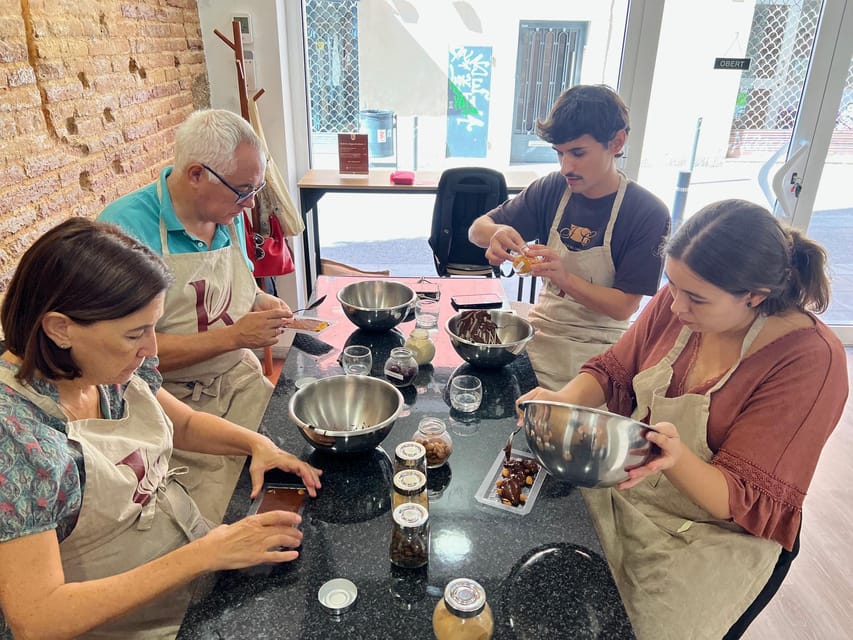
This workshop is a strong fit if you:
- Love chocolate, but want to understand it, not just taste it
- Prefer hands-on classes over museum-style learning
- Are traveling with teenagers who will engage with history plus a practical craft
- Want an indoor activity that still feels like something you did, not just something you watched
From the way the workshop is described, it is also family-friendly, including for children who can handle the sensory experience of cocoa handling and tasting. The overall tone tends to be upbeat and interactive, not stiff.
If you are mainly looking for a quick sugar hit with minimal effort, this might feel too process-heavy. The workshop is built around the steps, the ingredients, and the questions.
Should you book Kina Chocolates bean-to-bar in Barcelona?
Yes, if you want a real hands-on food workshop with a clear end product, plus history and tasting that actually connect to what you did. The small-group size and guided workflow make it feel personal, and the take-home bar makes it easy to justify the time.
Book it if you are the type who enjoys learning through making. And if you’re with teens or older kids, it is especially satisfying because they can appreciate both the craft and the story.
Skip it only if you’re sensitive to cocoa mess and want a very clean, low-contact experience, or if you prefer tasting-only activities. The class is built for working with beans, so your hands will be part of the deal.
FAQ
Where is the bean-to-bar chocolate workshop in Barcelona?
The meeting point is Local Kina Chocolates in Barcelona.
How much does the workshop cost?
The price is $47 per person.
How long does the workshop last?
The workshop lasts 2 hours.
What will I make during the workshop?
You will make 1 chocolate bar to take home.
What is included in the ticket price?
It includes all necessary materials and utensils, plus an apron and a hat, a personalized certificate, and a summary of what you learned. The workshop also includes cocoa-based drinks and tasting as part of the experience.
What languages are offered?
The instructor communicates in Spanish and English.
Is the workshop suitable for teenagers?
Yes, it is designed for adults and teenagers.
Is there any way to adapt the workshop if I have allergies?
Yes. Let the team know about your allergies or intolerances so they can adapt the workshop.
Is the workshop wheelchair accessible?
Yes, the workshop is wheelchair accessible.
If you tell me your travel dates and who you’re going with, I can also help you decide whether this fits your schedule better than other Barcelona food workshops.
More Dessert Tours in Barcelona
More Drinking Tours in Barcelona


More Tour Reviews in Barcelona


Not for you? Here's more nearby things to do in Barcelona we have reviewed




More Barcelona City Tours worth opening.
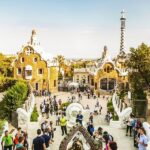
 ★ 4.4Park Güell Admission TicketFrom $2576,534 reviews
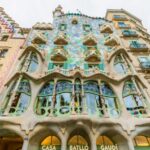
 ★ 4.7Casa Batlló Entry with Self-Audioguide TourFrom $3425,359 reviews
 ★ 4.424 or 48-Hour Hop-On Hop-Off Bus TourFrom $3920,872 reviews
 ★ 4.7Park Guell Guided Tour with Skip The Line EntryFrom $3117,563 reviews
 ★ 5.0Barcelona in 1 Day: Sagrada Familia, Park Guell,Old Town & PickupFrom $12013,541 reviews
 ★ 4.3Barcelona Aquarium: Entry TicketFrom $3113,335 reviews
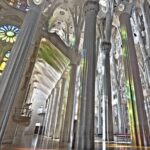
 ★ 4.8Sagrada Familia Skip-the-Line Entry Ticket & TourFrom $6712,789 reviews
 ★ 4.4FC Barcelona Museum “Barça Immersive Tour” TicketFrom $3510,944 reviews
Continue by place or experience