
REVIEW · GOTHIC QUARTER TOURS
Gothic Quarter and Old City
Barcelona’s old stone streets have a way of pulling you in. This 2-hour walk through the Gothic Quarter and Old City is built for wandering at golden hour, with an expert guide helping you connect the dots from Roman times to today.
I like the focus on Catalan Gothic details you might otherwise miss, like the feel and symbolism behind the big religious landmarks. I also like that the guide storytelling stays practical and human, including the kind of local fun facts that make history easier to remember, plus a stop where the guide explains why chocolate has special cultural weight here.
One consideration: this is a walking tour, so if you want zero walking or frequent long rests, plan for the pace and bring water and comfortable shoes.
Key Takeaways Before You Go
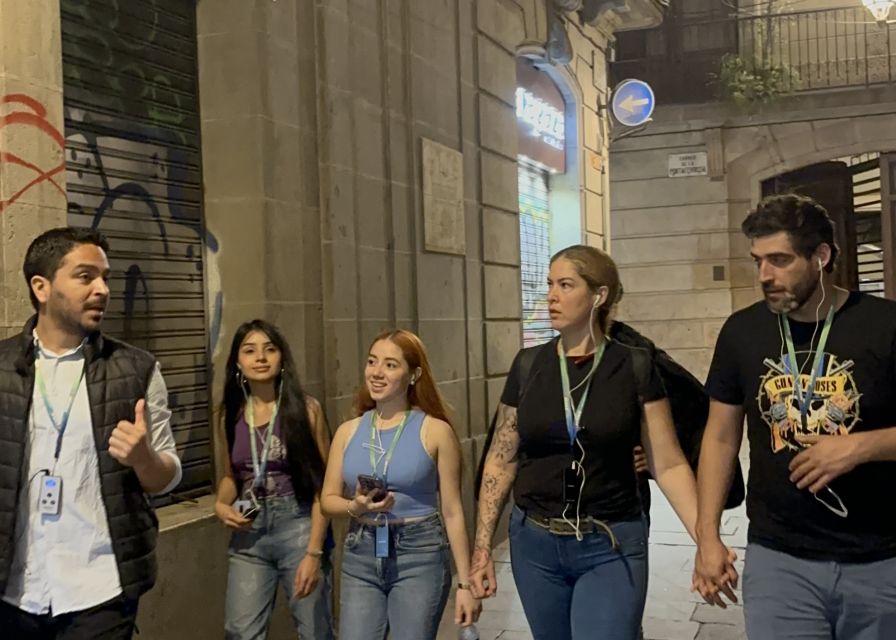
- Expert guides with headsets help you hear clearly in tight medieval streets
- Sunset timing makes the Gothic Quarter atmosphere feel more real and less museum-like
- Catalan Gothic landmarks show up multiple times, so you get context instead of quick photos
- Old City story arc, Roman to modern, so the streets feel connected
- Art and tradition stops like Santa Maria del Pi, Plaça del Rei, and Plaça de Sant Jaume add variety
- Guides named Cesar and Pedro stand out for friendly, story-driven history and showing the city’s quieter sides
Sunset Walk Through the Gothic Quarter, Where the Layers Show
If Barcelona has a mood, it’s here. The Gothic Quarter is the kind of neighborhood where one corner looks like a film set and the next feels like you’ve stepped into someone’s daily route. This tour leans into that, taking you through the maze-like streets at sunset, when shadows deepen and buildings look older than they are.
The big win is the way the guide connects layers of time. You get stories that move from Roman-era references through medieval power, religious influence, and then into modern Catalan identity. That “why this place matters” approach is what turns stone and signage into something you can actually picture.
You’ll also get a mix of landmark scale and small-scale details. Expect both: major stops where you pause for photos, plus shorter segments where the guide points out what to notice in the architecture and the street layout. It’s the difference between seeing a place and understanding how it works.
You can also read our reviews of more city tours in Barcelona


Starting at Font de Canaletes, and How to Keep It Smooth
Your tour begins from a meeting point that may vary depending on the option booked. One common start is Font de Canaletes, a good reference point if you like simple logistics before you hit the old streets.
Because this is a guided walking route, the headset matters. In a neighborhood full of narrow alleys and busy crossings, you want to hear the guide without craning your neck or getting separated from the group. It’s also helpful when the stories shift quickly from politics to art details to everyday Catalan traditions.
Comfort helps more than you might think. Bring comfortable shoes and a drink, since you’ll be on foot for about two hours. Plan on photo stops, too, especially around the most iconic buildings and squares.
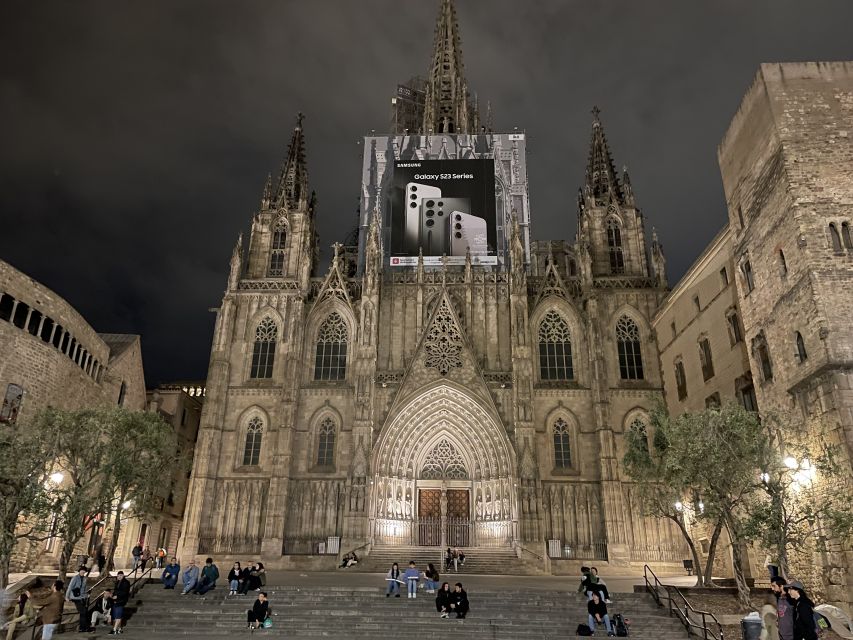
Finding Barcelona’s Origins: Santa Eulalia and the Cathedral Area
The tour’s early arc focuses on the city’s foundations, and one of the anchors is Barcelona Cathedral and its surrounding world. The idea is not just to look up at the stone. It’s to understand why religious architecture in this area became a centerpiece of identity, from what it represented to how people used the space.
You also pass through areas tied to the Cathedral’s broader story, including Cathedral of Santa Eulalia. The guide’s job here is to translate Catalan Gothic into something you can see, not just read. That means pointing out shapes, functions, and the sense of continuity across centuries.
This section is especially good if you like understanding how cities evolve through power and belief. If you’re the type who reads plaques and then forgets everything ten minutes later, the guided approach here is a better route than self-guided wandering.
Why Catalan Gothic Feels Different at Santa Maria del Pi
Next up is Basilica de Santa Maria del Pi, a standout because it’s one of those places where the Gothic vibe feels grounded in daily life rather than only grand spectacle. The walk takes you to a quieter rhythm: photo stop, guided walk time, then time to absorb the square and church presence without rushing.
This is also a place where the guide can explain the “why” behind local style choices. Catalan Gothic isn’t only about look. It’s also about local traditions, how communities claimed space, and how architecture became a language people recognized.
If you want one clear reason to book a guided tour here, it’s stops like this. Self-guided, it’s easy to admire and move on. With a guide, you start seeing patterns and meaning.
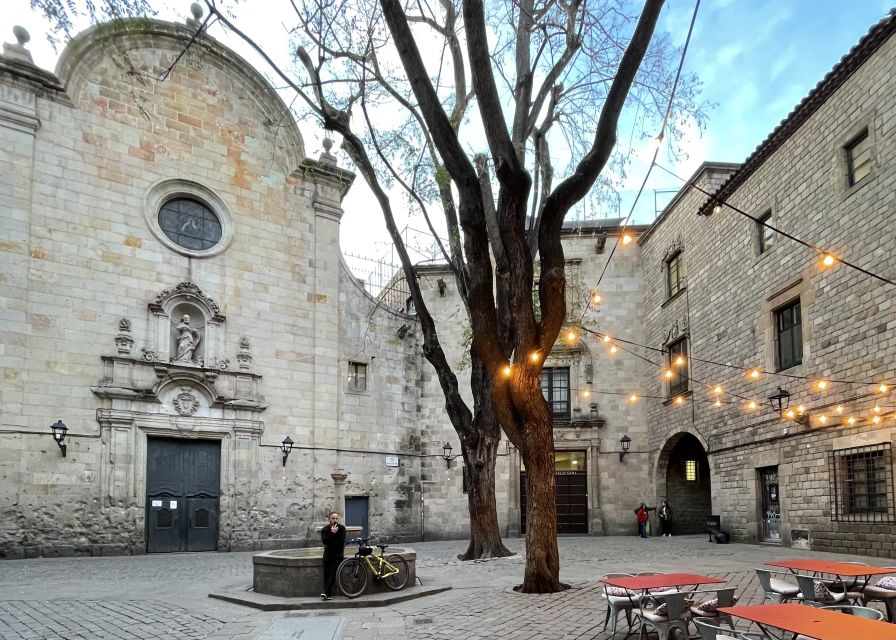
Sant Felip Neri Square, Small Stops That Carry Big Atmosphere
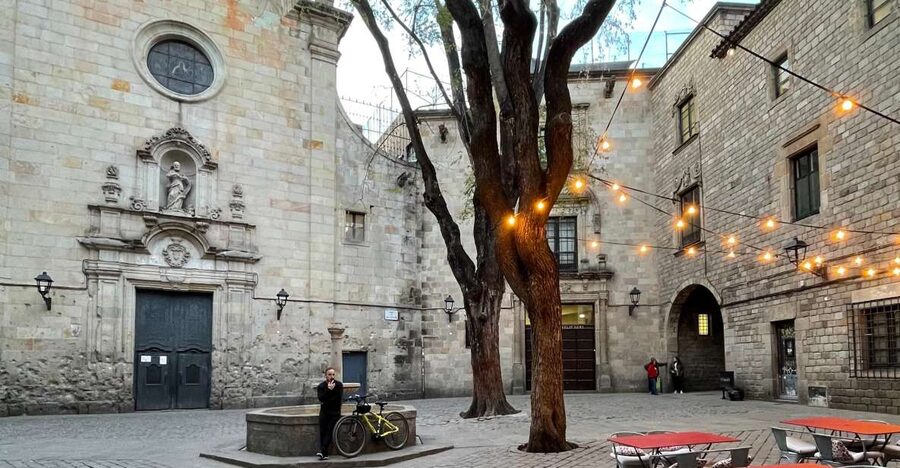
You’ll spend time around Sant Felip Neri Square, with a shorter segment that’s ideal for recalibrating your senses. Squares in the Gothic Quarter work like breathing spaces, and the guide uses them to shift from building facts into street-level character.
This part of the walk is also where the tour’s storytelling style shows. Some guides go heavy on dates. The best ones, including the more highly praised guide styles in recent feedback, balance dates with human details. That makes the city feel less like a textbook and more like a place people lived in.
Think of this as your “pause and notice” stop. You get a photo opportunity and then a guided walk that keeps momentum without feeling like a sprint.



El Mural del Petó and the More Playful Side of Old Barcelona
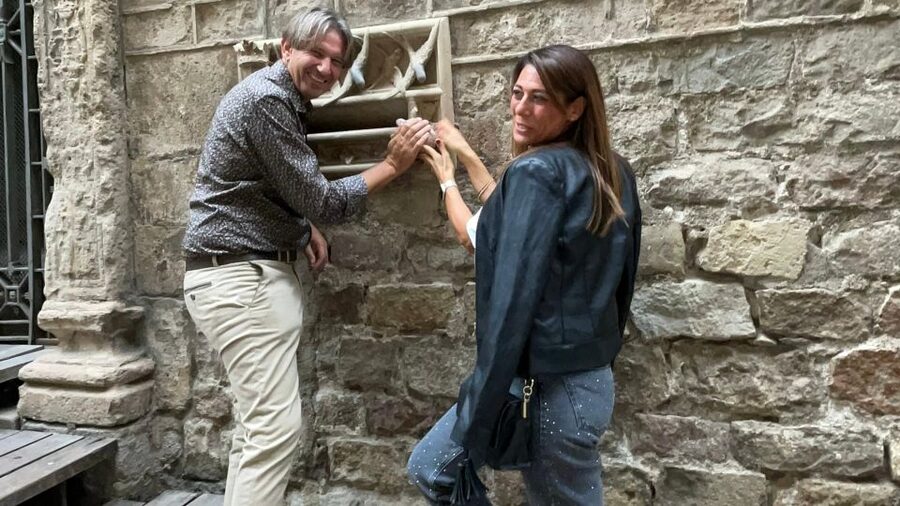
At some point, the tour turns from big stone to something more intimate: El mural del petó. It’s one of those stops that feels small at first glance, but it’s exactly the kind of cultural detail that helps you understand a city’s personality.
The guide uses places like this to connect tradition to everyday symbolism. That’s also where the tour’s fun side shows up, including the kind of light history and local anecdotes that make the Gothic Quarter feel personal instead of intimidating.
If you like your history with a wink, this is a good moment to keep your camera ready and your attention focused. These short stops are where the guided tour earns its value.
The Cathedral Visit: Santa Eulalia, Plaça del Rei, and Puente del Bisbe
Later, you’ll return to the Cathedral area with more time for visuals, including another Barcelona Cathedral photo and guided focus. The point is to catch the Cathedral as more than a single façade. You’ll get a better sense of how the area functions as a historic stage.
Then the tour moves to Plaça del Rei, a square tied to old civic and royal life. It’s a shift in tone from purely religious emphasis to the overlap between power, governance, and public space. This is also where you’ll understand why locals and visitors keep returning to this neighborhood. It’s not only beautiful. It’s layered with roles the city played.
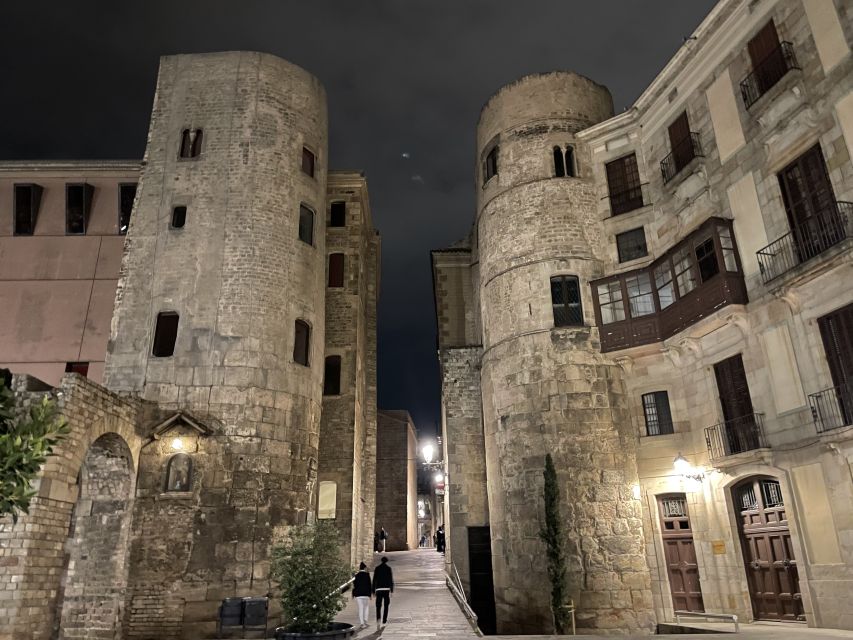
You’ll also cross by Puente del Bisbe, a short guided segment that’s famous because it’s visually dramatic and historically meaningful at the same time. The guide helps you connect the bridge to the larger cathedral complex and to the logic of the street geography around it.
If you’re someone who hates slow tours, this portion will still feel efficient. Each stop has a purpose, and the guide keeps you moving in a way that makes sense.
Plaça de Sant Jaume and the Old City Finish at Plaça Reial
You’ll reach Plaça de Sant Jaume, another key civic square, where the guide ties the area to the broader story of Catalan identity. This is a good location to understand how Barcelona’s old power structures shaped the city you see now.
Finally, the walk concludes at Plaça Reial. This is a strong finish because it feels like a transition out of the tight Gothic maze and into a more open, lively public space. Even if you’re tired, it helps you reset and land the tour with something visually satisfying.
If you’re continuing your day in the Old City, this ending point is practical. You’re well positioned to explore nearby streets on your own afterward, now that you know what to look for.
Price and Value: What $41 Buys You in Real Terms
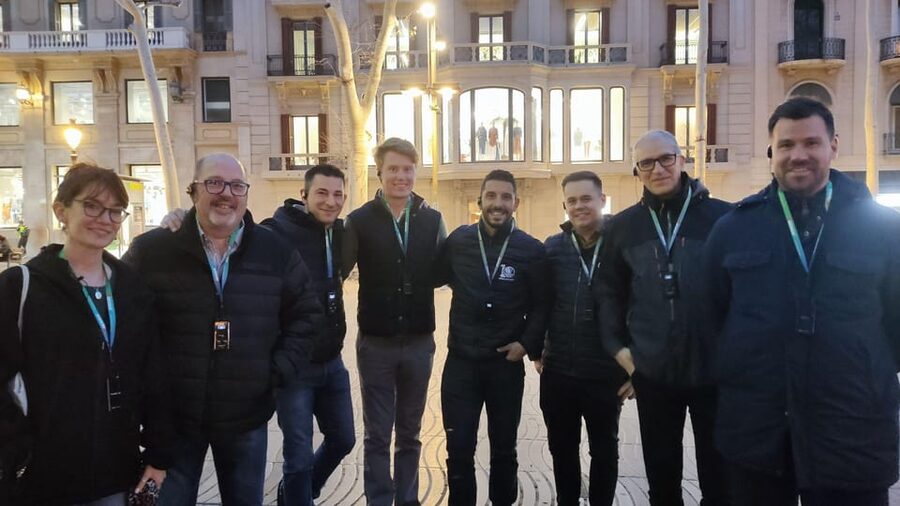
The price is $41 per person for a 2-hour walking tour, including a guided component, plus headsets. That headset detail matters in Barcelona’s Gothic Quarter, where sound travels weirdly and groups can spread out in narrow streets.
You’re also getting an expert guide who focuses on explanations that connect major landmarks to the city’s origins and traditions. With a tour like this, you’re not only paying for someone to point out buildings. You’re paying for someone to interpret what you’re seeing, and to keep the route flowing logically.
Food and drinks are not included, so budget for yourself. The good news is the tour encourages you to bring drinks since you’ll be walking. That’s an easy fix, and it keeps the tour cost lower than options that bundle meals.
Who This Tour Fits Best (and Who Might Prefer Something Else)
This works best for you if you want to see the Gothic Quarter with context, not just photos. It’s also a great pick if you care about Catalan Gothic details and like history told with energy and humor.
It’s a smart choice for first-time visitors who feel overwhelmed by Barcelona’s old streets. The guided route helps you keep direction, and the headset plus walking structure keeps you from getting lost in the romance of it all.
It might be less ideal if you have low tolerance for walking or you’re expecting lots of indoor time. This is outdoors, and you’ll be on foot for the full 2 hours.
Should You Book This Gothic Quarter and Old City Tour?
I’d book it if you want a structured sunset walk that turns major sights into a connected story. The best reason is the guide-led interpretation, including the highly praised style seen in feedback for guides like Cesar and Pedro, both recognized for friendliness, strong historical storytelling, and showing sides of the city you might otherwise miss.
Skip it if you prefer self-guided wandering with no formal stops. Also consider skipping if you know you hate walking at a steady pace. For everyone else, this is a solid value way to understand why the Gothic Quarter keeps pulling people back.
FAQ
How long is the tour?
The tour duration is 2 hours.
What does the tour cost?
The listed price is $41 per person.
Where is the meeting point?
The meeting point may vary depending on the option booked. One listed starting point is Font de Canaletes.
What is included in the price?
Inclusion includes a walking tour, an expert tour guide, and headsets to hear the guide better.
Are food and drinks included?
No. Food and drinks are not included.
What languages are available for the live guide?
The live tour guide is available in Italian, English, Portuguese, and Spanish.
Is the tour wheelchair accessible?
Yes, the tour is wheelchair accessible.
Is there free cancellation?
Yes. You can cancel up to 24 hours in advance for a full refund.
Can I reserve and pay later?
Yes. The option is Reserve now & pay later, so you can book and pay nothing today.
What weather happens if it rains?
The tour can be cancelled in case of rain.
More City Tours in Barcelona


More Tour Reviews in Barcelona
Not for you? Here's more nearby things to do in Barcelona we have reviewed








More Gothic Quarter Tours worth opening.
 ★ 5.0Barcelona Gothic Quarter Tapas & Taverns Food & Wine TourFrom $1311,470 reviews
 ★ 4.7Gothic Quarter Ghosts and Legends Walking TourFrom $191,443 reviews
 ★ 4.8Old Town and Gothic Quarter Walking TourFrom $211,393 reviews
 ★ 5.0Barcelona Old Town & Gothic Quarter Small Group TourFrom $221,308 reviews
 ★ 4.8El Born and Gothic Quarter Wine & Tapas Bar TourFrom $81674 reviews
 ★ 5.0Kids and Family Gothic Quarter Walking Tour in BarcelonaFrom $25465 reviews
 ★ 4.5Barcelona Gothic Quarter Walking TourFrom $33456 reviews
★ 4.9Gothic Quarter Walking TourFrom $212383 reviews
★ 4.5Barcelona Gothic Quarter Walking TourFrom $33456 reviews
★ 4.9Gothic Quarter Walking TourFrom $212383 reviews
Continue by place or experience