
REVIEW · BARCELONA WINE & CAVA TOURS
Wine Tasting Experience in Barcelona
Wine stops go way beyond a bar. In this El Born tasting, I like the small-group setup and the way you sample five wines while learning simple tasting moves you can use later at tapas bars. You also get local food pairings tied to Catalonia, not just generic bread and cheese. One consideration: the session is about 1.5 hours, so it’s an approachable start, not a deep sommelier dissertation.
You meet at Carrer de l’Arc de Sant Ramon del Call, 5 in Ciutat Vella, then head into the tasting space in the historic El Born area. It’s guided in English, and the hosts are a big part of the fun, with past guides including Omar, Robert, Vincent, Vivienne, and Augustina. No hotel pickup, and you’ll want to be on time so you do not feel rushed.
Key things that make this Barcelona wine tasting worth your time
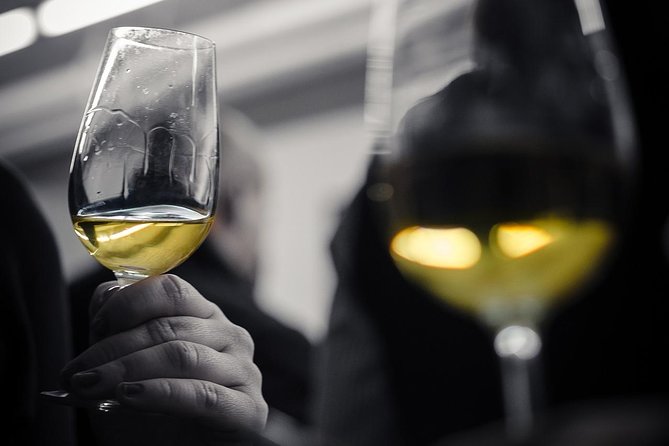
- Five wine varietals, taught with a repeatable tasting method so you can notice differences fast.
- Catalonia-focused intro, with a quick background before you start sipping.
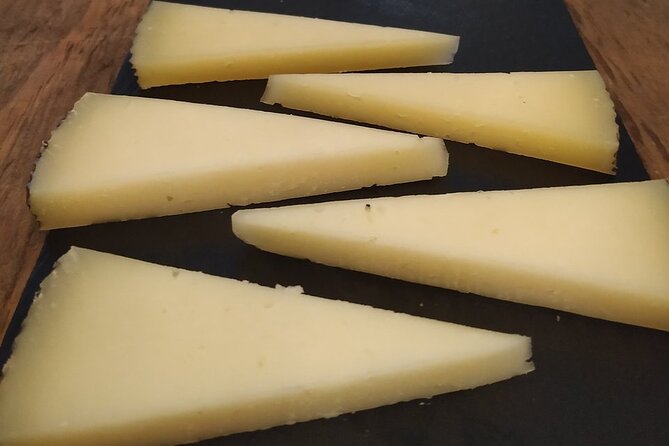
- Cheese and local snacks that actually change how the wine tastes when paired right.
- Small group feel with a stated maximum of 20, which keeps the vibe friendly and not classroom-stiff.
- You can shop the wines afterward and take home bottles that match what you liked.
- Vegetarian option available if you request it ahead of time.
Catalan wine tasting: a smarter way to start eating in Barcelona
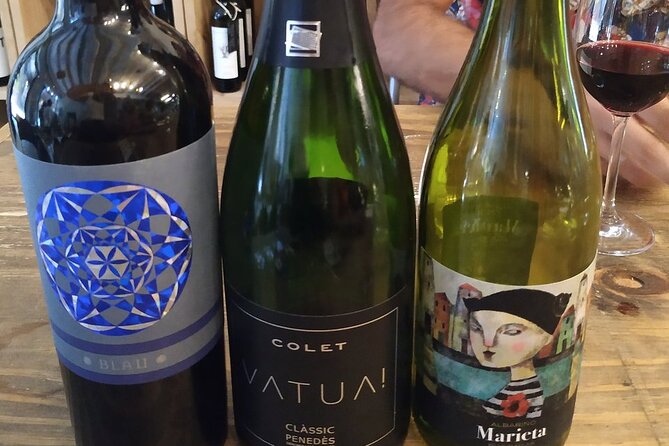
Barcelona is full of places to drink and snack, but this is different from the usual bar loop. You get a guided feel for what Catalan wine is trying to do, and that matters because Catalonia has its own styles and grape choices. When you understand the basics, you are less likely to order randomly and more likely to match wine to food like a local.
I also like that the tasting is built around pairing. Olive oil, fresh bread, and cheese are not just filler. They help you understand why wine can taste softer, sharper, fruitier, or more structured depending on what hits your palate first. After a session like this, you’ll have a practical mental checklist for restaurant orders.
One more reason I’d schedule this early in your trip: it gives you language for what you like. If you can tell yourself whether you prefer bright whites, fruit-forward reds, or sparkling styles like cava, the rest of the trip gets easier. No guessing, less decision fatigue.
You can also read our reviews of more food & drink experiences in Barcelona
Meeting point in Ciutat Vella and what the 1.5 hours feels like
Plan on a near public transportation spot in the Ciutat Vella area. You meet at Carrer de l’Arc de Sant Ramon del Call, 5, and the experience ends back at the same meeting point. You can use a mobile ticket, and you meet your sommelier host after making your own way to the shop.
From there, the flow is simple:
- You go from meeting to the tasting area in the El Born district.
- You get a short overview of Catalonia’s winemaking background.
- Then you start tasting the five wines, guided step by step.
- You finish with local food pairings.
The whole thing runs about 1 hour 30 minutes. That duration is ideal if you want something you can fit before dinner, without losing your whole evening. It’s also long enough to learn a technique, not just taste a flight and leave.
Practical note: a few people have said it’s easy to miss the location if you are not looking carefully. So give yourself extra minutes, especially if you are arriving by subway and walking in El Born streets.
The tasting format: five wines, guided steps, and what to actually pay attention to
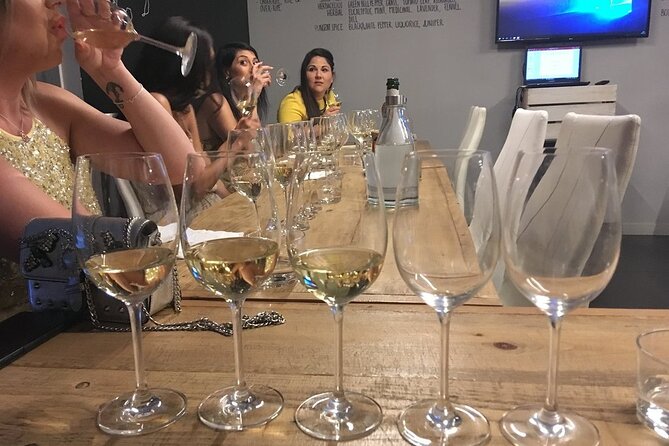
You’re sampling five wine varietals under sommelier guidance, which is the key difference between a casual pour and a real tasting experience. Instead of hand-waving, you learn basic wine tasting techniques you can reuse later.
Here is what you should focus on during each wine, so the session clicks:
- Appearance: notice color depth and clarity.
- Smell: pick out fruit, floral notes, spice, or more neutral aromas.
- Taste: look for how it feels on the tongue, like crisp versus smooth, dry versus round.
- Finish: pay attention to how long the flavor lingers.
This approach is what turns tasting from random sipping into pattern recognition. And it is exactly why people come out feeling like they learned something, even if they started as a total beginner.
From the experience details, the selection typically includes cava plus a mix of whites and reds. One nice perk mentioned in the feedback is that you get full glasses during the tastings, so you are not stuck doing tiny sips that disappear before you can compare.
Cheese and local snacks: when pairing changes the wine for you
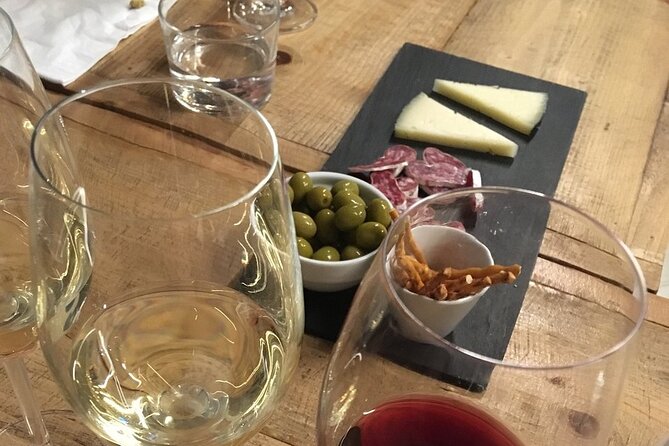
Food here is not an afterthought. You get a spread of local produce to accompany the wines, including olive oil, fresh bread, and cheese. In the pairing stage, you’ll also run into snack components like cured meats and olives, depending on what package is offered and what is on the table that day.
Cheese is the star because it makes the wine clues obvious. A mild cheese can let wine aromas pop. A sharper cheese can show acidity and structure. Pairing is also where many people reported that the whole tasting started to feel more fun. One person described how the wines seemed okay on their own at first, but then they came to life once the cheese pairing arrived. That’s the magic you’re looking for.
If you are the type who worries about being bored because wine tours can feel repetitive, this pairing element is a good counterweight. You’re not just tasting wine in a vacuum. You’re tasting wine with context, and that context is local.
Also, because these are Catalonia-adjacent flavors, it is a natural lead-in to how you’ll order at markets and casual dining spots later. You’ll likely find yourself remembering the olive oil and cheese combinations when you’re browsing charcuterie counters.
Your sommelier host in English: why the guide quality matters
The guide changes everything in a tasting. Here, the hosts are interactive, friendly, and answer questions. Several people singled out specific hosts by name, including Omar, Robert, Vincent, Vivienne, and Augustina. That matters because it signals consistency in the teaching style, not just the wines.
What I like about this kind of guide-led format is that you can ask for personalized tips. If you are newer to wine, the sommelier can slow things down and explain what to notice. If you already know your basics, you can push for deeper comparisons, like why a wine tastes a certain way with a particular cheese.
English guidance is offered, which is a big deal in Barcelona where you can sometimes get stuck with menus and vague descriptions. Here, you get your questions answered in plain language. The goal is not to sound fancy, it’s to help your palate make sense of what you’re tasting.
You can also read our reviews of more wine tours in Barcelona


Price check: is $42.34 good value for a Barcelona wine and cheese experience?
At $42.34 per person, you are paying for more than five tastes. You’re paying for:
- guided tasting instruction
- a small group setting
- food pairings that go beyond a snack plate
- cheese included as part of the pairing experience
If you have priced wine tastings in big cities, you’ll notice that the ones you actually learn from tend to cost more than what looks like an average price. This one stays in a reasonable range for the amount of guided time and the number of pours.
Also, you’re not locked into the tasting. You can purchase the wines and food items afterward in the store. That means if you love one of the bottles, you have an easy next step instead of hunting for it later. It’s a practical value add because you’re taking home something you already connected to through taste and pairing.
The only “value risk” I see is if you expect an ultra-technical class. The session is designed as a great start point. If you want a long, very academic wine seminar, you might find it more introductory than you hoped. Still, for most people, that’s the sweet spot.
Who should book this wine tasting, and who might want something else
This is a strong fit if you:
- want a fun activity that also teaches you how to taste
- care about Catalan wine rather than only Spanish wine in general
- enjoy meeting people in a small group
- like pairing food with what you drink
- are visiting Barcelona for the first time and want an easy win
It’s also a good match for solo travelers. The format is set up for interaction, and the group size stays small enough for conversation.
If you are the type who wants huge variety, you might still enjoy it, but the focus is on learning and comparison across five wines. And if you are already a serious wine student, you may wish for more depth. One rating mentioned it was good enough as an intro rather than a deep dive, which is the right expectation to hold.
Tips to get the most from your tasting (without overthinking it)
A few simple things will help you enjoy the full session:
- Eat something light beforehand, since you’ll be tasting alcohol along with snacks and cheese.
- Go in curious, not picky. If you expect to hate a style, you’ll miss the chance to learn why you like or dislike it.
- Ask your host what to notice next. The technique is most useful when you use it while it’s fresh.
- Take notes only if you’re the type who remembers better that way. Even a quick mental note like “cava felt crisp” helps later.
- If you’re using maps, double-check the route and approach. El Born streets are lovely, but getting turned around is easy.
Should you book this Barcelona wine tasting?
Yes, if you want a compact, friendly way to learn Catalan wine and improve your food ordering during the rest of your trip. The value is strong for the amount of guidance you get, and the pairing component makes the tasting feel practical, not just ceremonial. It’s also an excellent evening plan when you want something social but not chaotic.
Skip it only if you are hunting for a long, highly technical wine course, or if you strongly prefer tours with hotel pickup and a less hands-on style. Otherwise, this is exactly the kind of smart Barcelona activity that helps you taste the city, not just see it.
FAQ
How long is the wine tasting experience?
The experience lasts about 1 hour 30 minutes.
What does the experience cost?
The price is $42.34 per person.
Where do I meet for the Barcelona wine tasting?
You meet at Carrer de l’Arc de Sant Ramon del Call, 5, Ciutat Vella, 08002 Barcelona, Spain.
Is the tour offered in English?
Yes, the experience is offered in English.
Do I need hotel pickup and drop-off?
No. Hotel pickup and drop-off are not included, so you’ll make your own way to the meeting point.
What’s included in the tasting?
It includes wine tasting, food tasting with snacks, and cheeses, with a small-group tasting format.
Is there a vegetarian option?
Yes. Vegetarian option is available, and you should advise at time of booking.
Can I purchase the wines and food after the tasting?
Yes. The wine and food samples can be purchased in the store after your tasting session.
How many people are in the group?
The experience has a maximum of 20 travelers.
What is the minimum drinking age?
The minimum drinking age is 18 years.
Is free cancellation available?
Free cancellation is available, and you can cancel up to 24 hours in advance for a full refund.
More Wine Tours in Barcelona
More Food & Drink Experiences in Barcelona

More Tour Reviews in Barcelona


Not for you? Here's more nearby things to do in Barcelona we have reviewed






More Barcelona Wine & Cava Tours worth opening.
 ★ 5.0Montserrat & Cogwheel Train, Gourmet Wine Tasting & Tapas/LunchFrom $816,290 reviews
 ★ 4.9Coastline Boat Trip with Snacks and CavaFrom $321,905 reviews
 ★ 4.8From Barcelona: Penedés Vineyards Tour by 4WD w/Wine & CavaFrom $85808 reviews
 ★ 5.0Barcelona Small Group Sailing with Snacks and CavaFrom $66758 reviews
 ★ 5.0Barcelona E-Bike Small Group Tour with Tapas & Wine TastingFrom $72638 reviews
 ★ 4.8Barcelona Wine Tasting: Catalan and Spanish WinesFrom $41625 reviews
 ★ 5.0Montserrat,Vineyard, Wine Tasting Small Group Tour & Hotel PickupFrom $130513 reviews
 ★ 4.5Penedes Wine & Cava Tasting & 4WD Vineyards Tour from BarcelonaFrom $145374 reviews
Continue by place or experience